Quick Summary: Plumber Mistakes Prosper TX Homeowners Can Avoid
A plumber gets called after leaks, clogs, and water heater failures, but many of the most expensive repairs start with preventable mistakes. Prosper TX homeowners commonly lose money by using non-code materials, overtightening fittings, skipping shutoff valves, ignoring “small” leaks, and attempting major plumbing changes without permits or licensed help. Plumbing mistakes often stay hidden for weeks inside cabinets, walls, and ceilings, where water damage can spread to drywall, insulation, subfloors, and framing.
A licensed plumber approach focuses on three priorities: code-compliant materials, controlled water shutoff, and leak testing before closing up any work. Water damage repairs commonly range from $1,000–$4,000+ depending on the affected area, and mold remediation often ranges from $500–$3,000 based on containment and severity. A simple shutoff valve upgrade often costs far less than flood cleanup, and a basic leak check can prevent weeks of slow damage.
Specialty Plumbing helps homeowners across Prosper and Celina, TX avoid these pitfalls with licensed diagnostics, repair, and full-service plumbing support.
Main Content: 5 Plumber Mistakes That Trigger Expensive Repairs
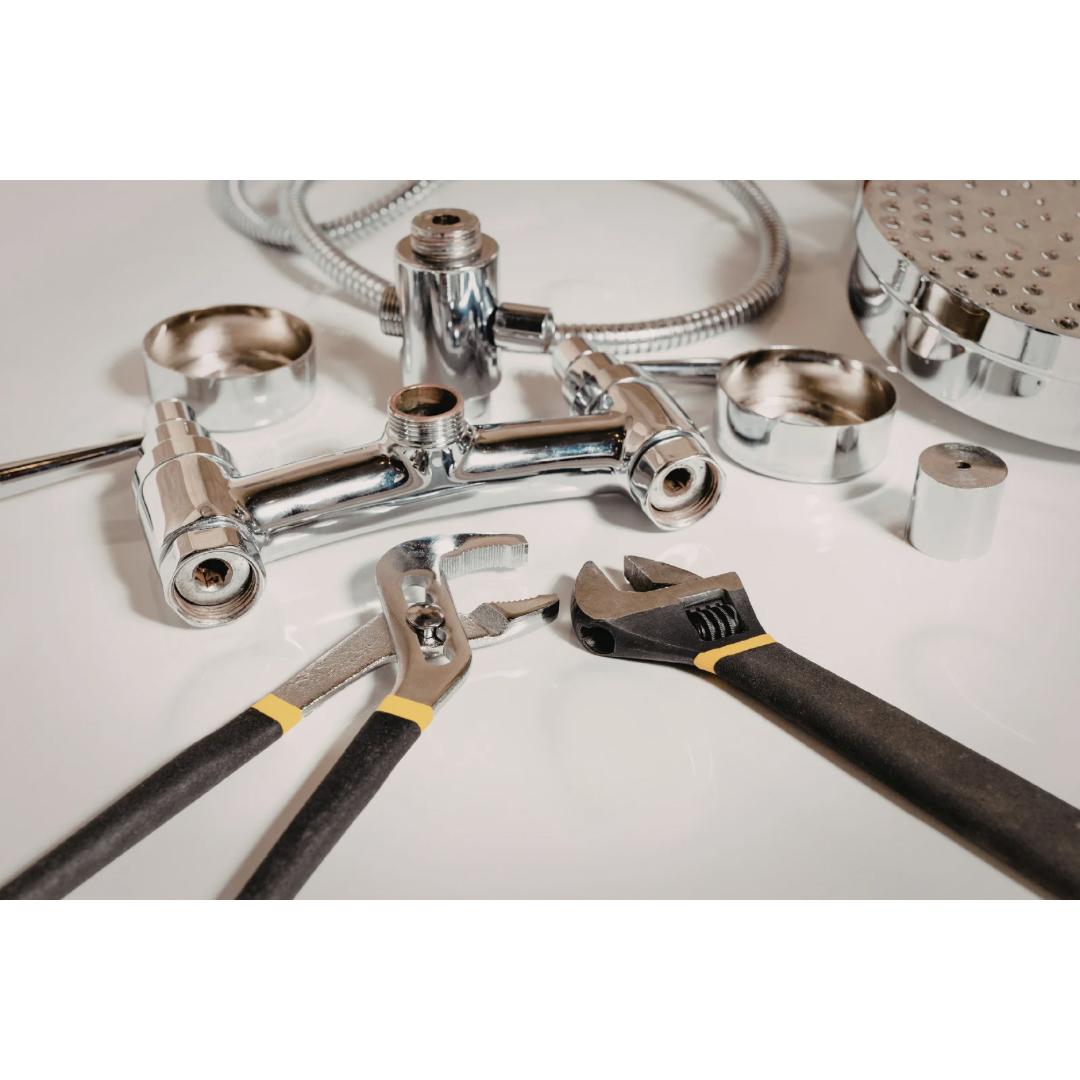
Plumber Mistake #1: Using the Wrong Materials (A Hidden Money Pit)
Wrong plumbing materials are parts or sealants that do not match the pipe type, water temperature, pressure rating, or local code requirements. Wrong plumbing materials often “work” for a short time and fail later as corrosion, vibration, or heat cycles loosen connections.
Why wrong materials cost so much
Galvanic corrosion is an electrochemical reaction that occurs when dissimilar metals contact each other in the presence of water. Copper-to-galvanized connections without a dielectric union commonly corrode and leak, and hidden leaks inside walls can rot framing and damage drywall before any visible stain appears. Non-potable PVC used on drinking-water lines can fail inspection and can create health and liability concerns.
Common wrong-material scenarios Prosper homeowners run into
- PTFE thread tape used where pipe dope is recommended by the fitting manufacturer, or pipe dope used on plastics where a compatible sealant is required
- Flexible supply lines labeled for “cold water only” installed on hot-water connections
- Thin-walled “universal” P-trap kits installed under sinks that crack after a few years of cleaning chemicals and minor bumps
- SharkBite-style push-to-connect fittings installed on scratched or out-of-round pipe ends without proper deburring and depth marking
- CPVC cement used on PVC, or PVC cement used on CPVC, causing weak joints
Signs wrong materials are already causing problems
Water stains under a sink cabinet, green or white mineral buildup on fittings, and recurring drips after “tightening” commonly indicate a mismatch or improper sealing method. Water pressure changes after a repair can indicate a partial blockage from debris or a collapsed supply line.
How to choose the right materials (fast homeowner checklist)
Code-compliant plumbing materials are products marked with standards such as NSF/ANSI 61 for potable water components. UPC or IAPMO markings commonly appear on fittings intended to meet plumbing code requirements.
Match the pipe type before buying parts
Pipe identification starts with material and diameter. Copper pipe commonly uses sweat (soldered) fittings, PEX commonly uses crimp or expansion fittings, and PVC/CPVC commonly uses solvent-weld fittings.
Match the application to the rating
Hot-water lines require temperature-rated components, and water heater connections often require heat-rated connectors. Supply lines commonly list maximum PSI and temperature on the packaging.
Use the correct sealing method for the joint type
Compression fittings seal by pressure at the ferrule, not by thread sealant. NPT threaded joints often use PTFE tape or pipe dope based on manufacturer guidance.
Verify code suitability before closing a wall
Permit inspections often fail on non-potable materials used indoors, improper transitions between metals, or missing supports. A licensed Prosper TX plumber can confirm code-compliant transitions and strapping before drywall goes back up.
Cost factors to expect
Water damage repair costs vary based on location, materials, and how long the leak ran. Homeowners commonly report $1,000–$4,000+ when water reaches drywall, baseboards, cabinets, or flooring, and insurance coverage can be denied when non-code materials caused the loss.
Plumber Mistake #2: Overtightening Connections and Fixtures
Overtightening is applying torque beyond the fitting’s design limit, which crushes washers, strips threads, and cracks plastic or porcelain. Overtightening often creates delayed leaks because damaged washers and hairline cracks can hold temporarily and fail later.
High-risk overtightening locations
- Toilet tank bolts that crack porcelain tanks or bowls
- Faucet supply line connections that deform rubber washers
- Showerhead arms and escutcheons that strip threads in brass or crack plastic adapters
- PVC traps and tubular drain nuts that split under stress
- PEX plastic threaded adapters that crack from over-torque
Signs overtightening already caused damage
Hairline cracks in porcelain, “spiderweb” cracking in plastic nuts, and leaks that worsen after tightening often indicate overtightened components. Stripped threads often show as fittings that spin without tightening.
Safer tightening technique (field-tested rule)
Hand-tight plus a quarter-turn is a common guideline for many compression-style and gasketed connections, but manufacturer instructions should control final torque. Adjustable wrenches commonly slip and round fittings, and a correctly sized wrench reduces damage risk.
Seat the washer or gasket correctly
Washer alignment prevents pinching and uneven compression. Misaligned washers often leak even when overtightened.
Tighten by hand until resistance increases
Hand tightening helps prevent cross-threading. Cross-threading often ruins brass and plastic fittings quickly.
Add a controlled quarter-turn with a wrench
A quarter-turn often seals without crushing washers. Additional turns should happen only after a leak test confirms a minor adjustment is needed.
Leak-test under pressure for 5–10 minutes
A 5–10 minute observation window catches slow seeps. Dry paper towels around joints reveal moisture faster than visual inspection alone.
Cost factors and time expectations
Toilet tank replacement costs vary by model and availability, and replacement sometimes requires a full toilet swap when matching parts are unavailable. A simple “tighten the nut” attempt can turn into a same-day fixture replacement plus water damage cleanup when porcelain cracks release a sudden leak.
Plumber Mistake #3: Skipping Shutoff Valves (or Not Testing Valves)
A shutoff valve is a local control valve that stops water to a single fixture without shutting off the whole home. Missing or seized shutoff valves often turn minor repairs into urgent emergencies.
What happens when shutoff valves are missing or failed
Emergency leaks keep flowing until the main shutoff is found, and main shutoffs can be buried, stuck, or hard to access. Whole-house shutoffs disrupt showers, dishwashers, and laundry during repairs, which increases downtime and stress.
Fixtures that should have dedicated shutoffs
- Toilets (angle stop valve)
- Bathroom and kitchen sinks (hot and cold stops)
- Washing machines (hot and cold valves)
- Refrigerators with ice makers (dedicated supply valve)
- Dishwashers (often fed from the sink shutoff)
Ball valve vs. gate valve (simple reliability comparison)
Ball valves use a quarter-turn handle and often provide more reliable shutoff after long periods of non-use. Gate valves commonly seize with mineral buildup and can fail when forced.
Locate the fixture shutoff and place a towel under the valve
Towels protect cabinets and flooring from small drips. Flashlights improve visibility behind pedestal sinks and vanities.
Turn the valve clockwise to the off position
A functioning valve stops flow quickly. A valve that spins freely or will not turn often needs replacement.
Open the fixture faucet to confirm water stops
A faucet stream that continues indicates a failed valve or cross-connection. A toilet fill that continues indicates a failed stop or internal bypass.
Turn the valve back on slowly and check packing nut leaks
Packing nut leaks show as moisture around the valve stem. Minor packing leaks sometimes stop with a small nut adjustment, but replacement is often the long-term fix.
Cost factors and planning
Shutoff valve replacement costs vary based on pipe type, accessibility, and corrosion. Parts for common shutoff valves often fall around $25–$75, and labor varies by complexity and location.
Plumber Mistake #4: Ignoring Small Leaks Until Water Damage Gets Expensive
A small plumbing leak is any unintended water escape that produces drops, dampness, staining, or musty odor. Small leaks often become large repairs because water follows gravity into cabinets, wall cavities, and subfloors.
The true cost of “just a drip”
Mold remediation commonly ranges from $500–$3,000 depending on containment and severity. Subfloor or flooring replacement can run $2,000+ depending on materials and affected square footage. Water bills often rise noticeably from continuous toilet flapper leaks and pinhole pipe leaks.
High-signal symptoms homeowners should not ignore
- Musty odors under sinks or near baseboards
- Bubbling paint, peeling caulk, or swollen cabinet bottoms
- Water heater pan water, rust streaks, or active dripping at the T&P valve discharge pipe
- Ceiling stains that grow over days or weeks
- Unexplained increases in monthly water usage
Damage-control timeline for an active leak
- First 10 minutes: Water shutoff at the nearest valve or main valve stops additional damage. Buckets and towels reduce spread.
- 10–30 minutes: Standing water removal protects subfloors and limits mold risk. Electrical devices near water should be unplugged when safe.
- First hour: Plumber diagnosis becomes urgent if water continues, if the source is hidden, or if a ceiling is wet. Water intrusion can spread through insulation quickly.
Symptom → likely cause → first response map
- Drip under sink: Loose compression fitting or worn washer → Gentle snugging and washer replacement often helps, but cracked traps need replacement.
- Wet spot on ceiling: Pinhole leak or failed joint above → Water shutoff and professional leak location reduces drywall collapse risk.
- Water heater puddle: Drain valve seep or tank corrosion → Valve tightening sometimes helps, but tank corrosion often requires replacement planning.
How to check for hidden leaks using a water meter
A water meter leak test is a simple diagnostic that checks for continuous flow when all fixtures are off.
Turn off all water-using fixtures and appliances
Ice makers, irrigation systems, and water softeners should pause during the test. Faucet drips should stop completely.
Locate the water meter and observe the leak indicator
Many meters include a small triangle or dial that spins with flow. A moving indicator with all fixtures off suggests a leak.
Wait 10–15 minutes and recheck movement
A 10–15 minute window helps catch slow leaks. A moving indicator confirms ongoing water use somewhere in the system.
Isolate zones using shutoff valves when possible
Fixture shutoff testing narrows the search. A licensed plumber can perform acoustic leak detection or pressure testing when isolation fails.
Homeowners who want deeper drain and sewer diagnostics can compare symptoms with the guide on Sewer Camera Inspection in Prosper, TX: Costs, Process, and Warning Signs (Homeowner Guide).
Plumber Mistake #5: Attempting Major Plumbing Jobs Without Permits or Pros
Unpermitted plumbing work is any plumbing modification completed without required local approvals and inspections. Major plumbing work often includes water heater replacement, gas line changes, shower remodel rough-ins, and drain/vent alterations.
Why permits and licensed work matter in Prosper TX
Gas piping, venting, and combustion air requirements protect against carbon monoxide risk and fire hazards. Drain-waste-vent (DWV) systems require correct slope, venting, and trap protection to prevent sewer gas entry and chronic clogs. Home resale inspections often flag unpermitted work, and insurance claims can become complicated when code violations contribute to a loss.
Projects that commonly require a licensed plumber and permit guidance
- Moving a water heater or converting tank to tankless
- Relocating supply and drain lines for a kitchen or bathroom remodel
- Running new gas piping for ranges, dryers, or outdoor kitchens
- Altering vent stacks, adding bathrooms, or tying into existing sewer lines
- Installing whole-home filtration that changes piping layout
Homeowners planning filtration improvements can benefit from The Homeowner’s Guide to Installing Water Filters in Prosper and Celina, TX.
Typical time and cost drivers for major plumbing work
Access drives labor because opening drywall, tile, or slab areas adds restoration steps. Corrosion and seized fittings slow work because specialty tools and careful extraction prevent pipe damage. Fixture quality influences longevity because low-grade valves and cartridges fail sooner under North Texas water conditions. Code requirements add steps such as strapping, venting changes, pressure testing, and inspection scheduling.
Mini decision tree for DIY vs. professional help
- DIY may be reasonable: Like-for-like faucet or toilet replacement with working shutoffs and no drainage changes
- Licensed plumber recommended: Any work involving gas, water heater venting, drain/vent changes, or pipe relocation
- Immediate professional help recommended: Active leaks in walls/ceilings, visible mold, sewage odors, or suspicious prior DIY work
Homeowners who want a safe, detailed small-project example can review How to Replace Your Showerhead: A Detailed Guide for Prosper and Celina, TX Homeowners.
When to Call a Professional Plumber in Prosper TX
Professional plumber service becomes the safer option when risk, code, or hidden damage enters the picture. Licensed Prosper TX plumbing professionals use pressure testing, leak isolation, and code knowledge to prevent repeat failures.
Call a plumber when any of the following conditions apply:
- Water shutoff valves do not work or cannot be located quickly
- Leaks appear in ceilings, walls, or near electrical outlets
- Water heater issues involve gas smell, venting concerns, or repeated relief valve discharge
- Sewer odors, recurring backups, or multiple slow drains occur at the same time
- Remodel work changes drain locations, venting, or gas piping
- Prior repairs show mixed metals without dielectric unions or non-code materials without markings
Specialty Plumbing is a locally owned, full-service provider serving Prosper and Celina, TX, and Specialty Plumbing technicians focus on code-compliant repairs that protect long-term home value.
Common Questions About Plumber Mistakes and Plumbing Safety
How do homeowners know a main shutoff valve works?
A main shutoff valve test starts by turning the valve fully off and opening a faucet to confirm flow stops. A faucet stream that continues after 30–60 seconds often indicates a failing valve or a plumbing configuration issue. A licensed plumber can replace older gate valves with quarter-turn ball valves for more reliable operation.
What is the fastest way to check for a hidden leak?
A water meter test checks hidden leaks by confirming meter movement when all fixtures are off. A moving leak indicator after 10–15 minutes suggests ongoing flow somewhere in the home. A plumber can isolate zones and use pressure testing or acoustic tools to pinpoint the leak.
Can plumber’s tape be used on every threaded connection?
PTFE tape works on many NPT threaded water connections, but compression fittings seal at the ferrule and usually do not need tape. Gas lines often require yellow gas-rated PTFE tape or approved pipe dope based on local code and manufacturer requirements. Manufacturer instructions should control the sealing method.
What plumbing leaks cause the most expensive damage in North Texas homes?
Hidden supply leaks inside walls and slow cabinet leaks commonly cause the most expensive repairs because moisture spreads unnoticed into drywall and subfloors. Water heater tank leaks can release many gallons quickly and damage flooring in a single event. Sewer backups can add contamination cleanup costs beyond standard water damage restoration.
What maintenance schedule helps prevent plumber emergencies?
Monthly checks should include looking under sinks for moisture and testing visible shutoff valves for smooth operation. Seasonal maintenance should include hose bib checks and winter prep during hard freezes, which North Texas occasionally experiences. A yearly plumbing inspection often catches failing supply lines, water heater issues, and early corrosion before leaks start.
Pro Tips From Licensed Prosper TX Plumbing Professionals
- Pipe support prevents joint stress, and long horizontal runs often need strapping at regular intervals based on pipe type and code.
- Silicone plumber’s grease protects O-rings on cartridges and threaded plastic parts better than petroleum products.
- Toilet paper leak checks reveal slow seeps quickly when wrapped around a dry joint for a few minutes.
- Valve labels speed emergency response, and colored tags on angle stops reduce panic during active leaks.
- Drain sounds can signal venting or blockage issues, and homeowners can compare symptoms with Understanding the Sounds: What’s Going On in Your Plumbing?.
Local Help for Prosper and Celina, TX Homeowners
Specialty Plumbing provides licensed plumbing services for homeowners in Prosper and Celina, TX, with full-service support for leak repair, valve replacement, fixture installation, and code-compliant remodel work. Specialty Plumbing technicians regularly diagnose the exact mistakes described in this guide, including wrong-material installs, overtightened fittings, missing shutoffs, and unpermitted modifications. A local plumber visit often costs far less than repairing cabinets, drywall, flooring, and framing after a hidden leak spreads.
Homeowners who want fewer emergencies year-round can follow a structured checklist in the Year-Round Plumbing Maintenance Guide for Prosper and Celina Homeowners.