How to Handle a Garbage Disposal Malfunction in Prosper, TX: A Homeowner’s Guide
Understanding Your Garbage Disposal: The Basics Homeowners Should Know
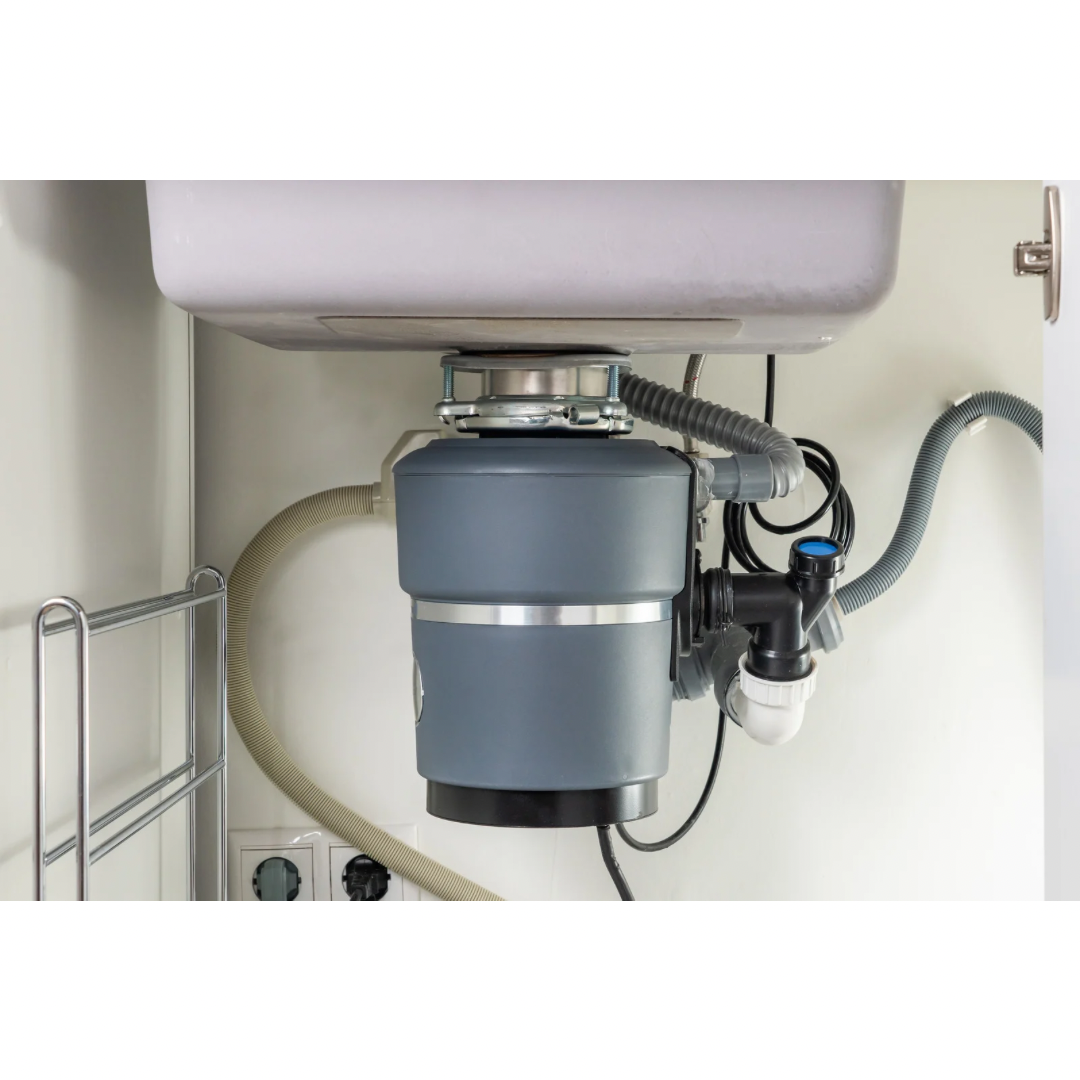
Before you break out the tools, let’s talk basics. Under your sink sits a small but mighty machine: your garbage disposal. It’s designed to grind up food scraps so they can safely flow down your drain, but it’s not invincible. Inside, a motor spins a flywheel and impellers at high speed—think of it as a mini blender that can’t handle bones, stringy veggies, or non-food items. Most disposals found in Prosper homes are ⅓ to ½ horsepower units, usually wired directly or plugged into an outlet beneath the sink.
The most common failure points? Jams from fibrous foods, electrical resets, leaks at connections, and, sometimes, a complete motor burnout. Understanding where things often go wrong will make troubleshooting less intimidating—and help you avoid rookie mistakes.
Troubleshooting: What’s Wrong and What You Can Do
Start by sizing up the situation. Is your unit completely dead, humming but not spinning, making grinding noises, or leaking? Each symptom points toward a different cause and fix.
Let’s decode the most common patterns:
Symptom → Likely Cause → Quick Fix
- Nothing happens when switched on
- → Power issue (tripped breaker, unplugged, blown fuse, or tripped reset)
- → Check outlet, reset button, circuit breaker.
- Humming but not spinning
- → Jammed flywheel or stuck impeller
- → Turn off, try manual reset/unjam with Allen wrench.
- Water leaking under sink
- → Loose connection, bad gasket, cracked body
- → Inspect connections, replace gaskets, tighten fittings, check housing for cracks.
- Grinds poorly or drains slowly
- → Dull blades, buildup, partial clog
- → Clean with ice/citrus, flush with hot water, check for clogs.
Mini Decision Tree: What to Try Next
- If you hear nothing at all, check power and reset button before anything else.
- If you hear a hum, suspect a jam—unplug before attempting to free it.
- If you see water dripping, stop and inspect for source before running again.
- If you see sparks, smoke, or smell burning, stop immediately and call a pro.
It’s worth noting that almost any leak from the disposal’s body itself means replacement, not repair. But leaky fittings or gaskets can often be tightened or swapped out by a handy homeowner.
Key Steps to Diagnose and Tackle Common Disposal Problems
When you’re ready to get hands-on, always start by unplugging the disposal or switching off power at the breaker. Never put your hand inside the disposal unless you’re positive it can’t turn on.
Here’s a core sequence for safe, effective troubleshooting:
- Check Power
- Make sure the unit is plugged in and the breaker hasn’t tripped. Try the reset button (red, usually on the bottom).
- Look for Jams
- If you hear a hum, insert a ¼-inch Allen wrench into the bottom flywheel socket. Turn it back and forth to free a jammed flywheel. Use tongs or pliers to remove any visible obstructions—not your fingers!
- Inspect for Leaks
- Run a small amount of water and check connections:
- Top flange (mounting ring to sink)
- Dishwasher inlet hose
- Discharge drain pipe
- Leaks at the sink flange may need new plumber’s putty or a silicone sealant. For drainpipe leaks, tighten slip nuts and replace any worn rubber gaskets.
- Flush and Test
- After clearing jams and tightening connections, flush with cold water and run the disposal briefly to check function. Listen for abnormal noises and watch for drips.
- Clean or Deodorize
- If odors persist, grind a few ice cubes, then follow with lemon peels and a dash of dish soap. Avoid harsh chemicals—they can damage seals.
Some problems, like failed motors or cracked housings, are warning signs that your disposal is at the end of its life. Most units last 8–12 years, depending on use and water quality in Prosper’s municipal system.
What Does It Cost-and Why Does It Vary?
Garbage disposal repairs and replacements can range from almost nothing—just the cost of a wrench and a little time—to several hundred dollars if professional help or a new disposal is needed. Here’s a rundown of the main drivers:
- Type of Repair: In some cases, resetting a tripped unit or replacing a worn gasket may resolve the issue. However, ongoing problems can indicate a failing unit, where a full replacement may be the more reliable long-term solution. For a standard ½ HP disposal, full unit replacement (parts and labor) can vary, often landing in the few hundred dollar range depending on the unit and installation needs.
- Access & Installation Difficulty: Tight cabinets, corroded fittings, or old plumbing can add time and labor.
- Age & Condition: Rusted mounting rings, brittle drain pipes, or outdated wiring often mean more work.
- Brand & Model: Some premium units (Insinkerator Evolution, for example) cost more but last longer and run quieter.
- Code & Warranty Issues: Homes with outdated wiring or missing GFCI outlets may require electrical upgrades, bumping up costs.
Expect a basic DIY repair to take 15–30 minutes; full replacement could take an hour or more if you’ve never done it before. Pros can swap a unit in about 45 minutes if everything lines up right.
Damage-Control Timeline: What to Do in the First Hour
When a disposal fails, fast action can prevent bigger headaches—especially if there’s an active leak.
First 10 minutes:
- Unplug or switch off the disposal.
- Clear out items from under the sink.
- Place a towel or shallow tray beneath to catch drips.
Next 10-30 minutes:
- Identify the source of any leak (look for pooling around pipes, gaskets, or the unit itself).
- If water is running out rapidly, shut off the water supply lines under the sink.
By the first hour:
- Try a reset or clear a jam if safe.
- If you can’t stop a leak or the unit won’t reset, call a local plumber before water damage spreads.
Quick response limits water damage and mold risk—especially critical on wood cabinetry common in Prosper’s newer homes.
When You Should Call a Pro in Prosper, TX
Sometimes, a job just grows beyond DIY territory—no shame in that. Here’s when to put down the wrench and call a pro:
- Persistent leaks after tightening or resealing connections
- Electrical issues (sparks, smoke, repeated breaker trips)
- The disposal body is cracked or rusted through
- You’re uncomfortable working under the sink or unsure about local code requirements
- Repeated jams that can’t be cleared
A good plumber can spot hidden issues—like slow leaks damaging subflooring or improper dishwasher hookups—that could cost much more if ignored. I once helped a family in Prosper who thought they just needed a new gasket, but found a cracked flange and small cabinet mold problem. Professional help saved them thousands in repairs down the road.
Pro Tips Box
- Always unplug the unit before working under the sink.
- Use a flashlight and small mirror to inspect hard-to-see seals or leaks.
- Silicone sealant often outperforms plumber’s putty for flange leaks on stone or composite sinks.
- Don’t use chemical drain cleaners: they can eat seals and void warranties.
- If your disposal hums but won’t spin, try gently turning the flywheel with an Allen wrench before assuming the worst.
Garbage Disposal FAQ
Q1: Is it safe to use hot water with the disposal?
Hot water is fine for cleaning, but always use cold water when grinding food. Cold water keeps fats solid, so they don’t stick to pipes and cause clogs down the line.
Q2: What foods should I avoid putting in the disposal?
Never put fibrous veggies (like celery), banana peels, potato peels, coffee grounds, egg shells or anything starchy or greasy. These can tangle, clog, or gum up your disposal or pipes.
Q3: My disposal smells bad even after cleaning. What now?
Persistent odors can indicate buildup under the splash guard or deep in the drain. Remove the splash guard (if possible) and scrub with a brush and soapy water. A pro cleaning may be needed if the smell persists.
Local CTA: Specialty Plumbing-Here When You Need Us
If your garbage disposal still isn’t cooperating, or if you’ve uncovered a leak that won’t quit, don’t sweat it. Specialty Plumbing has helped countless homeowners in Prosper and Celina keep their kitchens humming. We understand the quirks of local water quality, the newer under-sink setups in Prosper’s builds, and those stubborn old fittings you sometimes find in Celina’s classic homes. Whether you need fast repairs, a full disposal replacement, or just plain advice, our licensed techs are ready to help—without upselling or scare tactics. Give us a call or book online and let us restore order to your kitchen so you can get back to enjoying your home.