How to Tackle Low Water Pressure Issues in Your Prosper TX Home
Quick Summary: Low Water Pressure-What’s Really Going On?
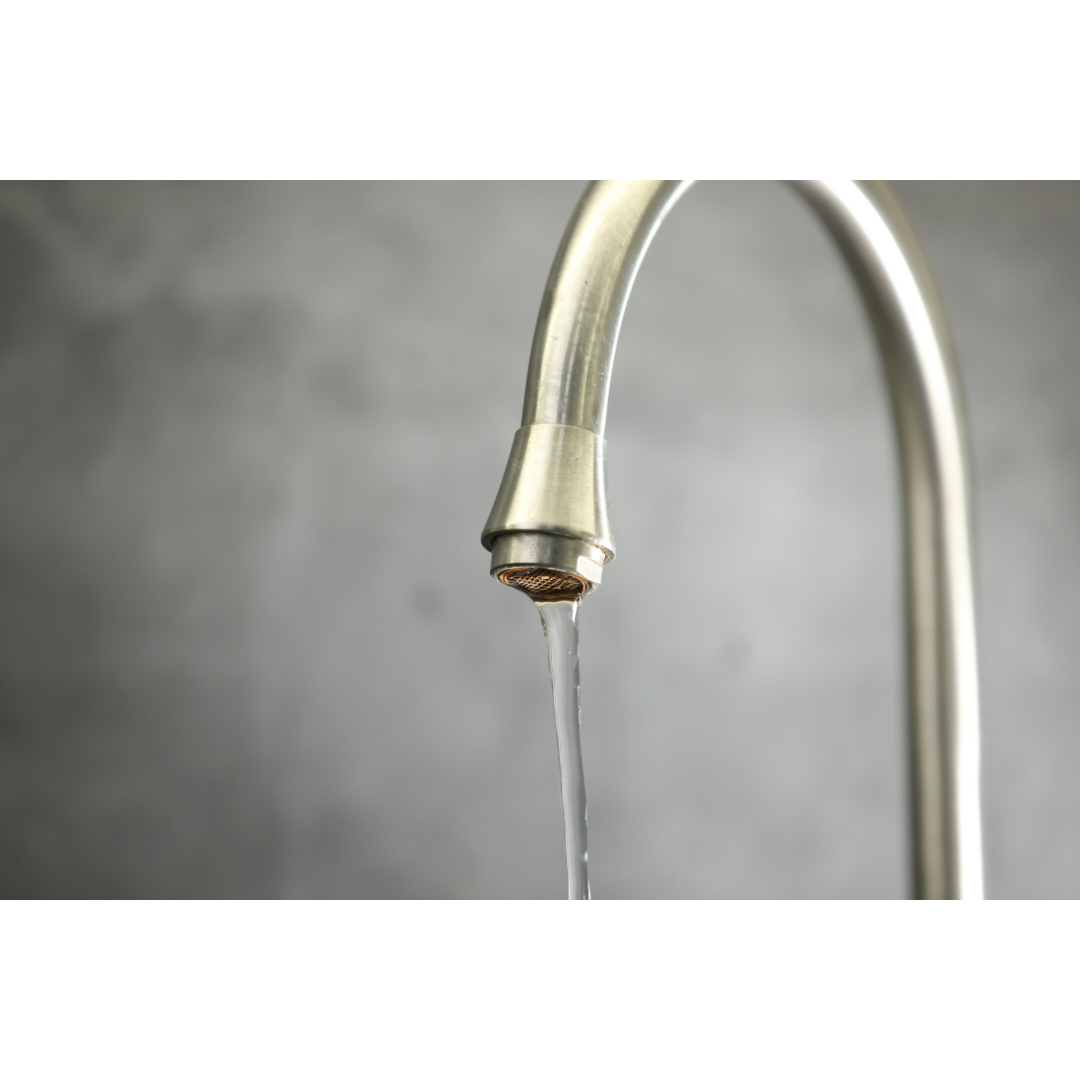
Dealing with low water pressure in your Prosper, TX home can turn everyday tasks—showers, dishwashing, and laundry—into frustrating chores. This guide breaks down the common causes behind pressure drops, how to pinpoint the real issue, and what you can safely troubleshoot on your own versus when it’s time to call a professional. You’ll find a mix of simple checks (like cleaning a showerhead), more involved solutions (such as inspecting or replacing a pressure regulator), and clear guidance on identifying problems that shouldn’t be ignored. By the end, you’ll know how to spot warning signs early, take practical steps to improve performance, and understand when professional help is the best next move. If your efforts don’t resolve the issue, you’ll feel confident knowing when to bring in a local expert familiar with plumbing systems in Prosper, TX.
Why Water Pressure Drops in Prosper, TX Homes
Let’s start with a simple truth: water pressure problems aren’t always dramatic, but they rarely fix themselves. Prosper’s growing neighborhoods and mix of new and older homes mean issues can range from a clogged aerator to a whole-house pressure regulator that’s on the fritz. I’ve been in houses where a single crusty faucet ruined the kitchen, and others where a sneaky slab leak was draining pressure across every room.
Most low-pressure complaints in Prosper boil down to just a handful of root causes:
- Build-up in fixtures or supply lines (think minerals or rust)
- Problems with your pressure regulator valve (PRV)
- Issues at the main shut-off or meter box
- Leaks—visible or lurking where you can’t see
- Municipal supply hiccups (rare, but it happens)
Understanding the “why” is your first step. Jumping straight to replacing parts or blaming the city is a fast track to wasted money. Instead, let’s work through a logical plan to diagnose and address this pesky problem.
Step-by-Step Troubleshooting: Tracking Down the Pressure Problem
The goal here isn’t just to fix the symptom, but to nail down the exact cause. Before you grab a wrench, take a walk through these key checks and observations.
Symptom → Likely Cause → Quick Fix Mini-Map
| Symptom | Likely Cause | Quick Fix |
|---|---|---|
| Whole house feels weak | PRV failure or main clog | Inspect PRV, main shutoff |
| One room (e.g., shower only) | Clogged fixture/aerator | Clean/replace fixture parts |
| Sudden drop, visible leak | Burst pipe or hose | Shut off, check for leaks |
| All cold or all hot is weak | Water heater/valve issue | Inspect heater, mixing valve |
Why These Checks Matter
Checking where the problem occurs—everywhere versus a single tap—immediately narrows your search. If it’s just the shower, you’re probably dealing with mineral buildup right at the fixture. If your whole house’s pressure has dropped, think bigger: the PRV or a main valve may be the culprit.
I’ve seen more than one homeowner spend hours swapping out faucet cartridges, only to find their curbside valve was half-shut after a landscaping project. Always start broad, then zoom in.
The Process
Before you call anyone, here’s a realistic troubleshooting flow:
- Test Multiple Fixtures: Try sinks, showers, and outdoor spigots. Note which have low pressure.
- Remove Aerators/Showerheads: Unscrew and check for grit or mineral buildup.
- Check Main Shutoff & PRV: Locate your main (often in the garage or toward the curb) and pressure regulator (usually near the main). Make sure they’re fully open.
- Look for Leaks: Walk your yard. Check walls, ceilings, and outdoor bibs for wet spots.
- Ask Neighbors: If everyone’s pressure is low, it may be city supply work.
- Pressure Gauge Test: Pick up a gauge ($10–$20 at hardware stores). Screw it onto an outdoor spigot. Normal is 45–80 psi for most Prosper homes.
Taking the time to methodically check these spots sets you up for a targeted, cost-effective fix.
DIY Fixes: What You Can (and Should) Try Yourself
For many homeowners, the low-hanging fruit is cleaning or swapping out a clogged aerator or showerhead. Here’s how to tackle the most common culprits before breaking out the big tools.
Cleaning Aerators and Showerheads
Mineral-rich water is common in North Texas, which means lime and calcium love to build up in fine mesh screens.
Steps:
- Unscrew the aerator or showerhead (use a rag and channel-lock pliers if it’s stuck).
- Soak in white vinegar for 30–60 minutes to dissolve minerals.
- Use an old toothbrush to scrub away remaining debris.
- Rinse, reassemble, and flush with water.
It’s incredible how often this step alone restores good flow. If you see green or reddish flakes, you may have corrosion upstream—something to watch for.
Checking the Pressure Regulator Valve (PRV)
The PRV controls how much water pressure enters your house. Over time, sediment or simple wear can knock it out of calibration.
- Locate your PRV (usually a bell-shaped valve near the main shutoff).
- Use a pressure gauge to check house pressure at an outdoor spigot.
- If the pressure is below 45 psi and cannot be adjusted upward by turning the PRV adjustment bolt (clockwise for more, counterclockwise for less), replacement may be needed.
Replacing a PRV isn’t always a DIY task—especially if yours is old, corroded, or tucked behind a maze of pipes. If you attempt it, you’ll need two pipe wrenches, PTFE tape, and possibly new unions or connectors. If you’re not fully comfortable, this is an ideal call for a pro.
Finding and Fixing Small Leaks
If you do spot a leak, take quick action:
- Shut off water at the main right away.
- For active drips, place a bucket or towel.
- Snap photos if you’ll need to explain to a plumber.
- Don’t attempt major repairs (like soldering copper) unless you’re experienced—water + electricity and DIY solder = a risky mix.
Leaks in Prosper often occur under sinks (loose supply hoses), behind washing machines (old rubber hoses), and in irrigation lines (freeze/thaw damage). If you can tighten a fitting with a basin wrench or swap a hose, go for it. If it’s in a wall or slab, call for backup.
When to Call a Professional: Knowing Your Limits
There comes a point where DIY becomes D-I-Why-Did-I-Try-This? It pays to recognize when a low-pressure issue signals a deeper problem—or a code or safety risk.
Call a Pro If:
- The main line, PRV, or shutoff valve is corroded or stuck
- You see water stains on ceilings or walls (hidden leaks)
- Pressure is low across both cold and hot at all fixtures, and your pressure gauge confirms below-normal psi
- You’re not comfortable with pipe wrenches, unions, or shutting off water at the street
- You suspect a slab leak (warm floor spots, mildew odor, sudden spike in water bill)
Anecdote: In one Prosper home, a family noticed a soft spot and warmth under a bathroom floor. Turns out, a hot water slab leak had been quietly draining pressure for months. DIY repairs in situations like this often lead to more damage—and bigger bills—so always bring in a licensed plumber for anything involving in-slab or in-wall lines.
| Task | Typical Cost Range | Time Estimate |
|---|---|---|
| Clean aerator/showerhead | $0 (DIY) – $15 | 15–45 minutes |
| Replace fixture | $30–$150+ | 1–2 hours |
| PRV adjustment/replacement | $100–$350+ | 1–2 hours (pro install) |
| Leak diagnosis/minor repair | $90–$300+ | 1–3 hours |
| Slab leak repair | $1,000–$5,000+ | 1–3 days |
Pro Tips: What Experienced Plumbers Want You to Know
Little things make a big difference. Here’s what I tell friends and clients:
- Always keep a pressure gauge handy for quick checks.
- Label your main shutoff with a tag or tape—future you will thank you.
- Avoid overtightening fixtures to prevent damaging threads.
- After any fix, run water for a few minutes to flush out debris.
- If you live in an older Prosper home, consider annual checkups—older pipes mean more surprises.
FAQ: Common Questions Answered
Can low water pressure damage my appliances or fixtures?
Absolutely. Dishwashers and washing machines need a certain minimum pressure (usually 20–30 psi) to operate correctly. Long-term low pressure can cause sediment to build up inside appliances and water heaters, shortening their lifespan.
Is it safe to adjust my PRV on my own?
If you’re comfortable using a wrench and know where your PRV is, adjusting it is straightforward. However, if it’s frozen or heavily corroded, forcing the bolt can crack the valve or cause a sudden leak. Stop if you meet resistance—don’t risk a flood.
What if my neighbor’s pressure is fine but mine isn’t?
This almost always points to an issue between your meter and your home—your main valve, PRV, or a leak on your property. Ask your neighbor to test a hose at the same time; if theirs is strong, it’s time to inspect your main line or call a plumber.
Damage-Control Timeline: What To Do If You Find a Sudden Leak
First 10 minutes:
- Shut off the water at your main valve.
- Unplug any electronics near the affected area.
10-30 minutes:
- Mop up excess water to limit damage.
- Move valuables or furniture from the area.
First hour:
- Take photos for insurance.
- Call a plumber if the leak isn’t a simple loose fitting.
Taking quick action can save you thousands in repairs—don’t wait to see if it “just dries out.”
Mini Decision Tree: What Should You Do Next?
- If only one fixture is weak: Clean or replace the aerator/showerhead.
- If all fixtures are weak: Check main shutoff and PRV, inspect for leaks, test pressure.
- If you find active leaks, corrosion, or hidden water: Shut off water and call a pro in Prosper TX.
- Unsure or uncomfortable? Better safe than sorry—professional help saves money in the long run.
Local Help, Honest Advice
Water pressure issues can sneak up on anyone, even in new homes. If you’ve worked through these steps and the mystery remains—or you’re staring at a stubborn valve, suspect a hidden leak, or just want a second opinion—don’t hesitate to reach out for professional help. At Specialty Plumbing, we know Prosper and Celina homes inside and out, from new developments to established neighborhoods. We’re happy to troubleshoot, explain your options, and tackle the tough jobs safely and efficiently. Whether you need a simple fix or a full system check, our team is ready to help restore your home’s water flow and your peace of mind.