Sewer Camera Inspection: What Prosper, TX Homeowners Need to Know
Quick Summary
A sewer camera inspection is one of the fastest ways for Prosper, TX homeowners to confirm what is happening inside a main sewer line without guessing or digging. A sewer line camera inspection uses a waterproof, high-definition camera pushed through a cleanout to locate clogs, grease buildup, tree root intrusion, cracked pipe sections, separated joints, corrosion, and “bellies” (low spots). Sewer camera inspections in Prosper commonly take about 1–2 hours, and pricing typically ranges from $200–$600 depending on access, pipe length, documentation needs, and whether a locator is required.
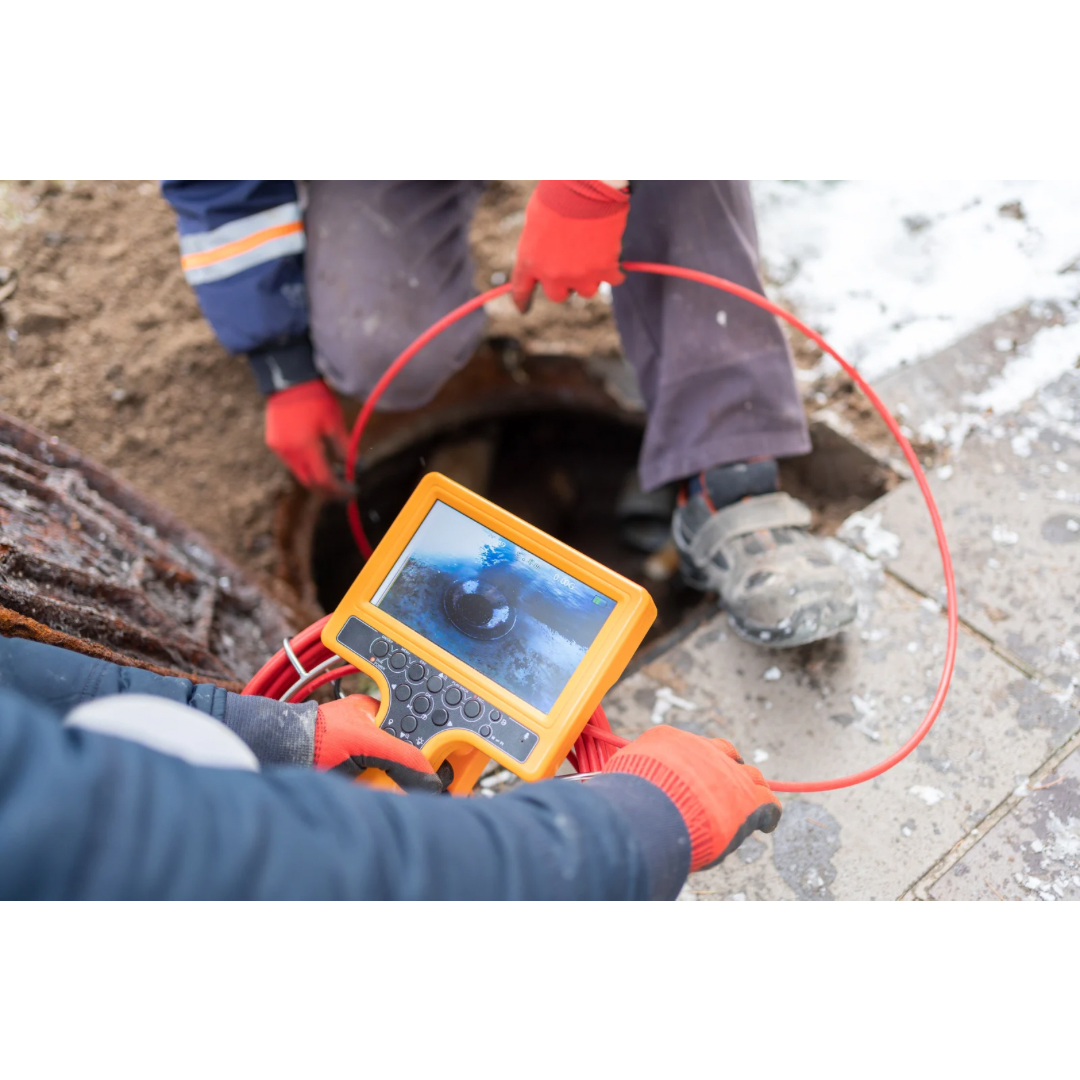
A sewer camera inspection often makes sense after recurring clogs, multiple slow drains, gurgling toilets, sewer odors, or a tub/shower backup after flushing a toilet. A sewer camera inspection also provides strong value during home buying and home selling, especially for homes built pre-2000 or properties with mature trees near the sewer route. Specialty Plumbing, a locally owned, full-service provider with licensed Prosper, TX plumbing professionals, uses professional camera and locating equipment to pinpoint problems and recommend targeted repairs instead of expensive trial-and-error.
Sewer camera inspection basics: definition, purpose, and why homeowners use it
Sewer camera inspection is a non-destructive way to see inside a sewer line
A sewer camera inspection is a diagnostic plumbing service that records live video from inside a home’s sewer piping. A sewer scope inspection typically uses a flexible push-rod camera with integrated LED lighting and a monitor, and many professional systems add a sonde transmitter for above-ground locating.
Sewer camera inspection matters because sewer symptoms often look identical
A main sewer line blockage can mimic a simple toilet clog, and a broken sewer line can mimic a temporary slow drain. A sewer camera inspection reduces guesswork by showing the exact cause, severity, and approximate location of the issue.
Sewer camera inspection helps homeowners avoid unnecessary digging and wrong repairs
A sewer camera inspection often prevents avoidable costs in three common scenarios:
- Avoiding blind snaking when a collapsed pipe section exists
- Avoiding repeated drain cleaner use when a sewer belly keeps catching waste
- Avoiding unnecessary excavation when a targeted spot repair or trenchless option fits the problem
Prosper-area soil conditions can increase risk for pipe movement. Prosper and Celina neighborhoods often include clay-heavy soil and tree-lined lots, and both conditions can contribute to joint separation, root intrusion, and grade changes over time.
Warning signs that a sewer camera inspection is the right next step
Multiple slow drains often point to a mainline restriction
Multiple slow drains in sinks, tubs, and toilets often indicate a partial blockage in the main sewer line rather than a single fixture branch.
Recurring clogs often indicate an underlying structural or buildup problem
Recurring clogs that return within days or weeks often correlate with one of the following camera-visible issues:
- Grease accumulation
- Sludge and scale buildup
- Root intrusion at joints
- Offset joints or separated couplings
- A low spot holding water (belly)
Gurgling sounds can signal trapped air from a partial blockage
Gurgling drains and toilet bubbling can occur when wastewater flow becomes restricted and air gets displaced through nearby fixtures.
Sewer odors can indicate a break, blockage, or venting problem
Persistent sewer smell inside a home or near a yard cleanout can correlate with a compromised line, a dry trap, or a venting issue. A sewer camera inspection can confirm whether the odor source relates to internal pipe conditions.
Sewage backing up into a shower or tub signals a high-priority mainline issue
Sewage backup in a tub or shower after flushing a toilet often indicates a mainline blockage. Mainline backups can create health risks and property damage, and professional help usually becomes the safest option.
Wet spots, sunken areas, or unusually green grass can indicate a leak
Wet patches or lush strips in a yard can appear when wastewater leaks underground and fertilizes turf. A camera inspection combined with locating can help confirm the suspected pipe route and problem area.
Sewer camera inspection process: what happens during a professional visit
Sewer camera inspection uses cleanout access, live video, and locating tools
A professional sewer camera inspection typically follows a consistent workflow. Specialty Plumbing technicians use professional-grade camera heads, lighting, and locating tools designed for common residential line lengths.
Locate and open the sewer cleanout
A sewer cleanout is a capped access point often located in a yard, side yard, garage, or near an exterior wall. A plumber may use an alternate access method, such as removing a toilet, when a cleanout is missing or inaccessible.
Protect the work area and confirm safe conditions
A professional inspection includes basic safety controls such as gloves, eye protection, and containment for any wastewater at the cleanout. A professional plumber also checks for active backups that could require immediate mitigation before pushing a camera.
Feed the camera through the main sewer line
A sewer inspection camera travels through the pipe on a push rod that may reach 100–200 feet depending on the system. A plumber watches the monitor for grease, roots, cracks, offsets, corrosion, and standing water.
Identify the defect type and severity on-screen
A professional plumber classifies findings into categories such as “soft blockage,” “hard blockage,” “root intrusion,” “structural failure,” or “improper grade.” A professional plumber also notes whether the line material appears to be PVC, cast iron, clay tile, or ABS, because pipe material changes repair strategy.
Pinpoint the location with a transmitter and locator
A camera head with a sonde transmitter allows an above-ground locator to identify the problem spot within inches to a few feet, depending on depth and soil conditions. Accurate locating reduces unnecessary digging and supports targeted repairs.
Record video and provide a clear action plan
A professional sewer camera inspection often includes recorded video or still images. A homeowner can use recorded footage for a home purchase negotiation, a second opinion, or documentation for future repairs.
What a sewer camera inspection can reveal (and what a camera cannot confirm)
Sewer camera inspection can reveal visible pipe and flow problems
A sewer camera inspection commonly identifies the following issues:
- Grease, sludge, and scale narrowing the pipe diameter
- Foreign objects lodged in the line
- Tree roots entering at joints or cracks
- Cracked pipe walls and fractures
- Separated joints and offsets that snag paper and waste
- Corrosion and tuberculation in older cast iron
- Standing water consistent with a belly or improper slope
- Previous repair transitions such as clay-to-PVC connections
Sewer camera inspection has limitations that sometimes require additional testing
A camera inspection cannot always prove every problem. A homeowner may need additional diagnostics in specific cases:
- Small leaks outside the pipe wall can remain hidden when debris blocks the view.
- Intermittent leaks sometimes require dye testing, pressure testing, or a water test.
- Septic system tank health requires separate evaluation beyond the sewer lateral line.
A sewer camera inspection still provides the most direct “eyes inside the pipe” evidence for most residential sewer decisions.
DIY sewer camera inspection vs. professional sewer scope in Prosper, TX
DIY sewer camera inspection can work for simple, low-risk checks
A DIY sewer camera rental sometimes makes sense when a homeowner has a visible cleanout and needs a basic look. Rental costs often land around $80–$100 per day in many areas, but rental pricing varies by store and camera capability.
DIY sewer camera inspection fits best under the following conditions:
- A homeowner has easy cleanout access and no active sewage overflow
- A homeowner expects a minor, first-time slow drain
- A homeowner accepts the risk of incomplete findings due to limited camera resolution or no locator
Professional sewer camera inspection reduces risk and increases accuracy
A professional sewer camera inspection becomes the better choice when symptoms suggest a mainline issue or when documentation matters.
Professional sewer camera inspection fits best under the following conditions:
- Multiple fixtures show slow drainage or backup
- Recurring clogs return after snaking
- Root intrusion seems likely due to mature landscaping
- A cleanout is buried, blocked, or missing
- A homeowner needs recorded video for real estate or insurance documentation
- A homeowner wants a repair plan that accounts for pipe type and code considerations
Specialty Plumbing provides sewer camera inspection services using professional locating equipment and experienced interpretation. Licensed Prosper, TX plumbing professionals can distinguish between a minor joint offset and a structural failure that requires repair.
Sewer camera inspection cost in Prosper, TX: typical ranges and what drives pricing
Sewer camera inspection pricing commonly ranges from $200-$600
Sewer camera inspection pricing in Prosper, TX typically ranges from $200–$350 for a basic mainline inspection and commonly ranges from $350–$600 for more complex properties, multiple access points, or expanded reporting. Many professionals charge additional fees for difficult access, extended line length, or specialty documentation, and add-ons often vary by provider.
Sewer camera inspection cost factors homeowners can control (and factors homeowners cannot control)
Sewer camera inspection pricing varies based on several practical job factors:
- Cleanout accessibility: A buried cleanout or missing cleanout can increase labor time.
- Access method: Toilet removal can add time compared with exterior cleanout access.
- Line length: Longer runs and larger lots can require longer push rods and more time.
- Blockage severity: Heavy roots or a hard blockage can prevent full traversal.
- Locator requirement: A locating transmitter and wand improves repair precision.
- Documentation: Video files, written summaries, and real-estate style reports can add time.
Sewer camera inspection cost vs. repair cost: why inspection value stays high
A sewer camera inspection often prevents unnecessary excavation, and excavation costs frequently exceed diagnostic costs by a wide margin. A targeted repair plan also reduces repeat service calls caused by treating symptoms instead of the root cause.
Sewer camera inspection time expectations: immediate, daily, and long-term planning
Sewer camera inspection usually takes 1-2 hours on-site
A standard sewer camera inspection often takes about 60–120 minutes. Complex access, multiple lines, or heavy blockage can extend the visit.
Same-day decisions often follow a sewer camera inspection
A sewer camera inspection often enables same-day next steps such as:
- Scheduling drain cleaning or hydro jetting
- Quoting a spot repair for a localized break
- Planning trenchless sewer repair options when appropriate
- Coordinating a re-inspection after cleaning to confirm results
Weekly and monthly planning helps prevent repeat sewer problems
A homeowner with recurring buildup can prevent repeat issues with a maintenance plan. A plumber may recommend periodic drain cleaning intervals based on findings, usage, and tree root pressure.
Long-term planning includes inspection timing around life events
A sewer camera inspection provides strong value at predictable milestones:
- Before buying a home, especially for older construction or unknown pipe materials
- Before selling a home, when documentation can reduce buyer uncertainty
- After major landscaping, when heavy equipment can shift soil
- Every 3–5 years for properties with mature trees near the sewer route, depending on history and risk
Symptom guide: troubleshooting sewer line problems at a glance
| Symptom | Likely Cause | Quick Fix / Next Step |
|---|---|---|
| One slow drain | Local clog in trap or branch line | Plunge or snake the affected drain |
| Multiple slow drains | Main line partial blockage | Schedule a sewer camera inspection |
| Gurgling toilet | Blocked vent or main line restriction | Check venting; schedule mainline inspection if venting looks clear |
| Sewage backup in tub/shower | Full main line blockage | Stop water use; call a professional plumber |
| Smelly patch in yard | Broken underground pipe or leaking joint | Mark the area; schedule camera inspection with locating |
| Recurring clogs | Buildup, roots, pipe belly, or offset joint | Camera inspection to identify the underlying cause |
Mini decision tree: when to wait, when to inspect, and when to stop using water
- One slow drain with no other symptoms often supports a basic DIY plunge or branch-line snake attempt.
- Multiple slow drains or recurring clogs usually justify scheduling a sewer camera inspection.
- Sewage backing up into a tub or shower requires stopping water use and calling a professional quickly.
- Home purchases involving older homes or large trees near the sewer route often justify a pre-purchase sewer scope inspection.
Damage-control timeline for active sewer backups or suspected leaks
First 10 minutes: stop adding water and protect people
Home safety improves when water use stops immediately. Kids and pets should stay away from contaminated areas, and a homeowner should avoid contact with sewage.
10-30 minutes: reduce pressure and document conditions
Cleanout access can sometimes relieve pressure when the cleanout is outdoors and safe to open. Photos and videos help insurance documentation and help a plumber understand severity.
First hour: call a licensed plumber and avoid chemical drain cleaners
Chemical drain cleaners can create hazardous fumes and can complicate professional clearing. A licensed plumber can determine whether a camera inspection, cable machine, hydro jetting, or repair becomes necessary.
Pro tips from licensed plumbers working in Prosper and Celina neighborhoods
- Cleanout access stays easier when landscaping avoids burying the cap under mulch, rock, or shrubs.
- A camera system with a locator produces more accurate dig points than a camera without a transmitter.
- A camera push rod should never be forced past resistance, especially in older cast iron or clay lines.
- Video documentation helps future plumbers compare changes over time and confirm repair success.
- Pre-purchase inspections reduce surprise repairs after closing, even for “newer” homes.
Homeowners who want broader prevention habits can pair sewer awareness with a seasonal checklist such as a Year-Round Plumbing Maintenance Guide for Prosper and Celina Homeowners.
When to call a professional plumber for sewer camera inspection in Prosper, TX
Professional sewer camera inspection becomes the safest and most cost-effective next step under clear conditions.
- A mainline backup, sewage overflow, or repeated toilet bubbling requires professional help due to contamination and damage risk.
- Multiple affected fixtures usually indicate a main sewer line problem rather than a single drain clog.
- A missing cleanout or a cleanout under concrete often requires professional access planning.
- A suspected collapsed line, belly, or root intrusion requires professional interpretation and repair planning.
- A real estate transaction often benefits from professional documentation and an experienced assessment.
Specialty Plumbing serves Prosper and Celina, TX with licensed plumbing professionals and full-service sewer solutions. Specialty Plumbing can combine camera inspection findings with options such as drain cleaning, hydro jetting, spot repair, or coordinated trenchless recommendations when conditions allow.
Homeowners hearing unusual drain noises can also benefit from context in Understanding the Sounds: What’s Going On in Your Plumbing?. Homeowners dealing with kitchen backups can compare symptoms with branch-line clogs in a guide such as DIY Guide to Unclogging Your Kitchen Sink Like a Pro in Prosper, TX.
Common Questions About Sewer Camera Inspections
How often should a sewer camera inspection be done for a typical home?
A sewer camera inspection often makes sense every 3–5 years for homes with mature trees near the sewer route or a history of clogs. A symptom-based sewer camera inspection becomes the best approach for newer homes with no warning signs.
Does homeowners insurance cover sewer camera inspection or sewer line repairs?
Homeowners insurance often excludes routine maintenance and gradual damage such as root intrusion or corrosion. Some policies or riders can cover sudden breaks or sewer line failures, so policy language and endorsements should guide coverage expectations.
Can a sewer camera inspection damage a sewer line?
A sewer camera inspection performed correctly is generally low-risk because the camera head is designed for pipe interiors. Pipe damage risk increases when a camera gets forced through a hard blockage or when old, brittle pipe materials already have structural failure.
What should a homeowner do before the plumber arrives for a sewer camera inspection?
A homeowner can clear access to the cleanout area and keep pets away from the work zone. A homeowner can also avoid running water for 30–60 minutes before arrival when backups are active, because reduced flow can improve inspection conditions.
What happens after a sewer camera inspection finds roots or heavy buildup?
Root intrusion and heavy buildup often require professional drain cleaning, hydro jetting, or mechanical cutting before a follow-up camera pass confirms full pipe condition. A repair recommendation depends on whether roots entered through a crack, a separated joint, or a deteriorated pipe section.
Next steps for Prosper, TX homeowners considering a sewer camera inspection
A sewer camera inspection provides clear evidence for the most common sewer problems without tearing up landscaping. Specialty Plumbing helps Prosper and Celina homeowners understand camera findings, prioritize repairs, and avoid repeat backups with a practical plan based on real pipe conditions.
A professional consultation becomes especially valuable when recurring symptoms suggest a mainline issue rather than a single clogged drain. A licensed plumber can also explain repair options in plain language and provide documentation that supports long-term maintenance and real estate decisions.