Texas Freeze 2026: How to Protect Your Pipes and What to Do If They Burst
Texas homes lose an average of $15,000-$50,000 in water damage when pipes burst during a hard freeze—and the 2021 Winter Storm Uri caused over $18 billion in insured losses statewide. Pipes burst when water inside them freezes, expands by 9%, and creates pressure exceeding 2,000 PSI against pipe walls. North Texas homes face elevated risk because building codes historically didn't require the same insulation levels as northern states. This guide covers immediate steps if you suspect frozen pipes right now, emergency response if a pipe bursts, and preventive measures for the next Texas freeze. Prosper, Celina, and Frisco homeowners can reach Specialty Plumbing for emergency frozen pipe service.
Why Texas Homes Are Especially Vulnerable to Frozen Pipes
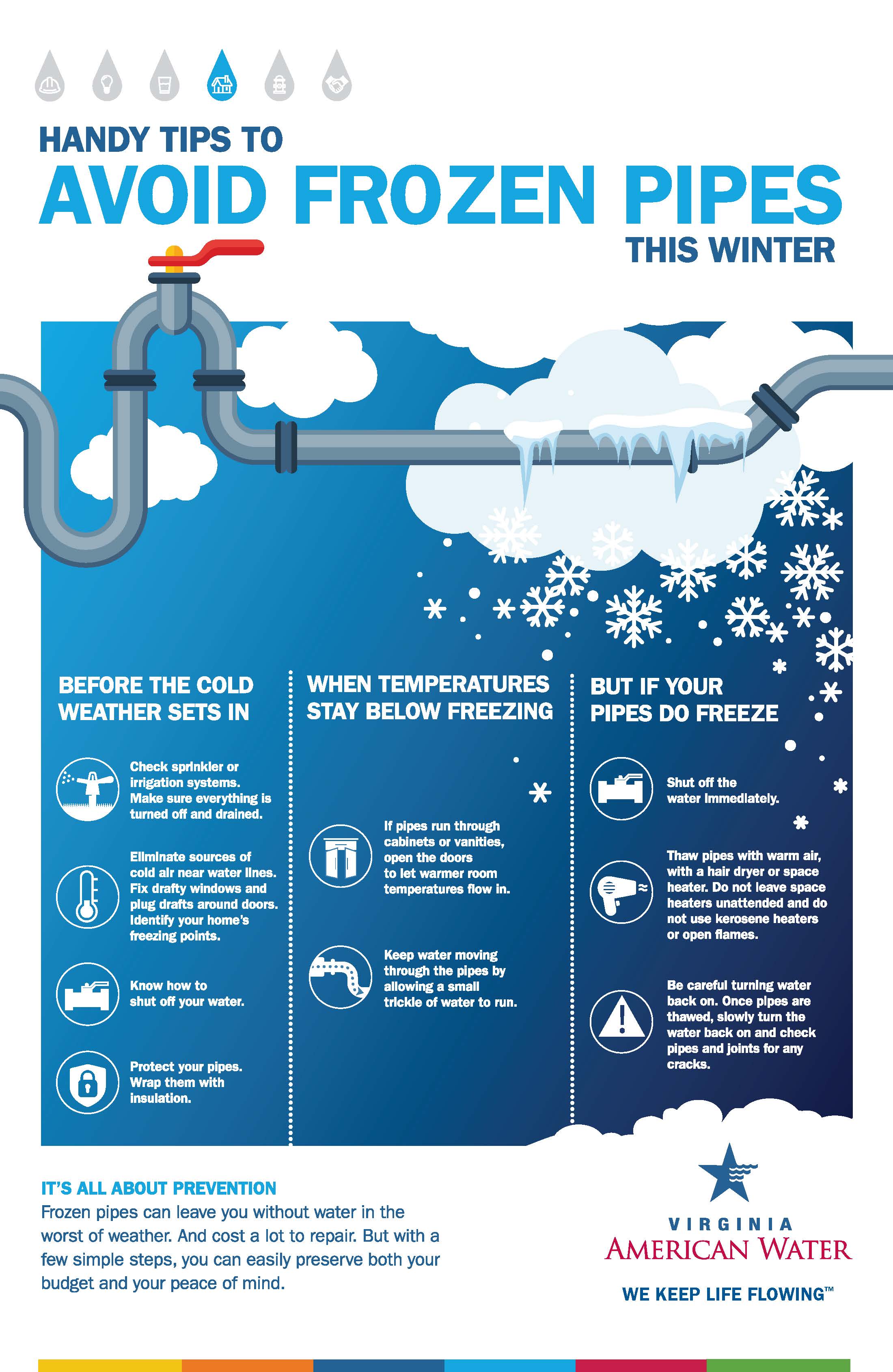
Texas building codes developed for hot climates, not arctic blasts. Homes built before 2000 often have water supply lines routed through uninsulated attics, exterior walls, and attached garages—locations that drop below freezing within hours when temperatures plummet. Pier-and-beam foundations common in North Texas expose pipes to freezing air underneath the house. Even newer homes may have outdoor hose bibs, irrigation system backflow preventers, and water heater supply lines in vulnerable locations.
Pipe material affects freeze vulnerability significantly:
- Copper pipes: Rigid material with no flexibility to absorb expansion. Copper pipes burst at the weakest point—often at joints, elbows, or areas with existing corrosion. Copper is common in homes built before 1990.
- Galvanized steel pipes: Even more rigid than copper and prone to internal corrosion that creates weak spots. Galvanized steel fails catastrophically when frozen. Common in homes built before 1970.
- PEX tubing: Flexible plastic that can expand slightly before bursting. PEX tubing tolerates brief freezing better than metal pipes but will still burst under sustained freeze conditions. PEX is standard in homes built after 2000.
- CPVC pipes: Rigid plastic that becomes brittle in cold temperatures. CPVC pipes may crack or shatter rather than bulge and burst. Common in homes built 1980-2000.
Water pipes freeze when the temperature inside the pipe area drops below 32°F for more than 4-6 hours. Pipes begin bursting when outdoor temperatures stay below 20°F for extended periods—the threshold most Texas homes weren't designed to handle.
Signs Your Pipes Are Frozen (Before They Burst)
Frozen pipes give warning signs before bursting. Recognizing these signs creates a window of 30 minutes to several hours to take action before catastrophic failure. Check for these indicators during any freeze event:
- Reduced water flow or no water at all: Turn on faucets throughout the house. Reduced pressure at one fixture while others flow normally indicates a frozen section in that supply line. No water anywhere suggests the main supply line or meter connection is frozen.
- Frost visible on exposed pipes: Check pipes in the garage, under sinks against exterior walls, in the attic, and near outdoor faucets. Visible frost on pipe surfaces confirms temperatures have dropped below freezing in that area.
- Strange odors from drains: Frozen pipes can cause sewer gases to back up through drains if the vent stack on the roof is blocked by ice. Unusual smells from sinks or floor drains during a freeze warrant investigation.
- Bulging or distorted pipe sections: Pipes under freeze pressure may bulge visibly before rupturing. Inspect exposed pipes for any areas that look swollen, warped, or discolored. A bulging pipe requires immediate professional attention.
- Unusual sounds in walls: Creaking, banging, or cracking sounds from inside walls during a freeze may indicate pipes under stress. Ice formation inside pipes creates audible expansion noises.
Frozen pipes don't always burst immediately. Ice blockage may hold for hours or even days, then rupture suddenly when temperatures rise and ice shifts. The most dangerous period is often during the thaw—not the freeze itself.
What to Do RIGHT NOW If You Suspect Frozen Pipes
If you discover frozen pipes that haven't yet burst, immediate action can prevent rupture. Follow these steps in order:
- Step 1: Keep the faucet open: Open the faucet served by the frozen pipe. Running water—even a trickle—helps melt ice and relieves pressure building in the pipe. Leave the faucet open throughout the thawing process.
- Step 2: Locate the frozen section: Feel along exposed pipes for areas that are extremely cold, frosted, or bulging. Frozen sections typically occur nearest to exterior walls, in unheated spaces, or where cold air infiltrates through gaps.
- Step 3: Apply gentle heat to the frozen area: Use a hair dryer, heat lamp, electric heating pad wrapped around the pipe, or towels soaked in hot water. Start heating from the faucet end and work toward the frozen section—this allows melting water to escape through the open faucet. Never use an open flame, propane torch, or kerosene heater—these create fire hazards and can cause pipes to burst from uneven heating.
- Step 4: Check other faucets throughout the house: If one pipe is frozen, others may be as well. Test all faucets, including bathtubs, showers, and outdoor hose bibs. Multiple frozen pipes indicate whole-house vulnerability requiring additional protection measures.
- Step 5: Monitor for leaks as pipes thaw: Small cracks may not leak while frozen but will spray water once ice melts. Stay near the pipes during thawing and know your main shutoff valve location. If water begins spraying, immediately shut off the main water supply.
Thawing a frozen pipe takes 30-60 minutes with direct heat application. If the frozen section is inside a wall or otherwise inaccessible, call a plumber—attempting to heat pipes through drywall is ineffective and may cause additional damage.
Emergency Response: What to Do If a Pipe Bursts
A burst pipe can release 4-8 gallons of water per minute into your home. Every minute of delay increases water damage exponentially. Follow this emergency sequence immediately:
- Shut off the main water supply immediately: Locate your main shutoff valve—typically near the water meter at the street, in the garage, or where the main line enters the house. Turn the valve clockwise until it stops. Shutting off water quickly can mean the difference between minor cleanup and catastrophic damage. Every household member should know the shutoff location before an emergency occurs.
- Open all faucets to drain remaining water: After shutting off the main supply, open every faucet in the house including outdoor hose bibs. Draining residual water from the pipes relieves pressure and removes water that could continue leaking from the rupture point. Flush toilets to empty tanks and bowls.
- Turn off electricity to affected areas: If water is spreading toward electrical outlets, appliances, or your breaker panel, shut off electricity at the main breaker. Water and electricity create lethal electrocution hazards. Don't touch electrical equipment while standing in water.
- Document damage for insurance claims: Take photos and video of all water damage before beginning cleanup. Document the burst pipe location, water spread patterns, and damaged belongings. Insurance adjusters require visual evidence for claims processing.
- Call a licensed emergency plumber: Burst pipe repair requires professional assessment and repair. Specialty Plumbing provides emergency service throughout Prosper, Celina, Frisco, and surrounding North Texas communities—contact us online or call to report your emergency.
Begin water extraction immediately after documenting damage. Use wet vacuums, mops, and towels to remove standing water. Position fans to circulate air and prevent mold growth, which can begin within 24-48 hours in wet conditions. Professional water damage restoration may be necessary for extensive flooding.
When to Call a Plumber vs. DIY During a Freeze
Some frozen pipe situations are safe for homeowner response; others require professional intervention. Use this decision framework:
- DIY appropriate: Exposed frozen pipe that hasn't burst: If you can see and access the frozen section, have a heat source available, and the pipe shows no bulging or cracks, gentle thawing is a reasonable DIY task. Monitor closely and be ready to shut off water if the pipe ruptures during thawing.
- Call a plumber: Frozen pipe inside a wall or ceiling: Thawing hidden pipes requires specialized equipment and risks causing the pipe to burst inside the wall cavity where water damage is invisible until severe. Plumbers can locate frozen sections with thermal cameras and apply controlled heat.
- Call a plumber: Bulging, cracked, or leaking pipes: Visible damage means the pipe will fail—it's only a question of when. A plumber can replace the damaged section before catastrophic rupture.
- Call a plumber: Main line or meter frozen: Frozen main lines require coordination with the water utility and specialized thawing equipment. DIY attempts on main lines risk damaging the meter or utility connection.
- Call a plumber: No water to entire house: Complete water loss indicates a major freeze affecting the main supply. Professional diagnosis identifies whether the freeze is on your property (your responsibility) or in the utility connection (their responsibility).
- Call a plumber: Any pipe burst, regardless of size: Even small burst pipes require professional repair. Temporary patches fail, and improperly repaired pipes burst again at the same location during the next freeze.
Post-Freeze Inspection Checklist
After temperatures rise above freezing, inspect your entire plumbing system for damage that may not be immediately visible. Hidden leaks from freeze damage can cause mold, structural damage, and ongoing water waste if undetected.
- Check under every sink: Look for drips, moisture, or water stains on cabinet floors. Feel supply lines and drain connections for dampness. Even small leaks indicate freeze damage requiring repair.
- Inspect exposed pipes in attic, garage, and crawl space: Look for cracks, bulges, frost damage, or active drips. Damaged pipes may not leak until water pressure returns and ice fully melts.
- Test all fixtures throughout the house: Run each faucet, shower, and outdoor hose bib individually. Reduced flow, discolored water, or unusual sounds indicate potential damage in that line.
- Check the water heater and supply lines: Inspect connections at the top of the water heater tank. Freeze damage to supply lines is common because water heaters are often located in garages or utility closets.
- Examine outdoor irrigation systems: Backflow preventers, above-ground pipes, and sprinkler heads are highly vulnerable to freeze damage. Test the system before spring irrigation season begins.
- Monitor the water meter for hidden leaks: Turn off all water-using appliances, then check if the meter dial continues moving. Meter movement with everything off indicates a leak somewhere in the system.
- Watch for water stains on ceilings and walls over the following weeks: Slow leaks from cracked pipes inside walls may not become visible until significant water accumulates. New stains appearing after a freeze warrant immediate investigation.
Preparing Your Home for the Next Texas Freeze
Texas freezes are becoming more frequent—the 2021 and 2023 events weren't anomalies but part of a changing weather pattern. Investing in freeze protection now prevents emergency repairs later. Preventive measures cost far less than burst pipe damage and water restoration.
- Insulate exposed pipes in vulnerable areas: Foam pipe insulation sleeves are available at any hardware store for a few dollars per 6-foot section. Focus on pipes in attics, garages, crawl spaces, and against exterior walls. Installation takes 2-3 hours for a typical home and requires no special tools—sleeves are pre-slit to wrap around pipes.
- Install frost-free hose bibs: Standard outdoor faucets freeze easily because the valve is at the exterior wall. Frost-free hose bibs place the valve 6-12 inches inside the heated envelope of the house. A licensed plumber can assess your outdoor faucets and recommend appropriate replacements.
- Locate and label your main shutoff valve: Every household member should know where the main water shutoff is and how to operate it. Test the valve annually—shutoffs that haven't been turned in years may seize or fail to close completely. Label the valve clearly.
- Seal air leaks around pipes: Cold air infiltration through gaps around pipes accelerates freezing. Use caulk, spray foam, or weatherstripping to seal openings where pipes penetrate exterior walls, floors, and ceilings.
- Disconnect and drain garden hoses before freezes: Water trapped in hoses can freeze back into the hose bib and supply line. Disconnect hoses, drain them, and store indoors. Shut off the indoor valve serving outdoor faucets if your system has one.
- Know the drip faucet technique: When temperatures drop below 28°F, open faucets to a slow drip—both hot and cold lines. Moving water resists freezing. Focus on faucets served by pipes in exterior walls or unheated spaces. The cost of extra water during a freeze event is trivial compared to burst pipe repair.
- Keep the thermostat at 55°F minimum when away: Never turn off heat completely during winter travel. A 55°F interior temperature prevents most pipe freezing even during brief cold snaps. Open cabinet doors under sinks to allow warm air circulation around pipes.
- Consider pipe heating cables for high-risk areas: Electric heat cables wrap around pipes and maintain above-freezing temperatures automatically. Heat cables are available at hardware stores and use minimal electricity. Ideal for pipes that freeze repeatedly despite insulation.
Frequently Asked Questions About Frozen Pipes in Texas
- At what temperature do pipes freeze in Texas homes? Pipes begin freezing when the air temperature around them drops below 32°F for 4-6 hours. In uninsulated Texas attics and garages, pipe area temperatures can drop below freezing when outdoor temperatures reach 28°F or lower. Pipes typically burst when outdoor temperatures stay below 20°F for extended periods—conditions that overwhelm the minimal insulation in most Texas homes.
- What factors affect burst pipe repair costs? Burst pipe repair costs depend on pipe location (accessible vs. inside walls requiring drywall removal), extent of damage, pipe material, and whether emergency service is required. If water damage occurred before shutoff, professional water damage restoration adds significant cost depending on the extent of flooding. Insurance may cover burst pipe damage minus your deductible, but policies vary—review yours before an emergency. Specialty Plumbing provides upfront pricing before beginning any repair work.
- Should I let faucets drip during a freeze? Yes—dripping faucets during freezes below 28°F significantly reduces burst risk. Moving water requires colder temperatures to freeze than standing water. Drip both hot and cold lines at faucets served by pipes in exterior walls or unheated areas. A pencil-lead-thin stream is sufficient; full flow isn't necessary and wastes water.
- Can pipes freeze if the heat is on? Pipes can freeze even with the heat running if they're located outside the heated envelope—in uninsulated attics, exterior wall cavities, garages, or crawl spaces. Interior heating doesn't reach these areas effectively. Pipes freezing despite running heat indicates those pipes need additional insulation or relocation.
- How long does it take for pipes to freeze? Pipes can freeze within 4-6 hours when surrounding air temperatures drop below 32°F. In extreme cold (below 20°F) with wind chill, exposed pipes may freeze in 2-3 hours or less. Pipes freeze faster when water isn't flowing—overnight and during work hours when water usage is minimal are highest-risk periods.
- Will frozen pipes always burst? Not all frozen pipes burst, but all frozen pipes are at risk. Pipes may survive brief freezing if ice doesn't completely block the line and pressure has somewhere to escape. However, relying on luck is unwise—any frozen pipe should be thawed promptly using safe methods. Pipes that survive one freeze may have weakened and will fail in the next event.
Why Prosper Homeowners Trust Specialty Plumbing for Freeze Emergencies
Specialty Plumbing has served North Texas homeowners since 2015, including emergency response during the 2021 Winter Storm Uri and subsequent freeze events. Our plumbers are licensed by the Texas State Board of Plumbing Examiners and trained specifically in freeze damage assessment, emergency repair, and preventive winterization. We maintain fully-stocked service vehicles with pipe repair materials, thermal imaging cameras for locating frozen sections inside walls, and professional-grade thawing equipment.
Our technicians explain every finding in plain language and provide upfront pricing before beginning any repair work. We understand that freeze emergencies are stressful, and we're committed to restoring your water service quickly and professionally.
Find a Plumber Near You for Freeze Emergencies
Searching for an emergency plumber during a Texas freeze? Specialty Plumbing is located in Prosper, Texas, near the intersection of US-380 and Preston Road—in the heart of the fast-growing Collin and Denton county communities. Our central location means we serve neighborhoods throughout North Texas.
We provide emergency frozen pipe and burst pipe service to homeowners in these communities:
- Prosper: Windsong Ranch, Whitley Place, Star Trail, Artesia, Lakes of Prosper, Gentle Creek, Rhea Mills, Brookhollow
- Celina: Light Farms, Mustang Lakes, Carter Ranch, Heritage, Cambridge Crossing
- Frisco: Phillips Creek Ranch, Newman Village, Starwood, Lawler Park, Plantation Resort
- McKinney: Stonebridge Ranch, Craig Ranch, Trinity Falls, Erwin Farms
- Additional service areas: Allen, Plano, Little Elm, Aubrey, The Colony, Fairview, Lucas, and surrounding communities
Contact Specialty Plumbing for Freeze Emergencies or Winterization
Texas freezes aren't rare events anymore—they're part of the new normal requiring year-round preparation. Whether you need emergency response for a burst pipe right now, thawing assistance for frozen pipes before they rupture, or preventive winterization before the next cold front, Specialty Plumbing is ready to help.
Contact Specialty Plumbing online or call us to discuss your situation. For emergencies, let us know the nature of the problem—active flooding, frozen pipes, or no water—so we can prioritize appropriately. For winterization and preventive services, we'll schedule a convenient time to assess your home's vulnerabilities and recommend protection measures before the next Texas freeze arrives.