Troubleshooting Common Toilet Problems in Prosper and Celina Homes
Understanding Your Toilet: Why Problems Start
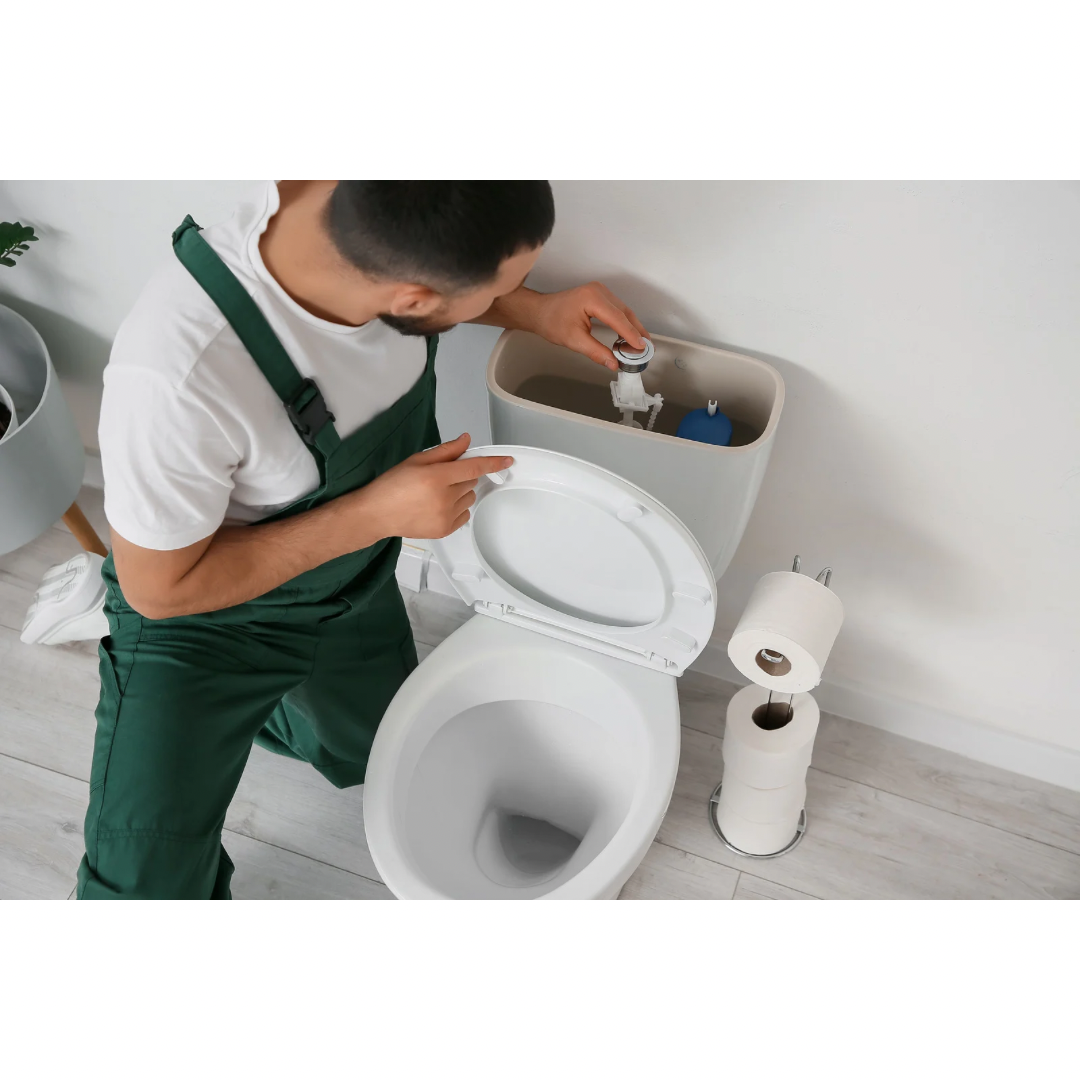
Before digging into specific issues, it helps to know that residential toilets in Prosper and Celina are typically standard gravity-flush units—most have two-piece tanks, with parts made of porcelain, plastic, and some rubber. These systems aren’t complicated, but they do rely on a dance of moving parts: flappers, fill valves, flush levers, and wax rings all working together. Over time, mineral buildup from Prosper’s moderately hard water, plus simple wear and tear, can cause these elements to wear out or malfunction. Sometimes, even a well-meaning DIY fix can cause trouble—like overtightening tank bolts or using the wrong type of sealant. That’s why understanding what to look for, and the right steps to take, can spare you unnecessary cost and stress.
The Most Common Toilet Problems (and What's Really Happening)
1. The Toilet That Won’t Stop Running
A running toilet is the plumbing world’s version of a slow leak—annoying, wasteful, and often fixable without special tools. You’ll hear water hissing or see faint ripples in the bowl even after everyone’s left the bathroom. This problem is especially common in Prosper and Celina, where mineral deposits speed up wear on rubber gaskets and seals.
What’s Likely Going On:
- Flapper isn’t sealing: The rubber flapper at the bottom of the tank gets rigid or warped over time.
- Chain too loose/tight: If the chain attached to the flush lever is the wrong length, it won’t let the flapper close properly.
- Fill valve issues: Old or corroded fill valves may not shut off when they should.
Symptom → Likely Cause → Quick Fix Mini-Map
- Hissing sound, tank never fills → Flapper not sealing or fill valve stuck → Adjust or replace flapper/fill valve.
- Water trickles into bowl → Flapper warped/cracked → Replace flapper.
- Tank overflows into overflow tube → Float set too high → Adjust float arm or replace fill valve.
How to Fix (in a Nutshell):
Before you grab tools, turn off the water supply valve (usually a chrome knob behind the toilet). Then:
- Remove the tank lid and flush to empty it.
- Check the flapper for stiffness, cracks, or debris.
- Replace it (unclip the old one, clip on the new—most are universal 2” or 3”, about $5–$10).
- Adjust the chain so it has a little slack, but not so much that it gets caught under the flapper.
- If the fill valve hisses or won’t turn off, replace it (about $15–$30; instructions usually included).
Nuances & Pro Tips:
Not all flappers are interchangeable—bring your old one to the hardware store if possible. If you notice hard water deposits, gently scrub them away before installing new parts. If the shutoff valve itself is stuck or leaks, don’t force it (corroded valves can snap); that’s when a pro should step in.
2. The Dreaded Clog: Causes, Fixes, and When to Worry
Clogs are a universal bathroom experience. Whether it’s the result of too much paper, low-flow toilets, or a curious toddler’s toy, clearing a clog is often a straightforward job—but some blockages hint at bigger plumbing issues. Homeowners in Prosper and Celina, especially in newer developments, might encounter clogs from aggressive tree roots or builder debris left in lines.
What’s Likely Going On:
- Soft clogs: Paper, waste, or wipes that shouldn’t be there.
- Hard clogs: Toys, feminine products, or foreign objects.
- Recurring clogs: Possible sewer line issues or venting problems.
Step-by-Step: Clearing a Typical Clog
- Assess: Water rising but not overflowing? Wait a minute to see if it drains. If not, move on.
- Plunge: Use a flange-style plunger (the kind with a bell-shaped bottom)—create a tight seal and use slow, firm thrusts.
- Auger: If the plunger fails, insert a toilet auger (about $25) into the bowl and gently crank.
- Flush Test: Once you feel the blockage clear, flush. If it backs up again, stop—there may be a deeper issue.
Nuances & Exceptions:
Don’t use chemical drain cleaners—these can eat away at seals and may damage newer PVC pipes. If you plunge and nothing happens, or if other drains in your house start to back up, the blockage may be in your main sewer line. This is especially true if you live in a neighborhood with new construction or mature trees. In that case, stop and call a professional immediately.
3. Leaks: From the Tank, Base, or Inside the Wall
A toilet leak can be as obvious as water pooling around the base or as sneaky as a slow drip inside the wall. Here in North Texas, foundation movement can stress toilet seals, and high summer temps can dry out wax rings faster than you’d expect. Catching leaks early is critical—water damage can escalate quickly, especially in upstairs bathrooms.
Common Leak Locations:
- At the base: Usually a failed wax ring or loose bolts.
- From tank bolts/gaskets: Rusted hardware or old gaskets.
- Supply line: Bad connection or worn-out flexible hose.
How to Spot and Address Leaks
If you see water under or behind the toilet:
- Check the supply line: Feel for drips where the hose meets the tank and shutoff valve.
- Inspect tank bolts: Look for rust trails or water beads under the tank.
- Test the wax ring: Wobble the toilet gently. If it rocks or water seeps at the base after a flush, the wax ring is likely bad.
Quick Damage-Control Timeline for Active Leaks
- First 10 Minutes: Shut off water at the supply valve; put down towels to contain water.
- 10–30 Minutes: Mop up standing water, remove tank lid, and check for ongoing drips.
- First Hour: If the leak is from the wax ring or you see staining on lower walls/ceiling below, call a licensed plumber—hidden damage moves fast.
Nuances & Insights:
Replacing a wax ring is messier than it looks. You’ll need to drain and remove the toilet (it’s heavy and awkward), scrape away the old wax, and set the new ring carefully. Bolts should be snug but never overtightened—cracking the flange or the toilet base is an expensive mistake. If you see signs of mold or the subfloor feels soft, get a pro to inspect; hidden water damage can spiral into major repairs.
4. Weak Flushes, Phantom Flushes, and Odd Noises
Not every toilet issue is dramatic. Sometimes, you just notice it’s taking two or three flushes to clear the bowl, or you hear a “phantom flush” in the middle of the night. These smaller annoyances can signal parts that need attention or bigger issues with your water supply or venting.
What’s Likely Going On:
- Weak flush: Mineral buildup in rim holes, low tank water, or partial clogs.
- Phantom flush: Slow tank leaks, often from a deteriorating flapper.
- Gurgling/suction sounds: Blocked vent pipe (often seen in new builds or during windy weather in Prosper/Celina).
Pro Tips for Diagnosing Subtle Toilet Troubles:
- Check tank water level—it should be about an inch below the overflow tube.
- Shine a flashlight under the rim to spot calcium buildup (a bent paperclip works to clear holes).
- Drop food coloring in the tank (don’t flush!) and check the bowl after 30 minutes—color means a leak.
Deeper Insight:
If you fix the obvious (change flapper, clean rim holes) and still have problems, check your home’s vent pipe for bird nests or debris. In the hot Texas summer, critters sometimes build in these pipes, restricting airflow and causing strange toilet sounds. If you’re uncomfortable working on the roof or with heights, it’s best left to a pro.
Always shut off the water before starting, and don’t hesitate to call a professional if the job becomes physically challenging or if you notice persistent leaks even after repair.
Mini Decision Tree: When to DIY or Call a Pro
When tackling toilet issues, here’s a quick guide:
- If it’s a slow leak from the tank, loose handle, or obvious flapper issue → Try to DIY.
- If you see water pooling at the base, the toilet wobbles, or you suspect hidden damage → Attempt only if comfortable removing and reinstalling the toilet; otherwise, call a pro.
- If you hear gurgling in multiple drains or have recurring clogs → Call a plumber; likely a vent or mainline issue.
- If the shutoff valve or supply line leaks and won’t tighten → Stop and call for help to avoid breaking old plumbing and flooding.
FAQ: Real Questions From Prosper & Celina Homeowners
Q1: Is it normal for my toilet to run a little after every flush?
A: Some fill valves make a brief hissing noise while refilling, but if the sound lasts more than a minute or water flows constantly, it’s not normal. You’re likely wasting water (adding $50+ a year to your bill) and should check the flapper or fill valve.
Q2: Can I use those in-tank bleach tablets to keep the bowl clean?
A: Short-term, yes, but long-term use can degrade rubber parts, leading to leaks and repairs. For Prosper’s water, stick with gentle bowl cleaners and occasional scrubbing to keep things fresh without damaging components.
Q3: Why does my toilet wobble, and is it dangerous?
A: A rocking toilet usually means loose floor bolts or a failing wax ring. This can lead to leaks and hidden damage to your subfloor. Tighten bolts gently—never overtighten! If wobble persists or you see water, call a plumber.
Pro Tips from a Local Plumbing Veteran
- Always have extra towels on hand for any plumbing project—water finds a way!
- When replacing a flapper, double-check the size (most are 2” or 3”).
- Never use pipe dope or sealant on tank-to-bowl bolts—use the rubber gaskets provided.
- Label your shutoff valves; in urgent leaks, you’ll want to move fast.
- For stuck bolts, spray a little penetrating oil and let it sit before trying to loosen.
Local CTA: Specialty Plumbing Is Here to Help in Prosper & Celina
Even the most careful homeowner runs into plumbing problems that require expert help. If you ever find yourself facing a stubborn clog, a persistent leak, or a toilet that just won’t cooperate, don’t hesitate to reach out to Specialty Plumbing in Prosper, TX. Our friendly, local team has years of experience solving tough toilet issues, from quick repairs to full replacements. We’re committed to clear communication, fair pricing, and protecting your home from water damage—so you can get back to enjoying your space with peace of mind. If your repair feels over your head or you’re concerned about code compliance or warranty coverage, give us a call. We’re proud to serve the Prosper and Celina communities with honest advice and top-quality plumbing service.