Understanding Common Household Plumbing Issues
Leaky Faucets and Pipes
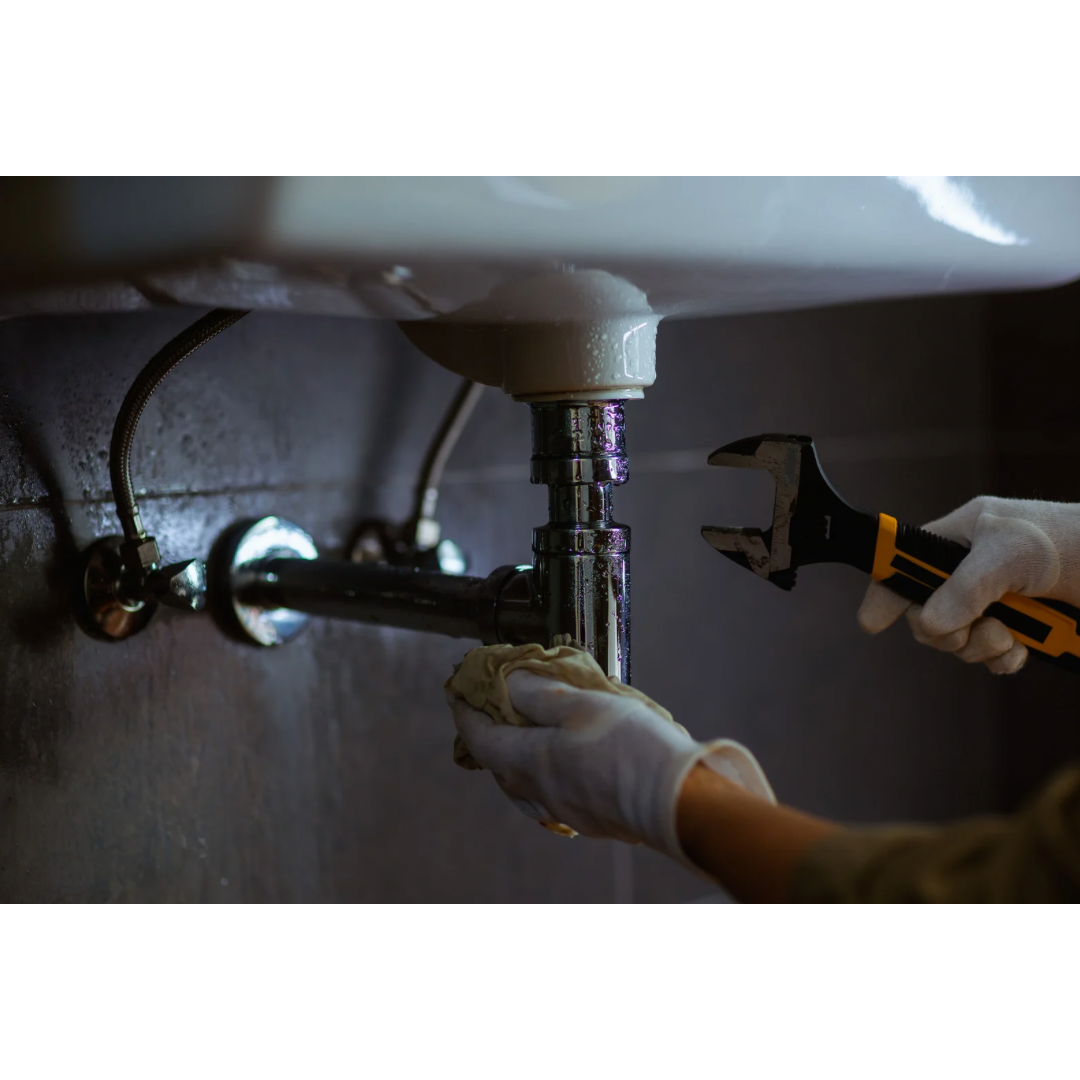
Leaky faucets are not only annoying but can lead to significant water wastage and increased water bills. Common causes include worn-out washers, O-rings, or corroded valve seats. Here’s how to address a simple faucet leak:
- Identify the type of faucet: Compression, ball, cartridge, or ceramic disk.
- Shut off the water supply: Always turn off the water before beginning any repairs.
- Disassemble the faucet: Use appropriate tools like a wrench or screwdriver.
- Replace the faulty part: This could be a washer, O-ring, or valve seat.
Why it matters: Understanding the type of faucet and the specific malfunctioning part can save you from unnecessary replacements and expenses.
After checking and replacing the faulty parts, always reassemble the faucet and check for leaks again. Sometimes, issues might persist if the internal threading of the faucet is damaged, or if there's a deeper issue in your plumbing system.
Clogged Drains
Clogged drains are a common issue in many households. Here’s how you can attempt to clear them:
- Use a plunger: A proper plunging can often dislodge whatever is blocking the drain.
- Chemical cleaners: These can help dissolve blockages but use them cautiously as they can damage pipes over time.
- Plumbing snake or auger: A more direct approach to physically remove blockages.
Why this approach works: Mechanical removal of clogs (via plunging or snaking) is often more effective and less harmful to your plumbing than chemical methods.
Real-World Troubleshooting: Leaks and Clogs
Symptom → Likely Cause → Quick Fix
- Water around base of toilet → Worn seal → Replace wax ring and check for flange damage.
- Slow draining sink → Blockage in P-trap → Remove P-trap, clean, and reinstall.
- Noise in pipes → Water hammer or high pressure → Install a water hammer arrestor or pressure reducer.
These fixes address the most immediate symptoms but keep an eye for recurring issues, which might suggest more complex plumbing problems.
Costs & Time: DIY vs. Professional Help
The cost of plumbing repairs can vary widely based on the complexity of the job, the materials needed, and whether you opt for DIY or professional help. For instance, replacing a washer in your faucet might cost you less than $5 if you do it yourself, and take less than an hour. On the other hand, hiring a professional for a more complex job like replacing a damaged pipe can cost anywhere from $150 to $350, depending on accessibility and material costs.
Cost drivers include
- Accessibility of the problem area
- Extent of corrosion or damage
- Quality of fixtures and replacement parts
- Local codes and whether the system might need updating to comply
Always evaluate whether the time and potential risk of a DIY fix are worth the savings, versus the cost of getting the job done quickly and effectively by a professional.
Safety Tips and When to Call a Pro
While many minor plumbing issues can be addressed with DIY methods, there are times when it's best to call a professional:
- Major leaks: If you can't find the source or it's not easily accessible.
- Gas water heaters issues: Due to the risk of gas leaks or carbon monoxide exposure.
- Sewage backups: These can pose health risks and require professional equipment to resolve.
Remember: Safety first! Never tackle plumbing repairs you are not comfortable with or that could pose a risk to your home or health.
We’re Here to Help
If you're facing a plumbing problem that feels out of your depth, or if you simply want the assurance that the job is done right, consider reaching out to Specialty Plumbing. Serving both Prosper and Celina, TX, our team of experienced professionals is ready to assist you with any plumbing challenges you might face. From emergency repairs to routine maintenance, we ensure quality service that keeps your home's plumbing in top condition. Don't hesitate to contact us for expert advice and reliable solutions tailored to your needs.