5 Bathroom Remodel Plumber Mistakes That Cost Prosper TX Homeowners Thousands
Quick Summary (TL;DR)
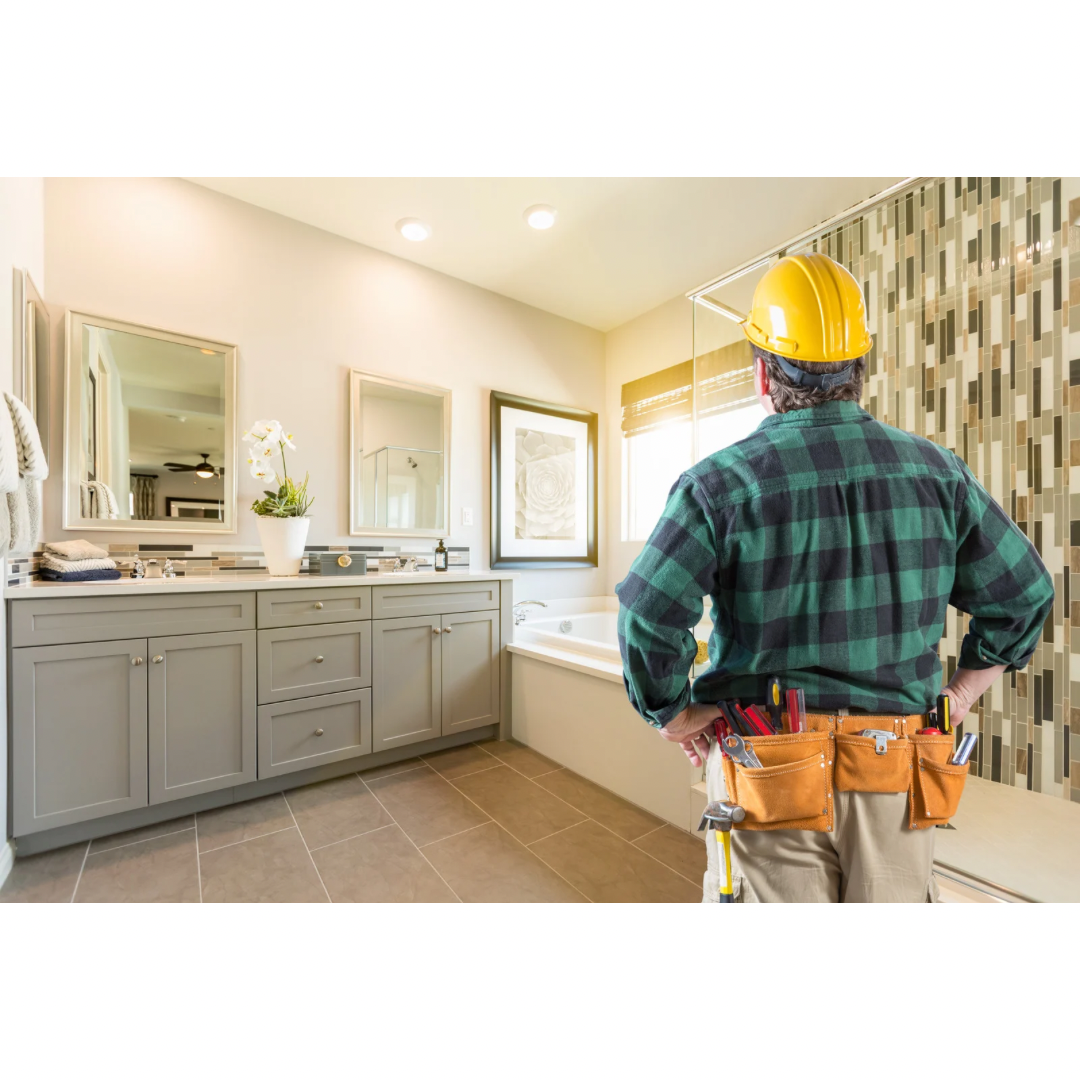
Bathroom remodel plumber problems usually come from work hidden behind tile, drywall, and cabinets. A bathroom remodel plumber should treat a remodel like a “once-in-20-years access window” to inspect supply lines, drains, and venting before surfaces get sealed. Prosper TX homeowners commonly lose money when remodel plans ignore hidden leaks, reuse old seals, leave undersized or aging pipes in place, install drains with the wrong slope, or skip venting requirements that prevent sewer gas and gurgling drains.
Bathroom remodel plumbing corrections often cost more than doing the work correctly during demolition because repairs can require cutting new tile, removing vanities, and drying water-damaged framing. Bathroom remodel plumbing work typically ranges from a few hundred dollars for simple fixture swaps to $5,000+ for gut-and-replace plumbing, with costs varying based on access, code requirements, fixture complexity, and the condition of existing piping. Specialty Plumbing, a locally owned, full-service provider staffed by licensed Prosper TX plumbing professionals, uses pressure testing, connection checks, and code-based layout verification to prevent the most expensive post-remodel callbacks in Prosper and Celina, TX.
Bathroom remodel plumbing: what the job includes (and why mistakes get expensive)
Bathroom remodel plumbing is the set of tasks that connect new fixtures to safe water supply, reliable drainage, and code-compliant venting. Bathroom remodel plumbing usually includes fixture rough-in, valve installation, drain and vent tie-ins, shutoff valve placement, and final trim-out for toilets, faucets, tubs, and showers.
Bathroom remodel plumbing mistakes get expensive because most plumbing components sit behind finished surfaces. Tile removal and drywall repair often add days of labor, plus the cost of replacement materials. Water damage restoration commonly adds specialized drying equipment and moisture testing.
Bathroom remodel plumber scope: rough-in vs. trim-out
Bathroom remodel plumbing rough-in refers to the behind-the-wall work completed before tile and drywall. Bathroom remodel plumbing trim-out refers to the visible installation of fixtures, cartridges, drains, and stops after finishes.
Bathroom remodel plumber planning should include both phases because rough-in errors often appear during trim-out testing.
Mistake #1: Ignoring hidden leaks before walls and floors close up
Hidden leak risk is the most common bathroom remodel plumber mistake because remodel access creates a rare opportunity to inspect piping. Hidden leaks often start at old joints, compromised fittings, or previously patched connections.
Why hidden leaks happen during remodels
Copper pipe systems can develop green or white corrosion at joints, and corrosion often signals slow seepage. PEX systems can fail at fittings due to damaged O-rings, incorrect crimp rings, or non-approved connectors. PVC and ABS drain connections can leak when primer/cement coverage is incomplete or when old fittings get reused.
Warning signs a bathroom has a hidden leak
Hidden leak symptoms often show up as moisture or odor changes rather than visible dripping.
- Musty odors near a vanity or toilet often indicate damp subflooring.
- Bulging drywall or peeling paint often indicates moisture behind the wall.
- Soft flooring near a toilet flange often indicates a slow wax ring or flange leak.
- Water stains on ceiling drywall below a bathroom often indicate a supply or drain leak.
How a bathroom remodel plumber should check for hidden leaks
Leak detection during a remodel should happen before any wallboard or tile backer gets installed.
Inspect exposed supply and drain lines
A bathroom remodel plumber should visually inspect copper joints, PEX fittings, angle stops, tub/shower valves, and drain transitions. A plumbing inspection should include stud bays, subfloor edges, and any prior repair areas.
Perform a controlled water test
A bathroom remodel plumber should run each fixture line and check every joint with a bright light and dry paper towel. A water test should include hot and cold lines because thermal expansion can reveal marginal seals.
Pressure-test when pipe changes occur
A bathroom remodel plumber often uses a pressure test after rerouting lines or replacing a valve body. A pressure test helps confirm leak-free connections before surfaces get sealed.
Document results before close-up
A bathroom remodel plumber should take photos of valve depth, drain routing, and vent tie-ins. Photo documentation helps future troubleshooting and supports remodel quality control.
Impact of Leak Repair in Prosper TX
Hidden leak repairs can vary widely depending on how accessible the issue is and how far the damage has spread. Simpler repairs may be addressed relatively quickly, while more extensive situations—especially those involving tile removal, subfloor repairs, or mold remediation—can require significantly more time. Leak detection itself may take a few hours, while larger repairs and necessary drying or reconstruction can extend the timeline over several days.
Prosper TX nuance: Many Prosper-area homes use PEX, and PEX reliability depends on manufacturer-approved fittings and correct installation method (crimp, clamp, or expansion). Manufacturer compatibility issues often cause premature leaks when mixed-brand fittings get used.
Mistake #2: Skipping proper fixture installation (level, secure, and sealed)
Fixture installation failure is a frequent bathroom remodel plumber callback because small alignment errors create slow, destructive leaks. Toilet installation errors often damage subfloors, and vanity drain errors often damage cabinetry.
Common fixture installation slip-ups
- Reused wax rings frequently fail early, especially after toilet repositioning.
- Misaligned toilet flanges can prevent proper compression of the seal.
- Overtightened supply fittings can crack porcelain or strip threads.
- Undertightened slip-joint nuts can drip into vanity bases.
- Unleveled fixtures can stress connections and open gaps.
Real-world example from Prosper
A Prosper family reported a musty odor and a soft floor next to a newly installed toilet. A mis-seated wax ring caused a slow leak that ruined the subfloor, and repairs exceeded $2,000 even though the failed part cost only a few dollars.
Confirm level and secure mounting
A bathroom remodel plumber should level a toilet and confirm firm contact at the base without rocking. A bathroom remodel plumber should anchor a vanity and confirm the countertop sits flat to reduce stress on drain connections.
Use new seals, gaskets, and washers
A bathroom remodel plumber should install a new wax ring or wax-free seal for every toilet reset. A bathroom remodel plumber should replace rubber washers and supply lines when age or wear appears.
Seal threaded joints correctly
PTFE tape or approved thread sealant should be applied to appropriate threaded connections such as shower arms and some supply fittings. Manufacturer instructions should control sealant choice because some connectors require specific gaskets rather than tape.
Run a post-installation leak and drain test
A bathroom remodel plumber should run water for 3–5 minutes at each fixture and check every connection point. A bathroom remodel plumber should check for leaks under load, including a full sink basin dump and multiple toilet flushes.
Cost and time impact
Fixture correction work typically ranges from $150–$600 for a toilet reset, faucet reseal, or trap rework, with costs varying by access and damage. Subfloor repair after toilet leaks commonly pushes total project costs into the $1,500–$4,000+ range depending on flooring type and framing condition.
Homeowner tip: Toilet leak symptoms often overlap with common toilet performance issues, and a troubleshooting guide can help identify early warning signs. See Troubleshooting Common Toilet Problems in Prosper and Celina Homes.
Mistake #3: Not upgrading old or undersized pipes while the walls are open
Pipe upgrade avoidance is a bathroom remodel plumber mistake that creates long-term risk. Bathroom remodel access often provides the lowest-labor opportunity to replace aging lines.
Why pipe upgrades matter during bathroom renovations
Old galvanized steel pipes often rust internally and restrict flow. Older copper can develop pinhole leaks, especially at high-stress elbows and near aggressive water conditions. Undersized supply lines can reduce performance for rain heads, body sprays, and multi-fixture bathrooms.
- Restricted flow often shows up as low pressure at the shower when a toilet flushes.
- Corroded piping can shed debris that clogs cartridges and aerators.
- Aging shutoff valves can seize and fail during emergency shutoffs.
Common pipe materials in Prosper TX homes
- PEX supply lines appear in many newer Prosper and Celina homes due to flexibility and freeze resistance.
- Copper supply lines appear in many established neighborhoods and remodel-era additions.
- PVC or ABS drain lines appear in most modern drain systems, often transitioning at older cast iron or mixed-material junctions.
Mini decision tree for pipe upgrades
- Pipes older than 30 years often justify replacement during a gut remodel.
- New high-flow fixtures often justify upsizing supply lines from 1/2" to 3/4" on key runs, depending on layout and code.
- Suspected pipe issues often justify a pressure test before drywall close-up.
Typical cost range and time expectations
Supply line upgrades typically range from $800–$2,500 depending on access, pipe length, and fixture count. Full bathroom repipes can exceed that range when walls, slab access, or multiple fixture relocations apply.
Time expectations often follow access:
- Open-stud repipe work often takes 1–2 days.
- Slab or tight-cavity reroutes often take 2–4 days due to cutting, patching, and testing.
Low-pressure issues often connect to undersized lines, valve problems, or whole-home restrictions. See How to Troubleshoot & Fix Low Water Pressure in Your Prosper TX Home.
Mistake #4: Overlooking proper drain slope and venting (slow drains, clogs, sewer gas)
Drain slope and venting errors create daily frustration and can create health concerns. Drain slope refers to the pitch that carries waste and water through the pipe. Venting refers to the air pathway that prevents siphoning and allows smooth drainage.
Drain slope basics every remodel should respect
A standard guideline for many residential drain lines is about 1/4 inch of fall per foot of horizontal run for typical pipe sizes, with exact requirements depending on pipe diameter and local code. Too little slope can leave solids behind, and too much slope can cause water to outrun waste.
Venting basics homeowners notice quickly
Improper venting often causes negative pressure that slows drainage and pulls water out of traps. Dry traps allow sewer gas odors to enter the bathroom.
Signs of a drain slope or venting problem
- Gurgling sounds after flushing often indicate venting problems.
- Slow tub or shower drainage often indicates slope issues, partial obstructions, or incorrect trap configuration.
- Sewer odors near a vanity often indicate trap siphoning, missing venting, or a failed seal.
- Frequent clogs after a remodel often indicate incorrect slope, poor connections, or construction debris in the line.
Prosper nuance: Older configurations sometimes rely on wet venting that might not meet current standards after fixture changes. Code compliance matters during remodels because inspections and resale disclosures can expose noncompliant work.
Verify drain layout before closing walls
A bathroom remodel plumber should measure slope, confirm trap placement, and confirm correct pipe sizes for fixture units.
Confirm vent path and tie-in method
A bathroom remodel plumber should confirm vent continuity to the vent stack or approved venting method. A bathroom remodel plumber should confirm vent distances and trap arm limits based on code and fixture type.
Perform functional drain tests
A bathroom remodel plumber should test with full-basin dumps and repeated toilet flushes to confirm fast drainage and stable trap seals. A bathroom remodel plumber should listen for gurgling and check for trap siphoning.
Cost and time impact
Drain and vent corrections typically range from $300–$1,500+ depending on wall access and pipe routing. Major vent reroutes can push costs higher when roof penetrations, attic work, or multi-fixture reconfiguration becomes necessary.
Homeowner tip: Sewer line concerns sometimes masquerade as venting problems, especially when multiple fixtures back up. A camera inspection guide can help clarify next steps. See Sewer Camera Inspection in Prosper, TX: Costs, Process, and Warning Signs (Homeowner Guide).
Mistake #5: Failing to shut off water correctly and protect finished surfaces
Water-control mistakes create instant damage during bathroom remodel plumbing work. Water-control mistakes often happen during supply line swaps, valve changes, and stop valve replacements.
Why water protection matters during a remodel
A supply line failure can soak new cabinets and drywall within minutes. Wood swelling and flooring damage can begin quickly, and mold risk rises when moisture remains trapped for 24–48 hours.
Damage-control timeline for an active leak
- First 10 minutes: Water shutoff at the main valve prevents ongoing damage, and towel extraction reduces spread. Many Prosper homes place the main shutoff in a garage wall box or near the front yard meter.
- 10–30 minutes: Cabinet doors, baseboards, and toe-kicks should be opened for airflow, and standing water should be extracted.
- First hour: Professional help becomes important when water enters wall cavities or subfloor layers.
- First 24–72 hours: Drying and dehumidification often determine whether mold growth becomes a risk.
Pro tips that prevent catastrophic water damage
- A drop cloth or rosin paper barrier protects new flooring during plumbing work.
- A shutoff valve test before fixture work prevents surprises during emergencies.
- A dry tissue test under each connection catches pinhole drips that visual checks miss.
Bathroom remodel plumber cost transparency: what drives pricing in Prosper TX
Bathroom remodel plumber pricing varies based on scope, access, and code requirements. Bathroom remodel plumbing often becomes more expensive when fixture locations change.
Common cost drivers
- Access conditions: Slab foundations and tight crawlspaces often increase labor time compared to open-wall access.
- Age-related corrosion: Stuck shutoff valves and corroded nipples often require cutting and replacement.
- Fixture complexity: Thermostatic shower valves, diverters, and multi-head systems require more rough-in planning than single-handle valves.
- Code compliance: Venting changes, shutoff valve additions, and drain resizing can be required after layout changes.
- Testing and verification: Pressure testing and extended leak checks add time but reduce risk.
Typical project ranges (non-binding estimates)
- Simple fixture swaps (faucet, toilet, or trim) often range from $150–$600 depending on complexity and condition.
- Partial remodel plumbing (valve replacement, minor pipe moves, new stops) often ranges from $800–$2,500 depending on access and fixture count.
- Full gut remodel plumbing with relocations often exceeds $5,000+ depending on layout changes, venting, and wall/floor reconstruction.
Time expectations: immediate, daily, weekly
- Immediate (same day): Leak isolation and temporary shutoffs usually happen within hours when access exists.
- Daily (1–3 days): Rough-in changes and pipe upgrades often complete within several working days for a standard bathroom.
- Weekly (4–10+ days): Full remodel timelines often stretch due to inspections, tile cure times, drywall finishing, and cabinet installation sequencing.
- Monthly (post-remodel): Post-remodel issues often appear within 30 days when slow leaks or venting problems exist.
Bathroom remodel plumber quality checklist before tile and drywall
Bathroom remodel quality control prevents the most expensive rework. Bathroom remodel plumber verification should happen at rough-in and again at trim-out.
Pre-close-up checklist
- Shutoff valves installed and accessible for each fixture
- Tub/shower valve depth set to manufacturer spec (trim plate flush)
- PEX connections made with compatible system components
- Drain slope measured and confirmed on horizontal runs
- Vent tie-ins confirmed and trap arm distances verified
- Pressure test or extended leak test completed
- Photo documentation captured for future reference
Post-trim checklist
- Toilets set level with new seal
- Vanity traps aligned without strain
- Shower and tub spouts installed with correct method (threaded vs. slip-fit)
- Hot/cold orientation confirmed at valves
- Drain performance tested with full-basin dumps
- No gurgling sounds or sewer odors present
When a bathroom remodel plumber should get involved (clear decision criteria)
Licensed plumber involvement becomes the safest choice when plumbing changes move beyond basic surface swaps. Specialty Plumbing regularly helps Prosper and Celina homeowners decide where DIY ends and risk begins.
Call a licensed Prosper TX plumbing professional when any of the following conditions apply:
- Pipe rerouting or fixture relocation requires opening walls, floors, or ceilings.
- Shower valve replacement involves soldering, crimping, expansion PEX, or concealed connections.
- Drain or vent modifications change pipe routing, pipe size, or fixture count.
- Sewer gas odors, persistent gurgling, or repeated clogs appear after remodel work.
- Water damage appears as soft flooring, stained ceilings, or damp drywall.
- Permit or inspection requirements apply due to layout changes or major plumbing scope.
A second opinion often saves money when a remodel plan includes rain showers, freestanding tubs, or multi-fixture bathrooms that stress supply and drainage design. Specialty Plumbing operates as a locally owned, full-service provider with licensed Prosper TX plumbing professionals who can inspect rough-in work before expensive finishes go in.
Common Questions About bathroom remodel plumber work in Prosper TX
How can a homeowner tell a bathroom remodel plumber did quality work?
Quality bathroom remodel plumber work shows leak-free connections after 3–5 minutes of continuous flow testing at each fixture. Quality bathroom remodel plumbing also shows fast drainage with no gurgling and no sewer odors after multiple flushes and full-basin dumps.
What bathroom remodel plumbing tasks usually stay DIY-friendly?
DIY-friendly bathroom remodel plumbing usually includes swapping a showerhead, replacing a faucet aerator, or installing a bidet attachment when shutoff valves function correctly. Licensed plumber work usually becomes necessary for valve replacements, drain reroutes, and behind-the-wall connections.
What should a homeowner do after finding a leak post-remodel?
Water shutoff at the fixture stop or main valve should happen immediately to limit damage. A licensed plumber inspection should happen quickly when water enters cabinets, walls, or flooring because hidden moisture can cause swelling and mold growth within 24–48 hours.
Do pipe upgrades during a remodel usually pay off?
Pipe upgrades during a remodel often reduce future leak risk because open-wall access lowers labor compared to post-finish repairs. Pipe upgrades also improve flow for modern fixtures when old galvanized or restricted lines exist.
Can bad venting after a bathroom remodel create health concerns?
Bad venting can allow sewer gas odors into the bathroom when traps siphon or vent paths fail. Sewer gas exposure concerns and persistent odors justify a licensed plumber evaluation because venting rules exist to protect indoor air quality.
Local help for Prosper and Celina bathroom remodel plumbing
Prosper TX bathroom remodel projects often move fast once demolition starts, and plumbing decisions often determine whether the remodel stays durable for decades. Specialty Plumbing supports remodel planning, rough-in verification, pipe upgrades, and post-remodel troubleshooting across Prosper and Celina, TX.
Homeowners planning broader home plumbing improvements can also benefit from a contractor selection checklist. Plumber Near Me in Prosper, TX: How to Choose a Reliable Local Pro (Costs, Timing, Emergencies) covers vetting, timing, and emergency readiness.
Licensed plumbing guidance protects new tile, new cabinetry, and long-term home value. Specialty Plumbing can inspect remodel plumbing before close-up, identify risk points, and recommend code-aligned corrections without guesswork.