Winterize Your Plumbing: Preventing Frozen Pipes in Prosper and Celina, TX
Understanding the Risk: Why Pipes Freeze
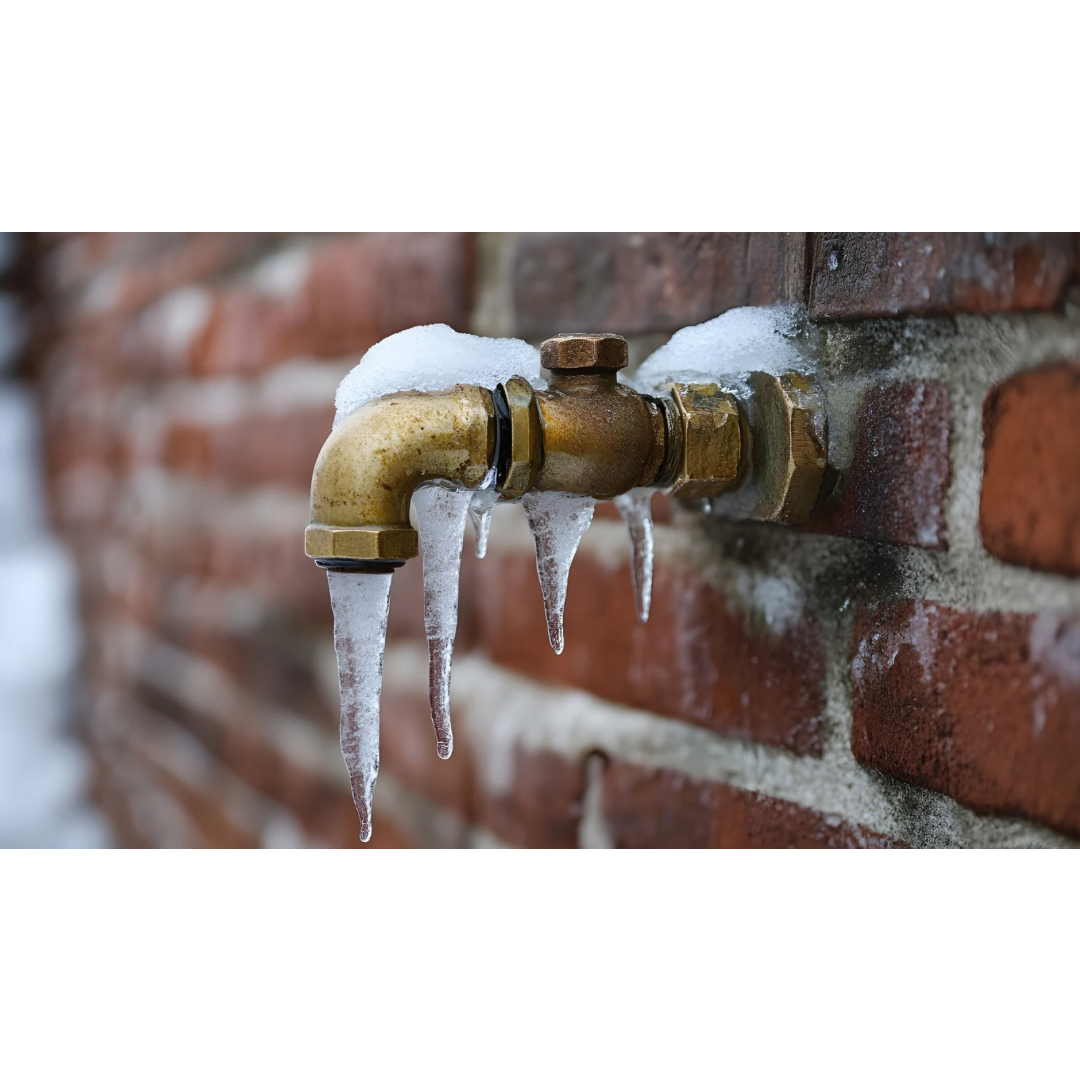
Before jumping into prevention tips, it helps to understand why pipes freeze in the first place. When water freezes, it expands. That expansion builds pressure inside the pipe, and something has to give. That’s when cracks or full-on bursts happen. The pipes most at risk are usually the ones tucked away in places that don’t get much heat—think attics, garages, basements, inside cabinets, or along exterior walls. They’re out of sight, out of mind… until they aren’t.
What we See Locally in Prosper and Celina
Around here, the biggest issue isn’t long winters — it’s sudden temperature drops. Even well-insulated homes can get caught off guard. If you remember last January’s surprise freeze, you probably remember how many burst pipes followed. Most of those situations could’ve been avoided with a little prep ahead of time.
How to Prevent Frozen Pipes
Insulate Vulnerable Pipes
Insulation is your first and best line of defense. Start by identifying exposed pipes in areas like the attic, garage, or under sinks on exterior walls. Foam pipe insulation is inexpensive, easy to install, and works well for most homes. In higher-risk areas, thermostatically controlled heat tape can add an extra layer of protection. Make sure insulation fits snugly with no gaps, and secure it so it stays put.
Keep the Heat On
Even if you’re leaving town, don’t shut the heat off. Keeping your home at 55°F or higher helps maintain enough warmth inside the walls to prevent freezing.
Let Faucets Drip
Allowing a slow drip from faucets connected to exposed piping can make a big difference. Moving water relieves pressure inside the pipe and reduces the chance of freezing.
Seal Out Cold Air
Cold drafts can sneak in through small openings around pipes, wiring, dryer vents, and exterior wall penetrations. Sealing these gaps with caulk or insulation helps keep cold air away from your plumbing.
Open Cabinet & Interior Doors
This simple step helps warm air circulate, especially in kitchens and bathrooms where pipes are often hidden behind cabinets or vanities.
Cost & Time: What to Expect
Most basic winterization steps are affordable. Simple fixes like insulation and faucet dripping may only cost $50–$100 in materials. More extensive solutions — like heat tape or additional insulation — may run a few hundred dollars, but that’s still far less than dealing with a burst pipe and water damage.
Time-wise, many homeowners can handle the basics in a couple of hours. Larger homes or harder-to-reach areas may take longer. Things that affect time and cost include:
- Access and Ease: Easier access to pipes means quicker work. Difficulty accessing pipes, like those in a tight crawl space, can increase the time and cost.
- Materials Used: Higher-quality materials like advanced heat tape or specialized insulation may cost more but offer better protection.
- Home Age and Condition: Older homes might require more extensive winterization due to less efficient original construction or aging pipes.
When It’s Best to Call a Pro
DIY works well for many homes, but not all situations are straightforward. If you’re unsure which pipes are at risk, have limited access areas, or have dealt with frozen pipes before, bringing in a professional can save you stress (and money) down the road. A plumber can spot vulnerabilities you might not notice and recommend solutions tailored to your home.
We’re Here to Help!
If you want peace of mind heading into winter in Prosper or Celina, Specialty Plumbing is here to help. We offer professional winterization services designed to prevent problems before they start — not just react when something breaks. Our goal is to protect your home, your time, and your comfort through even the coldest North Texas cold snaps.