Spring Plumbing Surprises: How to Handle Seasonal Root Intrusion in Prosper, TX
Why Roots Love Your Prosper, TX Plumbing in Spring
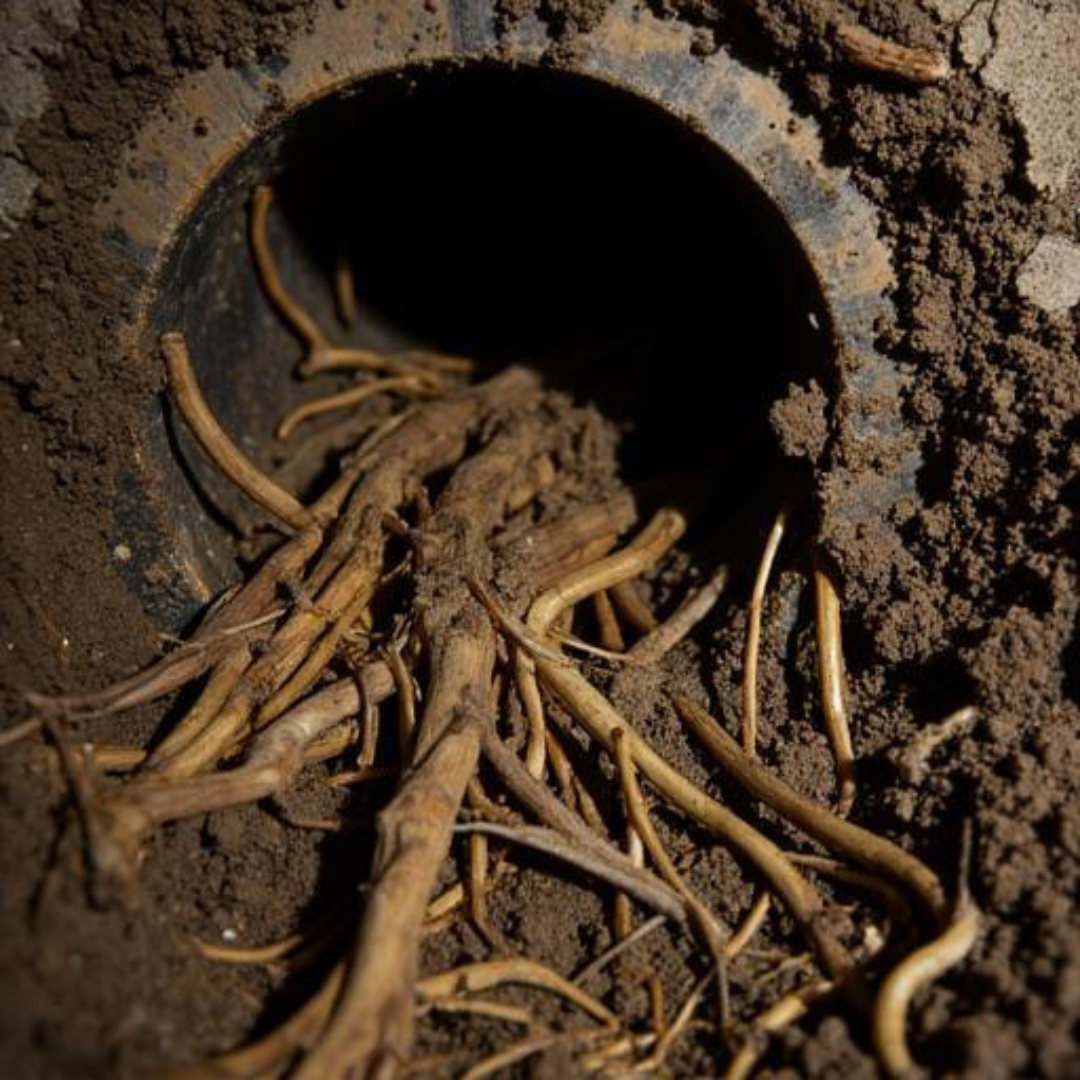
If you live in Prosper, you already know spring is a growth explosion. Everything’s greener, but what you don’t see is how aggressive tree and shrub roots get underground. As rain becomes more frequent and temperatures rise, roots stretch toward any moisture source they can find. Clay, cast iron, and even some older PVC drain lines can develop tiny cracks or loose joints over time—perfect entry points for thirsty roots. Once inside, roots flourish in the nutrient-rich, constantly damp environment of your sewer line.
In many homes, especially with older piping, root intrusion is a common cause of backups. Roots find their way into small openings in the line and grow over time, eventually slowing or blocking flow. Even in newer PVC systems, roots can still become an issue—causing minor separations that can develop to major repairs over time.
When roots get in, they act like a net, catching debris and forming blockages. Left unchecked, water backs up in your sinks, tubs, or toilets. If you catch this early, the fix is much easier. Wait too long, and you could face sewer water spilling onto your floors or expensive pipe replacement.
Signs of Root Intrusion & What to Watch For
Root intrusion isn’t always obvious at first. Sometimes it sneaks up with subtle signs before turning into a full-blown emergency. If you’re noticing any plumbing oddities this spring, don’t shrug them off.
Common Early Warning Signs You Might Spot:
- Slow Draining Fixtures: If sink, tub, or shower drains move sluggishly, especially all at once.
- Gurgling Toilets: A “blub blub” sound as water flows—roots can partially block main lines, causing air pockets.
- Frequent Backups: Toilets or floor drains that clog even after plunging.
- Unpleasant Odors: Musty or sewage smells coming from drains or outdoors near your sewer cleanout.
- Unusually Green Patches: If part of your lawn is greener or grows faster, it could be “fertilized” by a leaking sewer line.
Sometimes the only clue is a sudden backup after a spring rainstorm, as roots swell with water and block flow. I’ve run dozens of calls where the only symptom was a faint gurgle—until someone ran the washing machine and the laundry room flooded. Trust your gut: if something seems off, it’s worth investigating early.
What To Do If You Suspect Roots in Your Plumbing
If you see a slow drain, a single gurgle, or a musty smell, you’ve got time to troubleshoot. If there’s water coming up from a floor drain, or sewage backing into your tub, act quickly—damage from even a few hours of backed-up water can be extensive.
A Tiny Damage-Control Timeline
First 10 minutes:
- Stop using all water in the house. This minimizes further backup.
- Check if the backup is isolated (just one fixture) or all over (whole house).
10-30 minutes:
- Remove valuables/furniture from affected areas.
- If sewage is involved, keep kids and pets away.
- Reduce water usage to help limit the spread of any active sewer backup.
- (Locate your main water shutoff in case things get worse- If necessary.)
First hour:
- If you have an accessible cleanout (a capped pipe outside), open it slightly to relieve pressure—use gloves and stand back since some water may spill.
- Call a local pro if you can’t quickly clear the blockage or if raw sewage is present.
Quick action here can save you hundreds (sometimes thousands) in cleanup and repair.
DIY Troubleshooting & Temporary Fixes
Homeowners with some basic tools and confidence can try a few things before calling in the cavalry—just know your limits. Here’s a decision tree to help you decide:
Mini Decision Tree:
- If only one fixture is slow/clogged: Try a plunger or small drain snake.
- If all drains/toilets are slow: Suspect a main line issue—roots are likely.
- If water backs up when you use water anywhere in the house: Stop all water use and call a pro.
- If you have a cleanout and water is standing in it: Open it cautiously and see if water drains when you remove the cap.
Steps for Minor DIY Troubleshooting:
- Plunge or Snake Simple Clogs: Try a toilet plunger or a handheld auger for a single fixture.
- Check Outside Cleanouts: If you’re comfortable, see if water is standing in your main cleanout.
- Use Enzyme Cleaners: These can slow root growth in drains, but don’t expect miracles—mechanical removal is usually needed.
- Never Use Chemical Drain Cleaners: These can harm pipes and are dangerous to handle—avoid them, especially if you suspect roots.
These are short-term measures. If the problem recurs or involves several fixtures, avoid repeated plunging or adding water, as it can push sewage into your home. At this stage, call a licensed plumber with experience in root removal.
How Pros Tackle Root Intrusion in Prosper, TX
Modern plumbing pros have advanced tools for diagnosing and fixing root problems. Here’s what you can expect if you call in help:
Professional Root Removal Process
- Camera Inspection: A plumber sends a small color camera into your sewer line to see exactly where and how bad the roots are. In Prosper, we see roots most often near pipe joints, often 15–40 feet from the house.
- Mechanical Root Cutting: A motorized auger (“sewer snake”) with sharp rotating blades chews through roots, opening the pipe. For mild cases, this restores flow.
- Hydro Jetting: For heavy root mats, high-pressure water (up to 4000 PSI) blasts roots out. This method is thorough but must be done by pros to avoid pipe damage.
- Pipe Repair/Replacement: If roots have broken or collapsed your pipe, digging and replacing the affected section is needed. Many Prosper homes have “spot repairs” where only the worst part is replaced, but sometimes full line replacement is necessary.
- Root Growth Inhibitors: Some plumbers apply a foaming herbicide (safe for pipes and the environment) to slow root regrowth.
If you have older clay or concrete lines, repeated root intrusion is common—consider upgrading to modern PVC if repairs become frequent.
Realistic Costs, Time, and What Drives Them
Homeowners always ask, “How much will this cost me?” The answer varies—here’s what drives the price and how much time you can expect.
Typical Costs in Prosper, TX:
- Camera Inspection: Essential for proper diagnosis.
- Root Cutting (Snaking): Cost varies depending on length and severity.
- Hydro Jetting: Cost depends on access and pipe size.
- Spot Repair (excavation): Cost varies, with full replacement higher for long or deep runs.
Time Factors:
- Simple root cutting: 1–2 hours.
- Hydro jetting: 2–4 hours.
- Dig and repair: 1–3 days, depending on length, depth, and obstacles (driveways, landscaping, etc.).
Costs go up if:
- Your line is extra deep or runs under driveways/patios.
- Pipes are severely broken/collapsed.
- Previous repairs or nonstandard materials complicate access.
- City permits or code upgrades are required.
Before any work begins, you’ll be given a clear breakdown of your options and pricing.
Preventing Future Root Intrusion
Repairing a root-blocked sewer is no fun—so it’s smart to make sure it never happens again (or at least, not soon).
Practical Prevention Tips
- Choose the Right Trees: Avoid planting aggressive species (like willows, poplars, or sycamores) near sewer lines.
- Maintain a Root-Free Zone: Keep large trees and shrubs at least 10 feet away from your main sewer line.
- Regular Camera Inspections: Every 2–3 years for older homes, or after any backup, to catch issues early.
- Annual Root Treatments: Some pros offer annual application of foaming root inhibitors for vulnerable properties.
- Upgrade Old Pipes: If you’ve had several root intrusions, replacing old clay or cast iron with seamless PVC is often cheaper long-term.
Even with perfect care, roots can surprise you, especially in an older neighborhood. But proactive steps drastically cut the risk of a messy surprise.
Can I just pour something down the drain to kill the roots?
No safe “pour-in” product will actually fix a root blockage. Some hardware store chemicals claim to kill roots, but they rarely reach the target area and can harm your pipes or the environment. Only a mechanical rooter or a pro-grade foaming herbicide (applied by plumbers) is effective for real intrusions.
Will insurance cover this?
It depends. Standard homeowners insurance usually won’t cover simple root blockages or gradual damage. Extreme cases, where roots break a pipe and cause major water damage inside your home, might be covered—but only if you have specific endorsements. Check your policy and talk to your agent.
How can I tell if my pipes are old clay or newer PVC?
Check your home’s age: houses built before the mid-1980s in Prosper may have clay or cast iron drains. If you have an outdoor cleanout, unscrew the cap and inspect the pipe—clay looks brownish and rough, PVC is white and smooth. A plumber can confirm your pipe material with a camera inspection.
When to Call a Local Pro (& Why Specialty Plumbing is Your Go-To in Prosper, TX)
If you’re dealing with repeated clogs, slow drains throughout the house, or sewage backing up, it’s time to bring in the experts. Specialty Plumbing has years of experience handling root intrusion in Prosper and Celina, TX—so they know the quirks of local soils, common tree species, and which older neighborhoods have legacy clay lines. Beyond just clearing blockages, they’ll inspect your system, show you a real-time camera feed, and explain all your options, from quick rooter jobs to full pipe replacement. Investing in a thorough, professional fix now can spare you repeated headaches (and bills) down the road. Don’t wait for a minor issue to turn into a flooded nightmare—give Specialty Plumbing a call, and rest easy knowing your home’s plumbing is in the hands of local pros who care.