Quick Summary: Water line replacement in Prosper, TX (TL;DR)
Water line replacement is the process of removing and installing a new main water line that carries water from the city meter to a home. Water line replacement in Prosper, TX commonly becomes necessary after underground leaks, pipe corrosion, soil movement, or repeated low water pressure events. Prosper homeowners commonly report total project costs for a full exterior main replacement, with pricing varying based on pipe length, depth, accessibility, and whether concrete or landscaping must be restored. Many water line replacement projects take 1–2 days for excavation, installation, pressure testing, and inspection, while minor repairs sometimes finish in 3–6 hours when leak locations are easy to access.
Water line replacement mistakes usually cost the most when homeowners delay diagnosis, choose the wrong pipe material, skip permits, or bury a line without pressure testing. Water line leak warning signs include unexplained soggy yard areas, a spinning water meter with fixtures off, discolored water, and sudden water bill spikes. Licensed Prosper TX plumbing professionals can confirm the leak location using acoustic leak detection and can complete code-compliant installation with inspection-ready testing. Specialty Plumbing serves Prosper and Celina, TX with full-service water line repair and replacement support.
Water line replacement basics: definition, purpose, and local risk factors
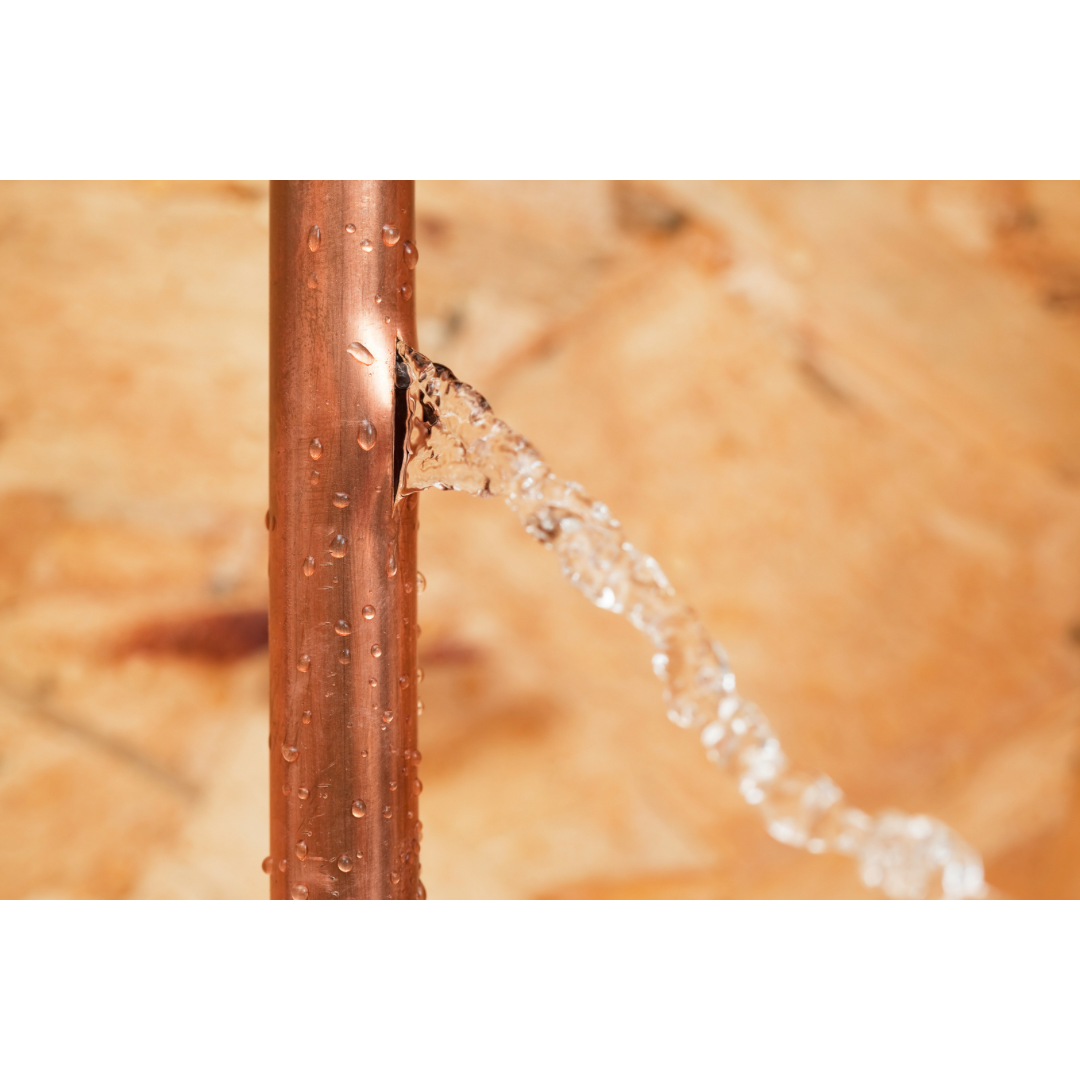
Water line replacement refers to installing a new underground service line between the water meter (or curb stop) and the home’s main shutoff valve. Main water line replacement protects a home from chronic leaks, water contamination risk, and property damage from saturated soil.
Prosper, TX water line problems often accelerate because North Texas soil can shift after heavy rain followed by drought. Clay-heavy soil movement can stress rigid pipe materials and can loosen fittings over time. Hard water conditions can also contribute to mineral buildup that reduces flow and can worsen pressure complaints.
Water line replacement matters because a leaking main line can waste hundreds of gallons per day without visible indoor symptoms. Underground water loss can also undermine sidewalks, driveways, and foundations when erosion creates voids under hardscape.
Signs a home needs water line replacement (or at least a professional diagnosis)
Underground water line leaks often hide until damage becomes expensive. Water line replacement planning starts with identifying symptoms and confirming the leak location.
Common warning signs in Prosper and Celina homes
- Higher water bills without higher usage often indicate continuous water loss from an underground leak.
- Low water pressure at multiple fixtures often indicates a restriction or leak on the main line rather than a single fixture problem.
- Wet spots, spongy turf, or standing water in a specific yard area often indicate a pressurized line leak below grade.
- Discolored water (brown, rusty, or cloudy) can indicate pipe corrosion or disturbed sediment after a line failure.
- Water meter movement with all fixtures off strongly suggests a leak on the house side of the meter.
Homeowners dealing with pressure issues can also compare symptoms with a dedicated guide on How to Troubleshoot & Fix Low Water Pressure in Your Prosper TX Home.
Quick symptom-to-cause table
| Symptom | Likely cause | What to do first |
|---|---|---|
| Low pressure at multiple faucets | Main line leak, undersized line, mineral restriction | Check hose bib pressure; schedule leak detection |
| Soggy yard area near meter or driveway | Pressurized underground leak | Turn off main; photograph area; call a licensed plumber |
| Spiking water bill | Hidden continuous flow | Perform a meter test; isolate irrigation if possible |
| Discolored water | Corrosion, sediment disturbance | Flush for 2–3 minutes; schedule inspection if discoloration returns |
How to confirm an underground water line leak (homeowner-safe checks)
Water line replacement decisions should follow basic verification steps to avoid unnecessary excavation. Homeowner checks can narrow the problem before professional leak detection.
Perform a water meter “no-flow” test
Water meter testing starts by turning off all indoor fixtures, irrigation, pool autofill, and hose bibs. Water meter leak indicators include a moving sweep hand or a digital flow icon that continues after 5–10 minutes of no use.
Isolate high-usage equipment
Irrigation systems, hose bibs, and pool autofill lines can mimic a main line leak. Irrigation isolation often requires shutting off the irrigation supply valve and repeating the meter test.
Check pressure at an outdoor spigot
Outdoor spigot testing with a threaded pressure gauge can provide a baseline reading. Normal residential pressure often falls in the 50–80 psi range, while unusually low readings can support a main line issue diagnosis.
Document visible site conditions
Site documentation should include photos of wet areas, sinkholes, or driveway cracking. Insurance documentation often requires timestamps and a written description of observed damage.
Schedule professional leak detection for confirmation
Professional leak detection often uses acoustic listening equipment, pressure isolation, and targeted excavation to reduce unnecessary digging. Licensed plumbers can also confirm whether a leak sits on the homeowner side or utility side of the meter.
The 5 water line replacement mistakes that drive up costs in Prosper, TX
Mistake #1: DIY water line replacement beyond skill level (and beyond code)
DIY water line replacement often fails because underground service lines involve depth, safety, permits, and inspection requirements. Exterior water lines commonly run 3–5 feet underground in many North Texas installations, and many runs cross under sidewalks, driveways, or landscaping features.
DIY risk factors that commonly multiply costs include:
- Permit and inspection problems that can trigger rework before backfill.
- Incorrect pipe sizing that can reduce flow at showers, tubs, and irrigation zones.
- Unsafe excavation without utility locating, which increases strike risk for gas, electric, communications, and sewer lines.
- Improper bedding and backfill that can create point loads and future pipe damage.
Texas homeowners should always contact 811 before digging. Utility locating typically requires 2–3 business days lead time in many areas, and emergency digging without marks can create life-safety hazards.
A Prosper homeowner example illustrates the risk: A homeowner-installed PVC line leaked within weeks after backfill, and the second repair required extra excavation plus landscape restoration. Professional installation from the start often costs less than a failed DIY attempt plus rework.
Mistake #2: Ignoring early warning signs and delaying leak detection
Delayed response turns small leaks into major excavation and restoration projects. Underground leaks can wash out soil, create voids, and trigger driveway settling or yard sinkholes.
Water line replacement becomes more complicated when a leak runs for weeks or months. Water damage escalation can also increase mold risk when water migrates toward slab edges or wall penetrations.
A practical decision tree helps reduce delay:
- A single small wet spot that grows over 24 hours often justifies professional diagnosis.
- Low pressure at multiple fixtures often indicates a main line problem rather than a faucet aerator issue.
- A moving water meter with fixtures off supports immediate shutoff and urgent scheduling.
Mistake #3: Choosing the wrong pipe material (or accepting a low-bid install)
Pipe material selection determines service life, leak resistance, and repairability. Prosper, TX soil movement can favor flexible materials in many installations, while some sites still benefit from copper depending on conditions and code requirements.
Common water service line materials include:
- Copper (Type K in many underground applications): Copper offers durability and long service history, but copper costs typically run higher and copper can corrode in certain soil conditions without proper protection.
- HDPE (high-density polyethylene): HDPE resists corrosion and handles soil movement well, but HDPE requires correct fusion or approved mechanical connections at transitions.
- PEX (burial-rated PEX-a or equivalent): PEX offers flexibility and fewer fittings, but PEX must be rated for underground use and must be installed with correct sleeving and protection where required.
Installer quality matters as much as pipe material. Water line replacement workmanship includes correct trench depth, correct bedding, correct jointing method, and correct transition fittings at the meter and house shutoff.
A real-world failure pattern appears often: Thin-walled PVC installed to cut costs can crack under shifting soil, triggering emergency repairs that exceed the initial savings. A reputable installer should provide pipe specifications, a clear scope of work, and warranty terms that match manufacturer guidelines.
Mistake #4: Skipping pressure testing and inspection before backfill
Pressure testing is the verification step that prevents buried leaks. Pressure testing also supports city inspection requirements and protects homeowners from discovering a leak after sod replacement.
Pressure testing commonly includes:
- Testing is performed at the home’s normal operating pressure by setting a gauge on the system, verifying incoming pressure, and monitoring it over time to ensure stability and identify any potential drops or leaks.
- Holding test pressure for 15–30 minutes while monitoring gauge stability.
- Inspecting every joint, coupling, and transition for visible seepage.
Prosper inspection requirements can vary by job type, connection type, and permit scope. Licensed plumbers familiar with local inspection practices can coordinate scheduling so backfill occurs only after a passed test and required inspection steps.
Mistake #5: Underestimating total cost, downtime, and cleanup
Water line replacement costs include more than pipe. Total project pricing typically reflects excavation, fittings, valves, permits, testing, and restoration.
Water line replacement cost drivers include:
- Access limitations from fences, narrow side yards, or tight utility corridors.
- Concrete cutting and replacement when lines run under driveways, patios, or sidewalks.
- Line length and diameter, including upsizing for modern fixtures and multiple bathrooms.
- Tree roots and obstructions that slow trenching and increase labor hours.
- Emergency scheduling that can raise labor rates depending on timing and availability.
Prosper homeowners commonly report a wide range for a full exterior main replacement, while minor repairs can sometimes land in a lower range depending on leak location and accessibility. Landscaping restoration can add extra cost in many yards when sod, sprinkler lines, or flower beds require repair.
Damage-control timeline for an active leak
- First 10 minutes: Main water shutoff reduces damage and reduces water waste.
- First 30 minutes: Photo documentation supports insurance claims and contractor coordination.
- First hour: City curb stop assistance may be needed when a shutoff valve fails or a meter connection leaks.
Water line replacement process: what a professional job typically includes
Professional water line replacement follows a predictable sequence designed to limit digging and prevent call-backs. Licensed Prosper TX plumbing professionals also coordinate code compliance and inspection steps.
Diagnose leak location and confirm scope
Leak diagnosis often includes acoustic detection, pressure isolation, and meter-side verification. Scope confirmation determines whether repair or full replacement makes more sense.
Select pipe material and size for the property
Pipe sizing depends on fixture count, home size, and pressure needs. Material selection depends on soil conditions, water chemistry, and local code requirements.
Pull permits and schedule inspection when required
Permit requirements vary by municipality and job scope. Licensed plumbers often manage permit paperwork to avoid stop-work issues.
Excavate or trench with utility marks in place
Excavation planning includes 811 utility marks and safe digging practices. Trench depth and bedding help prevent future pipe stress and point-load damage.
Install the new service line with correct transitions
Transition points often include the meter connection and the house main shutoff connection. Approved fittings, correct torque, and correct jointing methods protect long-term reliability.
Pressure test, flush, and verify water quality
Pressure testing verifies leak-free performance before backfill. Line flushing clears debris and reduces sediment at aerators and valves.
Backfill, compact, and restore the site
Backfill quality affects settlement risk. Restoration scope can include sod replacement, sprinkler repairs, and concrete patch coordination.
Water line replacement costs in Prosper, TX: transparent factors without surprises
Water line replacement pricing varies based on site conditions, not just material cost. Homeowners can request a written estimate that separates plumbing scope from restoration scope.
Pricing factors homeowners can control
- Early diagnosis often reduces excavation and restoration.
- Clear access to the work area often reduces labor time.
- Scheduling during normal business hours often reduces emergency premiums.
Pricing factors driven by the property
- Distance from meter to home, often measured in linear feet.
- Obstacles, including driveways, patios, and mature trees.
- Depth requirements and soil conditions that affect trenching time.
A realistic planning range helps budgeting: Many professionals quote full replacements in North Texas, while partial replacements or spot repairs often cost less depending on access and leak location.
Time expectations: what “fast” and “slow” look like
Water line replacement timelines vary based on access and inspection scheduling.
- Immediate (same day): Emergency shutoff and temporary water planning can happen within hours when active leakage threatens property.
- Daily (1–2 days): Many full replacements finish in 1–2 days when access is straightforward and inspections align.
- Weekly (3–7 days): Complex projects can stretch across a week when concrete work, inspection windows, or restoration trades require coordination.
- Monthly (planning horizon): Proactive replacement planning during dry weather can reduce mud, reduce yard damage, and improve restoration outcomes.
When water line replacement is the right fix vs. a repair
Water line repair refers to fixing a localized failure point, such as a coupling leak or a short damaged section. Water line replacement becomes the better long-term option when repeated leaks occur or when pipe material has reached end-of-life.
Replacement often makes sense under these conditions:
- Multiple leaks over 12–24 months indicate systemic pipe deterioration.
- Galvanized steel or aging polybutylene supply lines often justify replacement due to reliability concerns.
- Major corrosion, pinhole leaks, or heavy tuberculation reduce flow and increase failure risk.
- A line located under a driveway may justify replacement rerouting to reduce future concrete cutting.
When to call a professional plumber in Prosper, TX
Professional water line replacement is the safest choice when excavation, permitting, or meter connections are involved. Licensed plumbing support also reduces the risk of contamination and cross-connection issues.
Homeowners should call a licensed plumber when any of the following conditions appear:
- Water meter movement continues after all fixtures and irrigation shutoffs are confirmed off.
- Yard saturation appears near the meter box, driveway edge, or foundation line.
- Water pressure drops across the whole home rather than at a single faucet.
- Discolored water returns repeatedly after a 2–3 minute flush.
- A homeowner cannot locate or operate the main shutoff valve safely.
Specialty Plumbing is a locally owned, full-service provider with licensed Prosper TX plumbing professionals who handle leak detection, permitting coordination, pressure testing, and replacement installation. Specialty Plumbing also serves Celina, TX homeowners who need fast diagnosis and code-compliant solutions.
Homeowners comparing contractor options can use Plumber Near Me in Prosper, TX: How to Choose a Reliable Local Pro (Costs, Timing, Emergencies) to evaluate licenses, reviews, and emergency readiness.
Pro tips from the field (practical ways to avoid expensive surprises)
- 811 utility locating should happen before any digging, even for “small” trenches.
- A written scope of work should list pipe material, diameter, connection method, and testing steps.
- A pressure test requirement should appear on every replacement invoice before backfill approval.
- A restoration plan should address sod, sprinkler lines, and driveway patch coordination.
- A records folder should store permits, inspection sign-offs, and warranty documents for future home sales.
Preventive planning also reduces surprises across the plumbing system. A homeowner checklist in Preventive Plumbing Maintenance in Prosper & Celina, TX: The Complete Homeowner Checklist (Costs, Timing, DIY vs Pro) can help identify small issues before major failures.
Common Questions About water line replacement in Prosper, TX
How can a homeowner tell whether a leak is on the city side or the home side of the water meter?
Water meter movement with the house main shutoff valve closed usually indicates a leak on the home side between the meter and the shutoff. City-side leaks often show water pooling around the meter box or street area, but utility confirmation is still required. A licensed plumber can isolate sections and confirm responsibility before excavation.
How long does water line replacement usually take in Prosper, TX?
Water line replacement typically takes 1–2 days for a full exterior service line when access is straightforward and inspections align. Minor water line repairs sometimes finish in 3–6 hours when the leak location is shallow and easy to reach. Project timelines vary based on concrete cutting, trench length, and restoration needs.
What pipe material works best for a buried water service line in North Texas soil?
HDPE and burial-rated PEX are commonly selected because flexible materials can tolerate soil movement better than rigid materials in many yards. Copper remains a durable option in many installations but can cost more and may require soil considerations. A licensed plumber should match material choice to local code, soil conditions, and water pressure requirements.
What should a homeowner ask a plumber before approving a water line replacement estimate?
A homeowner should ask for pipe type and diameter, connection method, and whether a pressure test and inspection are included before backfill. A homeowner should also ask how landscaping, sprinkler lines, and concrete restoration will be handled. A written estimate should separate plumbing work from restoration work to avoid confusion.
Does homeowners insurance cover water line replacement?
Homeowners insurance coverage varies widely by policy and by whether the claim involves sudden damage versus long-term leakage. Many policies exclude the pipe replacement while covering resulting damage, and some endorsements add limited service line coverage. A homeowner should document the leak and ask the insurer about “service line” or “underground utility line” coverage.
Local help for Prosper and Celina, TX water line problems
Water line replacement becomes less stressful when a licensed team handles diagnosis, permitting guidance, and pressure-tested installation. Specialty Plumbing provides water line repair and water line replacement services across Prosper and Celina, TX, with a focus on code-compliant workmanship and clear communication about scope, timeline, and restoration expectations.
Homeowners facing urgent leaks can also reduce collateral damage by reviewing emergency readiness guidance in 5 Plumber Mistakes That Cost Prosper TX Homeowners Thousands (and How to Avoid Them), especially when shutoff access and response time determine final repair costs.