Understanding Water Hammer: What’s Going On in Your Pipes?
If your plumbing erupts with a sudden bang or series of knocks when you shut off a faucet, you’re not alone. This classic “water hammer” effect is more common than you might think, especially in newer homes around Prosper and Celina where water pressure tends to run high. So what’s actually happening behind your walls?
When a valve (like a washing machine, dishwasher, or even a fast-closing faucet) suddenly shuts, water traveling at speed has nowhere to go. Instead of stopping silently, the momentum sends a shockwave through your pipes. Pipes rattle, brackets strain, and sometimes you even feel the vibration in the walls or floors. Over time, those repeated shocks can loosen joints, damage pipe supports, or wear out seals—turning what starts as an annoying sound into a costly leak.
Some local homes are especially prone to water hammer due to high municipal water pressure, long pipe runs, or older plumbing with worn-out “air chambers” (sections of vertical pipe meant to absorb shock). While water hammer isn’t a guaranteed emergency, it’s a red flag you shouldn’t ignore.
Why Water Hammer Happens in Prosper & Celina: Local Plumbing Realities
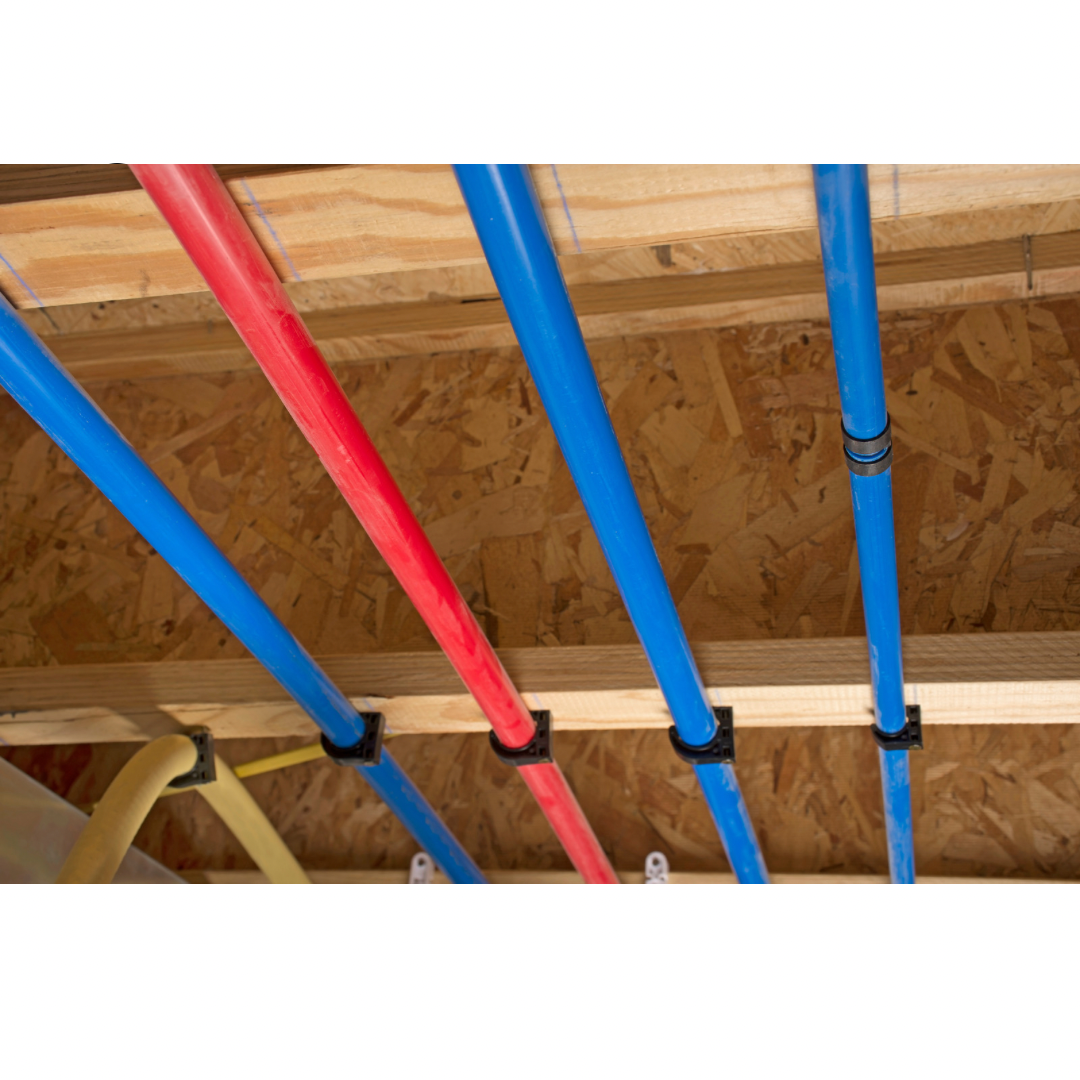
North Texas homes have a few quirks that make water hammer more likely or more intense. For one, municipal water pressure in Prosper and Celina often runs higher than the national average—sometimes approaching 80-100 PSI, versus the recommended 60 PSI. That extra force translates to louder, more damaging hammer when it hits.
Another factor is the popularity of modern “quick-close” valves and appliances. New dishwasher and washing machine valves can snap shut in fractions of a second, creating the perfect storm for water hammer in an otherwise healthy system.
Older homes in the area may still rely on air chambers to absorb shock. These are simple vertical pipe stubs above faucets that act as cushions. Over years, though, these chambers can fill with water and lose their effect—especially if you never drain your system.
Finally, Texas clay soil can cause slab shifts, sometimes stressing pipes and brackets, making them more likely to rattle or transmit sound.
Diagnosing Water Hammer: Listen, Look, and Feel
Before you try to fix water hammer, it’s important to be sure that’s really the problem—and to narrow down the source. Not every pipe noise is water hammer! Here’s how to tell:
- Symptom: Loud bang or “thud” when shutting off a faucet or appliance.
- Likely Cause: Water hammer from quick valve closure.
- Quick Fix: Install or recharge a water hammer arrestor; check water pressure.
- Symptom: Continuous rattling or vibrating, even when water isn’t running.
- Likely Cause: Loose pipe supports or bracket failure.
- Quick Fix: Secure or insulate pipes.
- Symptom: Clanking from a single fixture, especially on the second floor or in laundry rooms.
- Likely Cause: Air chamber filled with water, or local pipe run lacking shock absorption.
- Quick Fix: Drain and recharge air chamber, or install arrestor at fixture.
To really pinpoint the source, have someone run faucets or appliances while you listen along the pipe runs. Don’t be afraid to gently touch accessible pipes (like under the kitchen sink or behind the washing machine) to feel for vibration. Sometimes you’ll even spot pipes jumping inside a basement or crawlspace.
Keep in mind: Not every thump is dangerous, but repeated or worsening hammer, or visible pipe movement, means it’s time to act.
DIY Solutions for Water Hammer: What Most Homeowners Can Try
If you’re handy with a wrench, tackling water hammer is well within reach for many Prosper and Celina homeowners. The right fix depends on the underlying cause, but most jobs take under an hour and use basic tools you might already have.
Why These Fixes Work:
Most water hammer solutions focus on either (a) absorbing the shock in the system, or (b) reducing the pressure and speed of water flow. Here are the most common techniques:
1. Recharge Air Chambers
Some older homes have simple vertical pipe stubs (air chambers) near fixtures. Over time, these fill with water and lose their cushion.
To recharge:
- Turn off main water supply.
- Open all faucets—start at the highest fixture, work down—to fully drain pipes.
- Let air into the system for a few minutes.
- Close all faucets and restore water.
This reintroduces air, restoring the chambers’ shock-absorbing abilities. But be warned: this is a temporary fix. If hammer returns soon, or if your home uses PEX or new copper without air chambers, move on to the next step.
2. Install Water Hammer Arrestors
Water hammer arrestors are spring- or gas-filled devices that screw onto the supply lines near problem fixtures (like washing machines or dishwashers). They’re the gold standard for modern homes.
Installation (most common case):
- Shut off water supply to the fixture.
- Disconnect supply hose using a basin wrench.
- Wrap threads with PTFE tape (plumber’s tape).
- Thread the arrestor onto the valve and tighten snugly—hand-tight plus a quarter-turn.
- Reconnect hose, turn water back on, and check for leaks.
Arrestors are inexpensive ($10–$40 each) and last for years, but make sure to get the right type for your supply line (compression, threaded, or push-fit). Also, arrestors closer to the source (the fixture) are most effective, but sometimes it helps to place them at the main manifold if hammer is widespread.
3. Lower Water Pressure
High water pressure makes hammer worse. Use a pressure gauge on an outdoor spigot to check your static pressure. If it’s above 70 PSI, you’ll want to adjust the pressure-reducing valve (PRV), usually found near where the main line enters your home.
- Loosen the locknut on the PRV.
- Turn the screw counterclockwise to lower pressure.
- Check again with your gauge; aim for 55–65 PSI.
Note: Some homes lack a PRV, or the valve is corroded and won’t adjust. In those cases, a plumber can upgrade or replace the assembly.
4. Secure & Insulate Pipes
If you find pipes that rattle or bang against framing members, use padded clamps, foam pipe insulation, or even zip-ties (in a pinch) to stabilize them. This is especially effective for visible runs in basements, crawlspaces, or garages. Just don’t overtighten! Pipes need some room for thermal expansion.
Nuances and Caveats:
- Most DIY fixes are low-risk, but overtightening fittings, cross-threading arrestors, or using the wrong materials (e.g., steel on copper) can cause leaks.
- If you spot signs of corrosion or struggle with stuck valves, don’t force it—call a pro.
- Some hammer problems are embedded in walls or under slabs; if you can’t access the source, or the noise persists after trying the above, further investigation is needed.
When to Call a Pro: Tricky Fixes & Hidden Problems
While most water hammer fixes are within the realm of a confident DIYer, there are clear signs it’s time to bring in a licensed plumber—especially in our local Prosper and Celina market where code compliance matters.
Scenarios where you should call Specialty Plumbing:
- Persistent hammer after arrestor installation and pressure adjustment.
- Leaks, drips, or visible water damage after pipe banging.
- Obstructed or in-wall pipes where opening up drywall or slab work is required.
- Complex systems involving tankless heaters, water softeners, fire suppression piping, or high-end fixtures.
- Old or corroded plumbing: Attempting repairs on galvanized or severely oxidized copper is risky.
A good plumber brings the right specialty tools (like oscillating saws for tight framing, pro-grade leak detectors, or press-fit arrestors for PEX and copper), and can trace elusive noises to hidden sources. If you’re not sure, a quick call is always cheaper than a major water-related remodel.
Damage-Control Timeline: What to Do if Pipes Start Leaking Suddenly
If water hammer has already caused a leak, time is of the essence. Here’s a quick guide:
First 10 minutes:
- Shut off the main water supply (know where your shutoff is!).
- Place towels or buckets to catch drips.
- Unplug nearby appliances to prevent electrical risk.
10-30 minutes:
- Open faucets to drain the system; this limits further pressure.
- Document the damage (photos for insurance).
- Call a professional plumber.
Within the first hour:
- If water contacts flooring or walls, start drying with fans.
- Remove valuables or electronics from the area.
Quick action here can limit damage to drywall, cabinetry, and floors—and make the plumber’s job much faster.
Mini Water Hammer Decision Tree
- If you hear a single loud bang after a fixture closes and pipes are accessible → Try installing an arrestor.
- If you hear persistent banging or see movement in hidden pipes → Secure or insulate pipes if accessible; otherwise, call a pro.
- If you see active leaking, wet spots, or ceiling stains → Shut off water and call Specialty Plumbing immediately.
Pro Tips from the Field
- Always use a fresh wrap of PTFE tape on threaded connections—two to three full turns does the trick.
- Never overtighten water hammer arrestors; stripping threads is a common rookie mistake.
- If your home lacks a pressure-reducing valve, consider installing one—water hammer solutions work much better at lower pressures.
- Don’t forget to check both hot and cold supply lines; sometimes the culprit is the less-used line.
- After any repair, run the fixture and visually inspect for leaks. Dry tissue paper is the best “leak detector” for slow drips.
FAQ: What Homeowners Ask About Water Hammer
Is water hammer dangerous, or just annoying?
While the noise is the first sign, water hammer can damage joints, valves, and even lead to leaks or bursts over time. If ignored, especially in high-pressure homes, it’s a real risk to your plumbing—and eventually your floors or ceilings.
Are water hammer arrestors a permanent fix?
Arrestors last a long time (often 5–10 years), but they can wear out. If water hammer returns, it may be time to replace them or check for new problem fixtures. For persistent or system-wide hammer, pressure reduction or professional evaluation is the best next step.
What if I can’t find the main shutoff valve?
Main shutoffs are typically in the garage, near the water heater, or out by the street under a ground cover labeled “water.” Every homeowner should know this location before emergencies strike. If you’re unsure, a plumber can show you during a routine visit.
Need Help with Water Hammer? Specialty Plumbing is Here for Prosper and Celina
If you’ve tried the basics and those pipe sounds still haunt your home, or if you’re dealing with stubborn, hidden, or potentially damaging water hammer, it’s time for expert help. Specialty Plumbing has served Prosper and Celina for years, tackling everything from simple arrestor installs to full system upgrades and slab leak repairs. Our licensed professionals bring the right tools and know-how to quickly diagnose your water hammer and restore quiet—and safety—to your home. Not sure where to start, or worried about hidden leaks? Give us a call for a friendly, no-pressure assessment and clear advice on the best fix for your home. We’re committed to keeping your plumbing—and your peace of mind—intact.