Water Heater Repair in Prosper, TX: Tankless vs Traditional Water Heaters (Costs, Symptoms, and the Right Time to Replace)
Quick Summary: Water heater repair choices for tankless vs traditional systems
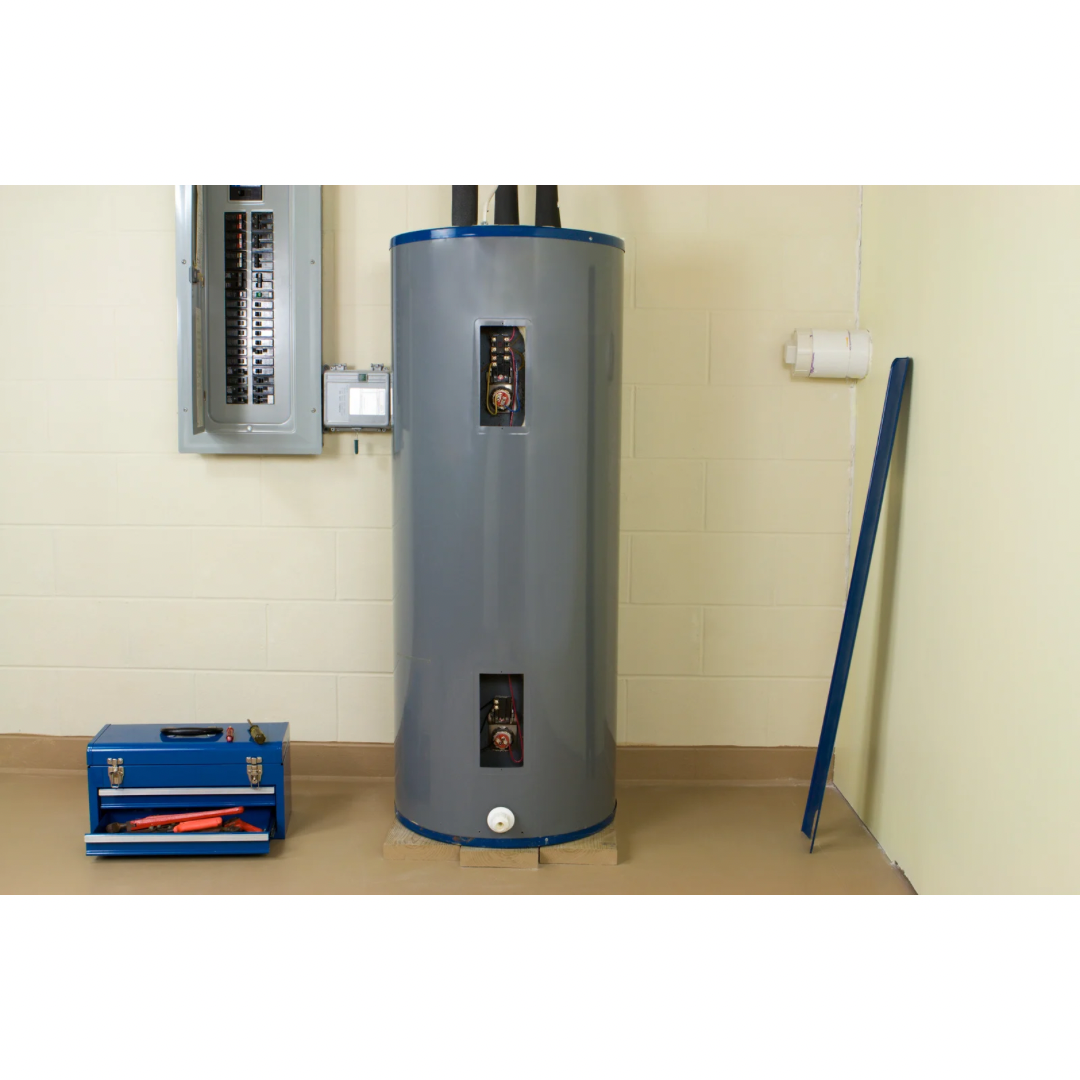
Water heater repair often starts with one urgent problem: hot water not working. Water heater repair troubleshooting looks different for a traditional tank water heater than for a tankless water heater, because tank systems store 30–80 gallons while tankless systems heat water on demand. Traditional tank water heaters commonly fail from burned-out heating elements, pilot/thermocouple issues, sediment buildup, or a rusted tank. Tankless water heaters commonly fail from mineral scaling, ignition problems, blocked inlet screens, or sensor and control-board faults that trigger error codes.
Water heater installation costs and timelines also differ. Traditional tank swaps commonly take 3–6 hours, while first-time tankless installations commonly take 6–10+ hours because gas line sizing, venting, electrical, and condensate drainage can change the scope. Water heater replacement becomes the safer choice when a tank leaks from the shell, when a unit reaches 8–12 years (typical tank lifespan), or when repeated repairs stack up. Specialty Plumbing helps Prosper and Celina, TX homeowners choose the best-fit option using licensed diagnostics, code-aware installation practices, and realistic maintenance planning for North Texas water conditions.
Water heater repair basics: what each system is and why failures look different
A traditional tank water heater is a storage system that heats and holds hot water in an insulated tank until a faucet or appliance calls for hot water. A traditional tank water heater typically uses a gas burner or electric heating elements to keep water near a set temperature.
A tankless water heater is an on-demand system that heats water only when flow is detected through the unit. A tankless water heater uses high-output burners or electric heating components, plus sensors and a control board, to deliver hot water without storing a large volume.
Water heater repair planning depends on the failure mode. Traditional tank water heater repair often involves mechanical parts like elements, thermostats, gas valves, or T&P relief valves. Tankless water heater repair often involves diagnostics for flow sensors, flame rods, igniters, heat exchanger scaling, and manufacturer-specific error codes from brands like Rinnai, Navien, Noritz, Rheem, and AO Smith.
Water heater repair vs water heater replacement: a practical definition
Water heater repair refers to restoring safe hot water by fixing a component such as an element, gas control, igniter, sensor, valve, or piping connection. Water heater replacement refers to removing the existing unit and installing a new water heater when tank integrity, safety, or total cost makes repair a poor value.
Licensed plumbers commonly evaluate replacement when a tank water heater shows shell corrosion, when a unit exceeds typical service life, or when repeated failures indicate system-wide deterioration.
Signs of trouble: “hot water not working” symptoms and what each symptom usually means
Water heater repair becomes more urgent when symptoms point to safety risks or imminent leakage. Water heater symptoms usually fall into a few predictable categories.
Symptom mini-map for homeowners (tank vs tankless)
| Symptom | Likely cause | Homeowner-safe first check | Common next step |
|---|---|---|---|
| No hot water (electric tank) | Tripped breaker, failed element, failed thermostat | Check breaker and reset once | Element/thermostat testing with a multimeter |
| No hot water (gas tank) | Pilot out, thermocouple issue, gas control fault | Confirm gas shutoff position; follow relight instructions on label | Gas valve/thermocouple diagnosis |
| No hot water (tankless) | Power/gas interruption, flow sensor issue, error code lockout | Check outlet power; confirm gas valve open; read error code | Descale, clean inlet screen, professional diagnostics |
| Hot water runs out fast | Sediment, undersized tank, dip tube failure | Note recovery time and usage pattern | Flush tank, evaluate sizing, consider replacement |
| Lukewarm water | Thermostat setting, mixing valve issue, scaling | Check thermostat setting (typical range 120°F–125°F) | Mixing valve service, descaling, element testing |
| Water pooling at base | Tank leak, T&P discharge, fitting leak | Identify leak source with dry paper towel | Replacement for tank-shell leak; repair for valve/fitting leak |
| Rumbling/popping noises | Sediment in tank, scale on heat exchanger | Listen during heating cycle | Tank flush or tankless descaling |
| Rusty or metallic hot water | Anode rod depleted, tank corrosion | Check if discoloration occurs only on hot side | Anode rod replacement or tank replacement |
Water heater warning signs that deserve same-day attention
Water heater repair needs immediate attention when a water heater shows active leaking, gas odor, scorch marks, or repeated pilot outages. Gas odor response requires shutting off gas at the valve and contacting a qualified professional, because gas accumulation creates fire risk.
Water heater T&P relief valve discharge also deserves prompt evaluation. T&P valves open to prevent dangerous overpressure, and frequent discharge can indicate excessive temperature, pressure, or a failing expansion tank.
Tankless vs traditional water heater installation: upfront costs and time expectations
Water heater installation refers to placing a new unit, connecting water/gas/electrical/venting safely, and verifying performance under load. Water heater replacement often includes code updates such as a drain pan, seismic strapping, shutoff valves, or venting corrections, depending on local requirements and the installation environment.
Upfront cost ranges homeowners commonly see in North Texas
Traditional tank water heater pricing typically ranges from $600–$1,500 for many 40–50 gallon units, with installation labor commonly ranging from $500–$1,000, depending on access, venting, and code updates. Tankless water heater pricing typically ranges from $1,000–$2,500+ for the unit, with installation commonly ranging from $1,200–$3,500 when gas line upgrades, venting changes, electrical circuits, or condensate drains are required.
Cost variables change quickly based on fuel type. Gas tankless installs often require larger gas piping because many units draw 150,000–199,000 BTU at full fire, while many tank heaters draw less.
Installation time expectations (realistic ranges)
Traditional tank-to-tank replacement commonly takes 3–6 hours with good access and modern shutoff valves. Traditional tank replacement can extend to a full day when corroded nipples, rusted shutoffs, or venting modifications appear.
Tankless water heater installation commonly takes 6–10+ hours for a first-time conversion, because venting, gas sizing, and condensate handling can add steps. Tankless-to-tankless replacement often runs faster than a conversion, because venting and gas supply may already be correct.
Why tankless installation often costs more
Tankless installation often requires four extra categories of work:
- Gas line sizing and pressure verification for high-BTU demand
- Venting category selection (PVC/CPVC/polypropylene vs stainless) and termination clearances
- Condensate drain routing for condensing units, often with a neutralizer kit
- Electrical requirements for ignition and controls, often a dedicated outlet or circuit
Specialty Plumbing, as a locally owned full-service provider with licensed Prosper TX plumbing professionals, typically evaluates each category during an on-site assessment to reduce surprise change orders and prevent performance problems after installation.
Water heater performance in daily life: efficiency, recovery, and “endless hot water” reality
Energy efficiency refers to how effectively a water heater converts fuel or electricity into delivered hot water. Standby loss refers to heat escaping from stored hot water in a tank while no fixtures run.
Traditional tank performance facts
Traditional tank water heaters heat a full tank and reheat after usage, a process called recovery. Traditional tank units can run out of hot water during peak demand, especially with multiple showers, laundry, and dishwashing stacked in a short window. Traditional tanks often show noticeable temperature drop after 3–4 back-to-back showers in some households, depending on tank size and incoming water temperature.
Tankless performance facts
Tankless water heaters deliver hot water based on flow rate measured in gallons per minute (GPM). Tankless systems can provide long-duration hot water, but undersized units can struggle when multiple fixtures run simultaneously. Tankless systems also show a “cold water sandwich” effect in some setups, where brief temperature swings occur between short hot water draws.
Prosper and Celina hard water reality: scaling changes the equation
Hard water scaling refers to mineral deposits that accumulate on heating surfaces and reduce heat transfer. Tankless heat exchangers often scale faster than tank heaters because high surface temperatures accelerate precipitation. Annual descaling commonly improves efficiency and prevents error codes, and many manufacturers recommend periodic flushing to maintain warranty coverage.
Homeowners looking for broader home plumbing reliability planning can pair water heater decisions with a preventive routine from Preventive Plumbing Maintenance in Prosper & Celina, TX: The Complete Homeowner Checklist (Costs, Timing, DIY vs Pro).
Water heater repair: common issues, safe checks, and realistic fixes
Water heater repair often starts with a few safe observations. Water heater repair safety requires shutting off power at the breaker for electric units and shutting off gas at the gas cock for gas units before any panel removal.
Common tank water heater repair issues
Electric tank water heater repair commonly involves failed upper/lower elements or failed thermostats. Gas tank water heater repair commonly involves pilot ignition issues, thermocouple problems, burner assembly cleaning, or gas control valve failure.
Sediment buildup creates additional symptoms. Sediment buildup can cause rumbling noises, reduced capacity, and longer recovery times, especially in older tanks.
Common tankless water heater repair issues
Tankless water heater repair commonly involves descaling, cleaning inlet screens, verifying gas pressure, and diagnosing ignition or flame-sensing faults. Tankless units often provide a numeric error code that points toward a category of fault, such as ignition failure, overheating, or abnormal combustion.
Electronic components also matter. Control boards, flow sensors, and thermistors can fail, and professional diagnostics often use manufacturer service modes plus combustion analysis for gas units.
How to troubleshoot “hot water not working” (homeowner-safe steps)
Water heater troubleshooting should focus on safe checks that avoid gas piping changes, live electrical work, or sealed combustion adjustments. Water heater troubleshooting also benefits from writing down the unit brand, model number, and any error codes before calling for service.
Confirm the problem scope
Hot water troubleshooting starts by testing multiple fixtures. Hot water loss at one faucet can indicate a fixture cartridge problem, while hot water loss at all fixtures points toward the water heater or a whole-home mixing valve.
Check the water heater power source
Electric water heater checks start at the breaker panel, because a tripped breaker can shut down heating. Tankless water heater checks start at the outlet or disconnect, because many tankless units require steady power for ignition and control logic.
Check gas supply and vent safety (gas units only)
Gas water heater troubleshooting starts by confirming the gas shutoff valve remains parallel to the gas line. Venting safety checks should look for obvious disconnections, corrosion, or soot staining, because soot can indicate combustion problems.
Look for leak evidence and identify the leak location
Water heater leak checks should distinguish between a tank-shell leak and a plumbing fitting leak. Tank-shell leaks often show water around the base seam, while fitting leaks often show wetness at a threaded connection, T&P valve, or drain valve.
Record temperatures, noises, and error codes
Water heater performance notes should include approximate water temperature, recovery behavior, and any unusual noises. Tankless units should include the exact error code and when the code appears, because intermittent faults require pattern recognition.
Stop DIY work when safety or code compliance becomes a factor
Water heater repair often crosses into high-risk territory when gas lines, combustion settings, venting materials, or high-voltage wiring enters the picture. Licensed plumber evaluation protects household safety and prevents hidden water damage from slow leaks.
Homeowners dealing with broader pressure issues that mimic water heater problems can cross-check symptoms with How to Troubleshoot & Fix Low Water Pressure in Your Prosper TX Home.
Maintenance, lifespan, and replacement timing (tank vs tankless)
Water heater lifespan depends on water quality, usage, installation quality, and maintenance routine. Water heater maintenance also reduces emergency breakdown risk during high-demand seasons.
Typical lifespan ranges
Traditional tank water heaters often last 8–12 years in many homes, with shorter lifespans common under heavy scaling or neglected maintenance. Tankless water heaters often last 15–20 years with regular descaling and proper combustion setup.
Maintenance tasks that meaningfully reduce repair frequency
Traditional tank maintenance includes annual draining and flushing to remove sediment and checking the T&P relief valve for proper operation. Traditional tank maintenance also benefits from an anode rod inspection, because a depleted anode rod accelerates tank corrosion.
Tankless maintenance includes annual descaling using a pump kit and approved descaling solution, cleaning inlet filters, and verifying venting condition. Condensing tankless maintenance also includes condensate line inspection to prevent backup and lockouts.
Replacement indicators that usually beat repair
Water heater replacement becomes the safer and more cost-effective path under several conditions:
- Tank water heater shell leaks, because tank metal failure rarely allows durable repair
- Repeated repairs on a unit near end-of-life, especially after 10+ years for many tank units
- Rust-colored hot water linked to internal corrosion
- Chronic overheating or frequent T&P discharge after pressure/expansion causes get corrected
- Tankless heat exchanger scaling that persists after professional descaling, especially with recurring error codes
Decision guide: choosing tankless vs traditional for a Prosper, TX home
Water heater selection should match household demand, fuel availability, and maintenance tolerance. Water heater sizing should account for incoming water temperature swings and simultaneous fixture usage.
Mini decision tree for homeowners
- Traditional tank water heater replacement fits homeowners who want the lowest upfront cost and predictable repair simplicity.
- Tankless water heater installation fits homeowners who want longer service life, space savings, and long-duration hot water with correct sizing.
- Tankless conversion planning works best during remodels, because venting and gas line changes integrate more easily.
- Hard water planning should include annual flushing or descaling plus optional water treatment, because scaling drives both repair rates and efficiency losses.
- Emergency replacement planning should prioritize safety when leaks appear, because water damage can escalate within minutes.
Specialty Plumbing routinely helps homeowners in Prosper and Celina, TX compare options using real measurements like gas line diameter, vent route feasibility, and fixture demand patterns, rather than guessing from square footage alone.
Water heater repair pricing and what drives the final number
Water heater repair pricing varies based on diagnosis complexity, parts availability, and access conditions. Water heater replacement pricing varies based on fuel type, venting category, and code-required accessories.
Water heater repair cost factors (common line items)
Water heater repair costs often depend on:
- Diagnostic time and access, especially in tight closets or attic platforms
- Parts type, such as elements, thermostats, gas controls, igniters, sensors, or mixing valves
- After-hours scheduling, when emergency calls apply
- Water damage mitigation needs when leaks affect drywall, flooring, or insulation
Many homeowners commonly report water heater repair costs ranging from $150–$500 for straightforward issues, while complex tankless diagnostics or specialty parts can push costs higher.
Water heater replacement cost factors (what changes the scope)
Water heater replacement scope often expands when projects require:
- Gas line upgrades for high-BTU tankless demand
- New venting materials and roof/wall penetrations
- Electrical circuit additions for tankless units
- Drain pans, drain lines, and seismic strapping
- Thermal expansion tank installation when required by system design
Homeowners preparing for multiple plumbing upgrades can also avoid common contractor pitfalls by reading 5 Plumber Mistakes That Cost Prosper TX Homeowners Thousands (and How to Avoid Them).
Time expectations: what happens immediately, daily, monthly, and yearly
Water heater repair planning improves when homeowners know what to expect over time.
- Immediate (same hour): Water heater leak response requires shutting off water and power/gas, then containing water with towels or a wet vac.
- Same day: Water heater diagnosis often takes 30–90 minutes on site depending on access and symptom clarity.
- Same week: Water heater replacement scheduling often depends on unit availability and whether venting or gas changes require extra coordination.
- Monthly: Water heater performance checks should watch for temperature drift, slow recovery, and new noises.
- Yearly: Water heater maintenance should include a tank flush or tankless descaling at least once per year in many North Texas homes.
When water heater repair becomes a job for a licensed professional
Water heater repair becomes professional work when safety, code compliance, or hidden damage risk enters the situation. Licensed Prosper TX plumbing professionals protect household safety by verifying combustion, venting, and pressure relief operation.
Water heater service should move to a professional under the following conditions:
- Gas water heater symptoms include gas odor, soot, melted wiring, or repeated pilot failure
- Electric water heater diagnosis requires live voltage testing or panel removal beyond basic breaker checks
- Water heater leaks appear at the tank seam or inside the combustion chamber
- Tankless water heater error codes return after descaling and inlet screen cleaning
- Water heater replacement requires venting changes, gas line modifications, or condensate drain routing
- Water damage appears near walls or flooring, because hidden moisture can cause mold and structural issues
Specialty Plumbing, a locally owned full-service provider serving Prosper and Celina, TX, provides water heater repair, water heater installation, and water heater replacement with code-aware workmanship and clear communication about options and tradeoffs.
Pro tips from the field (practical habits that prevent emergencies)
- Water heater shutoff valves should be tested before an emergency, because stuck valves delay leak response.
- Breaker labels and gas shutoff tags reduce response time during a no-hot-water event.
- Tankless venting upgrades should follow manufacturer vent tables and termination clearances, because backdrafting creates health risk.
- Annual flushing or descaling extends equipment life more reliably than “wait until failure” strategies.
- Diagnostic visits often prevent unnecessary replacement, because a small part like a sensor or element can mimic major failure.
Common questions about water heater repair and choosing tankless vs traditional
What causes “hot water not working” in a Prosper, TX home most often?
Water heater failures commonly involve tripped breakers, failed heating elements, pilot outages, or gas control issues for tank units. Tankless systems commonly lose hot water from scaling, ignition faults, or error-code lockouts. Plumbing crossovers from a failed mixing valve can also mimic a water heater problem.
When does water heater replacement make more sense than water heater repair?
Water heater replacement usually makes more sense when a tank leaks from the shell, because tank metal failure rarely allows a safe repair. Water heater replacement also becomes practical when repeated repairs occur near the end of a typical 8–12 year tank lifespan. Tankless replacement decisions often depend on heat exchanger condition and recurring error codes.
How long does water heater installation usually take for tank vs tankless?
Traditional tank water heater installation commonly takes 3–6 hours for a like-for-like swap with good access. Tankless water heater installation commonly takes 6–10+ hours for a first-time conversion due to venting, gas sizing, electrical, and condensate requirements. Installation timelines vary based on code upgrades and corrosion on existing connections.
How much does water heater repair typically cost in North Texas?
Water heater repair typically ranges from $150–$500 for many straightforward repairs, with costs varying by parts and diagnostics time. Tankless repairs can cost more when specialized sensors, control boards, or extensive descaling is required. Final pricing depends on access, after-hours scheduling, and whether leak damage needs mitigation.
Does a tankless water heater always save money on energy bills?
Tankless water heaters often reduce standby heat loss because on-demand heating avoids storing hot water all day. Energy savings depend on usage patterns, incoming water temperature, and correct sizing for peak GPM demand. Maintenance consistency also affects efficiency because scaled heat exchangers use more energy to deliver the same output.
Next steps for Prosper and Celina homeowners
Water heater repair decisions work best with a clear diagnosis and a plan for long-term reliability. Specialty Plumbing provides water heater repair, tankless water heater service, water heater installation, and water heater replacement for homeowners across Prosper and Celina, TX, with licensed professionals and straightforward recommendations based on safety, code compliance, and total cost over time.
For homeowners facing broader emergency decision-making, a local hiring guide like Plumber Near Me in Prosper, TX: How to Choose a Reliable Local Pro (Costs, Timing, Emergencies) can help set expectations before the next urgent call.