Quick summary: plumbing inspection essentials for Prosper homeowners
A plumbing inspection is a structured check of a home’s water supply, drains, fixtures, shutoff valves, and water heater to catch leaks and failures early. A plumbing inspection in Prosper, TX often identifies “almost problems” like corroded angle stops, pinhole leaks in copper, loose toilet supply lines, and slow drains caused by buildup before water damage spreads behind drywall. Many homeowners complete a basic DIY walkthrough in 60–120 minutes using a flashlight, paper towels, and a simple water-pressure gauge, but a professional plumbing inspection typically adds pressure testing, targeted leak detection, and documentation.
Professional plumbing inspection pricing in North Texas commonly ranges from $150–$400+, with higher costs for larger homes, older piping, multiple water heaters, tankless systems, water softeners, or hard-to-access plumbing. A proactive inspection schedule of every 12–24 months works well for many homes, with more frequent checks for homes built before the 1990s, homes with mature trees near sewer lines, or homes with a history of leaks. Specialty Plumbing provides licensed, locally owned, full-service plumbing inspections for homeowners in Prosper and Celina, TX.
Plumbing inspection basics: what a plumbing inspection is and why the process prevents expensive surprises
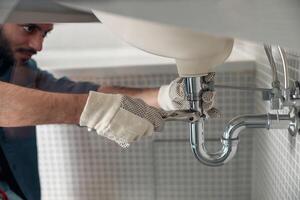
A plumbing inspection is a systematic evaluation of a home’s plumbing system designed to find active leaks, early corrosion, unsafe water-heater conditions, drainage restrictions, and failing shutoff valves. A plumbing inspection functions like a yearly physical for a house because hidden joints, valves, and connectors age quietly behind cabinets, inside walls, and under slab foundations.
A plumbing inspection matters even when no obvious leak exists because many failures start as small seepage. Small seepage often shows up as white mineral deposits, green copper oxidation, rust staining, or soft cabinet floors before a visible puddle appears. A plumbing inspection also supports smoother real estate transactions because inspection notes and repair records help buyers and sellers confirm maintenance history.
Prosper-area realities that make plumbing inspections more valuable
North Texas plumbing systems often face a combination of mineral content, seasonal temperature swings, and rapid neighborhood growth. Prosper and Celina homeowners commonly see:
- Hard-water scale buildup on faucet aerators, showerheads, and tank-type water heater elements
- Outdoor hose bibb wear from hot summers and freezing nights
- Expansion and contraction stress on fittings during temperature swings
- Sewer line risk from root intrusion in neighborhoods with mature landscaping
Homeowners managing recurring sewer symptoms often benefit from reading Sewer Line Repair in Prosper, TX: Warning Signs, Costs, Timelines, and Why Homeowners Trust Specialty Plumbing alongside an inspection plan.
Warning signs that a plumbing inspection should happen soon
A plumbing inspection becomes urgent when visible symptoms suggest hidden moisture or pressure problems. Homeowners in Prosper, TX commonly schedule inspections after any of the following warning signs:
- Water stains on ceilings, baseboards, or around window trim near bathrooms or laundry rooms
- Musty odors in cabinets or near walls, especially after showers or dishwasher cycles
- Unexplained water bill increases over 10–20% compared to a normal month
- Sudden pressure changes when a washing machine, dishwasher, or irrigation system runs
- Slow drains in more than one fixture, especially a shower plus a bathroom sink
- Gurgling sounds in drains after flushing a toilet
- Water hammer noises that sound like banging pipes after a faucet shuts off
- Rusty or discolored hot water that suggests water-heater corrosion or sediment disturbance
- Water heater rumbling or popping that often indicates sediment on the burner or elements
A plumbing inspection also makes sense after a remodel, after a freeze, or after purchasing a home, because new fixtures and shutoffs sometimes hide installation defects.
What a professional plumbing inspection covers (and what gets tested, not just viewed)
A professional plumbing inspection refers to a hands-on evaluation that combines visual checks with functional testing. Licensed plumbers typically confirm operation under real conditions because many leaks only appear under pressure or during drain flow.
Plumbing inspection checklist: common components a licensed plumber evaluates
A thorough plumbing inspection often includes the following categories:
- Main water shutoff valve operation and leak-tight closure
- Fixture shutoff valves at sinks, toilets, and laundry connections for smooth operation and sealing
- Water supply lines for bulges, corrosion, kinks, or degraded braided connectors
- Faucets and fixtures for drips, loose handles, worn cartridges, and clogged aerators
- Toilets for rocking, base seepage, tank-to-bowl leaks, and silent running
- Drain traps and slip joints for seepage, cross-threading, and improper slope
- Drain performance using timed flow checks and observation for gurgling or slow evacuation
- Water pressure using a gauge, with many homes targeting 40–80 psi as a common residential range
- Water heater condition, venting, connections, and safety devices
- Expansion tank condition (when installed) and pressure matching
- Outdoor hose bibbs for vacuum breaker function and stem packing leaks
- Backflow devices and irrigation connections (when present) for basic condition checks
Specialty Plumbing inspections in Prosper, TX often include practical homeowner coaching, including main shutoff location identification and valve exercise guidance, because emergency response depends on fast shutoff access.
Water heater inspection details homeowners often miss
A water heater inspection is a safety and performance check that focuses on leak risk, overheating protection, and corrosion. A water heater inspection often includes:
- Temperature and pressure relief valve (T&P valve) check for correct installation and discharge pipe routing
- Gas water heater venting visual verification for secure connections and safe draft path
- Electric water heater wiring visual verification for safe connections and no overheating marks
- Tank base and pan inspection for rust, moisture, or active seepage
- Tankless water heater service indicators and flushing history review, especially in hard-water areas
Homeowners planning replacement or code-ready upgrades can compare options in Water Heater Installation in Prosper, TX: A Homeowner’s Guide to Safe, Code-Ready Replacement.
Drain and sewer evaluation: when camera work becomes part of a plumbing inspection
A sewer camera inspection is a targeted diagnostic that uses a video camera to locate root intrusion, offsets, bellies, or heavy buildup. A sewer camera inspection often becomes valuable when multiple drains clog, when a cleanout backs up, or when a home shows repeated symptoms after snaking.
DIY plumbing inspection: a homeowner walkthrough that catches common issues
A DIY plumbing inspection is a visual and functional walkthrough that focuses on exposed plumbing and fixture behavior. A DIY plumbing inspection works best as a quarterly habit because small drips often appear under sinks long before damage becomes visible.
Tools that make a DIY plumbing inspection easier
A basic DIY kit often includes:
- Flashlight or headlamp
- Paper towels or a dry rag for wipe tests
- Small mirror for viewing behind traps
- Adjustable pliers for gentle checks
- Water pressure gauge (hose-thread style works well)
- PTFE tape for minor threaded connections (used correctly)
Locate and label shutoff valves
Main shutoff valve identification prevents panic during a leak. Main shutoff testing once per year helps prevent a seized valve during an emergency.
Check under-sink cabinets for moisture and staining
Cabinet bottom swelling, dark staining, and musty odor often signal slow seepage. Hand checks along supply lines often reveal dampness before puddles form.
Inspect toilet connections and the toilet base
Toilet supply lines commonly fail at the compression nut or braided connector ends. Toilet base moisture often indicates a wax ring issue or a cracked flange.
Run every faucet and watch drain behavior
Faucet testing reveals pressure drops and aerator blockages. Drain testing reveals slow evacuation, gurgling, or trap leaks under flow.
Check water heater area for rust, moisture, and noise
Water heater pan moisture suggests a slow leak or relief valve discharge. Rumbling or popping noises often indicate sediment buildup, especially on older tank units.
Check outdoor hose bibbs and irrigation connections
Hose bibb leaks at the stem packing often show up during first spring use. Vacuum breaker spitting or persistent drips often indicate a failing anti-siphon device.
Document findings with photos and dates
Photo documentation helps track whether corrosion or staining spreads over weeks. Repair history documentation helps during resale, warranty claims, and insurance conversations.
Plumbing inspection timing: what to expect today, this week, and over the year
A plumbing inspection plan works best when timing matches risk. Homeowners often benefit from a simple time-based approach:
- Immediate (same day): Active leaks, ceiling stains, sewage odors, or water heater seepage require same-day shutoff and evaluation.
- This week: Slow drains in multiple fixtures, recurring toilet running, or sudden pressure drops deserve scheduling within 3–7 days.
- This month: Seasonal checkups before summer travel or before winter freezes reduce surprise failures.
- Quarterly: DIY under-sink and water-heater-area checks often take 15–30 minutes per quarter.
- Every 12–24 months: Professional plumbing inspections commonly fit most homes, with more frequent intervals for older piping or prior leak history.
Homeowners noticing hot-water recovery problems can cross-check water heater performance symptoms in How Long Does It Take for Hot Water to Come Back? Recovery Times, Causes, and Faster Fixes for Prosper TX Homes.
Common plumbing problems and what the symptoms usually mean
A plumbing inspection often connects symptoms to likely causes. Early interpretation reduces damage because water travels quickly through framing and flooring.
| Symptom | Likely Cause | Quick Fix / First Step |
|---|---|---|
| Slow drain | Buildup in trap or branch line | Trap cleanout and hot-water flush; stop if leaks appear |
| Dripping faucet | Worn washer or cartridge | Cartridge replacement and aerator cleaning |
| Water stains on ceiling | Leak in supply or drain above | Main shutoff closure and professional leak location |
| Water heater leak | Rusted tank or loose connection | Water shutoff and power/gas shutoff; professional evaluation |
| Toilet runs constantly | Flapper or fill valve issue | Flapper replacement or fill valve adjustment |
Active leak damage-control timeline (practical and fast)
First 10 minutes: Stop water and limit spread
Main water shutoff closure prevents continuous flow. Standing water removal protects flooring and cabinets from swelling.
10-30 minutes: Protect valuables and contain drips
Electronics relocation and towel placement reduce secondary damage. Bucket placement under active drips reduces ceiling collapse risk.
First hour: Get professional diagnosis and moisture control guidance
Licensed plumber evaluation prevents repeated leaks from temporary patches. Moisture control planning reduces mold risk behind walls over 24–72 hours.
Plumbing inspection cost in Prosper, TX: typical ranges and what drives pricing
A plumbing inspection cost typically ranges from $150–$400+ in many North Texas markets, with pricing varying based on scope and complexity. A documented inspection with detailed reporting and advanced diagnostics commonly costs more than a quick walkthrough.
Cost factors that commonly change plumbing inspection pricing
- Home size and bathroom count: Larger homes require more fixture testing time.
- Home age: Older homes often contain galvanized steel, aging copper, or legacy shutoff valves that require careful handling.
- System complexity: Tankless water heaters, recirculation pumps, water softeners, and filtration systems add inspection time.
- Accessibility: Tight vanity cabinets, attic runs, crawlspaces, and buried cleanouts increase labor time.
- Diagnostic add-ons: Sewer camera inspection, pressure testing, and electronic leak detection add cost.
- Documentation needs: Real estate transactions and insurance documentation often require detailed notes and photo evidence.
A plumbing inspection often pays for itself when early detection prevents cabinet replacement, drywall repair, or flooring remediation. Water damage restoration bills commonly exceed $1,000–$10,000+ depending on materials and affected rooms, with wide variation based on drying needs and rebuild scope.
Pro tips licensed plumbers want homeowners to follow
A plumbing inspection becomes more effective when homeowners avoid common mistakes.
- Small leaks deserve fast attention: A single drip can waste significant water over weeks and accelerate cabinet rot.
- Main shutoff testing prevents disaster: Annual shutoff exercise reduces seizure risk during an emergency.
- Overtightening causes cracks: Hand-tight plus a quarter turn often prevents cracked plastic fittings and stripped threads.
- Correct sealant choice prevents callbacks: PTFE tape fits many threaded connections; pipe dope often fits metal-to-metal threads; manufacturer instructions should guide final selection.
- Repair records reduce future costs: Photos, dates, and part receipts help future troubleshooting and resale disclosures.
When DIY ends: clear decision rules for calling a licensed plumber
A professional plumbing inspection becomes the safest option when risk extends beyond exposed pipes. Specialty Plumbing, a locally owned full-service provider staffed by licensed Prosper TX plumbing professionals, often recommends professional help under the following conditions:
- Hidden leak indicators such as ceiling stains, wall bubbling paint, or musty odors near bathrooms
- Recurring clogs affecting multiple fixtures, especially when a plunger provides only short-term relief
- Main shutoff valve failure when a valve will not close fully or leaks around the stem
- Water heater age and symptoms when a unit exceeds 8–12 years and shows rust, seepage, or inconsistent hot water
- Pressure outside normal range when pressure readings exceed 80 psi or fluctuate sharply during appliance use
- Sewer odor or cleanout backup suggesting a main line restriction or venting issue
- Remodel or home purchase needs when documentation and code awareness matter
Specialty Plumbing serves homeowners across Prosper and Celina, TX, and licensed diagnosis helps prevent “fix one leak, discover three more” scenarios common with aging valves and brittle fittings.
Common questions about plumbing inspections
How often should a plumbing inspection happen for a typical home?
A professional plumbing inspection commonly works well every 12–24 months for many homes. Older homes, homes with prior leaks, and homes with mature trees near sewer lines often benefit from more frequent checks.
How long does a professional plumbing inspection take?
A professional plumbing inspection often takes 60–180 minutes depending on home size, fixture count, and accessibility. Sewer camera work, leak detection, or detailed reporting can extend the appointment.
What does a plumbing inspection usually include?
A plumbing inspection usually includes fixture testing, drain checks, shutoff valve testing, water pressure measurement, and water heater safety evaluation. A more comprehensive inspection can include moisture detection and sewer camera diagnostics when symptoms justify deeper testing.
Are plumbing inspections worth scheduling when no leak is visible?
A plumbing inspection often finds early corrosion, loose supply lines, and failing shutoff valves before water damage becomes obvious. Preventive inspections commonly cost far less than cabinet replacement, drywall repair, and flooring remediation after a hidden leak.
Can a homeowner complete a plumbing inspection without special tools?
A homeowner plumbing inspection can cover many basics using a flashlight, paper towels, and careful observation under flow. A licensed plumber brings pressure gauges, specialized wrenches, and diagnostic tools that find problems inside walls, slabs, and sewer lines.
Next steps for Prosper and Celina homeowners
A plumbing inspection becomes a straightforward, low-stress project with the right checklist and the right timing. Specialty Plumbing helps homeowners in Prosper and Celina, TX with inspection-focused maintenance, leak diagnosis, water heater safety checks, and drain evaluations using licensed, professional standards. A scheduled plumbing inspection offers a practical way to protect cabinets, flooring, drywall, and long-term home value without waiting for an emergency.