Quick Summary: Drain cleaning basics for homeowners (TL;DR)
Drain cleaning removes blockages that slow or stop wastewater flow in sinks, tubs, showers, toilets, and sewer lines. Drain cleaning usually starts with the least invasive method—plunging, hot-water flushing, or clearing a stopper—then escalates to a manual drain snake (hand auger) or trap cleaning when a clog sits deeper in the branch line.
Homeowners in Prosper and Celina, TX can often clear a single slow drain in 10–60 minutes using a cup plunger, flange plunger, Zip-It hair tool, bucket, and a 15–25 foot manual auger. Chemical drain cleaners create pipe-damage and fume risks, and repeated chemical use commonly worsens stubborn clogs by creating gel-like residue.
A main line clog becomes more likely when multiple fixtures drain slowly, when a tub/shower backs up during toilet flushing, or when sewage odors appear. Main sewer line problems can involve tree roots, heavy buildup, or damaged pipe sections, and main line clearing often requires professional equipment such as a motorized drain auger and sewer camera inspection. Specialty Plumbing is a locally owned, full-service provider with licensed Prosper TX plumbing professionals serving Prosper and Celina, TX.
Drain cleaning explained: what drain cleaning is and why drains clog
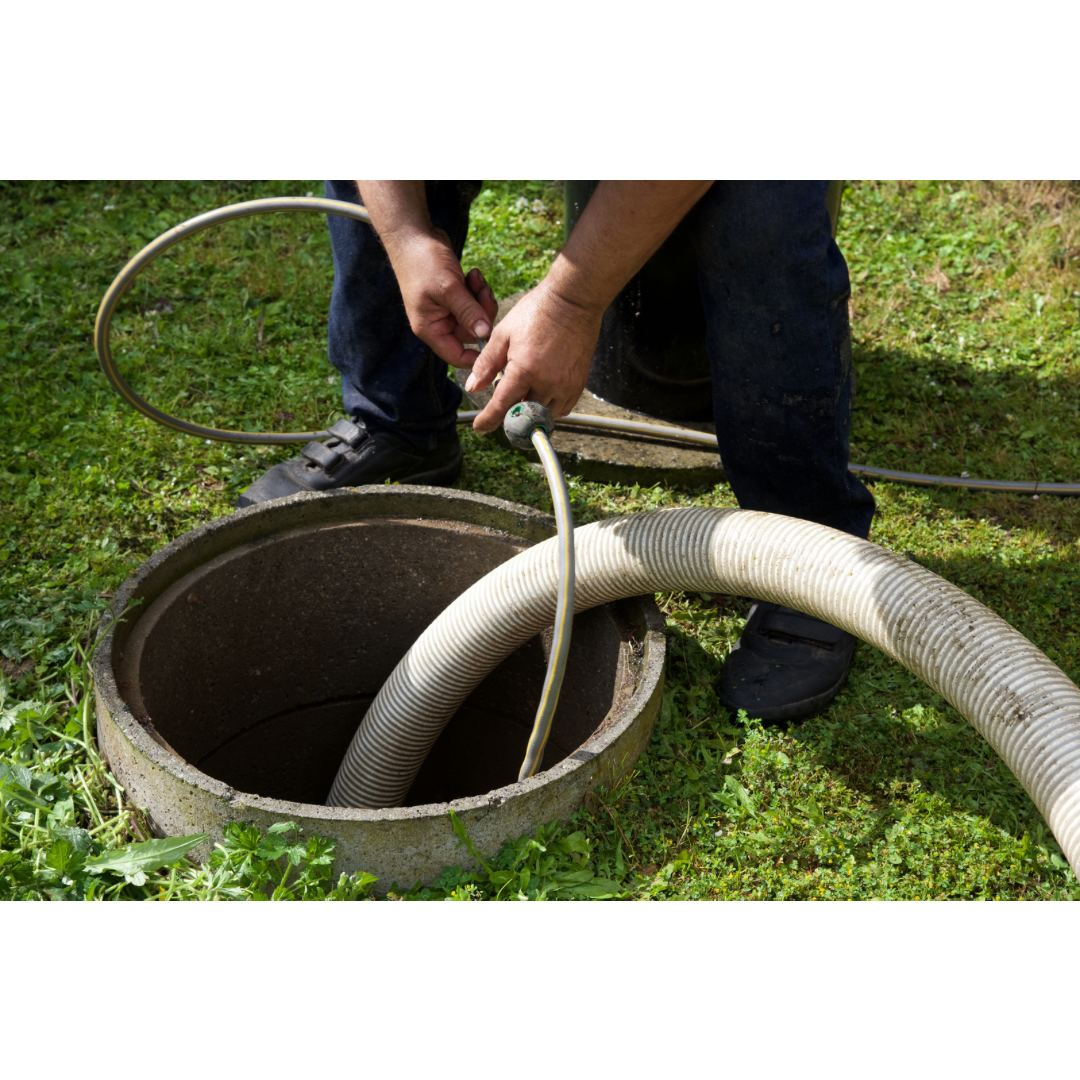
Drain cleaning is the process of removing obstructions and buildup from plumbing drainage pipes so wastewater flows freely from fixtures to the sewer line. Drain cleaning addresses both “soft clogs” (grease, soap, hair) and “hard clogs” (foreign objects, heavy scale, root intrusion) that restrict pipe diameter over time and create backups.
Drain clogs form for predictable reasons in predictable locations, and fixture type usually determines clog material. Kitchen drain clogs often start as grease that cools and hardens, then traps food particles and detergent residue. Bathroom drain clogs commonly start as hair strands that snag on rough pipe walls and bind with soap scum. Toilet clogs often involve excess paper, non-dispersing wipes, or small objects. Main sewer line clogs can involve roots seeking moisture through tiny pipe defects, long-term buildup, or pipe damage.
A key difference separates “a clogged drain” from “a sewer line problem.” A single slow sink usually indicates a localized blockage near the fixture. Multiple slow drains usually indicate a restriction in a shared branch line or the main line.
Common drain clog culprits by fixture
- Kitchen sink drains: cooking grease, oils, food scraps, coffee grounds, starchy residue, soap scum
- Bathroom sink drains: hair, toothpaste residue, soap scum, dropped items (caps, jewelry)
- Tub and shower drains: hair, soap scum, body oils, mineral scale
- Toilets: excess toilet paper, wipes labeled “flushable,” hygiene products, small toys
- Main sewer line: tree roots, heavy buildup, damaged or collapsed pipe sections
Signs a clogged drain is getting worse (before a full backup)
Clogged drain symptoms usually appear as slow drainage, recurring backups, gurgling sounds, or odors, and each symptom points to a likely blockage location. Clogged drain warning signs matter because early intervention often prevents overflow damage, hidden leaks, and repeated clogs caused by partial blockages left behind.
A slow drain that improves briefly after plunging often indicates a partial clog that shifts but does not fully clear. Gurgling sounds often indicate air struggling to move past a restriction or a venting problem that mimics a clog. Sewer odors can indicate a dry trap, biofilm buildup, or a deeper sewer issue that needs professional evaluation.
Drain symptoms that usually indicate a localized clog
- One fixture drains slowly (one sink, one tub, one shower)
- Standing water appears in a single basin after normal use
- Water level rises during plunging and then drops slowly
- Clog returns every few days or weeks in the same fixture
Drain symptoms that often indicate a main line clog
- Multiple fixtures drain slowly in different rooms
- Toilet flushing causes tub/shower backup
- Sewage odor appears near floor drains or bathrooms
- Gurgling occurs across multiple fixtures after using a sink or toilet
DIY drain cleaning that works: safest methods first (and what to avoid)
DIY drain cleaning works best when a homeowner uses the least aggressive method that matches the clog type and clog location. DIY drain cleaning usually succeeds for hair clogs, soap scum buildup, and minor kitchen grease restrictions near the fixture, and DIY drain cleaning usually fails when a blockage sits deep in the line or involves roots or pipe damage.
A safe DIY approach follows a simple escalation path: remove visible debris, plunge correctly, clear the trap when accessible, and use a manual drain snake when a clog sits past the trap. A careful DIY approach also avoids pipe-damaging shortcuts, especially repeated chemical treatments.
Confirm the problem drain and reduce water use
A homeowner should stop running water at the affected fixture to prevent overflow and to keep the clog location stable for diagnosis. A homeowner should test nearby fixtures to check whether one drain or multiple drains show symptoms.
Remove the stopper or strainer and clear visible debris
A homeowner should remove a tub stopper, shower strainer, or sink pop-up linkage when accessible and pull out hair and sludge with a gloved hand or a plastic Zip-It hair tool. A Zip-It tool typically reaches several inches into the drain and removes hair mats that plungers cannot grab.
Use hot water appropriately (not always boiling)
A homeowner can flush a kitchen sink drain with hot tap water to soften grease and move light buildup downstream. A homeowner should avoid boiling water on PVC drainage piping because high heat can soften or warp plastic fittings, and a homeowner should avoid boiling water in toilets.
Plunge using the correct plunger and a proper seal
A homeowner should use a cup plunger for sinks and tubs and a flange plunger for toilets. A homeowner should cover the overflow opening in a sink or tub to improve suction, then plunge with controlled strokes for 20–30 seconds before checking drainage.
Clean the P-trap for under-sink clogs
A homeowner can place a bucket under the trap, loosen slip nuts with channel-lock pliers, and remove the P-trap for cleaning. A homeowner should inspect the trap for sludge, food debris, or small objects and should reassemble the trap carefully to prevent leaks.
Snake the drain with a manual drain snake (hand auger)
A homeowner can feed a 15–25 foot manual drain snake into the drain line past the trap and rotate the handle to break up hair and soft buildup. A homeowner should retract the cable periodically to wipe debris and should stop forcing the cable if the cable binds hard, because aggressive pushing can damage fittings.
DIY tools that solve the most common clogs
- Cup plunger: best for sinks and tubs
- Flange plunger: best for toilets because the flange seals the bowl outlet
- Plastic Zip-It hair tool: best for bathroom sinks, tubs, and showers
- Manual drain snake (hand auger): best for deeper hair clogs and soft buildup
- Bucket and towels: essential for trap removal and spill control
- Channel-lock pliers or adjustable wrench: useful for slip-joint nuts under sinks
- Rubber gloves and eye protection: reduces contact with bacteria and splash risk
Chemical drain cleaners: why plumbers often discourage repeated use
Chemical drain cleaners can corrode metal piping, degrade some plastic components, and create fumes that irritate lungs and eyes. Chemical drain cleaners can also harden into gel-like residue when a clog does not clear fully, and gel residue can make later snaking harder and messier. A safer pattern uses mechanical clearing first and uses professional evaluation for recurring clogs.
Drain snake vs. drain auger vs. professional equipment: what each tool does
A drain snake refers to a flexible cable tool that breaks up or retrieves clogs, and a drain auger is a type of snake designed to bore through buildup with a coiled head. Drain snake selection matters because a hand auger fits many household clogs, while motorized equipment becomes necessary for long runs, dense buildup, or main line clogs.
Homeowners usually succeed with a manual snake on short fixture lines, especially in bathroom drains. Main sewer clogs often require a longer cable, stronger torque, and specialized heads, and professional plumbers often pair cable work with a sewer camera to confirm full clearing and identify damage.
Comparison table: common drain-clearing options
| Method | Best for | Typical reach | Key risk | Best practice |
|---|---|---|---|---|
| Plunger (cup/flange) | Soft clogs near fixture | N/A | Poor seal reduces effectiveness | Cover overflow openings for sinks/tubs |
| Zip-It hair tool | Hair mats near drain opening | Several inches | Limited depth | Pull debris slowly to avoid break-off |
| Manual drain snake (hand auger) | Hair/soap clogs past trap | 15–25 ft | Cable kinks or binds | Rotate gently; stop forcing at hard resistance |
| Trap removal (P-trap) | Under-sink blockages | N/A | Leaks after reassembly | Reassemble carefully; verify alignment and tightness |
| Professional motorized auger | Long runs, dense buildup | Often much longer than DIY | Pipe damage if misused | Use trained handling and correct cutting head |
| Sewer camera inspection | Confirm clog location and pipe condition | Line-of-sight via camera | Misdiagnosis without experience | Use video inspection for recurring or main line issues |
Troubleshooting guide: drain symptom → likely cause → safest next step
Drain troubleshooting becomes faster when a homeowner matches symptoms to clog location and chooses the least invasive fix first. Drain troubleshooting also helps identify main line clog patterns early, because main line issues can affect multiple fixtures and can create sewage backup risk.
A single slow drain usually indicates a localized blockage that responds to plunging, trap cleaning, or a hand auger. Multiple slow drains or cross-fixture backups often indicate a shared line restriction or a main sewer line clog that needs professional diagnosis.
| Symptom | Likely cause | Safest next step |
|---|---|---|
| Slow kitchen sink drain | Grease, food gunk, soap scum | Hot tap water flush, cup plunger, then hand snake |
| Water backs up in tub/shower | Hair, soap scum | Remove stopper/strainer, Zip-It tool, then hand snake |
| Toilet gurgles or struggles to flush | Local blockage or downstream restriction | Flange plunger, then toilet auger; stop if recurring |
| Multiple fixtures drain slowly | Main line clog or shared branch issue | Reduce water use and contact a licensed plumber |
| Tub backs up when toilet flushes | Main line restriction | Stop using water and request professional evaluation |
| Sewer odor near drains | Dry trap, biofilm, or sewer issue | Run water to refill trap; call a plumber if odor persists |
Costs, time expectations, and what drives drain cleaning complexity (without guessing prices)
Drain cleaning cost and drain cleaning time depend on clog location, access, severity, and pipe condition. Drain cleaning for a single fixture clog often takes less time than drain cleaning for a main line clog, and main line problems often require diagnostic steps such as camera inspection to avoid repeated backups.
DIY drain clearing often fits into a single session when the clog sits near the fixture. Professional drain cleaning varies widely because access points, pipe length, and pipe material change the difficulty of cable work and cleanup.
DIY drain cleaning: realistic time expectations
- Immediate (0–30 minutes): stopper/strainer cleaning, Zip-It hair tool removal, basic plunging
- Same day (30–90 minutes): P-trap removal and cleaning, careful reassembly, hand snaking a short run
- Weekly perspective: recurring slow drains often indicate partial clearing or ongoing habits (grease, hair)
- Monthly perspective: monthly hair removal and hot-water flushing reduces buildup in high-use bathrooms
Professional drain cleaning: what influences scope and complexity
- Clog location: fixture trap vs. branch line vs. main sewer line
- Access: cleanout availability, under-sink access, and fixture configuration
- Clog material: grease, hair, wipes, scale, roots, or foreign objects
- Pipe material and condition: older metal piping can be more fragile than newer piping
- Diagnostic needs: sewer camera inspection helps confirm full clearing and identify damage
Pricing varies by job conditions, including access, severity, and whether additional diagnostics are needed. Specialty Plumbing can explain options after a plumber confirms the likely clog location and safest clearing method.
Drain cleaning safety: preventing leaks, injuries, and hidden damage
Drain cleaning safety depends on controlling water, avoiding chemical exposure, and preventing mechanical damage to piping and fittings. Drain cleaning becomes riskier when a homeowner forces a snake, disassembles piping without preparation, or ignores sewer gas odors that indicate a potentially hazardous condition.
A homeowner should wear gloves and eye protection during any drain work because wastewater splash carries bacteria. A homeowner should stop DIY work when black water or sewage appears, because sewage backup can create health and contamination risks.
Safety rules that prevent the most common DIY mistakes
- Water control: a homeowner should shut off fixture water supply when disassembling drain components under a sink.
- Electrical awareness: a homeowner should keep standing water away from outlets, power strips, and appliances under sinks.
- Snaking technique: a homeowner should rotate a cable gently and should avoid forcing a cable through hard resistance.
- Chemical caution: a homeowner should avoid mixing drain chemicals and should avoid adding chemicals after plunging or snaking.
- Sewer gas response: a homeowner should treat persistent sewer odor as a reason to request professional evaluation.
Leak damage control: a simple first-hour checklist
- A homeowner should stop water flow at the fixture and should contain water with towels and a bucket.
- A homeowner should identify leak points at slip nuts, trap joints, and tailpieces and should hand-tighten carefully.
- A homeowner should contact a licensed plumber when water spreads into cabinets, walls, or ceilings or when water approaches electrical components.
When DIY drain cleaning should stop and a professional plumber should take over
Professional drain cleaning becomes the safest option when symptoms suggest a main line clog, when a clog persists after basic mechanical clearing, or when sewage backup risk appears. Professional drain cleaning also makes sense when repeated clogs indicate an underlying issue such as root intrusion, heavy buildup, venting problems, or pipe damage.
Homeowners in Prosper and Celina, TX often call Specialty Plumbing after repeated plunging fails, after multiple fixtures slow down at once, or after sewer odors appear. Specialty Plumbing is a locally owned, full-service provider with licensed Prosper TX plumbing professionals who can evaluate drain conditions and recommend a safe clearing approach.
Clear decision criteria: DIY vs. call a licensed plumber
- One slow sink, tub, or shower: a homeowner can start with stopper cleaning, plunging, and a hand snake.
- Multiple slow drains in the home: a homeowner should stop heavy water use and contact a plumber for main line evaluation.
- Recurring clogs in the same fixture: a plumber can check for deeper buildup, venting issues, or pipe condition problems.
- Sewage odor or black water: a plumber should handle the problem because sewage exposure creates health risks.
- Snake binds hard or cable will not retract: a plumber can prevent pipe damage and retrieve stuck equipment safely.
- Wet spots in the yard combined with drain issues: a plumber can evaluate for sewer line problems without guesswork.
For homeowners who suspect a sewer line issue, the article Sewer Line Repair in Prosper, TX: Warning Signs, Costs, Timelines, and Why Homeowners Trust Specialty Plumbing provides deeper context on warning signs and next steps.
Pro tips for preventing clogged drains in North Texas homes
Drain clog prevention relies on consistent habits that reduce grease, hair, and solids entering the drainage system. Drain maintenance works best as small, repeatable actions performed weekly or monthly, because buildup becomes harder to remove after months or years of accumulation.
Hard water conditions in North Texas can contribute to mineral scale that roughens pipe walls and helps debris cling. A prevention plan focuses on keeping solids out, capturing hair, and avoiding grease disposal down kitchen drains.
Practical prevention habits that reduce drain cleaning needs
- Kitchen grease control: a homeowner should cool grease in a container and dispose of grease in the trash rather than the sink.
- Drain screens: a homeowner should use sink strainers and shower hair catchers to block debris at the source.
- Monthly hair removal: a homeowner should pull hair from shower drains monthly in high-use bathrooms.
- Garbage disposal discipline: a homeowner should avoid fibrous foods like celery strings and potato peels that can tangle and build up.
- Hot water flushing: a homeowner can run hot tap water after kitchen sink use to move light residue downstream.
Homeowners dealing with kitchen drainage issues tied to disposals can also reference How to Troubleshoot and Fix a Broken Garbage Disposal in Prosper, TX for safe diagnostic steps.
Common Questions About drain cleaning
How often should drain cleaning be done for a typical home?
Drain cleaning for most homes can be limited to light maintenance every few months, such as hair removal and hot-water flushing. Drain cleaning frequency should increase when a drain handles heavy hair, grease, or high daily use.
Are store-bought chemical drain cleaners safe for clogged drain problems?
Chemical drain cleaners can damage some pipes and fittings and can create hazardous fumes in enclosed spaces. Mechanical drain cleaning methods like plunging, trap cleaning, and a manual drain snake usually provide safer control for recurring clogged drain issues.
What signs suggest a main line clog instead of a single clogged drain?
A main line clog often causes multiple fixtures to drain slowly and can cause a tub or shower to back up when a toilet flushes. A main line clog can also produce sewer odors, and a licensed plumber can confirm the cause with professional tools.
Can tree roots clog a sewer line in Prosper or Celina, TX?
Tree roots can enter sewer piping through small defects and can grow into a blockage over time. A sewer camera inspection can confirm root intrusion and can help guide the safest clearing method.
What should a homeowner do when a drain snake gets stuck?
A homeowner should stop forcing the drain snake because forcing a cable can damage fittings or break the cable. A licensed plumber can retrieve a stuck cable and can evaluate whether pipe condition or an obstruction caused the bind.
Local help in Prosper and Celina, TX: when Specialty Plumbing makes sense
Drain cleaning service becomes valuable when a homeowner needs confident diagnosis, safer equipment use, or a plan to stop recurring clogs. Specialty Plumbing provides drain cleaning support as a locally owned, full-service provider with licensed Prosper TX plumbing professionals serving Prosper and Celina, TX.
Recurring drainage problems sometimes connect to bigger plumbing topics, including sewer line condition and broader home plumbing maintenance. Homeowners planning a broader plumbing checkup can compare DIY vs. pro decision-making in Residential Plumbing Services in Prosper TX: The Smart Homeowner Guide (Costs, Timing, DIY vs Pro).
Suggested image placement (from the draft)
Recommended image: Homeowner using a manual drain snake on a bathroom sink Placement: Near the “DIY drain cleaning that works” section Alt text: Homeowner using a manual drain snake to clear a bathroom sink clog