Quick summary: how long does it take for hot water to come back?
How long does it take for hot water to come back depends on water heater type, heater size, fuel source, sediment level, and plumbing distance from the heater to the fixture. Tank water heaters commonly need 30–80 minutes to fully recover after the tank runs cold, with gas tanks often recovering in 30–50 minutes and electric tanks often recovering in 60–80 minutes for typical 40–50 gallon models. Tankless water heaters usually deliver continuous hot water, but a tankless system can still produce lukewarm water when the unit is undersized, scaled with mineral buildup, or throttled by low flow or gas supply limits.
Hot water “comeback time” also includes delivery time, which often adds 30 seconds to 3+ minutes at distant bathrooms due to cooled water sitting in the hot line. Common Prosper and Celina, TX fixes include tank flushing, thermostat or heating element replacement, burner service, pipe insulation, and recirculation pump tuning. Specialty Plumbing, a locally owned team of licensed Prosper TX plumbing professionals, helps homeowners diagnose the exact bottleneck so hot showers return faster and more reliably.
How long does it take for hot water to come back? Normal recovery times by system
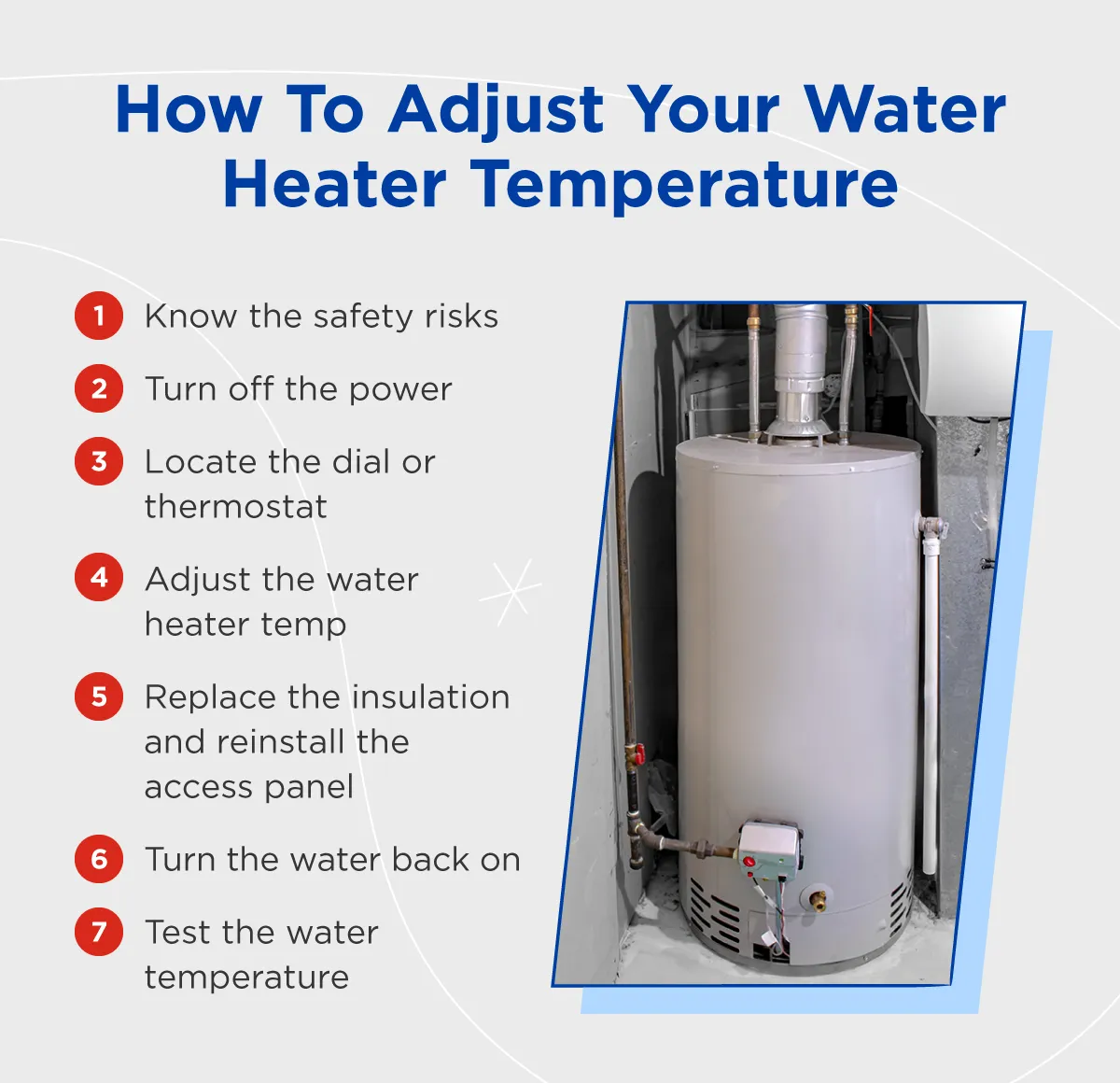
Hot water recovery time is the time a water heater needs to reheat water after the stored hot water supply gets used up. Hot water delivery time is the time hot water needs to travel from the heater to a faucet or shower.
Typical recovery times for tank water heaters (gas vs electric)
Tank water heater recovery time varies by tank size (gallons), temperature rise (°F), and fuel input (BTU or watts).
- Gas tank water heater (40–50 gallons): recovery commonly runs 30–50 minutes under normal operating conditions.
- Electric tank water heater (40–50 gallons): recovery commonly runs 60–80 minutes because electric elements often reheat more slowly than gas burners.
- Smaller tanks (30 gallons): recovery can feel faster for one shower but runs out sooner for back-to-back usage.
- Larger tanks (75–80 gallons): recovery can take longer to fully reheat but supports higher peak demand.
Water heater age often changes the real-world numbers. Water heaters older than 10–12 years often recover more slowly due to sediment, worn components, or reduced burner/element performance.
Typical “recovery” behavior for tankless water heaters
A tankless water heater is an on-demand system that heats water only when needed. Tankless units usually do not “run out” of hot water, but a tankless system can deliver lukewarm water when demand exceeds capacity.
Common tankless limitations include:
- Flow-rate limits: many residential tankless units deliver a finite gallons-per-minute output at a given temperature rise.
- Scale buildup: mineral scale acts like insulation and reduces heat transfer.
- Cold incoming water: winter incoming water can reduce outlet temperature at the same flow rate.
- Gas supply constraints: undersized gas lines or regulator issues can reduce burner output.
Hot water delivery time: the hidden reason showers stay cold
Hot water delivery time refers to the delay caused by cooled water sitting in hot-water piping between uses. Long pipe runs, uninsulated lines, and distant fixtures can add 1–3 minutes even when a water heater is fully recovered.
Plumbing layouts in Prosper TX homes often place water heaters in garages, attics, or utility rooms. A master shower located across the home can require purging multiple gallons of cooled water before hot water arrives.
Why hot water runs out in the first place (and what “running out” actually means)
Hot water “running out” in a tank system means the tank’s stored hot water has been depleted and replaced by incoming cold water. A dip tube inside the tank directs incoming cold water to the bottom, and a burner or element reheats the entire tank volume.
Hot water “running out” in a tankless system usually means the system cannot keep up with the combined demand of showers, dishwashers, washing machines, and simultaneous faucets.
Tank vs. tankless: what changes for Prosper homeowners
Tank water heaters store a fixed volume like 40 gallons or 50 gallons, so back-to-back showers can exhaust the supply. Tankless systems heat indefinitely but can be constrained by flow rate, maintenance, and installation sizing.
A family of five in Prosper running two showers plus a dishwasher can overwhelm a small tank or an undersized tankless unit. Hot water planning often requires matching heater output to peak morning demand.
Warning signs that hot water recovery is too slow (not normal)
Slow hot water comeback time often shows up as repeatable patterns. Homeowners should treat the following symptoms as diagnostic clues.
Symptoms pointing to a water heater issue
- Recovery time exceeds 80–90 minutes on a typical tank system after moderate use.
- Water temperature never reaches the setpoint even after a long wait.
- Rumbling, popping, or sizzling sounds occur during heating, often linked to sediment.
- Hot water turns lukewarm quickly even with short showers, often linked to a failing dip tube or undersized tank.
- Breaker trips on electric water heaters, often linked to a failing element or wiring issue.
- Pilot light outages or burner cycling issues on gas units.
Symptoms pointing to a plumbing distribution issue (not the heater)
- One fixture takes much longer than others to get hot water.
- Hot water arrives quickly at a nearby sink but arrives slowly at a distant shower.
- Hot water temperature fluctuates when another fixture runs, sometimes linked to a shower mixing valve or pressure balance valve.
Mixing valve problems can mimic water heater failures. A failed thermostatic mixing valve can blend too much cold water and create “never hot enough” complaints even when the tank is hot.
Common reasons hot water takes too long to come back in Prosper, TX homes
Slow hot water recovery usually comes from capacity, efficiency loss, or distribution losses.
1. Water heater size mismatch for household demand
Water heater sizing refers to matching tank volume or tankless output to peak usage. A 40-gallon tank often struggles with multiple consecutive showers, while a 50-gallon or 75-gallon tank can handle higher peak demand.
Household demand spikes often occur between 6:00–9:00 AM when showers, laundry, and dishwashing overlap.
2. Sediment buildup reduces heating efficiency
Sediment buildup refers to minerals settling at the bottom of a tank and forming an insulating layer. Sediment buildup can increase recovery time, reduce effective capacity, and create popping noises.
Prosper-area water can carry minerals that accelerate scale and sediment. Annual maintenance often reduces long-term performance loss.
3. Failed heating element or thermostat on electric water heaters
Electric water heaters typically use two heating elements (upper and lower) with thermostats controlling each zone. A failed lower element often causes “one quick hot shower then cold” because only the top portion heats.
Electric element replacement commonly takes 1–2 hours for a professional, but correct diagnosis requires testing voltage, continuity, and thermostat operation.
4. Burner, thermocouple, or gas control issues on gas water heaters
Gas water heaters rely on a burner and gas control valve. A weak burner flame, dirty burner, venting problem, or gas control issue can slow recovery.
Carbon monoxide safety and combustion air requirements make gas diagnostics a professional-level task in many situations.
5. Distance from water heater to fixture and uninsulated pipes
Long pipe runs increase the volume of cooled water that must purge before hot water arrives. Pipe insulation using foam sleeves can reduce heat loss and shorten the wait at the tap.
A plumbing run of 50–100 feet to a distant bathroom can add noticeable delay, especially after hours without hot water use.
6. Recirculation pump problems (or missing recirculation)
A hot water recirculation system is a pump-and-loop setup that keeps hot water near fixtures. A failed pump, incorrect timer setting, or stuck check valve can cause long waits or crossflow issues.
Recirculation upgrades can be installed as dedicated return-loop systems or demand-activated systems depending on home layout.
7. Crossovers and mixing at fixtures
A plumbing crossover refers to cold water bleeding into the hot line through a failed cartridge, single-handle faucet, or mixing valve. Crossovers can cause “warm but never hot” symptoms at multiple fixtures.
A simple diagnostic often involves shutting fixture stops one at a time to identify the crossover source.
How to troubleshoot slow hot water comeback time (safe homeowner steps)
Water heater troubleshooting is the process of identifying whether the delay comes from the heater, the fuel supply, or the plumbing distribution. Safety should guide every step, especially around electricity, gas, and hot water.
Confirm the problem scope at multiple fixtures
Hot water testing should include at least two fixtures, such as a kitchen sink and a far bathroom shower. A single slow fixture often points to a local valve or cartridge issue, while all-fixture problems often point to the water heater or main distribution.
Check delivery delay versus true recovery delay
Delivery delay testing requires running hot water and timing how long warm water arrives. Recovery delay testing requires exhausting hot water with normal use, waiting, and testing again later.
Verify power supply or gas operation (basic visual checks only)
Electric water heater checks include confirming a non-tripped breaker and confirming the unit has power. Gas water heater checks include confirming the gas shutoff valve alignment and checking for obvious pilot outage indicators.
Look for leaks and active draining
Water heater leak inspection includes checking the temperature and pressure relief valve discharge line, the drain valve, and the tank base. A small relief valve drip can slowly deplete hot water and force nonstop reheating.
Listen for sediment-related noises
Sediment noise often sounds like popping or rumbling during a heating cycle. Sediment noise often correlates with slower recovery and higher energy use.
Inspect temperature settings and usage patterns
Water heater setpoints commonly sit around 120°F for scald protection and energy balance, following many manufacturer and safety recommendations. Higher setpoints can increase scald risk, especially for children and older adults, so professional guidance matters.
Quick-fix mini-map (symptoms, causes, next actions)
| Symptom | Likely cause | Practical next step |
|---|---|---|
| No hot water at any fixture | Power off, pilot out, failed element, failed gas control | Check breaker or pilot indicator; schedule professional service if heat does not return |
| Hot water runs out very fast | Undersized tank, failed dip tube, lower element failure | Reduce simultaneous use; schedule diagnostic testing |
| Hot water returns but takes 3+ minutes at one bathroom | Long run, uninsulated pipe, fixture cartridge issue | Add pipe insulation; check cartridge; consider recirculation options |
| Water heater makes popping noises | Sediment buildup | Schedule a flush/maintenance visit; consider anode rod inspection |
| Water temperature swings during showers | Mixing valve or shower cartridge issue | Inspect and replace cartridge; evaluate pressure balance valve |
DIY maintenance that can speed up hot water (and what to avoid)
Water heater maintenance can improve recovery speed when sediment or scale causes heat transfer loss. Homeowner safety limits should define DIY scope.
Step-by-step: basic tank water heater flush (homeowner-friendly overview)
Tank flushing can reduce sediment, but tank condition matters. Older tanks with heavy corrosion can start leaking after disturbance, so cautious evaluation helps.
Turn off the energy source
Electric water heater safety requires switching off the breaker before draining. Gas water heater safety requires setting the control to “pilot” or “off” per the manufacturer instructions.
Shut off the cold water supply to the heater
Cold water shutoff prevents continuous refilling during draining. The cold shutoff valve typically sits on the cold inlet line above the tank.
Connect a hose and drain to a safe location
Drain valves often connect to a standard garden hose. A safe drain location should handle hot water discharge without damaging landscaping or flooring.
Open a hot faucet to relieve vacuum and drain the tank
A hot faucet opening helps air enter and allows faster draining. Draining can take 10–30 minutes depending on sediment and water pressure.
Refill, purge air, and restore power/gas
Refilling requires closing the drain, opening the cold supply, and running a hot faucet until air stops sputtering. Electric elements can burn out if power returns before the tank fills, so full refill should happen before energizing.
Step-by-step: basic tankless descaling concept (why pros often handle it)
Tankless descaling uses a pump and descaling solution to dissolve mineral scale inside the heat exchanger. Many manufacturers recommend descaling intervals of 6–12 months in harder-water conditions.
Isolate the unit with service valves
Service valves allow safe circulation through the heat exchanger. Units without service valves often require installation upgrades for proper maintenance.
Circulate descaling solution for the recommended time
Descaling time commonly runs 45–90 minutes depending on buildup and product instructions. A full rinse cycle follows to remove residual solution.
Restore operation and verify temperature stability
Temperature verification includes checking stable outlet temperature under normal flow. Error codes on brands like Rinnai, Navien, Noritz, and Rheem often guide next diagnostic steps.
Cost and time expectations for fixing slow hot water (transparent ranges)
Hot water restoration cost varies based on diagnosis, access, parts, and code requirements. Prosper TX homes with attic installs or tight closet installs often increase labor time.
Common repair and maintenance ranges (parts + labor vary)
- DIY reset or basic checks: homeowners commonly spend time on small supplies, with 15–60 minutes of time.
- Tank flush or maintenance service: professional service commonly takes 1–2 hours, with cost depending on condition and access.
- Electric element or thermostat replacement: professional repair commonly takes 1–2 hours, with cost depending on parts and diagnostics.
- Tankless descaling/maintenance: professional service commonly takes 1–3 hours, with cost depending on scale level and valve setup.
- Recirculation pump repair or replacement: project cost varies depending on pump type, check valves, and wiring.
- New water heater installation: many installations take 3–6 hours, with total cost depending on tank size, venting, code upgrades, and location.
Pricing transparency requires qualifiers because venting changes, expansion tank needs, pan/drain requirements, and electrical updates vary by home.
Factors that increase repair time or total cost
- Access constraints: attic platforms, tight closets, and narrow garage corners slow removal and installation.
- Corroded fittings: rusted nipples and shutoff valves can require cutting and replacement.
- Code and safety upgrades: upgrades can include expansion tanks, seismic strapping, drip pans with drains, updated venting, or gas sediment traps depending on local requirements.
- Parts availability: older models sometimes require special-order thermostats, elements, or gas control valves.
- Water quality conditions: scale and sediment can accelerate component wear and shorten service intervals.
Time expectations across different horizons (immediate, daily, weekly, monthly)
Hot water problems often require different timelines depending on severity.
Immediate (next 0-2 hours)
Power loss, pilot outage, or a tripped reset can sometimes restore hot water quickly. Basic tank recovery still requires 30–80 minutes after heat returns.
Daily (next 1-3 days)
Sediment-related slow recovery often persists daily until flushing or service occurs. Recirculation timer mistakes often create daily “morning cold start” delays.
Weekly (next 1-4 weeks)
Intermittent lukewarm water often worsens over weeks when heating elements degrade or scale accumulates. Small relief valve leaks can become visible over weeks as moisture stains or floor damage.
Monthly (seasonal and long-term)
Winter incoming water temperatures can increase perceived wait times and reduce tankless performance at the same flow. Annual maintenance like flushing and tankless descaling often improves month-to-month reliability.
Real-world example: the surprise leak scenario (Prosper homeowner lesson)
A Prosper homeowner reported hot water that never seemed to return after a dishwasher cycle and two showers. Specialty Plumbing found a small leak at the temperature and pressure relief valve that slowly drained the tank and forced continuous reheating. Specialty Plumbing restored normal recovery after tightening and servicing the connection and verifying safe relief valve operation, and hot water performance improved within the hour.
Leak detection matters because a “small drip” can create a big recovery problem.
Pro tips to get faster hot water and protect the plumbing system
Hot water optimization combines heater performance and distribution efficiency.
- Annual tank flushing reduces sediment and improves heat transfer.
- Pipe insulation using foam sleeves can reduce delivery delay at distant fixtures.
- Water heater age checks help homeowners plan replacement before failure, especially after 10–12 years.
- Thermostatic mixing valves can stretch usable hot water by blending to a safe delivery temperature, but mixing valves require correct installation to avoid scald risk.
- Leak checks around the relief valve, drain valve, and fittings prevent unnoticed tank depletion.
- Staggered appliance use reduces peak demand and improves shower temperature stability.
Homeowners planning replacement can review Water Heater Installation in Prosper, TX: A Homeowner’s Guide to Safe, Code-Ready Replacement for installation and code-readiness considerations.
Mini decision tree: what to do when hot water runs out
Hot water troubleshooting works best with clear decision points.
- Cold water at every fixture after waiting 60–90 minutes: water heater diagnosis should start with power/gas verification and professional service scheduling.
- Visible leak near the tank or relief valve discharge: water shutoff and professional leak response should happen quickly to prevent property damage.
- Hot water returns but recovery stays slow: tank flush and performance testing often identify sediment, element, or burner issues.
- Water heater age exceeds 10–12 years with repeated complaints: replacement planning often beats repeated repair costs.
Homeowners comparing tank and tankless options can reference Water Heater Repair in Prosper, TX: Tankless vs Traditional Water Heaters (Costs, Symptoms, and the Right Time to Replace) for deeper decision guidance.
Damage-control timeline: what to do if a water heater leak appears
Water heater leak response should prioritize safety and property protection.
- First 10 minutes: water heater leak control starts by closing the cold water shutoff valve above the heater.
- 10–30 minutes: electrical safety requires switching off the water heater breaker for electric units, and gas safety requires shutting off the gas valve for gas units.
- First hour: professional plumbing evaluation limits hidden damage, especially around drywall, flooring, and baseboards.
When professional help makes sense (and when professional help is urgent)
Water heater service becomes the best option when diagnosis requires electrical testing, gas combustion checks, or code-related replacement work. Specialty Plumbing provides full-service plumbing support as a locally owned team of licensed Prosper TX plumbing professionals serving Prosper and Celina, TX.
Call a plumber soon (non-emergency) when any of these conditions occur
- Water heater recovery time repeatedly exceeds 80 minutes on a standard tank after normal use.
- Water heater noises like popping or rumbling persist after basic use changes.
- Water heater temperature stays inconsistent across multiple fixtures.
- Tankless units show recurring error codes or require frequent resets.
Call a plumber urgently when any of these conditions occur
- Active leaking occurs at the tank base, relief valve, or plumbing connections.
- Electrical burning smells, repeated breaker trips, or visible wiring damage occurs near an electric heater.
- Gas odors or soot marks appear near a gas water heater.
- Water heater age exceeds 12 years and leaking begins.
Homeowners wanting broader guidance on choosing a reliable local contractor can read Plumber Near Me in Prosper, TX: How to Choose a Reliable Local Pro (Costs, Timing, Emergencies).
Common questions about how long does it take for hot water to come back
How long does it take for hot water to come back after a shower drains the tank?
Gas tank water heaters commonly recover in about 30–50 minutes for a 40–50 gallon tank, while electric tank water heaters commonly need 60–80 minutes. Water heater age, sediment buildup, and thermostat settings can push recovery longer.
Why does hot water take 2–3 minutes to reach one bathroom even when the heater works?
Hot water delivery time often increases when a bathroom sits far from the water heater and hot-water piping cools between uses. Pipe insulation or a properly set recirculation system often reduces the wait.
Can a tankless water heater “run out” of hot water?
Tankless water heaters can deliver lukewarm water when flow demand exceeds the unit capacity or when scale reduces heat transfer. Tankless maintenance like descaling every 6–12 months in mineral-heavy conditions often restores performance.
What causes hot water to turn cold when another faucet turns on?
Shower temperature swings often come from a failing shower cartridge, a pressure-balance valve issue, or a plumbing crossover that mixes cold into the hot line. Professional diagnosis can confirm whether the cause sits at a fixture or at the water heater.
When does water heater replacement make more sense than repair for slow recovery?
Water heater replacement often becomes the better value when a unit exceeds 10–12 years and needs frequent repairs or shows corrosion and leaking risk. Professional replacement also allows code-related upgrades like expansion tanks, pans, and venting corrections when needed.
Prosper and Celina, TX hot water help from Specialty Plumbing
Prosper TX homeowners dealing with slow recovery, long waits at fixtures, or recurring lukewarm showers usually need a clear diagnosis more than a guess. Specialty Plumbing provides water heater repair, maintenance, and replacement performed by licensed Prosper TX plumbing professionals, and Specialty Plumbing serves homeowners across Prosper and Celina, TX with full-service plumbing support. Professional inspection can identify whether the real delay comes from tank recovery, tankless capacity, a mixing valve crossover, or a recirculation problem, and professional recommendations can prioritize the fastest path back to reliable hot showers.