Quick summary: water heater installation basics (read this first)
Water heater installation is the process of removing an old water heater, preparing plumbing and safety connections, and setting up a new unit to deliver reliable hot water without leaks, gas hazards, or electrical risks. Water heater installation for Prosper, TX homeowners depends on heater type (tank vs. tankless vs. hybrid), venting requirements, access (garage closet vs. attic), and code-required upgrades like an expansion tank or drain pan. Standard tank water heaters often last 8–12 years, so replacement planning usually starts when a unit approaches that age or shows symptoms like rusty water, inconsistent heating, or visible leaking.
Water heater sizing depends on household demand and the heater’s First Hour Rating (FHR), not only tank gallons. Water heater installation timelines typically run 2–4 hours for a straightforward same-fuel replacement, while conversions (gas-to-electric or tank-to-tankless) often take longer due to venting, gas line sizing, or electrical circuit upgrades. Specialty Plumbing is a locally owned, full-service provider with licensed Prosper TX plumbing professionals, and professional installation often reduces the risk of water damage, carbon monoxide exposure, and warranty disputes.
Water heater installation: what the job actually includes (and why details matter)
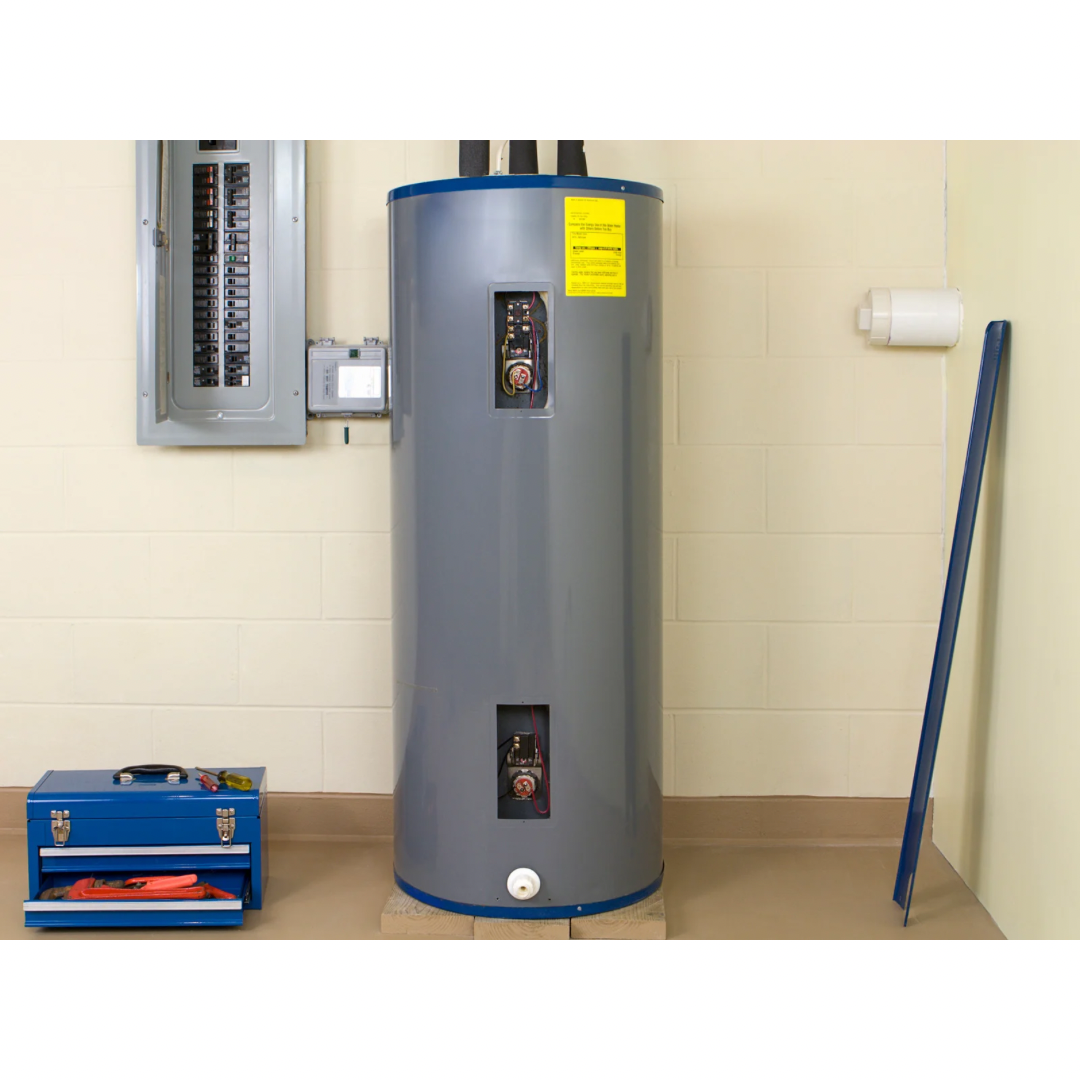
Water heater installation is a safety-critical plumbing project that combines water piping, pressure control, fuel connections, and temperature settings. Water heater installation mistakes commonly cause slow leaks, pilot outages, tripped breakers, scalding hazards, or carbon monoxide risks in gas models with improper venting.
Water heater replacement usually includes more than the tank itself. A complete installation often includes:
- Water shutoff verification and functional testing of the home shutoff valve
- Disconnection of water lines and removal of the old unit (often 100–150+ lbs for a full tank-style heater)
- Installation of a drain pan in a closet or attic location to reduce water-damage risk
- Installation or verification of a temperature and pressure relief (TPR) valve and discharge line
- Installation or verification of a thermal expansion tank when required by the plumbing system design
- Gas leak testing or electrical verification based on heater type
- Commissioning steps like purging air, confirming burner operation, and setting temperature to 120°F
Manufacturer instructions and local code requirements often control clearances, vent materials, pipe sizing, and seismic strapping methods. Specialty Plumbing frequently sees “simple swaps” in Prosper and Celina turn complex when older shutoff valves fail, fittings seize with corrosion, or venting does not meet current standards.
Signs a water heater needs replacement before installation day
Water heater replacement planning becomes urgent when performance and safety symptoms appear. Water heater installation scheduling often prevents emergency flooding when a tank fails suddenly.
Common symptoms include:
- Age near 8–12 years for many standard tank water heaters
- Water pooling under the tank or rust streaks along the jacket
- Rusty or metallic-smelling hot water, which can indicate tank corrosion or an anode rod problem
- Inconsistent hot water or rapid temperature swings during showers
- Popping or rumbling sounds, which can indicate sediment buildup at the bottom of the tank
- Pilot light issues on gas units or repeated breaker trips on electric units
A leaking tank body usually indicates internal failure, and tank body leaks rarely qualify for a reliable repair. A licensed plumber can confirm whether a repair makes sense by checking the tank shell, fittings, and safety components.
Choosing the right water heater before water heater installation
Water heater selection determines operating cost, comfort, and installation complexity. Water heater installation success starts with matching fuel type, capacity, and venting requirements to the home.
Water heater types homeowners commonly install
A tank (storage) water heater is a reservoir-style heater that stores hot water in a 30–80 gallon insulated tank. Tank water heaters usually cost less upfront and usually install faster during a same-size swap.
A tankless water heater is an on-demand system that heats water only when needed. Tankless water heater installation often requires higher gas input, dedicated venting, and condensate management for condensing models.
A heat pump (hybrid) water heater is an electric water heater that moves heat from surrounding air to heat water more efficiently. Heat pump water heater installation usually works best in spaces with adequate air volume and moderate temperatures.
Common brands in Texas homes include Rheem, AO Smith, Bradford White, Navien, and Rinnai, and brand selection should follow local part availability and manufacturer support.
Water heater sizing: gallons, First Hour Rating, and real-life demand
Water heater sizing refers to selecting a heater that meets peak-hour hot water demand without wasting energy. First Hour Rating (FHR) is a published number showing how many gallons of hot water a tank can deliver in one hour when the tank starts full.
General tank sizing rules of thumb often look like:
- 1–2 people: 30–40 gallons
- 3–4 people: 40–50 gallons
- 5+ people: 50–80 gallons
Household fixture demand changes sizing needs. A rain shower head, a large soaking tub, or back-to-back laundry loads can push a home toward a higher FHR even with fewer occupants.
Compatibility checks that prevent expensive surprises
Fuel type compatibility affects the entire installation plan. A gas-to-electric conversion can require a dedicated 240V circuit and correct breaker sizing, while an electric-to-gas conversion can require a properly sized gas line and approved venting.
Venting compatibility affects safety in gas installations. Atmospheric vent water heaters often use a vertical metal flue, while power-vent or direct-vent models use fan-assisted venting with manufacturer-approved pipe materials and terminations.
Space and access compatibility affects labor time. Closet installs in Prosper homes often require careful drain pan placement, overflow routing, and clearances for combustion air in gas models.
Water heater installation process: step-by-step overview for homeowners
Water heater installation steps vary by heater type, but safe replacements follow a consistent sequence. Water heater installation planning reduces the risk of flooding, gas exposure, and equipment damage.
Tools and materials homeowners often underestimate
Water heater installation often requires specialized tools beyond a basic wrench set:
- Basin wrench for tight closet connections
- Two pipe wrenches to prevent twisting copper or galvanized piping
- PTFE (Teflon) tape and pipe joint compound rated for potable water
- A hand truck or appliance dolly for moving the new heater
- Gas leak detection solution for gas connections
- Multimeter for confirming power status on electric units
Confirm heater type and shutoffs
Water heater installation begins with identifying gas vs. electric and locating the cold-water shutoff and main water shutoff. Electrical safety requires turning off the correct breaker and verifying power is off at the heater with a tester.
Shut off water and relieve pressure
Water heater installation requires shutting off the cold supply valve and opening a nearby hot faucet to relieve pressure. Pressure relief reduces spray risk when lines disconnect.
Drain the old tank safely
Water heater installation usually requires connecting a garden hose to the drain valve and routing the hose to an approved drain location. Hot water burn risk decreases after a cooldown period, and sediment can clog drain valves in older heaters.
Disconnect water piping without stressing the system
Water heater installation often requires two-wrench technique to avoid torquing a pipe inside a wall. Corroded fittings often need careful loosening to prevent pipe damage.
Disconnect fuel or power connections
Gas water heater installation requires closing the gas valve and disconnecting the union or flex connector per local practice and code. Electric water heater installation requires removing the access panel and disconnecting wiring after confirming power is off.
Remove the old heater and prep the area
Water heater installation includes safely moving a heavy appliance through tight spaces. Drain pan condition, platform stability, and clearance verification prevent future leaks and service problems.
Set and level the new heater
Water heater installation requires a level tank to reduce stress on fittings and to support proper burner operation in some designs. Shims can correct minor floor slope.
Reconnect water lines with correct sealing practices
Water heater installation requires correct PTFE tape direction and appropriate compound use on threaded joints. Leak risk increases when old sealing compound remains on threads, so thread cleaning often matters.
Fill the tank and purge air before energizing
Water heater installation requires filling the tank completely before turning on electric elements. Element burnout risk increases when power is applied to an empty tank, so a hot faucet should run until air stops sputtering.
Restore gas or power and commission the heater
Gas water heater installation commissioning includes leak checks at every joint using approved leak detection solution. Electric water heater installation commissioning includes verifying correct wiring, grounding, and breaker stability.
Set temperature and confirm safe operation
Water heater installation best practice uses a thermostat setting near 120°F for scald prevention and energy control. Performance checks should include verifying recovery speed and confirming no water seepage after several heat cycles.
Why each step matters for safety and performance
Water heater installation safety depends on pressure control, venting, and temperature control. Carbon monoxide risk increases when a gas water heater has improper draft or incorrect venting materials. Water damage risk increases when drain pans, discharge piping, or fittings leak slowly over time.
Common water heater installation challenges in Prosper and Celina homes
Water heater installation rarely follows a perfect script, especially in older homes or tight utility closets. Water heater installation troubleshooting often prevents a small issue from becoming a major repair.
Corroded fittings and stuck valves
Corroded fittings can seize on older copper, galvanized, or mixed-material plumbing. Excessive force can crack a fitting or twist a pipe in a wall, and hidden leaks can appear hours later.
Safer approaches include:
- Penetrating oil with a 15–20 minute dwell time
- Two-wrench support to protect fixed piping
- Controlled heat in appropriate situations by trained professionals
A licensed plumber should evaluate any fitting that will not budge with reasonable force.
Code and permit requirements that affect replacement scope
Water heater installation codes change over time, and older installs often fail current standards. Permit and inspection requirements often apply in many Texas cities, including Prosper and Celina, and compliance can protect resale value and insurance claims.
Common code-related upgrades include:
- Expansion tank installation on closed systems when required
- Approved TPR discharge piping routed to a safe termination point
- Approved venting materials and proper slope for gas vents
- Combustion air provisions for gas units in closets
- Drain pans and overflow routing in interior or attic locations
- Sediment trap (drip leg) requirements on some gas configurations
Leak response timeline during installation (damage control)
Water heater installation leak response should start immediately to limit water damage.
- First 10 minutes: Water shutoff at the local valve or main valve, plus towels and a bucket at the leak point
- 10–30 minutes: Pressure relief by opening faucets and isolating the leak source
- First hour: Temporary stabilization with proper fittings or caps, followed by a permanent repair plan
A fast-moving leak in an attic or second-floor closet can damage drywall and flooring quickly, so professional help often saves money.
Troubleshooting after water heater installation: symptom-to-cause map
Water heater installation sometimes reveals issues during the first day of operation. Water heater troubleshooting should prioritize safety when gas odor, electrical overheating, or rapid leaking appears.
- Symptom: No hot water
- Likely cause: Gas valve closed, pilot not lit, breaker off, or wiring issue.
- Safer next step: Power verification and gas valve verification should happen before deeper troubleshooting.
- Symptom: Leaking at fittings
- Likely cause: Loose connection, cross-threading, or missing PTFE tape/compound.
- Safer next step: Water shutoff and re-sealing should happen before tightening under pressure.
- Symptom: Rusty or smelly hot water
- Likely cause: Anode rod depletion or sediment disturbance after replacement.
- Safer next step: Tank flush and anode evaluation can restore water quality.
- Symptom: Popping or rumbling sounds
- Likely cause: Sediment buildup or rapid heating on a scaled surface.
- Safer next step: Flushing and temperature verification can reduce noise and improve efficiency.
- Symptom: Pilot outages or soot near the draft hood (gas units)
- Likely cause: Drafting problems or venting issues.
- Safer next step: Professional venting inspection should happen to reduce carbon monoxide risk.
Homeowners researching repairs vs. replacement can also compare options in Water Heater Repair in Prosper, TX: Tankless vs Traditional Water Heaters (Costs, Symptoms, and the Right Time to Replace).
Water heater installation cost in Prosper, TX: what drives the price
Water heater installation pricing depends on equipment choice, code compliance, and site conditions. Many projects fall somewhere in the middle based on scope.
Typical price ranges homeowners commonly report
- Tank-style replacement: Parts and labor typically vary by brand, capacity, and access
- Tankless installation: Venting, gas line sizing, condensate, and electrical can increase cost
- DIY parts-only approach: Risk profile can increase due to tools, code compliance, and warranty limitations
Pricing varies based on local permit fees, inspection requirements, and the condition of existing plumbing.
Line-item cost factors that change the quote
Water heater installation estimates often change due to:
- Heater type and efficiency tier (standard vs. high-efficiency vs. condensing)
- Capacity and demand (40-gallon vs. 50-gallon vs. 75-gallon)
- Venting complexity (atmospheric vs. power vent vs. direct vent)
- Gas line or electrical upgrades (pipe sizing, shutoff valves, dedicated circuits)
- Drain pan and overflow routing needs (especially in closets and attics)
- Corrosion, stuck valves, or old flex connectors needing replacement
- Expansion tank and pressure regulation requirements
- Disposal and haul-away logistics for the old unit
A transparent quote should explain which upgrades are code-driven versus preference-driven. Specialty Plumbing typically walks Prosper and Celina homeowners through options so the final scope matches the home and the budget without surprises.
Time expectations: what happens today, this week, and over the next year
Water heater installation affects household routines immediately, and planning reduces downtime.
Same-day expectations (installation day)
Water heater installation often takes 2–4 hours for a straightforward replacement with good access. Tankless conversions or venting changes can take longer due to additional piping, vent runs, and commissioning.
First week expectations (post-install checks)
Water heater installation should include leak monitoring during the first 24–72 hours because small seepage can appear after thermal expansion cycles. Temperature tuning and hot water recovery confirmation should happen during the first week.
Monthly and annual expectations (maintenance planning)
Water heater maintenance often includes periodic flushing to reduce sediment, especially in areas with mineral-heavy water. Anode rod inspection intervals vary by water quality and usage, and many homeowners schedule periodic checks every 1–3 years to extend tank life.
Homeowners planning broader plumbing upkeep can use Residential Plumbing Services in Prosper TX: The Smart Homeowner Guide (Costs, Timing, DIY vs Pro) to map out priorities.
Pro tips from the field: small details that prevent big failures
Water heater installation quality often comes down to small practices that reduce leak risk and improve serviceability.
- New flexible supply lines usually outperform reused lines, because old hoses can hide internal wear.
- Two-wrench support prevents torque damage to copper stubs and wall piping.
- Thread cleaning prevents leaks when old pink or gray sealing compound remains on fittings.
- Plastic drain valves crack when overtightened, so gentle torque matters.
- A 120°F temperature setting reduces scald risk and often lowers energy use.
- A properly routed drain pan line can prevent thousands of dollars in water damage when a tank fails.
Homeowners dealing with water pressure spikes or banging pipes after installation can also review Understanding and Solving Water Hammer in Prosper & Celina Plumbing Systems.
When DIY water heater installation makes sense vs. when a professional should handle the work
Water heater installation can be a reasonable DIY project only under narrow conditions. Water heater installation becomes high-risk when gas, venting, electrical upgrades, or hidden corrosion enters the picture.
DIY may be reasonable when all conditions match
- Same fuel type replacement (gas-to-gas or electric-to-electric)
- Same general size and same venting category
- Accessible location with working shutoff valves
- Good pipe condition with no visible corrosion
- Strong comfort level with manufacturer instructions and local code basics
Call a licensed plumber when any risk factor appears
- Gas odor, suspected gas leak, or uncertain venting condition
- Water heater location in an attic, tight closet, or finished interior space
- Conversion from tank to tankless, or conversion between gas and electric
- Stuck shutoff valves, corroded fittings, or mixed-material piping concerns
- Repeated breaker trips or any sign of overheated wiring
- Permit and inspection requirements creating uncertainty
Specialty Plumbing provides water heater installation in Prosper and Celina with licensed Prosper TX plumbing professionals, and professional installation often reduces the chance of code violations, safety hazards, and preventable water damage. Homeowners comparing contractor selection can also use Plumber Near Me in Prosper, TX: How to Choose a Reliable Local Pro (Costs, Timing, Emergencies) for vetting criteria.
Common questions about water heater installation
How long does water heater installation take in a typical home?
Water heater installation often takes 2–4 hours for a straightforward tank swap with good access and no code upgrades. Water heater installation can take longer when venting changes, gas line resizing, or electrical circuit work becomes necessary.
Is a permit required for water heater replacement in Prosper or Celina, TX?
Water heater permits are commonly required in many Texas cities, including Prosper and Celina, to verify code compliance and safety. Water heater permit compliance can also help with warranty documentation, insurance claims, and home resale inspections.
Can old water heater connectors and shutoff valves be reused?
Water heater installation works best with new connectors because old flex lines and fittings can fail after disturbance. Water heater replacement often exposes corrosion at valves and unions, so a licensed plumber may recommend replacement for reliability.
What temperature setting is safest after a new water heater installation?
A 120°F thermostat setting is a common safety target that reduces scald risk for children and older adults. A 120°F setting can also reduce energy use compared with higher settings like 130°F or 140°F.
What causes higher water heater installation costs than expected?
Water heater installation costs often increase when corroded valves, venting corrections, drain pan routing, or expansion tank requirements appear during the job. Water heater installation costs also rise when tankless upgrades require new venting, condensate drains, or gas line sizing changes.
Water heater installation help in Prosper, TX (and nearby Celina)
Water heater installation support from a licensed local plumber can reduce risk and speed up restoration of hot water. Specialty Plumbing serves homeowners across Prosper and Celina, TX as a locally owned, full-service provider, and Specialty Plumbing teams handle sizing guidance, permit-aware installation, and code-ready safety checks. Water heater installation scheduling becomes especially valuable when a heater sits in a closet or attic where a small leak can create expensive interior damage.
Water heater installation questions often overlap with broader home plumbing concerns, and Specialty Plumbing can coordinate related repairs during the same visit when appropriate. A single service call can also reveal aging shutoff valves, pressure issues, or supply line wear that might otherwise cause future leaks.