Shower pan leak water damage: the homeowner-ready quick summary
Shower pan leak water damage refers to moisture escaping past the shower base waterproofing and soaking materials under and around the shower, including mortar beds, subfloors, framing, and drywall. Shower pan leak water damage often stays hidden for weeks or months, then shows up as musty odors, loose tiles, or ceiling stains below the bathroom. A shower pan leak usually starts at one of five points: cracked pans, failed liners or membranes, drain connection leaks, incorrect slope toward the drain, or failed grout and caulk that funnels water into vulnerable edges. Early action focuses on stopping shower use, limiting spread, documenting conditions, and confirming the leak source using safe checks or a professional flood test. Repair scope ranges from targeted resealing to full shower pan replacement plus subfloor or framing repairs, depending on how far moisture traveled and whether mold growth started. Licensed Prosper TX plumbing professionals can diagnose the failure point, coordinate code-compliant repairs, and help homeowners avoid repeat leaks.
What shower pan leak water damage is-and why it gets serious fast
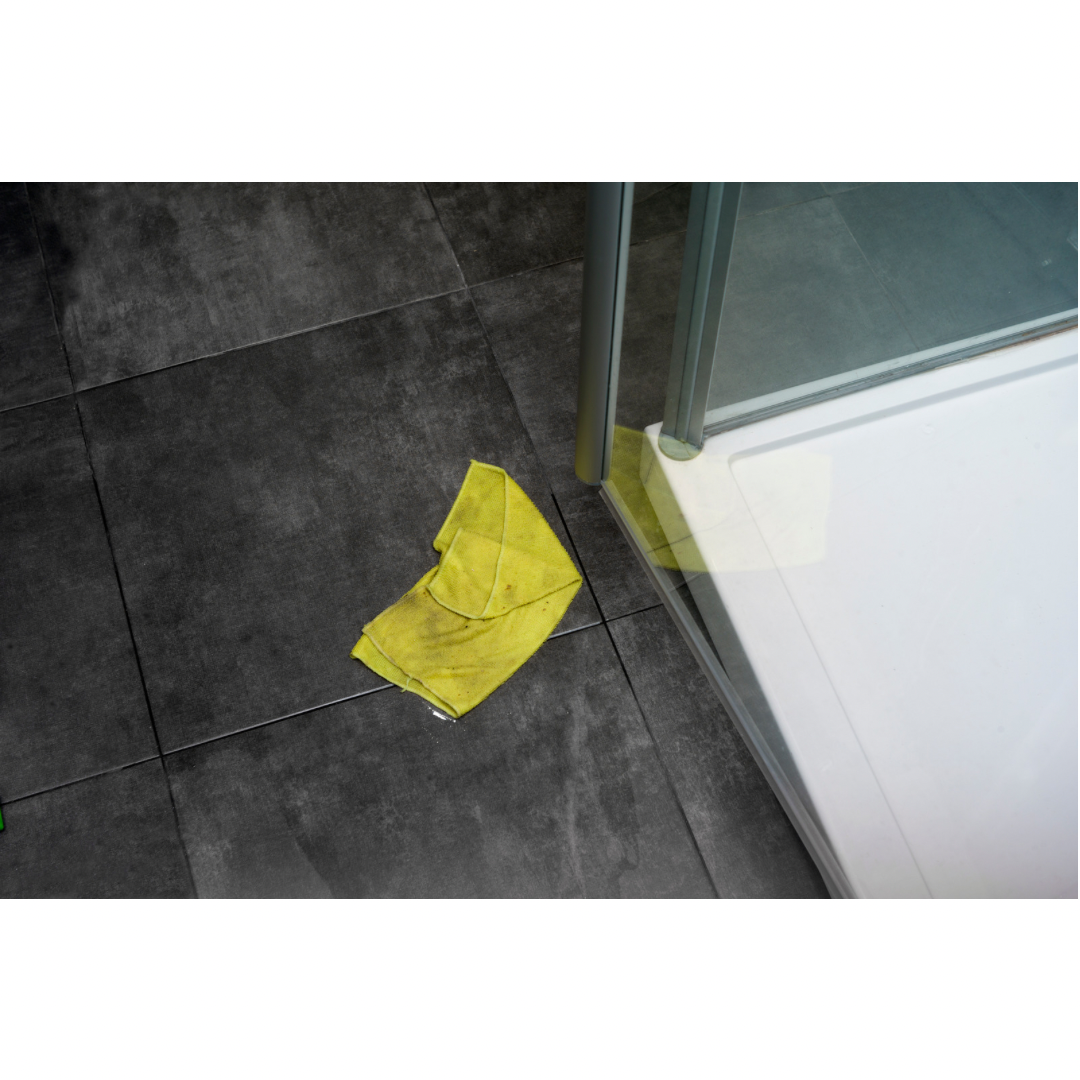
Shower pan leak water damage is water intrusion that bypasses the shower’s waterproofing system and saturates building materials beneath the finished tile or shower base. Shower pan leak water damage becomes serious because water can wick into plywood, OSB, drywall, and insulation, triggering wood rot, mold growth, and loss of structural stiffness.
A shower pan system includes more than visible tile. Many tiled showers rely on a layered assembly that can include a pre-slope, waterproof liner or sheet membrane, a mortar bed, weep holes at the drain, and perimeter waterproofing transitions at corners and curbs. Acrylic or fiberglass shower bases rely on an intact pan body and properly sealed drain connection.
What water does once it escapes the shower pan
Water migration follows gravity and capillary action. Water can travel sideways under tile through thin-set voids, then drop into seams at the curb, corners, or drain flange. Water can also soak the subfloor and spread along joists, showing up as a stain in a ceiling below a second-story bathroom.
Why “surface fixes” sometimes fail
Grout and caulk manage surface water, but grout and caulk do not replace a waterproof liner or membrane. A shower pan leak that starts below the tile layer usually continues even after regrouting, because the leak path remains active under the finished surface.
How shower pan leaks start (common failure points)
Shower pan leaks start when a waterproof barrier, drain seal, or drainage slope fails and allows water to collect where water should never remain. Shower pan leaks most often involve cracked pans, punctured liners, drain assembly leaks, incorrect slope, or deteriorated grout and caulk at high-stress joints.
Homeowners in Prosper-area communities often see shower pan failures after aging materials, foundation movement, or remodel shortcuts. A shower pan can also fail a few years after a renovation when waterproofing transitions were not treated correctly.
The “usual suspects” behind shower pan leak water damage
- Cracked or warped shower pans (acrylic or fiberglass): A hairline crack can pass water with every shower cycle, especially near the drain or along flexing edges.
- Damaged waterproof liner or sheet membrane (tile showers): A puncture, poorly sealed seam, or failed corner fold can route water directly into the subfloor.
- Faulty drain assembly or weep-hole blockage: A loose gasket or clogged weep holes can trap water in the mortar bed and force water outward.
- Improper slope toward the drain: A typical shower floor uses a consistent slope toward the drain so water does not pool; standing water increases seepage into edges and corners.
- Failed grout or caulk at curbs and transitions: Missing caulk at wall-to-floor joints and curb corners can funnel water into vulnerable layers even when tile looks “mostly fine.”
Remodel-related causes homeowners can verify later
A shower remodel can hide errors behind finished tile. Common hidden contributors include fasteners through a liner at the curb, missing waterproofing at niches or benches, and incomplete sealing around the drain flange.
Early warning signs of a shower pan leak (before demolition)
Shower pan leak water damage usually shows up as smell, movement, staining, or persistent dampness rather than an obvious drip. Shower pan leak symptoms often include musty odors, loose or cracked tile, damp adjacent flooring, ceiling stains below, and recurring mildew that returns soon after cleaning.
Practical signs homeowners can check without tools
- Musty or damp smell after shower use: A persistent odor often indicates trapped moisture in a wall cavity or subfloor.
- Loose, hollow-sounding, or cracked floor tiles: Tile movement can signal a softened mortar bed or subfloor swelling.
- Soft spots near the shower entry or curb: A spongy feel can indicate wet subflooring under finish flooring.
- Wet carpet, swollen baseboards, or buckled flooring outside the bathroom: Water can escape the shower footprint and show up in adjacent rooms or closets.
- Stains, bubbling paint, or sagging drywall on the ceiling below: A ceiling stain under an upstairs shower often correlates with repeated wetting events.
- Mold or mildew that returns quickly: Recurrent growth can indicate a moisture source behind the surface, not just bathroom humidity.
A common local pattern homeowners describe
A Prosper TX homeowner often notices a musty guest-bath odor first, then finds damp carpet in an adjacent closet, then sees tile movement near the curb. Shower pan leak water damage frequently progresses in that order because water migrates under flooring before visible staining appears.
Confirming a shower pan leak vs. a plumbing leak (diagnosis that avoids guesswork)
Shower pan leak diagnosis separates waterproofing failure from supply-line, valve, or drain-pipe leaks using controlled testing and moisture mapping. Shower pan leak diagnosis often uses visual inspection, moisture meters, and a shower pan flood test that isolates the pan from the plumbing supply.
A plumbing leak from a valve or supply line can drip even when the shower is not running. A shower pan leak usually correlates with shower use and shows up after water contacts the floor area.
What licensed plumbers often do during diagnosis
Licensed plumbing professionals often start with fixture checks, drain checks, and moisture boundaries. Moisture meters can map dampness patterns across drywall and flooring, and inspection cameras can confirm wet insulation or staining inside wall cavities.
Homeowner-safe checks (before calling a pro)
A homeowner can look for obvious grout gaps, missing caulk, and cracks in acrylic bases. A homeowner can also observe whether staining increases only after showering, which often points toward a pan or enclosure leak.
Flood testing: the controlled way to isolate the shower pan
A shower pan flood test blocks the drain with a test plug, fills the pan to a marked waterline, and monitors the water level for a set period while checking surrounding areas for seepage. A flood test can confirm a pan or liner failure without running the shower valve, which helps separate pan leaks from supply-side leaks.
First-hour damage control steps (safe actions that limit spread)
First-hour response to shower pan leak water damage focuses on stopping water exposure, removing standing water, and preventing secondary damage like drywall collapse or mold growth. First-hour actions include stopping shower use, shutting off local water if needed, improving ventilation, documenting damage, and avoiding risky demolition that can cut wiring or plumbing.
Stop water exposure at the source
Shower use must stop immediately when shower pan leak water damage appears. A homeowner can close the shower valve and avoid running the fixture until a leak source is confirmed.
Contain visible water and protect nearby materials
Towels, buckets, and a wet/dry vacuum can remove standing water from floors and prevent water from spreading into baseboards and adjacent rooms. Fans and open windows can increase evaporation, and dehumidifiers can reduce ambient moisture when available.
Isolate utilities when water reaches ceilings or walls
A homeowner can shut off water to the bathroom if active dripping continues and a shutoff valve is accessible. An electrician should evaluate any wet light fixtures, outlets, or ceiling fans because water and electricity create a shock and fire risk.
Document conditions for insurance and contractors
Photos and short videos should capture staining, wet flooring, and any active dripping. Written notes should record when the damage appeared and which shower was used, because timelines help diagnosis and insurance discussions.
Avoid demolition that can enlarge the repair
Unplanned tile removal can crack waterproofing layers and expand the repair footprint. A licensed Prosper TX plumbing professional can confirm the failure point before any destructive access begins.
Repair paths and what the work typically involves
Shower pan leak water damage repair ranges from surface sealing to full shower pan replacement plus building-material restoration. Shower pan leak water damage repair depends on the leak location, the waterproofing system type, and how far moisture traveled into subfloors and walls.
Common repair scopes (from least to most invasive)
- Targeted resealing at transitions: Resealing can help when water escapes through failed caulk at the curb, corners, or wall-to-floor joints and waterproofing below remains intact.
- Localized tile and substrate repair: A small area of tile removal can expose a wet spot near the curb or drain for targeted rebuilding when damage is limited.
- Drain assembly repair or replacement: Drain leaks can require removing the strainer and rebuilding the drain connection, especially if gaskets or flanges failed.
- Full pan replacement (tile or prefabricated base): Pan replacement often requires removing tile or the base, rebuilding waterproofing layers, restoring slope, and verifying drain performance.
- Subfloor and framing restoration: Structural wood replacement can be required when rot softens joists, plates, or subfloor panels.
Comparison table: surface leak vs. shower pan failure
| Symptom pattern | More consistent with surface sealing issue | More consistent with shower pan/liner failure |
|---|---|---|
| Water appears only at a corner seam | Caulk failure at a corner or curb joint | Liner corner fold or curb penetration failure |
| Tile feels hollow or moves underfoot | Grout cracking from movement | Saturated mortar bed or subfloor swelling |
| Ceiling stain grows after shower use | Enclosure splash-out or drain leak | Pan/liner leak or weep-hole blockage |
| Mildew returns quickly after cleaning | High humidity or poor ventilation | Persistent moisture behind tile or wallboard |
What drives repair scope (and why shower pan leak water damage can escalate)
Shower pan leak water damage becomes costly when water reaches structural layers, spreads beyond the shower footprint, or triggers mold remediation requirements. Shower pan leak water damage scope is driven by moisture depth, access difficulty, material choices, code requirements, and hidden conditions discovered after opening the assembly.
Key variables that influence complexity (non-price)
- Extent of water intrusion: Early discovery can limit removal to a small section, while late discovery can require subfloor and drywall replacement.
- Access constraints: Tight bathrooms, custom stone, and glass enclosures can increase removal and rebuild complexity.
- Mold presence: Mold remediation can require containment, material removal, and air cleaning protocols depending on affected surfaces.
- Waterproofing method: PVC/CPE liners, liquid-applied membranes, and sheet membranes each require different repair strategies and verification steps.
- Local code compliance: Prosper-area repairs must follow applicable plumbing and building requirements for drains, waterproofing, and venting where altered.
- Hidden surprises: Corroded piping, nonstandard framing, or previous DIY patches can expand the work plan after demolition begins.
Specialty Plumbing commonly sees shower pan leak water damage that looks small on the surface but extends into wall cavities once moisture mapping begins. Specialty Plumbing uses licensed Prosper TX plumbing professionals to identify the failure point and coordinate a repair plan that protects the surrounding structure.
Process timeframes: what “typical” looks like from first day to final finish
Shower pan leak water damage timeframes depend on diagnosis results, drying needs, and rebuild scope rather than the visible stain size. Shower pan leak water damage often follows a multi-stage timeline that includes immediate containment, short-term drying and assessment, and longer-term rebuild and finish work.
Immediate (same day as discovery)
Immediate work usually includes stopping shower use, documenting damage, and performing a preliminary assessment. Immediate containment can include water removal and ventilation to slow additional material saturation.
Short-term (next several days)
Short-term work often focuses on confirming the leak source, opening limited access points if needed, and drying wet cavities. Drying and dehumidification time varies with humidity, airflow, and how many layers absorbed water.
Medium-term (one to two weeks for many rebuilds)
Medium-term work can include pan replacement or drain rebuild, subfloor repairs, and wallboard replacement where required. Tile-setting steps often include cure times for mortar and grout, because premature use can compromise adhesion and waterproofing transitions.
Longer-term (multi-week for high-end finishes or extensive restoration)
Longer projects often involve custom tile, stone, glass enclosures, or significant framing repairs. Inspection scheduling and specialty material lead times can extend the calendar even when active labor days are limited.
Response times vary by demand and scheduling, and project pacing depends on drying results and inspection requirements rather than speed alone.
When a licensed plumber should step in (clear decision criteria)
Professional help for shower pan leak water damage becomes necessary when water reaches structural materials, mold appears, or diagnosis requires controlled testing. Licensed Prosper TX plumbing professionals should evaluate any leak that causes ceiling staining, soft subfloors, recurring odors, or dampness outside the shower footprint.
Use this mini decision tree
- Persistent musty odor after showers: Professional diagnosis is recommended because hidden moisture often sits behind tile or drywall.
- Loose tiles, soft flooring, or “spongy” areas: Professional assessment is needed because subfloor swelling and rot can progress under finished flooring.
- Ceiling stains below an upstairs shower: Professional leak isolation is needed because drain leaks, pan leaks, and supply leaks can look similar from below.
- Visible mold or repeated mildew regrowth: Professional remediation planning is recommended because surface cleaning rarely addresses moisture inside cavities.
- Any uncertainty about the source: Professional testing can prevent unnecessary demolition and reduce the risk of missing a second leak path.
Homeowners in Prosper, Celina, Frisco, McKinney, Allen, Plano, Aubrey, Oak Point, and Gunter often call Specialty Plumbing when shower pan leak water damage threatens subfloors or spreads into adjacent rooms. Availability varies; contact Specialty Plumbing to confirm scheduling and coverage for a specific address.
Pro tips that prevent repeat shower pan leak water damage
Shower pan leak prevention relies on durable sealants, verified waterproofing, and early response to small changes like cracked grout or tile movement. Shower pan leak prevention improves when homeowners treat caulk lines and grout joints as maintenance items rather than permanent barriers.
- Silicone selection matters: 100% silicone bathroom sealant typically holds up better than latex caulk in constantly wet joints such as curb corners and wall-to-floor transitions.
- Flood testing verifies waterproofing before finishes: A flood test before tile or final finishes can confirm liner or membrane integrity while repairs remain accessible.
- Small cracks deserve early attention: A single cracked tile near the curb can indicate movement or moisture below the surface.
- Modern sheet membranes can improve inspectability: Sheet membrane systems (example: Schluter®-Kerdi) create a continuous waterproof layer that can be visually checked during installation.
- Remodel photo documentation helps later repairs: Photos of drain connections, waterproofing layers, and curb construction can shorten diagnosis time during future service.
Homeowners planning broader plumbing updates can pair bathroom work with targeted system checks using resources such as Pipe Repair: A Homeowner’s Guide to Leaks, Burst Pipes, and Smart Fix Options or drainage-focused guidance like The Secret Villain in Your Kitchen Sink: Spot, Stop, and Outsmart Drain Problems.
Common questions about shower pan leak water damage
Can recaulk or regrout stop shower pan leak water damage?
Recaulking or regrouting can stop surface-level water entry when the waterproofing system below remains intact. Shower pan leak water damage usually continues when a liner, membrane, or drain seal has failed beneath the tile. A recurring odor or repeated staining after resealing signals a deeper leak path.
How can a homeowner tell a shower pan leak from a plumbing supply leak?
A shower pan leak usually correlates with shower use and often appears after water hits the shower floor. A plumbing supply leak can drip even when the shower is off because pressurized lines can leak continuously. A controlled flood test can isolate the shower pan from the supply plumbing.
What is a shower pan flood test and what does a “fail” mean?
A shower pan flood test blocks the drain, fills the pan to a marked line, and monitors the water level while checking adjacent areas for seepage. A drop in water level or new dampness outside the shower footprint indicates a pan, liner, or drain-connection failure. A failed flood test usually points toward repair or replacement of waterproofing layers.
Does home insurance cover shower pan leak water damage?
Home insurance coverage for shower pan leak water damage varies by policy language and the cause of loss. Many policies treat sudden, accidental water events differently from gradual leaks or long-term maintenance issues. A homeowner should document damage promptly and ask an insurer about claim requirements for licensed repairs.
How long can shower pan leak water damage stay hidden?
Shower pan leak water damage can remain hidden for weeks or months when water travels under tile and into subfloors without an obvious drip. Slow leaks often reveal themselves through odor, tile movement, or staining in adjacent rooms. Early moisture mapping can catch damage before rot spreads.
Local help for Prosper-area homeowners (without guesswork)
Shower pan leak water damage in North Texas homes often requires both plumbing diagnosis and building-material restoration planning. Specialty Plumbing provides licensed Prosper TX plumbing professionals who can identify whether a shower pan, drain assembly, or supply line caused the moisture and can explain repair options in plain language.
Homeowners comparing broader plumbing reliability upgrades can also review The Ultimate Guide to Fixing Low Water Pressure in Homes or emergency-preparedness context in Main Plumbing Drain Clogged in Prosper, TX? Signs, Causes, Safe Steps, and Pro Fix Options. Specialty Plumbing works with homeowners across Prosper, Celina, Frisco, McKinney, Allen, Plano, Aubrey, Oak Point, and Gunter; service areas vary by job type, so contact Specialty Plumbing to confirm coverage and scheduling.