Quick Summary: Pipe repair Celina Texas-what to do first and what to expect
Pipe repair Celina Texas homeowners face most often involves stopping active water flow, confirming the leak location, and choosing a repair method that matches the pipe material and access conditions. Celina-area homes commonly use copper, PEX, PVC, and (in older builds) galvanized steel, and each material fails in different ways that affect repair strategy. A slow drip under a sink can sometimes be stabilized with careful tightening and new sealing tape, while hidden leaks inside walls or under a slab typically require specialized leak detection and code-compliant repairs.
Water damage can begin within minutes of a burst or supply-line failure, and moisture can linger in cabinetry, drywall, and insulation long after surfaces look dry. A practical first response includes shutting off the nearest fixture valve or the main shutoff, containing water with towels or buckets, and documenting damage with photos for insurance. Repair duration and complexity depend on access, extent of corrosion, and whether the issue involves a pressurized supply line, a drain line, or a slab leak. Licensed Prosper TX plumbing professionals can confirm the root cause, protect surrounding materials, and restore reliable pressure and leak-free joints.
What pipe repair in Celina, Texas refers to (and why local conditions matter)
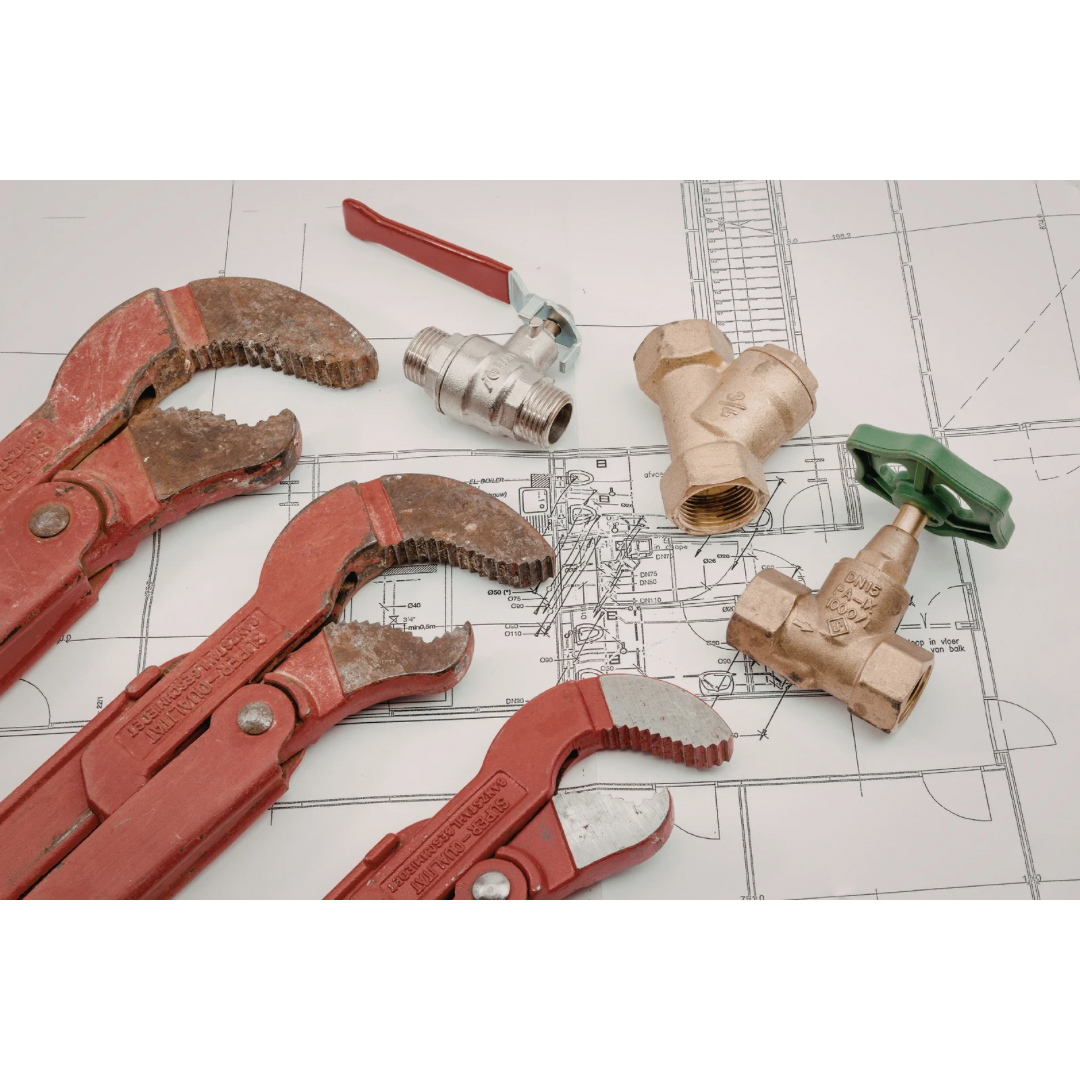
Pipe repair in Celina, Texas refers to diagnosing and fixing failures in water supply pipes, drain lines, fittings, and joints so water flow returns to normal without leaks, pressure loss, or contamination risk. Celina homes can experience plumbing stress from mineral content, temperature swings that increase freeze risk in exposed areas, and a mix of newer and older construction methods that affect pipe routing and access.
Pipe repair can range from tightening a compression nut under a sink to replacing a damaged section of copper and pressure-testing the system. Water supply lines operate under pressure, so small defects can become active leaks quickly. Drain and vent lines usually leak only when fixtures discharge, so symptoms can appear “intermittent” even when a crack is present. Slab-foundation construction can add complexity because water lines may run under concrete, making leak location and access a major part of the job.
Specialty Plumbing is a locally owned, full-service provider staffed by licensed Prosper TX plumbing professionals, and Celina homeowners often request help after a leak shows up as cabinet swelling, ceiling stains, or unexplained water-bill increases. A licensed plumber can also confirm whether a repair approach aligns with local code requirements and manufacturer installation instructions for fittings and valves.
Early warning signs that indicate pipe repair is needed
Pipe repair is usually needed when visible water, odor, staining, or pressure changes indicate a leak, a developing blockage, or pipe material failure. Celina homeowners can often catch pipe problems early by watching for persistent dripping, moisture-related smells, and unexplained changes in water pressure or water usage.
Common symptoms Celina homeowners report
- Persistent dripping or recurring puddles under sinks, behind toilets, or near water-using appliances
- Stained drywall or ceilings, especially below bathrooms, laundry rooms, or kitchens
- Musty or earthy odors that suggest moisture inside cabinets, walls, or insulation
- Sudden water pressure drops at multiple fixtures, including showerheads and faucets
- Unexplained increases in water use that show up on a monthly utility bill
- Sounds of hissing, tapping, or running water when fixtures are off
- Warped cabinet floors, peeling paint, or softened baseboards near plumbing walls
Material-specific clues (copper, PEX, PVC, galvanized)
Copper pipe leaks often show up as pinhole leaks and green or white mineral crust (corrosion byproducts) on the tubing surface. PEX failures often involve splits after freezing exposure or damage at fittings if crimp rings or clamps were installed incorrectly. PVC drain issues often involve loosened joints, cracked fittings, or failed solvent-cement bonds, especially where pipes were stressed or misaligned. Galvanized steel problems often involve internal corrosion that reduces flow and causes recurring leaks at threaded joints.
A small “damp spot” can signal hidden damage behind cabinets or drywall, and hidden moisture can support mold growth when ventilation and drying are delayed. A cautious response treats any recurring moisture as a diagnosis problem rather than a cosmetic cleanup problem.
Common pipe problems in Celina homes (leaks, bursts, clogs, and slab leaks)
Pipe repair Celina Texas calls commonly involve four categories: supply-line leaks, burst pipes, drain clogs with leaks, and slab leaks under a foundation. Celina homeowners often see these problems present as water damage, pressure loss, slow drains, or unexplained wet areas that appear far from the actual leak location.
Leak types and what usually causes each one
- Pinhole leaks in copper: Corrosion, localized pitting, or long-term wear can create tiny openings that spray or mist under pressure.
- Loose or failed fittings: Compression fittings, threaded adapters, and shutoff valves can loosen over time or fail when seals degrade.
- Burst pipes during cold snaps: Freezing water expands and can split PEX, copper, or CPVC, especially in exterior walls, attics, garages, and uninsulated voids.
- Drain line leaks: Cracked trap arms, failed slip-joint washers, and stressed PVC fittings can leak during fixture use.
- Slab leaks: Water lines under concrete can develop leaks that show up as warm spots on floors, damp carpet edges, or persistent moisture near baseboards.
Why slab leaks can look “mysterious”
Slab leaks can push water along the path of least resistance, so water can appear in a hallway or closet while the leak sits under a bathroom or kitchen. Slab leak symptoms often include constant sound at the water meter, reduced pressure, or repeated hot-water heater cycling when a hot line leaks. Electronic leak detection and isolation testing can narrow the leak area before any invasive access work begins.
How pipe repair is performed: diagnosis, access, repair, and verification
Pipe repair Celina Texas professionals perform typically follows a repeatable sequence: confirm the symptom, isolate the line, locate the defect, repair or replace the failed section, and verify the fix under operating pressure and normal fixture use. Celina homeowners benefit when the repair process includes controlled shutoff, clean pipe preparation, and post-repair testing before walls or cabinets get closed up.
Shut off water at the closest safe valve
Fixture shutoff valves under sinks and behind toilets can stop localized leaks, and a home main shutoff valve can stop major supply failures. A safe shutoff action prevents ongoing water damage and reduces the chance of water reaching electrical outlets or appliance connections.
Relieve pressure and contain water
Faucet handles opened briefly after shutoff can relieve trapped pressure in the line. Towels, buckets, and a wet/dry vacuum can limit water spread across flooring seams and into baseboards.
Protect electrical and document conditions
Electrical safety requires avoiding outlets, cords, and breaker panels that have been exposed to water. Photos and short videos of the leak source, staining, and wet materials can support an insurance claim and help a plumber understand the leak behavior.
Avoid temporary fixes that increase damage
Chemical drain cleaners can damage pipes and complicate drain repairs, especially in older systems. Over-tightening compression fittings can crack ferrules, deform tubing, or strip threads, turning a drip into a larger failure.
What licensed plumbers do differently during diagnosis
Licensed Prosper TX plumbing professionals commonly use systematic isolation to identify whether a leak sits on a hot line, cold line, recirculation line, or drain. Leak location work can include visible inspection, moisture mapping, and electronic listening equipment for pressurized leaks. Water meter checks can confirm continuous flow when fixtures are off, and fixture-by-fixture shutoff can narrow the affected branch line.
Common repair methods (and where each method fits best)
Pipe repair methods vary by material and location, and a reliable repair matches the joint type to the pipe type.
| Pipe material | Common failure mode | Common professional repair method | Typical use location |
|---|---|---|---|
| Copper | Pinhole leak, joint seep, corrosion | Cut-out and soldered coupling, press-fit coupling (where appropriate), valve replacement | Walls, ceilings, exposed runs |
| PEX | Split from freezing, fitting leak | Replace section with crimp/clamp fittings, replace manifold or fitting | Attics, walls, mechanical rooms |
| PVC (drain) | Cracked fitting, failed joint | Replace fitting/section with solvent-welded joints, new trap assembly | Under sinks, walls, slabs (drains) |
| Galvanized steel | Internal corrosion, threaded joint leaks | Replace sections with modern material using proper transitions | Older homes, remodel tie-ins |
A compression fitting under a sink can sometimes be stabilized by re-seating the ferrule and using correct torque, but supply-line repairs often require part replacement rather than sealant. Soldering copper requires clean, deburred pipe ends, proper flux application, controlled heat, and fire-safe shielding around framing. Solvent welding PVC requires correct primer and cement steps and adequate curing before full flow resumes, based on product instructions.
Verification: how a successful pipe repair is confirmed
A successful pipe repair is confirmed when joints remain dry under normal pressure, fixtures run without pressure drop, and no hissing or seepage appears after a monitoring period. Pressure testing, controlled fixture cycling, and visual inspection under bright light can catch slow leaks before cabinets and walls get closed. A careful verification step also checks surrounding shutoff valves, supply lines, and traps because disturbed components can reveal weakness during re-pressurization.
Cost and complexity factors that shape pipe repair outcomes (without guesswork)
Pipe repair cost and effort vary by access difficulty, pipe material, damage extent, and code-compliant restoration requirements. Celina homeowners can expect pricing varies by project scope, location, and the complexity of the issue, especially when repairs involve concealed piping, slab access, or multiple compromised joints.
Key variables that change repair scope
- Access conditions: Pipes behind tile, inside walls, above ceilings, or under foundations require more controlled access work than exposed piping.
- Extent of damage: A single pinhole leak differs from a long run with widespread corrosion or repeated fitting failures.
- Pipe material and joining method: Copper soldering, PEX crimping, and PVC solvent welding require different tools and skill sets.
- Valve and fixture condition: Older angle stops, multi-turn shutoffs, and aging supply hoses can fail during shutoff or re-pressurization.
- Mineral buildup and stuck fasteners: Mineral scaling can seize unions and nuts, requiring specialty tools and careful disassembly.
- Code and manufacturer requirements: Local plumbing code and product installation instructions can require specific fitting types, supports, and transitions.
A reliable estimate usually depends on confirming the leak location and identifying whether the repair is a spot fix, a section replacement, or a larger re-pipe decision. Specialty Plumbing commonly documents findings in plain language so homeowners can compare repair options based on risk reduction rather than guesswork.
Pipe repair timeframes: what “fast” and “slow” usually mean in real life
Pipe repair timeframes depend on leak location, access work, drying needs, and verification steps rather than the repair itself alone. Celina homeowners can use a simple timeline mindset: immediate actions stop water now, same-day work often focuses on diagnosis and stabilization, and multi-visit work is sometimes needed when drying, access restoration, or complex leak location is involved.
Immediate timeframe: first minutes to first hour (damage control)
A shutoff action can stop active water flow within minutes when the correct valve is reachable and functional. Water containment and basic drying can reduce swelling in cabinetry and baseboards when action starts promptly. Documentation can be completed in under 10 minutes and can help insurance and repair planning.
Short timeframe: diagnosis and repair work windows
A visible under-sink leak can sometimes be diagnosed quickly because the fitting and tubing are exposed. A concealed leak often requires staged steps: locate the leak, create access, complete the repair, and verify dryness under operating conditions. A slab leak often adds time because accurate pinpointing reduces unnecessary demolition and helps target the smallest practical access area.
Longer timeframe: drying, restoration, and monitoring
Drying wet building materials can take multiple days depending on humidity, airflow, and the amount of water absorbed by drywall, insulation, and wood. Monitoring for reappearance of moisture after repair helps confirm the leak source was fully resolved. Restoration work such as drywall patching, paint matching, or cabinet toe-kick replacement can extend the overall project timeline beyond the plumbing repair itself.
Response times vary by demand and scheduling, so a homeowner plan should focus on immediate shutoff, containment, and safe documentation while scheduling gets confirmed.
DIY vs professional pipe repair in Celina: a practical decision framework
DIY pipe repair is safest for minor, accessible, low-risk issues like tightening a supply nut, replacing a faucet washer, or re-sealing a threaded joint with PTFE tape when the homeowner can fully isolate water and verify results. Professional pipe repair becomes the best approach when water cannot be isolated, leaks are concealed, pipe replacement requires soldering or solvent welding, or code compliance affects resale and insurance outcomes.
DIY tasks that are usually reasonable with caution
- Tightening a loose supply line nut using an adjustable wrench while supporting the valve body
- Replacing a braided supply hose with the correct length and connection type
- Replacing a slip-joint washer on a drain trap and confirming alignment without stress
- Applying PTFE tape to clean male threads on a low-risk threaded joint after full shutoff
DIY tasks that commonly go wrong
Over-tightening can crack ferrules, deform tubing, or strip threads on valves and adapters. Temporary wraps and sealants can slow a seep but can also hide the true leak path and complicate later diagnosis. Chemical drain cleaners can damage piping and can create splash hazards for plumbers during disassembly.
Homeowners in Celina, Prosper, and Frisco often choose a licensed plumber when repairs involve copper soldering near framing, suspected slab leaks, or repeated leaks that suggest systemic corrosion. A licensed professional also reduces the risk of non-code materials or incorrect transitions between dissimilar metals.
When to call a licensed professional for pipe repair (clear triggers)
Professional pipe repair is needed when active spraying cannot be isolated, leaks are inside walls or under a slab, water has reached electrical components, or repeated leaks suggest corrosion or failing system components. Celina homeowners can reduce property damage and safety risk by calling licensed Prosper TX plumbing professionals when any high-consequence trigger appears.
Call a professional immediately when any condition applies
- Main shutoff valve fails to stop water flow
- Water sprays from a supply line, valve, or wall penetration
- Ceiling drywall bulges, sags, or drips due to overhead plumbing
- Water appears near outlets, light fixtures, or electrical panels
- Mold-like odors persist after surface drying
- Multiple fixtures lose pressure at the same time
- Slab leak indicators appear, including unexplained wet flooring edges or constant meter movement
Call a professional soon when risk is rising
Recurring pinhole leaks can indicate broader copper corrosion rather than a one-off defect. Frequent clogs paired with slow drains can indicate main line issues rather than a single trap blockage, and Celina homeowners can compare symptoms with guidance from Main Plumbing Drain Clogged in Prosper, TX? Signs, Causes, Safe Steps, and Pro Fix Options. Sewer odor, yard wet spots, or repeated backups can also overlap with scenarios described in Sewer Line Replacement in Prosper TX: Signs, Causes, Process, and Smart Next Steps for Homeowners.
Specialty Plumbing helps homeowners make a repair-versus-replace decision based on observable conditions, pipe material, and risk of repeat failure, and Specialty Plumbing recommendations follow code and manufacturer requirements rather than shortcuts.
Damage-control timeline: what to do after a leak starts (minute-by-minute)
Pipe leaks require a short, structured response that prioritizes shutoff, containment, and safety while preserving evidence for insurance and diagnosis. Celina homeowners can use the timeline below to reduce damage without creating new hazards.
First 10 minutes—stop water and prevent spread
Main shutoff valves and fixture shutoffs can stop supply-line leaks, and towels can block water from reaching door thresholds and baseboards. A quick check of nearby outlets and power cords reduces electrical risk.
10–30 minutes—protect belongings and stabilize the area
Electronics, rugs, paper goods, and stored items should move to a dry area to prevent wicking and staining. Buckets and drip trays can catch residual water while fittings drain down.
First hour—ventilate and document
Fans and open windows can increase evaporation when outdoor humidity allows. Photos of wet drywall, cabinet interiors, and the leak source can support insurance and help a plumber understand the failure mode.
Ongoing—avoid sealing up wet cavities
Cabinet toe-kicks, access panels, and vanity backs often need airflow to dry. Wall closures should wait until a repair is verified and surrounding materials are demonstrably dry to reduce mold risk.
Pro tips licensed plumbers want Celina homeowners to know
Pipe repair outcomes improve when homeowners prepare basic tools, know shutoff locations, and treat small symptoms as early warnings rather than annoyances. Celina homeowners can prevent avoidable damage by pairing basic preparedness with prompt diagnosis.
- A flashlight, adjustable wrench, and PTFE tape can handle basic stabilization for accessible threaded joints.
- Main water shutoff valves are commonly located near the street, at an exterior wall penetration, or near the water heater in some layouts.
- Green or white crust on copper often indicates slow seepage or corrosion at or near a joint.
- Water-bill spikes can indicate hidden leaks even when no visible puddle exists.
- Fire safety matters during soldering, and a professional repair uses heat shields and controlled flame management near framing.
Preventive habits can also reduce emergency risk, and Celina homeowners can build a checklist from Essential Preventive Plumbing Maintenance Tips for Prosper & Celina Homeowners.
Common Questions About pipe repair Celina Texas
What’s the most common cause of pipe leaks in Celina homes?
Pipe leaks in Celina homes often start with corrosion in older copper lines or worn seals at joints and shutoff valves. Freeze-related splits can also occur during cold snaps, especially in exterior walls, attics, garages, and other uninsulated spaces.
Can store-bought pipe sealants or wraps work as a temporary fix?
Store-bought sealants and wraps can sometimes slow low-pressure seepage, but store-bought sealants rarely provide a durable repair on pressurized supply lines. A professional diagnosis can confirm whether a temporary patch hides corrosion, a cracked fitting, or a failing valve.
How can a homeowner test whether a pipe repair was successful?
A homeowner can test a pipe repair by drying the area completely, restoring water slowly, and watching for drips under bright light. A homeowner can also listen for hissing and recheck the area after several fixture cycles to catch slow seepage.
What are common signs of a slab leak in Celina, Texas?
Slab leak signs can include unexplained wet flooring edges, warm spots on floors, reduced water pressure, or constant water meter movement when fixtures are off. A licensed plumber can confirm slab leak likelihood using isolation testing and leak detection tools before any access work begins.
Does pipe material change the best repair method?
Pipe material changes the best repair method because copper commonly uses soldered or approved press connections, PEX commonly uses crimp or clamp fittings, and PVC commonly uses solvent-welded joints for drains. A code-compliant repair also requires correct transitions when different materials connect.
Local help for Celina-area pipe repairs (Prosper-based, city-by-city scheduling)
Celina homeowners often prefer a nearby licensed team because local construction patterns, slab foundations, and water conditions influence diagnosis and access planning. Specialty Plumbing is based in Prosper, TX and provides full-service plumbing support for homes in Celina, Prosper, Frisco, McKinney, Allen, Plano, Aubrey, Oak Point, and Gunter, and scheduling availability varies; contact Specialty Plumbing to confirm coverage and appointment options.
Licensed Prosper TX plumbing professionals can help with leak detection, pipe replacement planning, valve and supply-line repairs, and post-repair verification steps that reduce repeat failures. A clear scope discussion can also identify related risks such as drain backups or main line issues, especially when multiple symptoms appear at once. Warranty and guarantee terms vary; ask for current details when scheduling.