Quick Summary
A main plumbing drain clogged condition means wastewater cannot move through the home’s primary drain line, so multiple fixtures can slow down, gurgle, or back up at the same time. A main drain clog is higher-risk than a single sink clog because the main line collects flow from toilets, showers, tubs, sinks, laundry, and floor drains before sending wastewater to a municipal sewer or septic system.
Main drain clog warning signs include multiple slow drains, toilet bubbling, gurgling sounds, sewer odors, and dirty water backing up from the lowest drains in the home. Common causes include tree root intrusion, grease and sludge buildup, non-flushable wipes, foreign objects, and pipe damage such as cracks, offsets, or collapses.
Safe first actions focus on damage control: stop using water, check the lowest-level fixtures, and avoid chemical drain openers that can sit in the line and create hazards during professional clearing. A licensed plumber typically confirms the blockage location using a main cleanout, a professional auger, and often a sewer camera inspection before selecting a clearing method such as snaking or hydro jetting. Specialty Plumbing, a locally owned full-service provider with licensed Prosper TX plumbing professionals, helps homeowners in Prosper and nearby cities diagnose main line problems and prevent repeat backups.
Understanding a Main Plumbing Drain Clogged Problem (What a “Main Line” Clog Means)
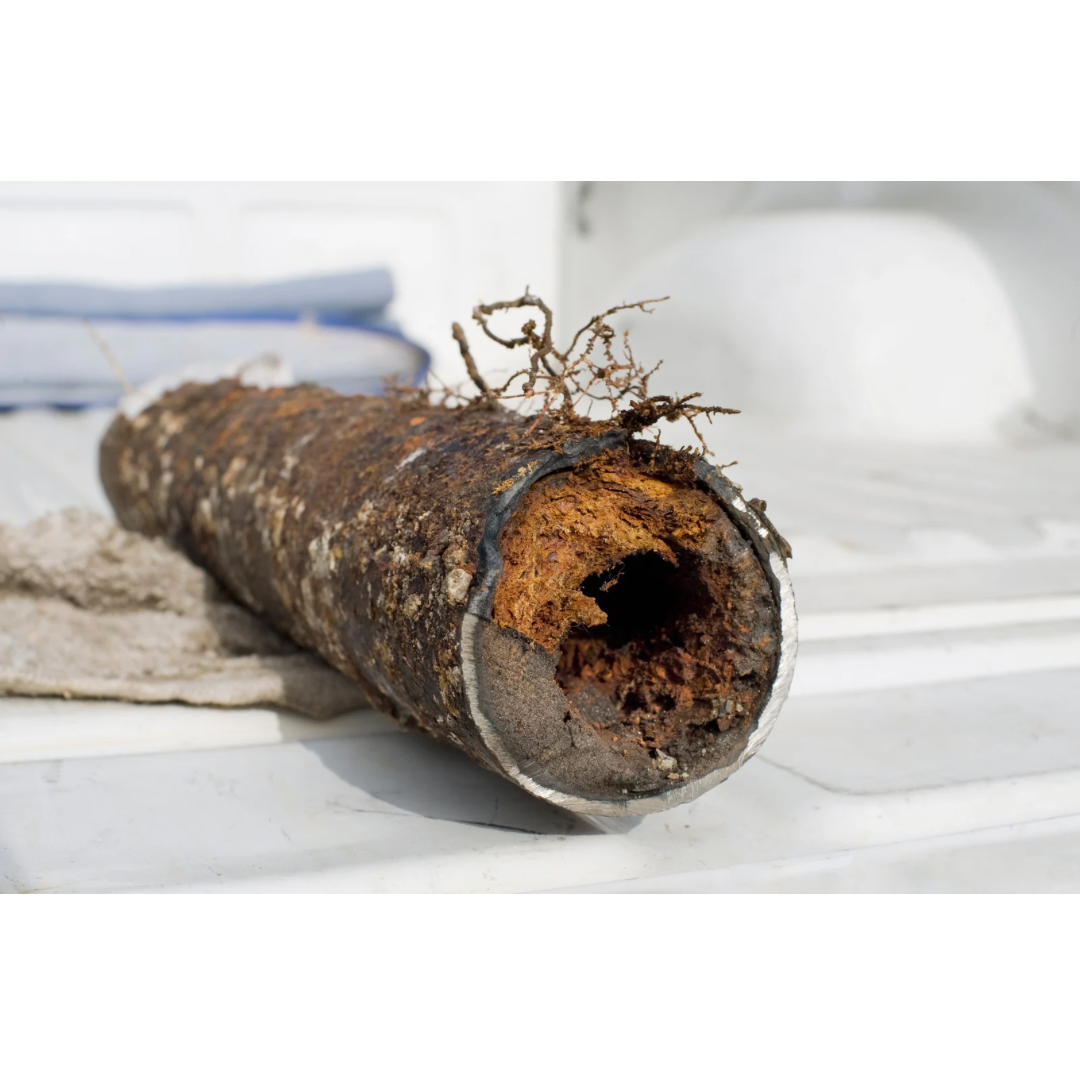
A main plumbing drain clogged problem is a blockage in the home’s primary drain pipe that carries wastewater from multiple branch drains to the municipal sewer or a septic tank. A main drain line commonly uses a larger diameter pipe than fixture drains, and many homes use a 4-inch main building drain for wastewater transport. A main line clog affects the whole drainage network, not a single fixture.
A main drain line functions like the trunk of a tree, and fixture drains function like branches feeding into the trunk. A main line restriction creates backpressure that shows up at the lowest openings first, including a basement floor drain, a ground-level shower, or a first-floor tub. A main drain clog also creates trapped air movement that produces gurgling in toilets and drains.
Main drain vs. fixture drain: why symptoms look “weird”
A fixture clog usually stays local because a sink trap and branch line serve a small area. A main line clog produces cross-fixture symptoms because a washing machine discharge can push water toward a shower drain, and a tub drain can trigger toilet bubbling. A multi-fixture pattern is one of the most reliable “main line” clues for homeowners.
Signs Your Main Plumbing Drain Is Clogged (Symptoms You Can Confirm)
A main plumbing drain clogged situation usually shows up as a pattern of drainage failures across different rooms, especially at lower elevations. A main line blockage commonly causes two or more slow drains, toilet bubbling, gurgling, and backups at floor drains or tubs. A main drain clog can also create persistent sewer odors because wastewater lingers longer inside the drainage system.
Common warning signs homeowners can check without tools include:
- Dirty water or sewage backing up at the lowest drain opening (floor drain, tub, shower)
- Gurgling sounds in a toilet bowl after a sink or tub drains
- Multiple slow drains in separate areas (kitchen + bathroom, or upstairs + downstairs)
- Toilet flushing problems that coincide with other fixtures draining
- Odors near drains that return quickly after cleaning the fixture
A quick “pattern test” that points to a main line
A main line clog becomes more likely when a washing machine drain cycle triggers water at a shower drain, because a washing machine discharge moves a large volume through a shared branch toward the main line. A main line clog also becomes more likely when a toilet bubbles while a tub drains, because trapped air and restricted flow share the same downstream path.
What symptoms usually mean “not a main line”
A single slow sink with no gurgling elsewhere often points to a localized clog in a trap arm or branch line. A single toilet that overflows without any other slow drains can indicate a toilet trap obstruction rather than a main drain restriction.
What Causes Main Plumbing Drain Clogs (Most Common Root Causes)
A main plumbing drain clogged condition usually develops from gradual buildup, root intrusion, or structural pipe problems that reduce the pipe’s effective internal diameter. A main drain clog often forms over months or years when grease, sludge, wipes, and sediment accumulate and catch additional debris. A main drain clog can also form suddenly when a foreign object lodges in a narrow point or damaged section.
Common causes include the following:
- Tree root intrusion at joints or cracks
- Tree roots seek moisture and can enter through tiny openings, especially in older materials such as clay or cast iron.
- Grease and sludge accumulation
- Grease from fats, oils, and food residue can coat pipe walls, narrowing the flow path and trapping solids.
- Non-flushable items and “flushable” wipes
- Many wipes and hygiene products do not disperse like toilet paper and can snag at offsets or rough pipe sections.
- Foreign objects and sediment
- Kids’ toys, construction debris, and heavy sediment can create a hard obstruction that acts like a dam.
- Pipe damage, offsets, or collapse
- Soil settlement, corrosion, or external loading can crack, separate, or deform pipe sections, creating a repeat-clog point.
Why the cause determines the right fix
A grease clog often responds to mechanical cutting and flushing, while root intrusion often requires root cutting followed by wall cleaning. A collapsed pipe section usually requires repair or replacement because clearing tools cannot restore a broken pipe’s internal geometry.
Damage Control: What to Do in the First Hour (Safe, Practical Steps)
A main plumbing drain clogged emergency becomes less damaging when homeowners reduce water input and contain any overflow at the lowest drains. A first-hour response should focus on stopping all water use, identifying the lowest backup point, and preventing contaminated water from spreading. A safe response also avoids chemical drain cleaners that can remain in the line and create hazards during clearing.
Stop all water use immediately
Water use should stop at sinks, showers, tubs, dishwashers, and washing machines because every gallon adds pressure behind the blockage. Household members should avoid toilet flushing because toilet flushing adds solids that can worsen the obstruction.
Identify the lowest drain and check for active backup
A lowest drain check should include basement floor drains, first-floor showers, and ground-level tubs because gravity sends backup to the lowest openings first. A flashlight check should confirm rising water, slow seepage, or sewage solids.
Contain overflow and protect porous materials
Overflow containment can use towels, absorbent pads, or a wet/dry shop vacuum to limit spread on floors. Porous items such as rugs, cardboard, and upholstered furniture should move away from the affected area to reduce contamination and odor retention.
Avoid chemical drain openers and “acid” products
Chemical drain openers rarely clear a main sewer line blockage because the chemical cannot reach the full clog mass in a large diameter pipe. Chemical drain openers can also damage older pipe materials and create a splash hazard at a cleanout.
Locate the main cleanout and evaluate access safely
A main cleanout often appears as a capped 3–4 inch pipe made of PVC or cast iron near the foundation, in a garage, in a basement, or in a yard. A cleanout cap can release backed-up pressure, but a cleanout cap can also release wastewater, so protective gloves and eye protection are important.
What to Try (and What to Avoid) Before Calling a Plumber
A main plumbing drain clogged problem allows only limited safe DIY actions because most household tools cannot reach deep obstructions or cut roots. A safe DIY approach focuses on observation, basic containment, and gentle checks rather than aggressive snaking with rental equipment. A high-risk DIY approach often increases damage when a cable binds, a clay pipe cracks, or a blockage shifts into a worse location.
Safe actions that can help diagnosis
- Main cleanout location and accessibility checks can speed professional diagnosis because a plumber can start from the best entry point.
- Fixture behavior notes can narrow the blockage location because a basement shower backup often signals a downstream restriction.
- Video documentation of backup timing can help a plumber confirm whether the issue follows washing machine discharge, toilet flushing, or general drainage.
Actions to avoid for main line clogs
- Chemical drain openers should stay off the troubleshooting list because chemical drain openers seldom remove roots, wipes, or hard obstructions.
- Repeated toilet plunging can push solids into a tighter mass when a main line restriction already exists.
- Powered drain augers can damage pipes when a homeowner lacks experience with cable feed resistance, cutter head selection, or line direction changes.
How Licensed Plumbers Diagnose and Clear a Main Drain Clog (Tools and Process)
A main plumbing drain clogged diagnosis typically starts with confirming the clog location using symptom patterns, cleanout access, and professional equipment designed for long runs. A professional clearing process commonly uses a sewer auger, a camera inspection, and sometimes hydro jetting to restore full pipe diameter. A professional process also checks for structural defects that cause repeat backups.
Licensed plumbers often follow a systematic workflow:
- Confirm main line involvement by checking whether multiple fixtures share the same slow-drain pattern.
- Access the main cleanout to avoid pulling fixtures and to work from the most direct line entry.
- Run a professional-grade auger (sewer snake) with the correct cutter head to break, retrieve, or bore through the obstruction.
- Perform a sewer camera inspection when clogs recur, when roots are suspected, or when pipe damage is likely.
- Use hydro jetting when grease, sludge, or heavy buildup coats the pipe wall and mechanical cutting alone cannot restore full flow.
Common professional tools (and what each tool proves)
| Tool / Method | Best for | What the result tells a plumber |
|---|---|---|
| Professional sewer auger (drain snake) | Wipes, soft blockages, moderate roots, localized obstructions | Cable feedback and retrieved debris indicate clog type and approximate distance |
| Sewer camera inspection | Recurring clogs, suspected collapse, offsets, root intrusion | Camera footage shows cracks, bellies, scale, and root entry points |
| Hydro jetting | Grease, sludge, scale, wall buildup | Jetting performance indicates whether pipe walls can be cleaned without structural failure |
| Cleanout-based access | Main line diagnosis and clearing | Cleanout access reduces fixture removal and targets the correct line |
Why camera inspection changes the repair plan
A sewer camera inspection can reveal a cracked joint, a separated fitting, or a sagging “belly” that holds standing water. A camera inspection can also confirm whether roots are entering at a single joint or across multiple joints, which affects prevention planning.
Specialty Plumbing uses licensed Prosper TX plumbing professionals to match the clearing method to the cause, because the safest long-term outcome depends on correct diagnosis rather than repeated “blind snaking.”
How Long Main Drain Clog Resolution Can Take (Immediate, Daily, and Longer-Term Timelines)
A main plumbing drain clogged event can involve multiple time horizons, including immediate damage control, same-day diagnostic work, and longer-term repair planning when pipe defects exist. A simple soft blockage can clear quickly once accessed, while root intrusion or structural failure can extend the process into follow-up steps. A realistic timeline helps homeowners plan for sanitation, drying, and prevention.
Immediate timeline: first hours
A first-hours focus should include water shutoff behavior, containment, and identifying the lowest backup point. A first-hours plan should also include ventilation and safe cleanup boundaries because sewage-contaminated water can affect indoor air quality.
Short-term timeline: first day or two after clearing
A post-clearing period should include running water at multiple fixtures to confirm stable flow and listening for gurgling that suggests partial restriction. A post-clearing period should also include drain trap refills because dried traps can allow odor entry after a backup event.
Longer-term timeline: weeks to months for prevention
A root-related main line may need periodic monitoring because root regrowth can occur after mechanical cutting. A grease-related main line often benefits from behavior changes and occasional professional cleaning intervals based on usage patterns and pipe condition. A damaged line may require repair planning after camera confirmation, permit requirements, and material selection.
What Drives Pricing and Project Scope for a Main Drain Clog Fix (Key Variables)
A main plumbing drain clogged repair scope varies widely based on access, pipe condition, clog type, and whether structural defects exist. Pricing varies by project scope, pipe condition, and repair method, and a correct diagnosis prevents paying repeatedly for temporary clearing. A main line project often becomes more involved when excavation, lining, or pipe replacement becomes necessary.
Key factors that influence scope include:
- Cleanout access and location
- A garage, basement, or exterior cleanout often reduces labor compared with hidden or buried access.
- Pipe material and age
- Cast iron and clay lines can be more vulnerable to cracking, scaling, and root intrusion than newer plastic piping.
- Clog composition
- Grease and sludge often require wall cleaning, while wipes and foreign objects may require retrieval or repeated passes.
- Distance to the obstruction
- A blockage near the house differs from a blockage closer to the street connection because cable length and friction increase with distance.
- Follow-up repairs
- A cracked, offset, or collapsed section can require repair or replacement rather than repeated cleaning.
Homeowners in Prosper TX and nearby cities sometimes face additional complexity when older neighborhoods contain mature trees near sewer alignments. Local code compliance can also influence repair planning when excavation or replacement becomes necessary.
Preventing a Main Drain Clog (Habits and Maintenance That Reduce Repeat Backups)
A main plumbing drain clogged recurrence becomes less likely when homeowners reduce grease input, keep wipes out of toilets, and address roots or pipe defects shown on camera. Preventive steps work best when prevention targets the confirmed cause rather than generic drain “tips.” A prevention plan should include both behavior changes and periodic condition checks for homes with known risk factors.
Practical prevention measures include:
- Grease disposal in a sealed container instead of a kitchen drain
- Toilet flushing limited to human waste and toilet paper
- Root-aware landscaping that avoids aggressive root systems near known sewer paths
- Periodic camera inspection planning after repeat backups, especially when a prior camera confirmed roots or offsets
- Fixture strainers for hair and debris reduction at tubs and showers
Homeowners who want a broader maintenance approach can compare main-line prevention with whole-home planning in Essential Preventive Plumbing Maintenance Tips for Prosper & Celina Homeowners.
When a Licensed Plumber Is the Right Next Step (Clear Decision Criteria)
A main plumbing drain clogged condition requires professional help when multiple fixtures back up, sewage appears, or DIY steps cannot restore normal flow safely. A licensed plumber becomes especially important when a sewer camera inspection is needed to rule out collapse, offsets, or root intrusion. A professional diagnosis also reduces the risk of repeated backups that damage flooring, drywall, and personal belongings.
Use the following decision criteria:
- Multi-fixture slow drains plus gurgling indicates a main line restriction and justifies a professional diagnosis.
- Sewage backup at a floor drain or tub indicates a sanitation risk and calls for professional clearing and cleanup guidance.
- Repeat clogs within a short period indicate an underlying defect such as roots, scale, or a belly that needs camera confirmation.
- Standing water around a cleanout or persistent yard odor can indicate a downstream restriction that needs professional evaluation.
Specialty Plumbing is a locally owned full-service provider with licensed Prosper TX plumbing professionals, and Specialty Plumbing helps homeowners in Prosper, Celina, Frisco, McKinney, Allen, Plano, Aubrey, Oak Point, and Gunter confirm the cause of main line backups and choose a safe fix path. Scheduling and coverage vary, so homeowners should contact Specialty Plumbing to confirm details for a specific address and situation.
For homeowners deciding between DIY and professional help, Plumber Prosper: Common Plumbing Problems, Safe DIY Fixes, and When to Call a Licensed Pro in Prosper, TX provides a broader decision framework.
Mini Decision Tree: DIY Check vs. Professional Diagnosis
A main plumbing drain clogged triage decision becomes clearer when homeowners separate single-fixture symptoms from whole-home patterns. A single fixture issue often stays local, while a main line issue shows up across rooms and levels. A safety-first decision avoids chemical drain cleaners and avoids powered augers without experience.
- A single slow sink or tub with no gurgling elsewhere often supports a plunger or hand auger attempt.
- Multiple slow drains plus toilet bubbling often supports stopping water use and scheduling a professional main line evaluation.
- Sewage visible anywhere often supports immediate containment and professional help due to sanitation risk.
Homeowners who want emergency definitions and risk levels can also review Same Day Plumber Guide: What Counts as a Plumbing Emergency in Prosper & Celina, TX? for practical severity categories, while remembering response times vary by demand and scheduling.
Common Questions About Main Plumbing Drain Clogs
Can chemical drain cleaners clear a main plumbing drain clogged problem?
Chemical drain cleaners rarely clear a main plumbing drain clogged blockage because the chemical cannot penetrate large, deep obstructions like wipes, roots, or heavy sludge. Chemical drain cleaners can also damage older pipes and create hazards during professional drain clearing.
How can a homeowner find a main sewer cleanout in a typical home?
A main sewer cleanout often appears as a capped pipe about 3–4 inches wide near a foundation wall, in a garage, in a basement, or in a yard. A licensed plumber can confirm the correct cleanout and open the cap safely when backup pressure exists.
What symptoms most strongly indicate a main drain clog instead of a single fixture clog?
Multiple slow drains in different rooms strongly indicate a main drain clog because multiple fixtures share the same downstream pipe. Toilet bubbling or gurgling after another fixture drains also strongly indicates a main line airflow restriction.
What causes repeat main line backups after snaking?
Root intrusion, pipe offsets, and pipe bellies commonly cause repeat backups because mechanical snaking can open a temporary path without fixing the underlying defect. A sewer camera inspection can identify the exact defect and guide a lasting repair plan.
What professional methods are commonly used for main drain clogs?
Professional plumbers commonly use a sewer auger, a sewer camera inspection, and hydro jetting depending on clog type and pipe condition. The best method depends on whether the blockage involves grease buildup, root intrusion, foreign objects, or structural pipe damage.
Local Notes for Prosper-Area Homes (Why Conditions Differ by Neighborhood)
A main plumbing drain clogged risk profile in North Texas often depends on pipe age, mature trees, and soil movement that can stress buried lines. Older lines made of clay or cast iron often experience more root intrusion and internal roughness than newer plastic piping. Local evaluation matters because the same symptom pattern can come from different causes across Prosper, Celina, Frisco, McKinney, Allen, Plano, Aubrey, Oak Point, and Gunter.
A camera-based diagnosis offers the most extractable proof for a long-term plan because camera footage can show exact distances, joint conditions, and obstruction types. Specialty Plumbing frequently recommends camera confirmation after repeat backups because repeated blind snaking can mask a collapsed section until a larger failure occurs.
For homeowners comparing providers and evaluation approaches, Plumbing Near Me in Prosper TX: How to Choose the Right Local Plumber, Diagnose Problems, and Avoid Costly Damage outlines selection criteria that align with licensed, code-aware work.
Suggested image placement (from draft, retained and contextualized)
A relevant visual near the diagnosis section can show a plumber operating a sewer auger at a cleanout, because the cleanout location and tool scale help homeowners understand why main line work differs from sink clogs. Alt text should describe the action and location clearly for accessibility and AEO extraction.