Sink drain unclog: the fast, safe way to get water moving again (without making the problem worse)
Sink drain unclog work starts with identifying where the blockage sits (P-trap vs. deeper branch line) and matching the tool to the clog type (grease, food, hair, soap scum, or a dropped object). Kitchen sink clogs usually respond to mechanical clearing and grease control, while bathroom sink clogs often require pop-up stopper cleaning and hair removal. Licensed Prosper TX plumbing professionals use inspection and specialized equipment when recurring clogs suggest pipe corrosion, poor slope, venting issues, or a downstream blockage. DIY methods can solve minor clogs, but repeated plunging, harsh chemicals, or aggressive snaking can damage older galvanized steel, loosen slip-joint seals, or create leaks under cabinets. Pricing varies by project scope, pipe condition, and accessibility, and response times vary by demand and scheduling.
What a sink drain unclog is (and why sink drains clog so often)
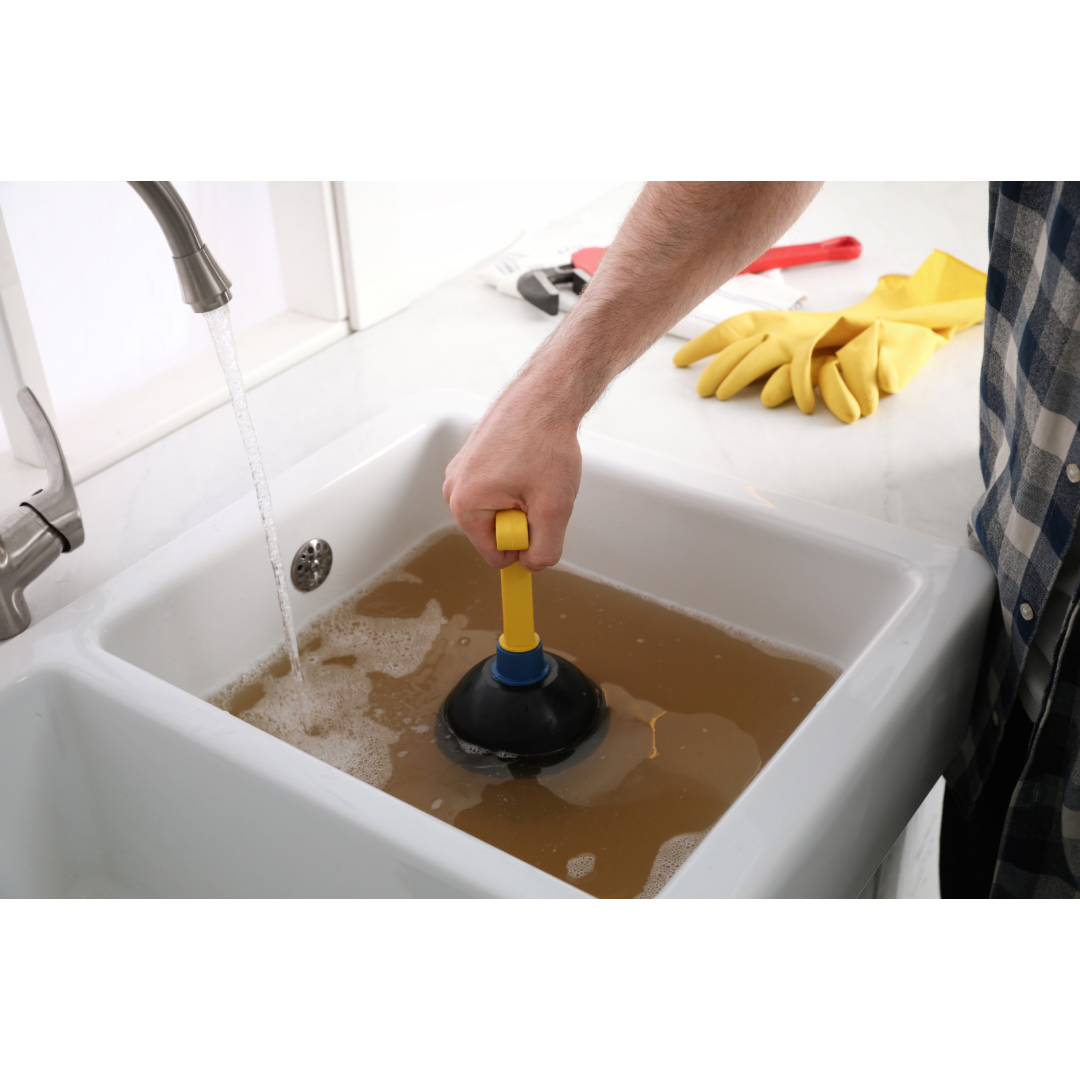
A sink drain unclog is the process of removing a blockage from a sink’s drain path, most commonly at the drain opening, the pop-up assembly, the P-trap (U-shaped bend), or the branch drain line inside the wall. Sink drains clog because everyday materials bond and accumulate, including grease and starch in kitchens and hair and soap residue in bathrooms.
Kitchen sinks and bathroom sinks clog for different physical reasons. Kitchen drain clogs often form when fats, oils, and grease cool and solidify on pipe walls, trapping particles like coffee grounds, rice, pasta, and fibrous vegetable peels. Bathroom sink clogs often form when hair tangles around the pop-up pivot rod area and combines with soap scum and toothpaste residue.
Pipe material and age also influence clog frequency. Galvanized steel pipes can corrode internally and develop rough surfaces that catch debris, while PVC and ABS plastic pipes usually stay smoother but still clog when solids and grease enter the line. North Texas water hardness can also accelerate mineral scale buildup, which reduces drain diameter over time and increases snag points for debris.
Where most sink clogs actually sit
Most sink clogs sit in one of four locations, and each location changes the best fix:
- Drain opening / strainer basket: Surface debris, labels, food bits, and hair mats can block the first few inches.
- Pop-up stopper assembly (bathroom sinks): Hair and soap residue commonly collect around the stopper and pivot rod.
- P-trap (under the sink): The P-trap holds water to block sewer gas, and the P-trap also catches heavier debris.
- Branch drain line (inside the wall): Grease, scale, and sludge can build farther downstream and cause recurring slow drains.
Signs a clogged sink drain is minor vs. a bigger plumbing problem
Clogged sink drain symptoms can reveal whether the blockage is local to one fixture or deeper in the plumbing system. A single slow sink usually points to a localized clog in the stopper, P-trap, or nearby branch line, while multiple slow drains often point to a larger restriction that requires professional diagnosis.
Homeowners can use symptom patterns to narrow the cause before attempting a sink drain unclog:
- Slow draining that gradually worsens: Buildup from grease, soap scum, or scale usually narrows the pipe over weeks or months.
- Standing water that does not drop: A solid obstruction or dense debris plug often sits at the P-trap or just past the trap bend.
- Gurgling sounds from the sink drain: Partial blockage or venting issues can pull air through the trap and cause bubbling.
- Foul odors from the drain: Organic material trapped in the P-trap or biofilm on pipe walls can create persistent smells.
- Water backing up in nearby fixtures: A downstream restriction can push water into the path of least resistance, which can include another sink, a tub, or a floor drain.
- Repeated clogs in the same sink: Recurring blockage can indicate grease-coated pipes, corrosion, sagging lines, poor slope, or a damaged section of drain piping.
A simple home check can help separate “one-sink” problems from “system” problems. One-sink problems usually affect only one fixture, while system problems often affect multiple fixtures on the same level or in the same branch.
Typical causes of sink drain clogs (kitchen vs. bathroom)
Sink drain clogs usually come from predictable materials that behave differently in pipes, and the best fix depends on the material. Kitchen sink clogs most often involve grease and starch buildup, while bathroom sink clogs most often involve hair and soap residue binding around the stopper assembly.
Common kitchen sink clog materials
- Grease, cooking oil, and fats: Grease hardens as grease cools, creating a sticky coating that traps other debris.
- Coffee grounds: Coffee grounds clump and settle, especially in traps and low spots.
- Starches (rice, pasta, potatoes): Starches swell with water and can form dense plugs.
- Fibrous scraps (celery, onion skins): Fibers can snag and braid together inside bends.
- Eggshell fragments and flour paste: Fine particles can combine into sludge.
Common bathroom sink clog materials
- Hair: Hair tangles into a net that catches soap and sediment.
- Soap scum: Soap scum forms when soap reacts with minerals in hard water, leaving a waxy residue.
- Toothpaste residue: Toothpaste can add fine solids that thicken biofilm.
- Dropped items: Jewelry, cotton swabs, and small caps can lodge at the trap bend.
Underlying plumbing conditions that make clogs repeat
- Corroded galvanized pipe interiors: Corrosion creates rough surfaces and reduced internal diameter.
- Poor slope or sagging drain sections: Low spots collect sediment and sludge instead of moving waste downstream.
- Improper or blocked venting: Venting problems can slow drainage and increase gurgling and trap siphoning.
- Misaligned slip-joint connections: Misalignment can create ledges that catch debris.
For deeper context on recurring kitchen sink drain problems, The Secret Villain in Your Kitchen Sink: Spot, Stop, and Outsmart Drain Problems adds helpful prevention and diagnostic cues.
DIY sink drain unclog methods that are safest (and what to avoid)
DIY sink drain unclog methods work best when the clog is close to the fixture and made of soft buildup rather than a hard obstruction. Plunging, manual snaking, P-trap cleaning, and pop-up stopper cleaning solve many common clogs without damaging pipes when the methods stay controlled and mechanical.
The safest DIY approach follows a low-force sequence. Mechanical clearing usually beats chemical drain cleaners because mechanical clearing removes material instead of relying on heat and caustic reactions inside pipes.
DIY method comparison (what each method is best for)
| Method | Best for | Typical clog location | Key caution |
|---|---|---|---|
| Cup plunger (sink plunger) | Soft clogs and partial blockages | Drain opening to near P-trap | Poor seal reduces effectiveness; overflow ports need sealing in some sink designs |
| Baking soda + vinegar + hot water | Light organic buildup and odors | Near drain opening and trap | Heavy grease plugs often resist mild reactions |
| Manual drain snake (hand auger) | Hair and debris plugs | P-trap area to short branch line | Aggressive cranking can damage old or corroded piping |
| Remove and clean P-trap | Solid debris caught in trap | P-trap under sink | Slip-joint washers must reseat correctly to prevent leaks |
| Wet/dry vacuum (liquid-rated) | Loose debris and shallow clogs | Drain opening and trap | Proper seal and correct vacuum mode matter; water exposure requires correct setup |
Chemical drain cleaner caution (why plumbers often avoid chemicals)
Chemical drain cleaners can damage pipes, deform older plastic, and create hazardous splash risk during disassembly. Chemical drain cleaners also leave caustic liquid in standing water, which can injure skin and eyes during a later P-trap removal. Mechanical removal usually provides a clearer diagnosis because mechanical removal shows the removed material.
Step-by-step: How to unclog a sink drain safely (kitchen or bathroom)
A safe sink drain unclog process starts with the least invasive method and moves toward disassembly only when simple methods fail. A controlled step sequence reduces the risk of cracked fittings, stripped slip nuts, and cabinet leaks.
Confirm the clog scope (one fixture vs. multiple fixtures)
One-sink slow drainage usually indicates a local clog, while multiple slow drains can indicate a downstream restriction. A quick test involves running water at the clogged sink and checking whether nearby sinks, tubs, or floor drains also drain slowly or back up.
Remove visible debris and check the stopper or strainer
Bathroom sink pop-up stoppers collect hair around the pivot rod area, and kitchen strainers collect food scraps and labels. A simple removal and cleaning can restore flow when the clog sits at the first restriction point.
Plunge with a true sink plunger and controlled pressure
A cup plunger designed for sinks seals better on flat drain openings than a toilet plunger. A proper plunge sequence uses short, firm plunges after sealing the drain opening, and a wet cloth can help seal overflow openings on some sink designs.
Try a gentle baking soda and vinegar flush for light buildup
A baking soda and vinegar flush can loosen light organic buildup and reduce odors when followed by hot water. A baking soda and vinegar flush works best for partial clogs rather than fully blocked drains with standing water.
Remove the P-trap and clean the trap bend
A P-trap removal requires a bucket, towels, and careful loosening of slip nuts under the sink. A P-trap cleaning often reveals grease sludge, coffee grounds, rice, or hair mats that never reach the wall line.
Use a manual drain snake to clear past the trap arm
A hand auger can reach beyond the P-trap into the trap arm and short branch line. A safe snaking technique uses gentle feeding, slow rotation, and immediate stopping when hard resistance suggests a fitting, a tight bend, or a fragile pipe section.
Reassemble, leak-check, and confirm flow with a measured test
A correct reassembly seats slip-joint washers evenly and tightens nuts without over-torquing. A good verification test runs water for several minutes while checking each joint with a dry paper towel to detect small drips.
For homeowners dealing with broader drain issues, Main Plumbing Drain Clogged in Prosper, TX? Signs, Causes, Safe Steps, and Pro Fix Options explains red flags that go beyond a single sink.
Symptom-to-solution mini-map (fast diagnosis without guesswork)
A symptom-to-solution map for sink drain unclog work links visible behavior to the most likely blockage type and safest first tool. A clear mapping reduces unnecessary disassembly and reduces the chance of forcing a tool into a fragile pipe.
- Slow draining with gurgling: Partial blockage near the sink or a venting issue often causes bubbling and slow flow. A sink plunger followed by a manual snake often provides the next best diagnostic step.
- Standing water with no draining: A solid clog in the P-trap or just beyond the trap often blocks all flow. A P-trap cleanout or careful snaking often targets the correct location.
- Bad odors from the drain: Organic buildup in the P-trap or biofilm on pipe walls often produces persistent smells. A P-trap cleaning and gentle flush often addresses the odor source.
- Backups in multiple fixtures: A downstream restriction can affect several drains at once. A licensed plumber diagnosis typically becomes the safest path when multiple fixtures show symptoms.
Damage-control actions when a sink overflows or leaks under the cabinet
Sink overflow response focuses on stopping water flow, protecting cabinets and flooring, and preventing hidden moisture damage. A fast, structured response can reduce swelling in particleboard cabinets and reduce the chance of mold growth in enclosed spaces.
- Immediate actions: Shut off the faucet and stop any appliance feeding the sink, including a dishwasher line if the dishwasher is running. Move stored items away from wet cabinet floors and place towels around the cabinet base.
- Leak containment actions: Place a bucket under the P-trap and under supply valves if dripping appears at joints. Close the hot and cold shutoff valves under the sink when active dripping continues.
- Dry-out actions: Dry standing water promptly and check hidden edges, including cabinet corners and adjacent baseboards. Monitor the cabinet floor over the next day for swelling or recurring dampness, since slow drips can reappear after reassembly.
What drives sink drain unclog complexity (and why timeframes vary)
Sink drain unclog timeframes depend on clog location, pipe condition, and whether the blockage is a soft buildup or a hard obstruction. A simple P-trap blockage can be resolved in a short, focused work session, while a deeper branch-line clog can require iterative clearing, inspection, and cleaning.
Practical timeframes homeowners can expect (process perspective)
- Immediate timeframe (minutes to an hour): A plunger attempt, stopper cleaning, or a quick P-trap inspection often fits this window.
- Same-day household impact (hours): A deeper clog can require multiple tool passes, careful reassembly, and leak checks, especially under tight vanities.
- Next-day follow-up (24 hours): A successful unclog should stay stable after normal use, and recurring slow drainage within a day can signal remaining buildup or a downstream issue.
- Long-term prevention (weekly to monthly habits): A monthly stopper cleaning and consistent strainer use can reduce hair and food entry, and grease avoidance can slow kitchen drain buildup.
A recurring clog pattern often provides the most important diagnostic clue. Recurring clogs often indicate pipe wall buildup, poor slope, corrosion, or venting problems rather than a single isolated obstruction.
Factors that influence sink drain unclog pricing (without surprises)
Sink drain unclog pricing varies by clog depth, accessibility, pipe material, and whether parts require replacement during disassembly. A simple clog in an exposed P-trap often involves less labor than a clog located deep in a wall line or connected to corroded galvanized piping.
Key cost drivers include:
- Accessibility and workspace: Pedestal sinks and tight vanities can limit tool access and slow disassembly.
- Pipe material and age: Galvanized steel and cast iron can be brittle or fused at joints, while PVC and ABS usually disassemble more easily.
- Clog location: A P-trap clog is often more straightforward than a clog deeper in the branch drain or stack.
- Condition of fittings: Cross-threaded slip nuts, worn washers, and corroded adapters can require replacement to restore a leak-free seal.
- Kitchen vs. bathroom variables: Kitchen clogs often involve grease film that requires thorough cleaning, while bathroom clogs often involve pop-up linkage and stopper cleaning.
- Diagnostic needs: Camera inspection or advanced cleaning methods can become appropriate when recurring clogs suggest a structural issue.
Homeowners comparing repair choices after a leak or pipe damage can also benefit from Pipe Repair: A Homeowner’s Guide to Leaks, Burst Pipes, and Smart Fix Options, especially when a clogged drain uncovers corroded or cracked piping.
When a licensed plumber becomes the safest next step
Professional sink drain unclog service becomes the safest option when symptoms suggest a downstream restriction, pipe damage, or a recurring condition that DIY tools cannot diagnose. Licensed plumbers can confirm venting, slope, pipe condition, and connection integrity, which reduces the chance of repeat clogs and hidden leaks.
Homeowners should strongly consider a licensed Prosper TX plumbing professional in these situations:
- Multiple fixtures drain slowly or back up at the same time
- Leaks appear at joints, inside cabinets, behind walls, or at flooring transitions
- Recurring clogs return after plunging, snaking, or P-trap cleaning
- Corroded, rusted, or stuck fittings prevent safe disassembly
- Standing water contains chemical drain cleaner from a prior attempt
- A dropped object blocks the drain and retrieval requires disassembly beyond comfort level
- Older galvanized or cast-iron drain lines show signs of internal corrosion or flaking
Specialty Plumbing provides diagnosis and repair as a locally owned, full-service provider with licensed Prosper TX plumbing professionals. Specialty Plumbing commonly helps homeowners in Prosper, Celina, Frisco, McKinney, Allen, Plano, Aubrey, Oak Point, and Gunter address stubborn sink clogs while keeping repairs aligned with current code expectations. Availability varies; contact Specialty Plumbing to confirm scheduling and coverage.
Common questions about sink drain unclog problems
What is the safest first step for a sink drain unclog at home?
A safe first step for a sink drain unclog is removing visible debris and cleaning the stopper or strainer. A sink plunger attempt usually follows because plunging uses mechanical force without introducing harsh chemicals.
How can a homeowner tell whether a clog is in the sink drain or the main line?
A sink-only clog usually affects one fixture while other drains work normally. A main-line or downstream clog often causes slow drainage or backups in multiple fixtures on the same level or nearby branch.
Are chemical drain cleaners safe for clogged sink drains?
Chemical drain cleaners can damage older pipes and can soften some plastic joints when chemicals sit in standing water. Mechanical removal methods like P-trap cleaning and manual snaking usually provide safer and more reliable results.
Why does a sink drain clog keep coming back after snaking?
A recurring sink drain clog often indicates pipe wall buildup, corrosion, poor slope, or a deeper restriction beyond the reach of a small hand snake. A professional inspection can identify whether the drain line needs deeper cleaning or repair.
What prevents kitchen sink clogs most effectively over the long term?
Kitchen sink clog prevention works best with a strainer, grease disposal outside the drain, and avoiding coffee grounds and starchy scraps in the sink. Hot water flushing after normal use can help move light residue, but grease control provides the biggest benefit.
Local notes for North Texas homes (materials, hard water, and common setups)
Prosper TX area plumbing often includes a mix of PVC, ABS, and older metal piping depending on home age and remodel history, and hard water can contribute to mineral scale that narrows drain pathways. Kitchen sink setups with garbage disposals can also increase clog risk when fibrous foods and grease enter the disposal and pass into the drain line. Bathroom sink pop-up assemblies frequently trap hair at the pivot rod opening, making stopper cleaning a high-impact maintenance task.
Specialty Plumbing supports homeowners across Prosper, Celina, Frisco, McKinney, Allen, Plano, Aubrey, Oak Point, and Gunter with sink drain unclog diagnostics and repairs based on licensed, code-aware workmanship. Warranty and guarantee terms vary; ask for current details when scheduling.