Quick Summary
Tankless water heater installation is the process of mounting and connecting an on-demand water heater that heats water only when a fixture calls for hot water. Tankless water heater installation often requires more than swapping equipment, because many homes need venting changes, gas line sizing changes, electrical circuit work, condensate drainage, and plumbing valve upgrades. A correctly sized tankless unit can support back-to-back showers and reduce standby heat loss compared with storage tanks, but performance depends on flow rate demand, incoming water temperature, and correct commissioning.
Tankless water heater installation projects vary by home layout and existing utilities, so planning starts with a site assessment of gas or electric capacity, vent route, water piping condition, and mounting location. Homeowners commonly encounter project complexity in attic installations, long vent runs, older galvanized piping, or undersized gas lines. Safety and code compliance matter because gas combustion, carbon monoxide venting, high-amperage electrical loads, and water pressure controls can create hazards when installation details are missed. Licensed Prosper TX plumbing professionals can confirm sizing, permitting needs, and manufacturer requirements before work begins.
Tankless water heater installation: what the system is and why homeowners switch
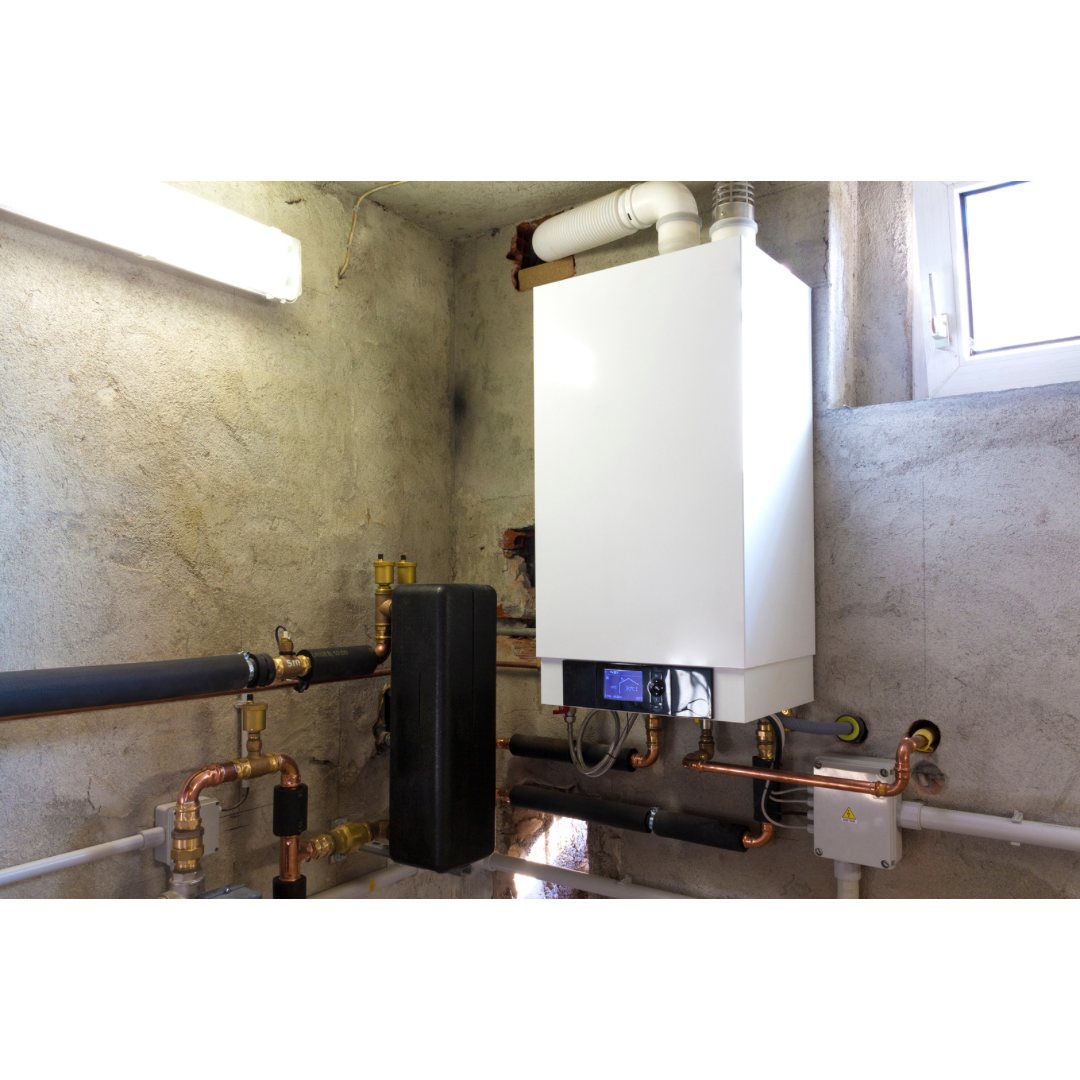
Tankless water heater installation refers to replacing or adding a wall-mounted, on-demand water heater that heats water as it flows through a heat exchanger instead of storing hot water in a tank. Tankless water heater installation appeals to homeowners because a tankless system reduces standby heat loss, saves floor space, and can deliver extended hot water when the unit is sized for the home’s peak demand.
A tankless water heater is an on-demand system that activates when a flow sensor detects water moving through the unit. Gas-fired tankless models use a burner and venting system, and electric tankless models use high-amperage heating elements. Many homeowners in Prosper, Celina, Frisco, McKinney, Allen, Plano, Aubrey, Oak Point, and Gunter choose tankless equipment for three practical reasons:
- Space efficiency: A wall-mounted unit often replaces a bulky storage tank.
- Long-run comfort: A properly sized unit can support consecutive showers without “tank recovery” delays.
- Efficiency strategy: A tankless design avoids reheating a full tank repeatedly when no fixtures run.
Tankless vs. tank: the core operating differences (quick comparison)
| Feature | Tankless water heater | Traditional tank water heater |
|---|---|---|
| Heating method | Heats water on demand through a heat exchanger | Heats and stores a set volume in a tank |
| Standby heat loss | Lower, because stored hot water is not maintained | Higher, because stored hot water cools over time |
| Footprint | Often wall-mounted and compact | Floor-standing tank footprint |
| Upgrade needs during replacement | Often requires venting, gas line, electrical, or condensate changes | Often allows simpler “like-for-like” swaps |
How tankless water heater installation differs from replacing a tank unit
Tankless water heater installation differs from tank replacement because tankless equipment frequently requires utility upgrades and code-driven venting changes. Tankless water heater installation can involve higher gas input rates, dedicated electrical circuits, condensate drainage for high-efficiency models, and new vent materials that match manufacturer listings and local code requirements.
A tank-to-tank replacement often reuses existing venting and gas piping with minimal changes. A tank-to-tankless conversion often triggers several scope items that homeowners do not expect:
- Gas capacity checks: Gas tankless units can require larger gas supply piping than older tank units.
- Electrical capacity checks: Electric tankless units can require multiple breakers and heavy-gauge wiring depending on model requirements.
- Venting system redesign: Many tankless units require specific vent materials, vent diameters, and allowable vent lengths.
- Condensate management: High-efficiency gas tankless units can produce acidic condensate that needs proper drainage and sometimes neutralization.
- Water piping modernization: Older shutoff valves, unions, and corroded piping can fail during disassembly and require replacement.
Prosper-area homes with attic water heater locations can add complexity because attic routing affects vent termination, condensate drainage slope, and service access. Specialty Plumbing, a locally owned full-service provider, commonly plans tankless conversions around access constraints, code compliance, and long-term serviceability.
Signs a tankless upgrade, repair, or replacement deserves attention
Tankless water heater installation becomes a priority when a storage tank shows failure risk, hot water demand has outgrown capacity, or efficiency goals justify an upgrade. Tankless water heater repair or tankless water heater replacement becomes more likely when error codes repeat, temperature stability declines, or leaks appear at the unit, isolation valves, or fittings.
Homeowners can use the following symptoms as decision triggers:
- Hot water runs out during normal use: A storage tank can be undersized or failing, and a tankless upgrade can address demand when correctly sized.
- Water temperature swings: Temperature fluctuations can indicate undersizing, scale buildup, venting problems, or sensor issues.
- Visible leaks or corrosion: Water heater leaks can originate from fittings, valves, heat exchangers, or aging piping.
- Unusual noises: Scale on heat transfer surfaces can cause clicking, rumbling, or kettling sounds.
- Recurring error codes or lockouts: Error codes often indicate ignition problems, venting restrictions, flame sensing faults, or flow sensor issues.
- Water quality challenges: Hard water scaling can shorten service life without routine flushing and filtration support.
Homeowners comparing repair versus replacement can benefit from Water Heater Problems: Essential Guidance for Homeowners and Water Heater Replacement: Signs, Process, and Smart Repair-vs-Replace Decisions.
Tankless water heater installation process: step-by-step from assessment to startup
Tankless water heater installation follows a predictable sequence that starts with load calculations and ends with commissioning tests for gas pressure, water flow, vent performance, and leak-free operation. Tankless water heater installation steps vary by fuel type and mounting location, but most projects include utility shutoffs, old equipment removal, piping and vent modifications, and a documented startup procedure.
A licensed plumber typically begins with an assessment of hot water usage patterns, fixture count, and simultaneous demand. A sizing discussion often includes showers, laundry loads, dishwashing, and multi-bathroom overlap. A site review also checks incoming water temperature assumptions, because colder incoming water requires more heating capacity to reach a setpoint such as 120°F.
Confirm sizing and installation location
Tankless water heater sizing uses flow rate demand and temperature rise to select a unit that matches peak household use. Installation location planning confirms wall structure, service clearances, freeze protection strategy, and a vent termination route that meets manufacturer instructions and local code.
Shut off water, gas, and electrical power safely
Water shutoff uses the main valve or a local isolation valve, and gas shutoff uses the appliance shutoff valve when present. Electrical shutoff uses the breaker panel lockout where applicable, because exposed wiring and wet work create shock hazards.
Remove the existing water heater and evaluate piping condition
Old heater removal includes draining the tank, disconnecting water lines, and disconnecting venting for gas units. Piping evaluation checks for corrosion, brittle valves, and galvanized sections that can fail when disturbed.
Upgrade gas piping or electrical circuits when required
Gas tankless installation can require upsizing gas piping to meet BTU input demand, and electric tankless installation can require dedicated high-amperage circuits. Utility upgrades must follow code requirements for pipe sizing, bonding, wire gauge, breaker sizing, and disconnects.
Mount the tankless unit securely and plan service access
Wall mounting uses structural fastening appropriate for the substrate, such as lag bolts into framing when required. Service access planning keeps isolation valves, filters, and the unit front panel reachable for descaling and repairs.
Connect cold water, hot water, and isolation valves
Water connections often use copper, PEX where allowed, or stainless connectors rated for potable water. Isolation valve kits with service ports simplify annual flushing and reduce labor during tankless water heater repair visits.
Install venting and condensate drainage (gas models)
Venting installation follows the manufacturer’s listed vent material, diameter, and maximum equivalent length rules. Condensate drainage uses approved tubing and slope, and some installations use a condensate neutralizer to protect drains.
Commission the system with leak checks and performance verification
Leak checks include water pressure testing and gas leak detection methods approved for the installation. Startup verification includes confirming stable outlet temperature, checking for error codes, and verifying combustion air and venting performance.
Document settings and explain homeowner maintenance
Documentation includes setpoint temperature, filter locations, flushing procedure overview, and any water treatment recommendations. Homeowner education reduces scaling risk and reduces nuisance shutdowns from clogged inlet screens.
Venting, combustion air, and condensate: the most missed technical details
Tankless water heater installation succeeds or fails on venting design, combustion air supply, and condensate management for high-efficiency units. Venting mistakes can create safety hazards, nuisance error codes, and premature component failure, so manufacturer vent tables and local code rules must guide every vent diameter, fitting count, and termination location.
Gas tankless units commonly fall into non-condensing and condensing categories:
- Non-condensing gas tankless: Higher exhaust temperatures often require venting materials rated for higher heat.
- Condensing gas tankless: Lower exhaust temperatures can allow different vent materials, and condensing operation produces condensate that must drain correctly.
Key venting and condensate facts homeowners can verify during planning discussions:
- Vent diameter and vent length limits come from the manufacturer manual, not guesswork.
- Each elbow adds “equivalent length,” which reduces allowable straight-run length.
- Condensate drains require consistent slope to prevent pooling and freeze risk in unconditioned spaces.
- Combustion air needs a clear pathway, because restricted air can trigger ignition faults and error codes.
Prosper-area attic installations can require special attention to condensate routing and insulation protection, because attic temperatures and long drain runs increase the risk of drainage problems.
Water quality, hard water, and scaling: protecting the heat exchanger
Tankless water heater installation in hard-water regions requires a water quality plan because scale buildup reduces heat transfer and can trigger overheat protection. Water quality management often includes inlet screening, periodic flushing, and optional filtration or softening based on local water hardness.
Tankless heat exchangers contain narrow waterways that transfer heat efficiently but collect mineral scale when hardness and temperature combine. Homeowners can reduce scaling risk with practical steps:
- Set a reasonable temperature, because higher setpoints can accelerate mineral precipitation.
- Flush the unit periodically using the manufacturer-recommended procedure, often using a pump and approved descaling solution.
- Clean inlet screens, because clogged screens reduce flow and trigger error codes.
- Consider filtration or softening, because hardness control reduces descaling frequency in many homes.
A maintenance plan also supports fewer service calls for tankless water heater repair and supports more consistent outlet temperature.
Factors that influence project complexity and pricing
Tankless water heater installation pricing varies by project scope, equipment specifications, and installation conditions, so a site evaluation provides the most reliable estimate. Tankless water heater installation costs commonly increase when gas line upsizing, electrical panel work, long vent runs, or plumbing reroutes become necessary.
Homeowners can use the following list to understand the biggest cost drivers without relying on guesswork:
- Installation location and access: Garage wall installations usually involve simpler access than tight attic platforms or crawlspaces.
- Existing piping condition: Galvanized pipe replacement, corroded shutoff valves, and brittle fittings add labor and materials.
- Gas line sizing changes: Gas-fired units may require 3/4-inch or 1-inch gas piping depending on total load and run length.
- Electrical circuit requirements: Electric tankless units can require multiple dedicated circuits and sufficient panel capacity.
- Venting route complexity: Roof penetrations, long attic runs, and multiple elbows increase vent labor and materials.
- Permitting and inspection requirements: Local rules can require permits and inspections for fuel gas, venting, and water heater replacements.
- Water treatment add-ons: Filtration, softening, or neutralizers can add upfront scope but reduce scaling risk.
- Unforeseen conditions: Hidden leaks, mold, damaged framing, or unsafe venting discovered during teardown can expand scope.
Specialty Plumbing typically frames planning conversations around safety, code compliance, and long-term service access rather than “quick swaps,” because tankless conversions often expose older infrastructure issues.
Process timeframes: what “how long does installation take” means in real life
Tankless water heater installation timeframes depend on upgrade needs, inspection requirements, and site access, so a single universal duration does not apply. Tankless water heater installation often fits into a short project window for straightforward replacements, but utility upgrades, vent reroutes, and attic or crawlspace constraints can extend the schedule.
Homeowners can think about timeframes in practical buckets:
- Immediate (same visit scope): Site assessment, sizing confirmation, and visual inspection of gas, electric, vent, and piping conditions.
- Daily work scope: Removal of old equipment, mounting, piping connections, venting work, and startup testing when conditions allow.
- Multi-day scope: Gas line upsizing, electrical panel modifications, complex vent reroutes, and inspection coordination when required.
- Monthly ownership scope: Post-install adjustment of setpoint, cleaning inlet screens, and monitoring for early leak signs or error codes.
- Annual ownership scope: Descaling and a full operational check, especially in hard-water conditions.
Response times vary by demand and scheduling, so project planning works best when homeowners schedule assessments before a total water heater failure.
Common mistakes homeowners make (and how to avoid expensive rework)
Tankless water heater installation mistakes usually involve sizing errors, venting shortcuts, or skipped utility upgrades, and those mistakes can create safety hazards or performance complaints. Tankless water heater installation succeeds when the installer follows manufacturer instructions, local code requirements, and a commissioning checklist that verifies gas pressure, vent performance, and stable outlet temperature.
The most common pitfalls include:
- Undersizing the unit for simultaneous demand: Undersizing shows up as temperature drops when two showers run at once.
- Reusing incompatible venting materials: Venting materials must match the unit’s listing and exhaust characteristics.
- Skipping gas or electrical upgrades: Utility undersupply can cause ignition failure, nuisance shutdowns, or poor heating performance.
- Ignoring water quality protection: Scale buildup can trigger error codes and reduce efficiency.
- Poor service access planning: Lack of isolation valves and cramped mounting locations increase future repair labor.
A quality installation also includes modern valves and service ports, because isolation valves simplify flushing and reduce downtime during tankless water heater repair.
Troubleshooting after installation: symptom → likely cause → safe first check
Tankless water heater troubleshooting starts with safe checks that confirm utilities, flow, and venting conditions before deeper diagnostics. Tankless water heater installation issues often show up as no hot water, fluctuating temperatures, error codes, or minor leaks at threaded joints.
| Symptom | Likely cause | Safe first check |
|---|---|---|
| No hot water | Gas shutoff closed, breaker tripped, ignition lockout, clogged inlet screen | Confirm gas valve position, confirm breakers, clean inlet screen per manual |
| Fluctuating temperature | Undersized unit, simultaneous fixtures, scale buildup, flow sensor issues | Reduce simultaneous demand, confirm setpoint, schedule descaling if needed |
| Error codes or beeping | Vent restriction, combustion air issue, sensor fault, scale | Check vent termination for blockage, confirm air openings, reference manual code list |
| Water leaking at fittings | Loose union, failed sealant, damaged O-ring, valve failure | Shut off water, dry area, inspect fitting alignment, schedule professional repair if leak persists |
Gas smell and carbon monoxide concerns require immediate safety action, including shutting off gas if safe and contacting emergency services. Electrical arcing and smoking components require breaker shutoff and professional evaluation.
When DIY makes sense vs. when a licensed plumber is the safer choice
Tankless water heater installation requires gas, electrical, venting, and plumbing coordination, so professional installation becomes the safer choice when any system upgrade is involved. Licensed Prosper TX plumbing professionals bring code knowledge, permitting familiarity, and commissioning experience that reduces the risk of gas leaks, water damage, and venting hazards.
Homeowners can use the following decision criteria:
- Gas line upsizing needed → professional installation recommended. Gas piping errors can create leak and combustion risks.
- New venting or roof penetration needed → professional installation recommended. Venting errors can create carbon monoxide hazards.
- Electrical panel or high-amperage circuit work needed → professional installation recommended. Electrical upgrades require correct breaker sizing and wiring methods.
- Water heater relocation planned → professional installation recommended. Relocation often triggers code requirements for venting, drains, and seismic or mounting rules.
- Visible corrosion, brittle valves, or galvanized piping present → professional evaluation recommended. Old piping can fail during disassembly.
Specialty Plumbing is a locally owned full-service provider with licensed Prosper TX plumbing professionals who handle tankless water heater installation, tankless water heater replacement planning, and tankless water heater repair diagnostics in real-world North Texas housing conditions.
Damage control for active leaks during installation or operation
Active leak response limits structural damage by shutting off water quickly and preventing electrical hazards. Active leak response should prioritize water shutoff, safe power isolation, and professional evaluation when leak sources involve pressurized fittings, valves, or appliance components.
Homeowners can follow a practical sequence:
- First actions: Water shutoff at the main valve or local valve stops ongoing water release.
- Safety actions: Electrical shutoff at the breaker reduces shock risk near wet areas.
- Containment actions: Towels, buckets, and wet vac use reduces spread into drywall and flooring.
- Documentation actions: Photos and notes support insurance documentation when damage occurs.
- Repair actions: Licensed plumbing repair addresses failed valves, cracked fittings, and compromised piping safely.
Homeowners dealing with hidden water damage can also benefit from Pipe Repair: A Homeowner’s Guide to Leaks, Burst Pipes, and Smart Fix Options.
Maintenance after tankless water heater installation: keeping performance stable
Tankless water heater maintenance protects efficiency and reduces error codes by controlling scale, keeping flow sensors clean, and confirming safe venting. Tankless water heater maintenance usually includes periodic descaling, inlet screen cleaning, visual inspection for leaks, and vent termination checks.
Homeowners can expect the following maintenance rhythm:
- Monthly habit: Visual inspection for drips, corrosion, and unusual sounds near the unit and valves.
- Periodic cleaning: Inlet screen cleaning per manufacturer instructions supports consistent flow.
- Annual service pattern: Descaling frequency depends on water hardness, usage, and setpoint temperature.
Tankless water heater replacement decisions often become relevant when heat exchanger failures occur or when repeated repairs no longer restore stable performance. Warranty and guarantee terms vary; homeowners should ask for current details for the installed brand and the installing contractor.
Local perspective: what Prosper-area homeowners should plan for
Tankless water heater installation in North Texas often includes attic installs, hard-water scaling risk, and mixed-age plumbing infrastructure, so planning must account for access and maintenance. Tankless water heater installation planning in Prosper, Celina, Frisco, McKinney, Allen, Plano, Aubrey, Oak Point, and Gunter often benefits from a pre-install inspection that checks gas sizing, vent routing, and shutoff valve condition.
Specialty Plumbing regularly sees three “real home” complications in the region:
- Tight attic platforms and limited service clearance that complicate venting and future maintenance.
- Older half-inch gas branches that cannot support higher-demand appliances without redesign.
- Aging valves and corrosion that cause shutoff failures during removal of old heaters.
A homeowner planning a broader plumbing upgrade can also review The Ultimate Guide to Fixing Low Water Pressure in Homes because flow limitations can affect tankless performance.
Common Questions About Tankless water heater installation
How long does a typical tankless water heater installation take?
Tankless water heater installation time depends on venting changes, gas or electrical upgrades, and access to the installation location. Straightforward replacements can fit into a short project window, while complex vent reroutes and utility upgrades can extend the schedule. Permitting and inspection steps can also add time depending on local requirements.
Can a homeowner DIY a tankless water heater installation?
Tankless water heater installation can exceed typical DIY scope because gas piping, venting, and high-amperage electrical work require code compliance and specialized testing. DIY work can be limited to basic preparation tasks, such as clearing access and documenting existing connections. Licensed installation reduces risk when any utility upgrade or venting change is required.
What maintenance does a tankless water heater need after installation?
Tankless water heater maintenance typically includes descaling based on water hardness, cleaning inlet screens, and inspecting for leaks at valves and fittings. Vent termination inspection supports safe combustion performance for gas models. Manufacturer instructions provide the correct flushing method and recommended service intervals.
Why does a tankless water heater produce fluctuating water temperatures?
Tankless water temperature fluctuation often results from undersizing, simultaneous fixture demand exceeding capacity, or scale buildup restricting heat transfer. Sensor issues and venting problems can also trigger protective modulation that feels like temperature swings. A diagnostic visit can confirm flow rate, setpoint, and error code history.
What factors most affect tankless water heater installation pricing?
Tankless water heater installation pricing varies by project scope, venting complexity, gas line or electrical upgrades, and the condition of existing plumbing. Attic or crawlspace access can increase labor because routing and service access become more complex. Permit and inspection requirements can also affect total project scope depending on jurisdiction.