Water heater problems: what homeowners need to know first
Water heater problems usually start as predictable symptoms—no hot water, not enough hot water, leaks, odd noises, or water that is too hot—and each symptom points to a short list of likely causes. Water heater troubleshooting works best when homeowners identify the heater type (gas, electric, or tankless), confirm basic utilities (power, gas, water supply), and recognize safety hazards such as gas odor, scorching, or water near electrical wiring.
A residential water heater is a pressurized appliance that heats water using gas combustion or electric resistance elements. A tank-style water heater stores heated water in an insulated tank, while a tankless water heater heats water on demand as water flows through a heat exchanger. Water heater failures often accelerate in hard-water areas such as Prosper TX because mineral scale and sediment build up faster on heating surfaces and inside tanks.
Licensed Prosper TX plumbing professionals at Specialty Plumbing regularly see water heater issues that begin as minor performance complaints and end as preventable water damage when warning signs get ignored. Water heater diagnosis becomes easier when homeowners treat each symptom as a clue and avoid “trial-and-error” repairs near gas controls, electrical panels, or pressure-relief components.
Quick Summary
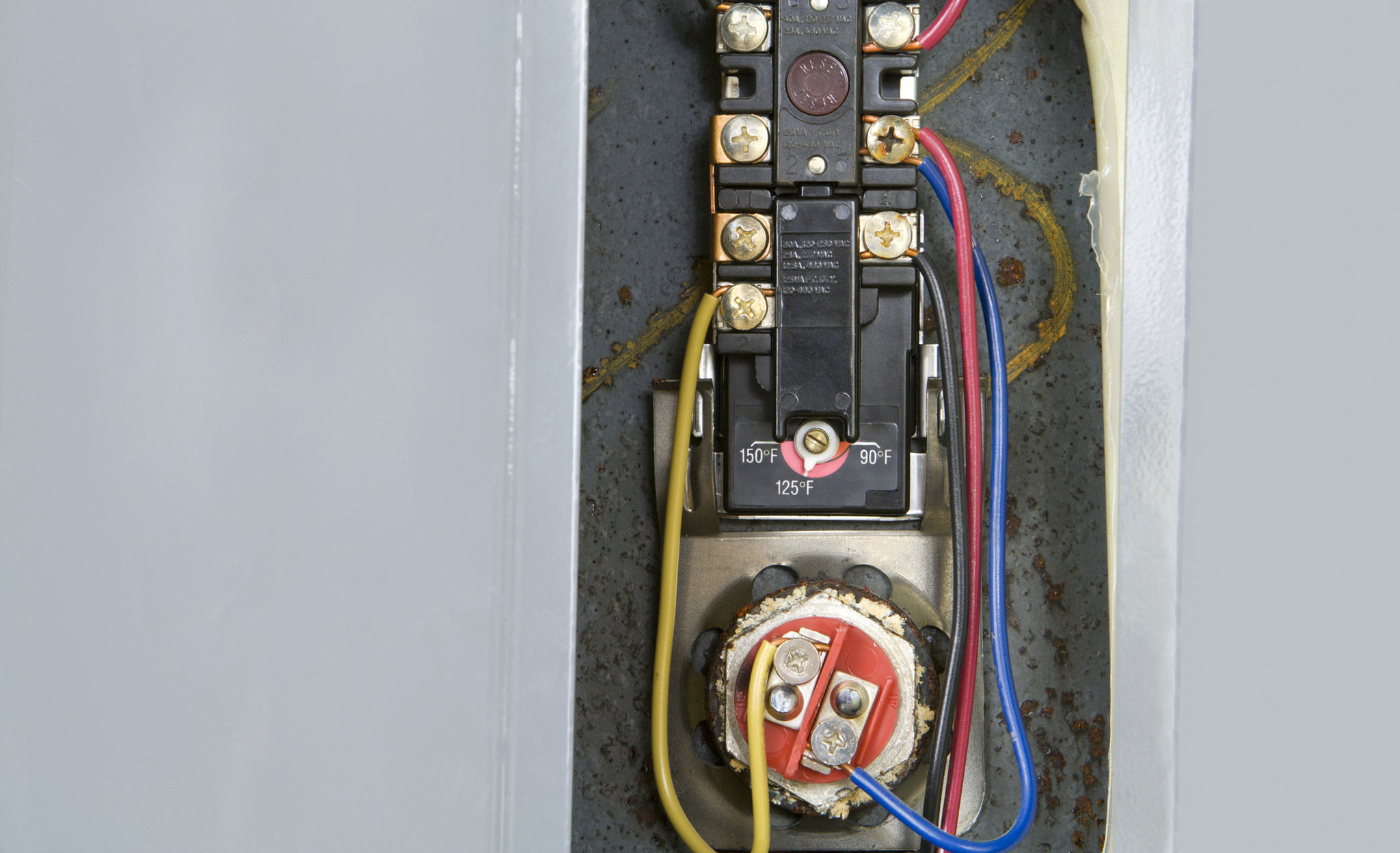
Water heater problems usually show up as no hot water, lukewarm water, rusty or cloudy water, loud popping noises, or moisture around the tank, and each symptom has a small set of common causes. Water heater problems in Prosper TX often involve sediment buildup from hard water, failed heating elements or thermostats, pilot or gas control issues on gas units, and leaks from fittings, valves, or the tank seam.
Water heater troubleshooting starts with safe checks: confirm a tripped breaker has not shut off an electric unit, confirm a gas unit has not lost ignition, and confirm a shutoff valve has not been bumped closed. Water heater leak response starts with shutting off the water supply valve above the unit and turning off the energy source at the breaker or gas control. Water heater repair complexity and project timing vary based on access (closet, garage, attic), corrosion, parts availability, and code-compliance upgrades during replacement. Water heater replacement becomes more likely when a tank leak, extensive corrosion, or repeated failures occur, especially as the unit approaches the 8–12 year lifespan range common for many tank water heaters.
Common water heater problems and why they happen
Water heater problems usually come from sediment buildup, failed controls, worn internal components, or plumbing connection failures, and each cause produces a distinct pattern of symptoms. Water heater diagnostics become more accurate when homeowners separate “water supply problems” from “heater problems” by checking hot and cold fixtures, multiple faucets, and multiple rooms.
Sediment buildup (hard-water scale)
Sediment buildup is a layer of minerals that settles at the bottom of a tank water heater and reduces heat transfer, increases noise, and accelerates tank wear. Sediment buildup commonly causes rumbling, popping, longer recovery times, and “hot water runs out fast” complaints.
Sediment buildup often starts as loose granules that can be flushed, but hardened scale can clog a drain valve and require specialized tools. Sediment buildup can also cause localized overheating on a gas burner plate or around an electric element, which increases stress on the tank lining. Hard-water conditions in North Texas can intensify scale formation, which is one reason annual maintenance becomes more important in Prosper-area homes.
Thermostat, heating element, and control failures
Thermostat failure is a loss of accurate temperature control that can cause lukewarm water, inconsistent temperatures, or scalding water. Heating element failure is a common electric-water-heater issue that reduces output, especially when one of two elements fails in a typical dual-element tank.
Gas water heater ignition failure often involves a thermocouple, flame sensor, or gas control valve that prevents reliable burner operation. Tankless water heater control issues can involve flow sensors, ignition components, or scale inside the heat exchanger that limits heating capacity. Manufacturer instructions and rating plates usually specify voltage, wattage, and replacement part compatibility for electric elements and thermostats.
Leaks: fittings, valves, or tank failure
Water heater leaks can come from threaded connections, flex lines, drain valves, temperature-and-pressure relief valves, or the tank body itself. Tank body leaks commonly indicate internal corrosion or a compromised tank seam, and tank body leaks usually make replacement the safest long-term path.
A temperature and pressure relief valve (TPR valve) is a safety device designed to open if tank temperature or pressure becomes unsafe. TPR valve discharge can signal excessive pressure, a failing valve, or thermal expansion issues. A drain valve leak can start as a slow drip and progress as mineral deposits prevent full closure.
Corrosion and anode rod depletion
An anode rod is a sacrificial metal rod that helps protect the steel tank from rust by corroding first. Anode rod depletion allows tank corrosion to accelerate, which can show up as rusty hot water, corrosion around fittings, or pinhole leaks.
Rust-colored water limited to hot taps often points to internal tank corrosion or a deteriorating anode rod. Rust-colored water present on both hot and cold taps can indicate a broader plumbing or municipal supply issue rather than a water heater-only issue.
Dip tube problems and mixing issues
A dip tube is a plastic tube that directs incoming cold water to the bottom of a tank so hot water remains at the top for delivery. Dip tube failure can cause “hot water runs out immediately” because cold water mixes near the outlet.
A thermostatic mixing valve blends hot and cold water to deliver a controlled temperature to fixtures. Mixing valve malfunction can cause unpredictable temperature swings, especially in homes with anti-scald valves at showers.
Warning signs homeowners can spot early
Water heater problems often announce themselves through visible, audible, and water-quality changes that homeowners can confirm without tools. Water heater warning signs become more actionable when homeowners note whether symptoms occur at one fixture, multiple fixtures, or the entire home.
- Water heater “no hot water” symptoms often indicate a power interruption, ignition failure, failed heating element, or failed control.
- Water heater “not enough hot water” symptoms often indicate sediment buildup, a thermostat setting issue, an undersized tank, or a dip tube failure.
- Water heater discoloration symptoms include rusty, cloudy, or gritty hot water that can indicate corrosion or sediment disturbance.
- Water heater noise symptoms include popping, rumbling, or banging that frequently correlates with sediment boiling at the tank bottom.
- Water heater leak symptoms include dampness, pooling water, corrosion trails, or mineral crust at fittings and valves.
- Water heater odor symptoms include metallic odors near the heater closet or burning smells near electrical components, which require caution and shutdown.
Seasonal temperature shifts can make marginal performance feel worse because colder incoming water increases the heater workload. Municipal water work can stir up sediment that clogs aerators and showerheads, which can look like a heater performance problem even when heating remains normal.
Safe troubleshooting for water heater problems (DIY checks)
Water heater troubleshooting refers to low-risk checks that confirm utilities, settings, and visible conditions without opening gas trains, removing electrical covers, or defeating safety devices. Water heater troubleshooting should stop immediately when homeowners detect gas odor, scorching, active spraying leaks, or water near energized electrical components.
Symptom → likely cause → first safe check (table)
Water heater symptom patterns can be mapped to likely causes, and a structured checklist prevents missed basics. Water heater diagnosis improves when homeowners record heater type, approximate age, and whether the problem affects one fixture or the entire home.
| Symptom | Likely cause | First safe check a homeowner can do |
|---|---|---|
| No hot water (electric) | Tripped breaker, high-limit reset tripped, failed element | Check breaker panel for a tripped circuit; confirm dedicated breaker position |
| No hot water (gas) | Ignition loss, gas control issue, thermocouple/flame-sensing problem | Check status indicator on gas control; follow manufacturer relight instructions if applicable |
| Hot water runs out fast | Sediment buildup, dip tube failure, undersized tank | Check for popping/rumbling noise; note whether hot water volume changed suddenly |
| Water too hot or fluctuating | Thermostat or mixing valve problem | Confirm thermostat setting on control panel matches desired temperature |
| Popping/rumbling noises | Sediment boiling and overheating | Plan a tank flush if safe and accessible; stop if drain valve will not operate |
| Water around base of tank | Tank seam leak, drain valve leak, nearby pipe leak | Dry the area; trace moisture source from above downward to locate origin |
| Dripping from TPR discharge pipe | Excess pressure/temperature or failing valve | Avoid capping discharge; arrange professional evaluation for safety device function |
How to do a basic “no hot water” isolation test
Water heater isolation testing helps confirm whether a heater problem exists versus a fixture problem. Water heater isolation testing should include at least two fixtures in different rooms.
Confirm the problem scope
Hot-water testing should include at least one sink faucet and one shower in different areas of the home. Hot-water testing should confirm whether only one fixture is affected, because a single-fixture issue can be a clogged cartridge or anti-scald valve.
Identify the heater type and fuel
Water heater identification should confirm “gas tank,” “electric tank,” or “tankless” using the rating label and visible connections. Water heater fuel identification should confirm a gas line and venting for gas units or a dedicated electrical circuit for electric units.
Check the simplest utility interruption
Electric water heater checks should confirm the breaker has not tripped and the disconnect (if present) has not been switched off. Gas water heater checks should confirm the gas control indicates normal operation and the gas shutoff valve handle aligns with the pipe when open.
Stop and call for help when safety signals appear
Gas odor, scorch marks, melted wiring, or water contacting electrical components require immediate shutdown of the energy source. Licensed plumber evaluation becomes the safest next step when safety signals appear.
How to respond to an active water heater leak (first-hour priorities)
Water heater leak response requires fast shutdown steps that reduce damage without creating electrical or burn hazards. Water heater leak response should prioritize stopping water flow, stopping energy input, and preventing contact between water and electrical components.
Shut off the water supply to the heater
Water heater shutoff usually uses a valve located on the cold-water line above the tank. Water heater shutoff can also use the home’s main water valve when the local valve fails or cannot be accessed safely.
Turn off the energy source safely
Electric water heater shutdown should occur at the breaker panel to eliminate energized components near water. Gas water heater shutdown should use the gas control knob set to “off” according to the manufacturer labeling.
Contain and document water to limit secondary damage
Water containment can use towels, a bucket, or a wet/dry vacuum when electrical safety is confirmed. Damage documentation with photos can support insurance communication when flooring, drywall, or ceilings show staining.
Avoid unsafe “patch” attempts
Tank seam leaks and heavily corroded fittings should not be patched with tape, putty, or improvised clamps. Professional assessment becomes important when corrosion indicates weakened metal or when a safety valve appears involved.
Water heater repair vs replacement: how to decide
Water heater repair makes sense when a single replaceable component has failed and the tank body remains structurally sound. Water heater replacement becomes more appropriate when a tank leak, severe corrosion, repeated breakdowns, or age-related decline makes ongoing repairs unreliable.
Water heater age is a practical decision factor because many conventional tank water heaters commonly last about 8–12 years, with lifespan strongly affected by maintenance and water quality. Water heater replacement is often the safer recommendation when a tank seam leaks, because tank metal failure tends to progress rather than stabilize. Water heater replacement planning should also consider venting, combustion air, seismic strapping requirements where applicable, and discharge piping for a TPR valve.
Repair vs replace comparison (table)
Water heater decision-making becomes clearer when homeowners compare safety, predictability, and failure modes rather than focusing only on the current symptom. Water heater evaluation should include tank condition, parts condition, and installation quality.
| Decision factor | Repair tends to fit best when… | Replacement tends to fit best when… |
|---|---|---|
| Leak source | Leak source is a fitting, flex line, or drain valve | Leak source is the tank body or tank seam |
| Corrosion level | Corrosion is limited and localized | Corrosion is widespread on tank, nipples, or shutoffs |
| Performance history | Performance issues are recent and isolated | Performance issues are recurring or worsening |
| Parts availability | Parts match model and remain available | Parts are discontinued or require major assemblies |
| Safety components | Safety devices test and function correctly | Safety devices discharge repeatedly or show damage |
| Age and wear | Unit age is relatively recent with maintenance history | Unit age approaches end-of-life range with hard-water stress |
Licensed Prosper TX plumbing professionals can confirm whether a leak originates from the tank body versus a connection by inspecting seam lines, insulation saturation, and corrosion patterns.
What drives water heater repair complexity and pricing variation
Water heater repair pricing varies by project scope, location, and scale, and several technical factors influence the total work involved. Water heater repair complexity increases with poor access, corroded connections, code-related upgrades, and parts that require special ordering.
- Water heater access affects labor complexity because attic installations, tight closets, and finished enclosures reduce working clearance and slow safe removal or repair.
- Water heater corrosion increases difficulty because mineral buildup can seize threaded fittings and “lock” supply lines in place.
- Water heater model type affects parts because electric elements and thermostats must match voltage and wattage specifications listed on the rating plate.
- Water heater brand and part availability affect scheduling because discontinued controls can require replacement of larger assemblies instead of small components.
- Water heater code compliance can affect replacement scope because venting, expansion control, drain pans, and discharge piping must meet local requirements at the time of work.
- Water heater water quality affects recurrence risk because hard-water scale can shorten element life and reduce heat exchanger efficiency.
Warranty and guarantee terms vary; warranty questions require a review of the specific unit documentation and current program details.
Process timeframes: what “normal” looks like from symptom to solution
Water heater problem timelines usually move from immediate safety actions to short-term troubleshooting to longer-term prevention, and each stage has a different “typical” duration. Water heater repair timelines vary by diagnosis clarity, parts availability, and installation access, so homeowners benefit from thinking in hourly, daily, and monthly phases rather than expecting a single universal duration.
Immediate timeframe (minutes to hours)
Water heater leak control can happen within minutes when a shutoff valve operates correctly and the energy source gets turned off safely. Water heater safety stabilization includes drying standing water, preventing contact with electrical components, and isolating the heater from continued water flow.
Water heater triage also includes confirming whether a leak comes from above the heater, because overhead plumbing leaks can mimic tank failure. Water heater noise and performance issues can be documented immediately by noting which fixtures are affected and whether noise occurs during heating cycles.
Short-term timeframe (same day to a few days)
Water heater diagnostics can take longer when symptoms are intermittent, because intermittent ignition failures and thermostat failures can require observation during multiple heating cycles. Water heater parts acquisition can add time when specialty controls or proprietary assemblies are required.
Water heater flushing can improve performance quickly when sediment remains loose, but hardened scale can prevent full drainage and require professional methods. Water heater replacement planning can require additional steps when venting changes, expansion control changes, or drain pan routing changes are needed.
Long-term timeframe (monthly to annual prevention)
Water heater maintenance intervals often include periodic tank flushing and inspection of visible corrosion, especially in hard-water regions. Water heater performance monitoring becomes easier when homeowners record changes in recovery time, hot-water volume, and unusual sounds.
A drain pan under a water heater provides an early indicator of slow leaks, especially for closet or attic installations. A water softener or scale-reduction approach can reduce mineral accumulation, but water treatment choices should match household water chemistry and manufacturer guidance.
When water heater problems require a licensed plumber
Water heater professional service becomes the safest option when gas controls, electrical components, pressure-relief devices, or tank integrity issues are involved. Water heater safety risk increases sharply when homeowners attempt repairs that require opening sealed combustion components, removing electrical access panels, or modifying discharge piping.
Water heater repair should move to a licensed plumber under any of the following conditions:
- Water heater leak originates from the tank body or tank seam rather than a connection.
- Water heater area includes standing water near wiring, junction boxes, or an electric element access panel.
- Gas water heater operation includes gas odor, soot, scorch marks, or repeated ignition failure.
- Water heater TPR valve discharges repeatedly or shows signs of corrosion, because TPR valve function is a life-safety issue.
- Water heater temperatures swing from cold to scalding, because thermostat or mixing valve issues can create burn risk.
- Water heater age and corrosion suggest structural weakness, especially when rusty water appears at hot taps.
Specialty Plumbing is a locally owned, full-service provider with licensed Prosper TX plumbing professionals, and Specialty Plumbing handles water heater diagnostics with an emphasis on safety devices, code-aligned installation details, and hard-water wear patterns common in North Texas.
Homeowners dealing with related plumbing symptoms can also benefit from targeted guidance such as The Ultimate Guide to Fixing Low Water Pressure in Homes and Pipe Repair: A Homeowner’s Guide to Leaks, Burst Pipes, and Smart Fix Options. Homeowners tracking moisture damage from bathroom areas can compare symptoms with Shower Pan Leak Water Damage: Causes, Early Signs, and Professional Fixes.
Real-world patterns seen in Prosper-area homes
Water heater problems in Prosper TX often involve slow leaks that homeowners mop up repeatedly until corrosion reveals a tank seam failure. Water heater intermittent hot water complaints in newer homes often trace back to sediment accumulation, dip tube issues, or installation details that create pressure and expansion stress.
Attic-installed water heaters present a higher consequence profile because a hidden leak can damage ceilings before visible water appears. Closet-installed water heaters can hide corrosion behind drywall edges and trim, which delays discovery. Garage-installed water heaters typically offer better access, which can reduce repair complexity and improve inspection visibility.
Specialty Plumbing regularly assists homeowners across Prosper, Celina, Frisco, McKinney, Allen, Plano, Aubrey, Oak Point, and Gunter, and local water conditions make sediment and scale a recurring theme in many service calls. Availability varies; contact Specialty Plumbing to confirm scheduling.
Pro tips that reduce repeat water heater problems
Water heater reliability improves when homeowners treat sediment control, leak detection, and safe temperature settings as ongoing habits. Water heater preventive steps work best when homeowners follow manufacturer instructions and local code requirements for safety devices and discharge piping.
- Water heater flushing every 6–12 months can reduce sediment accumulation, especially in hard-water conditions.
- Water heater thermostat settings often target around 120°F for many households, because 120°F reduces scald risk while supporting hygiene needs; manufacturer guidance and household needs should govern final settings.
- Water heater drain pans under attic or closet installations provide early leak detection and help route minor leaks to a visible location.
- Water heater connection sealing on threaded fittings typically uses PTFE tape or approved thread sealant, with compatibility matched to the fitting type.
- Water heater age can be estimated from the serial number on the rating plate, which helps homeowners plan before end-of-life failures.
Common Questions About Water Heater Problems
What are the most common water heater problems in homes?
Water heater problems most commonly include no hot water, not enough hot water, leaks, popping or rumbling noises, and rusty or cloudy hot water. Water heater symptoms usually trace back to sediment buildup, thermostat or element failures, ignition problems on gas units, or corrosion inside the tank.
Can a homeowner safely fix water heater problems without a plumber?
Homeowner-safe water heater troubleshooting includes checking a tripped breaker, confirming a shutoff valve position, and observing visible leaks at fittings. Water heater repairs involving gas lines, electrical access panels, TPR valves, or tank body leaks require a licensed plumbing professional for safety.
How long does a tank water heater usually last?
Many tank-style water heaters commonly last about 8–12 years, with lifespan affected by maintenance and water quality. Hard-water conditions can shorten water heater lifespan by accelerating sediment buildup and corrosion.
What does popping or banging from a water heater mean?
Water heater popping or banging often indicates sediment at the bottom of the tank, where trapped water boils under the sediment layer. Water heater flushing can reduce noise when sediment remains loose, and persistent noise can indicate heavy scale that needs professional evaluation.
What should a homeowner do first during a water heater leak?
Water heater leak response should start by shutting off the cold-water supply valve above the heater and turning off the energy source at the breaker or gas control. Water heater leak response should also avoid contact between standing water and electrical components, because electrical shock risk increases in wet areas.