Water Heater Replacement: What Homeowners Need to Know
Quick Summary
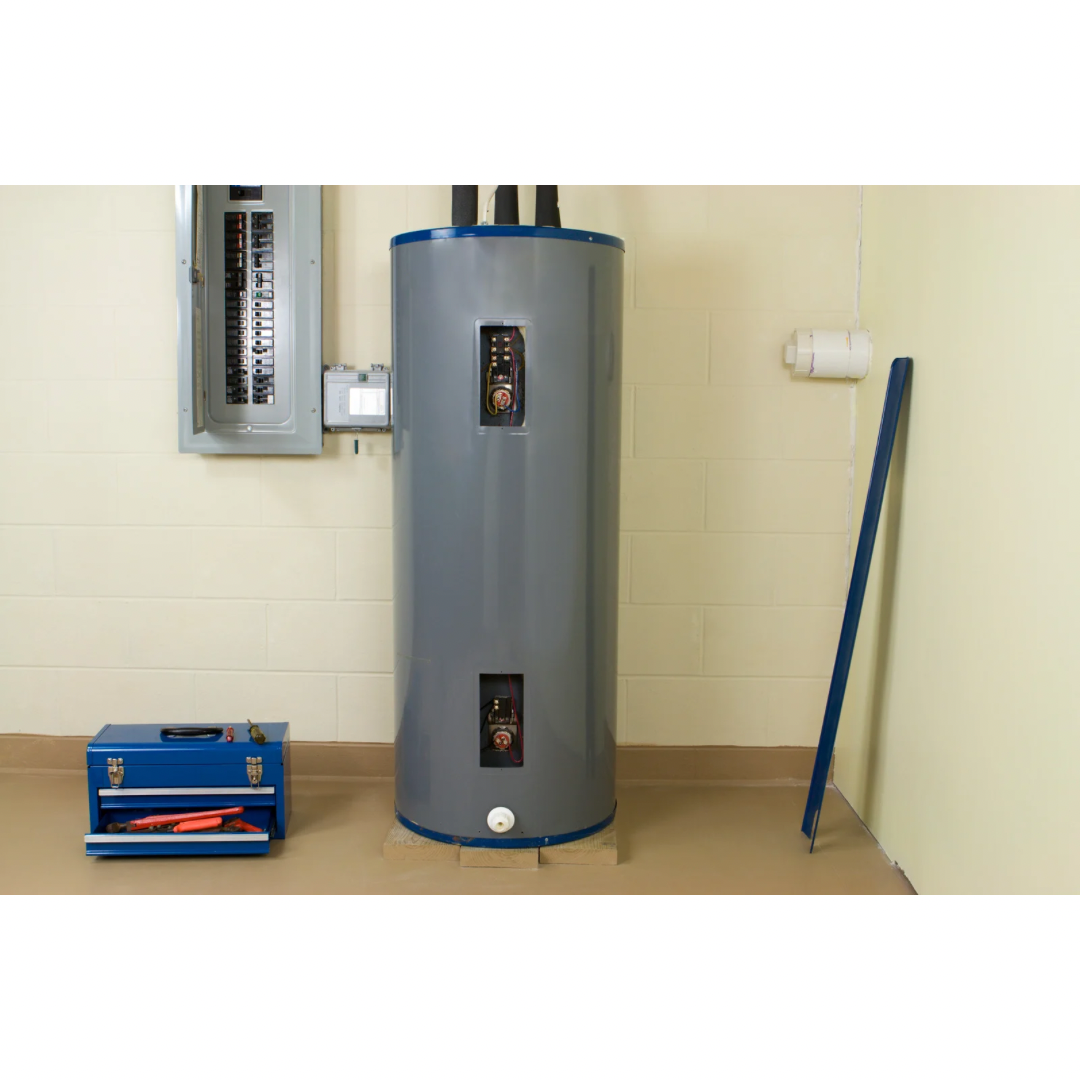
Water heater replacement is the most reliable fix when a water heater tank leaks, internal corrosion produces rusty hot water, or an aging unit cannot maintain safe, consistent hot water. Water heater replacement often becomes the best choice after repeated repairs, rising energy use from sediment buildup, or performance limits that no longer match household demand. Traditional tank water heaters often last about 8–12 years, and tankless water heaters often last longer with routine maintenance, so water heater age provides a practical baseline for replacement planning.
Water heater replacement usually includes utility shutoff, safe disconnection, removal of a heavy tank that can hold 40+ gallons, code-aligned installation, leak testing, and temperature verification. Water heater replacement project complexity depends on access, venting, gas or electrical requirements, pipe condition, and local permitting and inspection steps. Specialty Plumbing, a locally owned provider staffed by licensed Prosper TX plumbing professionals, handles water heater installation and water heater repair across Prosper and nearby communities, with scheduling and coverage varying by demand and location. A licensed plumber assessment remains the safest first step when active leaks, gas odors, burning smells, or electrical trip events appear near a water heater.
Water Heater Replacement Defined (and Why Homeowners Choose It)
Water heater replacement is the removal of an existing water heater and the installation of a new water heater that matches household demand, fuel type, venting method, and local code requirements. Water heater replacement becomes relevant when a water heater reaches end-of-life, develops an unrepairable tank leak, or requires repeated repairs that no longer restore reliable hot water.
Water heater replacement solves problems that water heater repair cannot fix permanently, especially when the tank shell fails. Tank corrosion usually starts inside the tank, so external patches rarely stop long-term deterioration. Water heater replacement also creates an opportunity to correct safety and performance issues such as undersized capacity, missing expansion control, or outdated venting.
Common goals homeowners have for replacement
- Water heater replacement to stop active leaks and prevent structural water damage
- Water heater installation to restore consistent hot water during showers and laundry loads
- Water heater replacement to improve energy performance when sediment reduces heat transfer
- Water heater replacement to upgrade from a tank unit to a tankless system when space or demand changes
Homeowners researching related plumbing risks often benefit from early leak education in Pipe Repair: A Homeowner’s Guide to Leaks, Burst Pipes, and Smart Fix Options.
Signs a Water Heater Needs Replacement (Not Just Repair)
Water heater replacement is strongly indicated when a water heater shows tank leakage, internal rust, chronic performance failures, or age-related decline that persists after basic repairs. Water heater symptoms become more meaningful when multiple warning signs occur together, especially when a tank unit approaches or exceeds the typical 8–12 year lifespan range.
High-confidence replacement indicators
- Water pooling at the base of the tank: A tank leak often means internal corrosion has breached the tank wall, and tank wall failure usually cannot be repaired safely.
- Rust-colored hot water: Rusty hot water often indicates corrosion inside a steel tank or deterioration in connected piping, and internal tank corrosion often progresses.
- Inconsistent hot water output: Hot water that turns cold quickly can signal a failing dip tube, heating element, thermostat, or heavy sediment, with age determining repair value.
- Rumbling, popping, or banging noises: Sediment layers can trap heat and cause localized boiling, which increases stress on tank materials and reduces efficiency.
- Higher utility bills without usage changes: Reduced heat transfer from scale and sediment can force longer heating cycles on gas or electric units.
- Repeated service calls: Frequent part failures can indicate systemic aging, water chemistry issues, or an undersized system.
Symptoms that can mimic “replacement needed”
- Pilot light problems on gas units: A thermocouple, flame sensor, or gas control issue can be repairable when the tank remains structurally sound.
- Tripped breaker on electric units: A failed heating element or wiring fault can be repairable after safe diagnosis.
- Valve drips near fittings: A loose fitting or failing temperature and pressure relief valve can sometimes be corrected without replacing the tank.
A licensed plumber evaluation helps distinguish a fitting leak from a tank leak, because water can travel along piping and drip from misleading locations. Specialty Plumbing commonly finds hidden tank corrosion during inspections when homeowners initially suspect a minor valve issue.
Repair vs. Replace: A Practical Decision Framework
Water heater repair makes sense when a water heater has a sound tank and a single component failure, while water heater replacement makes sense when a tank leaks, corrosion appears, or multiple problems occur on an older unit. Water heater decision quality improves when homeowners compare the failure type, unit age, safety risk, and probability of repeat repairs.
Repairable problems that often justify water heater repair
- Thermostat failure on electric or gas units
- Heating element failure on electric units
- Thermocouple or flame-sensing issues on gas units
- Minor leaks at threaded fittings or replaceable valves
- Sediment buildup that improves after a flush when the tank remains intact
Replacement triggers that often justify water heater replacement
- Tank shell leakage or visible corrosion on the tank body
- Recurring leaks that return after multiple repairs
- Multiple component failures on a unit near end-of-life
- Performance mismatch such as insufficient hot water for household size
- Upgrade goals such as moving to tankless or changing capacity
Repair vs. replace comparison table (high-level)
| Decision factor | Water heater repair tends to fit | Water heater replacement tends to fit |
|---|---|---|
| Tank condition | Tank body remains dry and structurally sound | Tank body leaks or shows advanced corrosion |
| Problem scope | Single failed part (element, thermostat, thermocouple) | Multiple issues or repeated failures |
| Unit age | Newer unit with stable performance history | Older unit near typical lifespan or declining rapidly |
| Safety risk | Low risk after professional correction | Elevated risk from leaks, gas issues, or electrical faults |
| Performance goal | Restore normal operation | Improve capacity, efficiency, or system type |
A homeowner facing frequent hot water issues may also benefit from broader troubleshooting guidance in Water Heater Problems: Essential Guidance for Homeowners.
Water Heater Replacement Process (What Happens During Installation)
Water heater replacement follows a safety-first sequence that includes shutting off utilities, draining and removing the old unit, installing the new unit to code, and testing for leaks and correct operation. Water heater installation quality depends on correct venting, correct fuel connections, correct water connections, and correct safety controls such as the temperature and pressure relief valve.
Confirm heater type and job scope
A licensed plumber confirms fuel type (gas or electric), tank or tankless configuration, venting method, and capacity requirements. A licensed plumber also checks the data plate for model information and age clues.
Shut off water and energy sources
A licensed plumber shuts off the cold-water supply valve and isolates power at the breaker for electric units or shuts off gas at the gas valve for gas units. A safe shutdown prevents electrical shock, gas release, and uncontrolled water flow.
Drain the old tank safely
A licensed plumber connects a hose to the drain valve and routes water to an appropriate drain point. A standard tank can hold 40+ gallons, so controlled drainage reduces flooding risk and makes removal safer.
Disconnect water, gas, venting, or electrical connections
A licensed plumber disconnects hot and cold lines and addresses corroded fittings carefully to avoid pipe damage. A licensed plumber also disconnects venting on gas units or wiring on electric units with proper lockout practices.
Remove the old water heater and prep the installation area
A licensed plumber moves the old tank out of the space and checks the platform, pan, drain path, and nearby materials. A licensed plumber also evaluates shutoff valve condition and pipe integrity before reconnecting.
Install the new water heater and required safety components
A licensed plumber sets the new unit level and secures the unit as required by local standards. A licensed plumber connects water lines, confirms correct temperature and pressure relief valve piping, and installs required accessories such as an expansion tank when needed by system design and code.
Reconnect energy source and verify venting
A licensed plumber performs gas leak checks on gas piping connections using an approved leak-detection method. A licensed plumber verifies venting alignment and draft performance on vented gas models and verifies correct wire gauge, grounding, and connections on electric models.
Fill, purge air, and test operation
A licensed plumber fills the tank, purges air from hot water lines, and checks all joints for leaks. A licensed plumber verifies thermostat settings, burner operation or element cycling, and stable hot water delivery.
Confirm code alignment, cleanup, and disposal plan
A licensed plumber reviews safety controls and confirms the installation meets local requirements, which can include strapping, expansion control, and venting rules. Old water heater disposal logistics vary by project and location.
Specialty Plumbing regularly performs water heater installation work in Prosper TX and nearby cities, with local code familiarity playing a major role in safe venting, safe gas connections, and safe pressure control.
Tank vs. Tankless Water Heater Replacement: What Changes in the Job
Tankless water heater replacement typically involves more venting, gas sizing, or electrical planning than a like-for-like tank swap, while tank water heater replacement often focuses on safe tank removal and correct reconnection. Tankless water heater installation can require wall mounting, condensate management for condensing models, and verification of combustion air and vent materials.
Key differences homeowners notice
- Space and mounting: Tankless systems mount on a wall, while tank systems require floor space and stable support.
- Venting: Tankless units often require specific vent materials and routing, while tank units can use different venting approaches depending on model.
- Electrical and gas demands: Tankless units can require higher gas flow capacity or electrical circuit changes depending on model type.
- Water quality sensitivity: Hard water can accelerate scale buildup in tankless heat exchangers, making maintenance planning important in North Texas conditions.
A licensed plumber can recommend the correct configuration based on household use patterns, bathroom count, and fixture demand rather than relying on guesswork.
Factors That Influence Water Heater Replacement Cost (Without Guesswork)
Water heater replacement cost depends on equipment type, installation complexity, code-driven upgrades, and site conditions, so pricing varies by project scope, location, and system requirements. Water heater replacement estimates become more accurate after a plumber inspects access conditions, piping materials, venting, and utility connection needs.
Cost drivers that commonly change the scope of work
- Type of water heater: Tank vs. tankless and standard vs. high-efficiency models change venting and connection requirements.
- Capacity and size changes: Larger tanks or higher-demand tankless systems can require plumbing and utility adjustments.
- Access constraints: Attics, tight closets, and under-stair installations can increase labor and safety steps.
- Connection condition: Rusted shutoff valves, corroded nipples, or outdated venting can require replacement parts and extra work.
- Code requirements and safety additions: Expansion tanks, strapping, drain pans, and updated venting can be required depending on installation conditions.
- Permitting and inspection: City permitting rules can add formal steps to the project workflow.
Homeowners planning a broader plumbing upgrade sometimes pair water heater work with pressure and flow improvements described in The Ultimate Guide to Fixing Low Water Pressure in Homes.
Water Heater Replacement Timeframes: What “How Long” Usually Means
Water heater replacement timeframes depend on job complexity, inspection requirements, and whether the replacement is like-for-like or includes upgrades, so timelines vary by system type and site conditions. Water heater replacement planning benefits from thinking in immediate, daily, and weekly windows rather than expecting a single universal duration.
Immediate timeframe (minutes to hours)
- Water heater shutdown and leak stabilization actions can occur within minutes when a homeowner locates the shutoff valve and breaker or gas control.
- Water heater draining time depends on tank size, sediment level, and drain valve condition, with heavy sediment often slowing drainage.
Same-project timeframe (hours)
- A straightforward tank swap with accessible connections often completes within a single work block when venting, shutoff valves, and piping remain serviceable.
- A tankless conversion or major venting correction can extend the work because vent routing, gas sizing checks, and electrical planning can add steps.
Multi-day to weekly timeframe (scheduling, permits, inspections)
- Permitting and inspection processes can add calendar time depending on city requirements and inspector availability.
- Special-order equipment or nonstandard vent materials can add calendar time when parts sourcing becomes necessary.
Response times vary by demand and scheduling, so a direct conversation with a licensed plumber remains the most accurate planning step.
Safety First: Damage-Control Steps for a Leaking Water Heater
Water heater leak response starts with stopping energy input and water flow to reduce damage and reduce safety hazards. Water heater leak control works best when a homeowner follows a clear sequence and avoids contact with hot water or energized components.
Shut off energy to the water heater
Electric water heater shutdown requires switching off the correct circuit breaker. Gas water heater shutdown requires setting the gas control to “off” or “pilot” based on the control type.
Shut off the cold-water supply valve
Cold-water shutoff stops additional water from entering the tank and reduces ongoing leakage. The cold-water shutoff valve usually sits on the pipe entering the top of the water heater.
Drain the tank if drainage can occur safely
Tank drainage uses a garden hose connected to the drain valve, routed to a floor drain or outdoor discharge location. Hot water burn risk remains real during drainage, so careful handling remains essential.
Reduce nearby water damage
Water cleanup can include towels, wet/dry vacuum use, and removal of stored items from the leak path. A drain pan can limit spread when a leak remains minor.
Schedule a professional assessment for repair or replacement
A licensed plumber can confirm whether the leak originates from a valve, fitting, or tank wall. A licensed plumber can also identify hidden hazards such as compromised venting or electrical damage.
Homeowners dealing with water intrusion may also benefit from recognizing early damage patterns described in Shower Pan Leak Water Damage: Causes, Early Signs, and Professional Fixes.
When Professional Water Heater Replacement Is the Right Call
Professional water heater replacement becomes necessary when a water heater involves gas connections, electrical wiring, code-required venting, or any suspected tank failure. Professional water heater service also becomes the safest option when homeowners notice gas odors, burning smells, recurring leaks, or breaker trips near the unit.
Clear decision criteria for calling a licensed plumber
- Active tank leakage appears at the tank seam, tank bottom, or tank body.
- Gas odor appears near a gas water heater or gas line connection.
- Electrical arcing, melted wiring, or repeated breaker trips appear near an electric water heater.
- Rust-colored hot water persists after basic troubleshooting and flushing attempts.
- Water heater age exceeds roughly 10–12 years for many tank units and performance declines appear.
- Venting concerns appear, including loose vent connectors, backdrafting suspicion, or visible corrosion at vent joints.
Specialty Plumbing provides water heater repair and water heater replacement performed by licensed Prosper TX plumbing professionals, with project requirements evaluated on-site for safety and code alignment.
Common Questions About Water Heater Replacement
Can a homeowner replace a water heater without hiring a plumber?
Water heater replacement involves gas, electricity, water pressure, and venting, so water heater installation mistakes can create leak and safety hazards. A licensed plumber verifies code alignment, leak testing, and safe operation for the specific model and home setup.
How can a homeowner choose the correct water heater size?
Water heater sizing depends on household hot water demand, bathroom count, and simultaneous fixture use. A licensed plumber can match capacity and recovery performance to real usage patterns rather than relying on guesswork.
What water heater problems usually indicate replacement instead of repair?
Water heater tank leakage and internal corrosion usually indicate water heater replacement because tank wall failures do not have reliable permanent repairs. Repeated failures on an older unit also increase the likelihood that replacement offers better long-term reliability.
Do tankless water heaters always reduce energy use compared with tank water heaters?
Tankless water heaters reduce standby heat loss because tankless systems heat water on demand rather than storing hot water. Tankless savings depend on usage patterns, correct sizing, and water quality maintenance that prevents scale buildup.
What should a homeowner do first after discovering water around a water heater?
Water heater leak response should start with shutting off energy at the breaker or gas control and closing the cold-water supply valve. A licensed plumber can identify whether the water originates from a fitting, a valve, or a failed tank.
Local Considerations for North Texas Homes (Prosper and Nearby Cities)
Water heater replacement in North Texas often involves hard water conditions that accelerate sediment and scale, so maintenance history can affect replacement timing and equipment selection. Water heater installation in Prosper, Celina, Frisco, McKinney, Allen, Plano, Aubrey, Oak Point, and Gunter also benefits from local-code familiarity related to venting, expansion control, and safe installation practices.
Specialty Plumbing operates as a locally owned, full-service provider with licensed Prosper TX plumbing professionals, so Specialty Plumbing inspections typically include venting checks, shutoff valve condition checks, pressure relief discharge review, and connection integrity review. Availability varies; contact Specialty Plumbing to confirm scheduling and coverage for a specific neighborhood within the listed cities.
Suggested image placement (from draft, preserved and clarified)
Recommended placement: Near the start of the “Water Heater Replacement Process” section Alt text: Local plumber safely uninstalling an old water heater in a residential garage