Quick Summary (Plumbing repair prosper tx)
Plumbing repair prosper tx homeowners need most often involves stopping active leaks, clearing blocked drains, restoring toilet function, troubleshooting water heaters, and correcting low water pressure. Plumbing problems in Prosper can escalate quickly because water damage spreads through drywall, cabinets, flooring, and slab foundations, so early diagnosis matters as much as the repair itself. Licensed plumbers typically start by isolating the water source, confirming the failure point with visual checks and diagnostic tools, and then completing a code-aligned repair using compatible materials such as PEX, copper, PVC, or approved fittings.
Prosper-area homes commonly include PEX or copper supply lines, while some older or mixed-material systems may still contain galvanized steel, cast iron, clay sewer segments, or aging polybutylene. Each material has predictable failure modes, such as pinhole leaks in copper, corrosion restrictions in galvanized pipe, and root intrusion risks in older sewer lines. Specialty Plumbing, a locally owned full-service provider with licensed Prosper TX plumbing professionals, helps homeowners in Prosper and nearby communities make safe repair decisions when DIY steps stop being reliable. Pricing varies by project scope, access, and materials, and repair timelines vary by diagnosis complexity and restoration needs.
Why reliable plumbing matters in Prosper homes
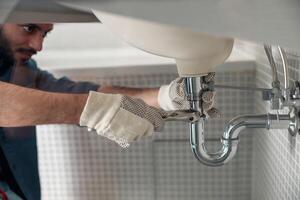
Reliable plumbing in Prosper homes protects indoor air quality, prevents structural moisture damage, and keeps potable water delivery and wastewater removal functioning safely. Prosper-area soil movement, seasonal temperature swings, and normal fixture wear can stress joints, valves, and drain pathways, which makes small leaks and slow drains worth treating as early warning signs rather than nuisances.
Prosper homes often use PEX or copper water lines, and many properties include slab foundations that can conceal leaks until staining or warping appears. Hard water mineral scale commonly shortens the lifespan of rubber seals, aerators, and fill valves, which increases dripping and running-toilet complaints. Specialty Plumbing frequently sees “minor” symptoms turn into cabinet damage, swollen baseboards, or mold-friendly moisture when repairs get delayed.
Common pipe and drain materials found in Prosper-area homes
Plumbing material type strongly influences failure patterns, repair methods, and how invasive access work becomes. PEX repairs often use crimp or clamp rings, copper repairs often require soldering or press fittings, and older galvanized or cast iron repairs often require careful transitions to modern materials.
| Material | Common locations | Common failure mode | Typical repair approach |
|---|---|---|---|
| PEX | Attics, walls, manifolds | Fitting leaks, punctures, UV damage | Section replacement with approved fittings |
| Copper | Walls, ceilings, mechanical rooms | Pinhole leaks, joint failures | Cut-and-replace, solder or press connection |
| PVC/ABS | Under sinks, drains, vents | Cracks, loose joints, improper slope | Solvent-weld repair or section replacement |
| Cast iron | Older drains, main stacks | Corrosion, scale buildup, leaks | Section replacement, camera verification |
| Galvanized steel | Older supply piping | Internal corrosion, low flow | Targeted replacement or repipe planning |
| Clay sewer (older) | Yard sewer lateral | Root intrusion, joint offsets | Camera inspection, clearing, targeted repair |
Most common plumbing repair Prosper TX homeowners request
Plumbing repair Prosper TX service calls most often center on leaks, clogs, running toilets, water heater failures, and whole-home pressure changes. Each symptom has a short list of likely causes, and each cause has a different urgency level, so accurate symptom-to-cause matching prevents wasted time and repeat failures.
Leaky faucets and fixtures (drips at spouts, handles, or shutoffs)
Leaky faucets usually come from worn cartridges, deteriorated O-rings, loose packing nuts, or mineral buildup that prevents seals from closing fully. Hard water scale commonly accelerates seal wear and aerator clogging, which makes dripping more frequent in kitchens, bathrooms, and outdoor hose bibbs.
A faucet drip can waste significant water over time, and a cabinet-base leak can swell particleboard within days. A shutoff valve leak at a supply stop often indicates a failing compression seal or a worn valve stem. A licensed plumber can match the correct cartridge or valve type, which matters because mixing incompatible parts can cause persistent leaks.
Clogged drains and toilets (slow drainage, gurgling, repeated backups)
Clogged drains usually result from hair, soap scum, grease, food debris, and non-dispersing products such as “flushable” wipes. Toilet clogs often start with excess paper or an obstruction, and a recurring multi-fixture backup can indicate a main sewer line restriction rather than a single fixture problem.
A gurgling toilet or tub can signal a partial blockage that is pulling air through nearby traps. A kitchen drain that backs up after dishwashing often points to grease buildup downstream of the trap. A sewer camera inspection becomes valuable when multiple fixtures back up, because a camera can confirm root intrusion, offsets, or heavy scale.
For safe DIY drain guidance, review Sink Drain Unclog: Practical Tips, Safe DIY Steps, and When to Call a Plumber.
Running toilets (refill sounds, phantom flushes, constant bowl movement)
Running toilets usually come from a worn flapper, a misadjusted float, a sticking fill valve, or an improperly sized refill tube. A running toilet can raise water usage quickly because the tank refills repeatedly, even when the bowl looks “normal” at a glance.
A dye test using food coloring in the tank can confirm a flapper leak in about 10 minutes. A fill valve that never shuts off can also indicate debris in the valve seat. A plumber can replace the correct components and verify that the overflow tube height and refill flow meet manufacturer specifications.
Leaking pipes (wet drywall, cabinet puddles, musty smells, pressure drops)
Leaking pipes can occur at joints, valves, hose bibbs, appliance connections, or hidden runs behind walls and under slabs. Prosper’s clay-rich soil can contribute to foundation movement that stresses rigid piping and joints, which makes hidden leak detection a common need.
Water staining often appears as yellow-brown rings on ceilings or drywall. Cabinet leaks often show as warped toe-kicks, swollen shelving, or persistent musty odor. A pressure drop across multiple fixtures can indicate a supply-side leak or a partially closed main valve.
Water heater trouble (no hot water, lukewarm water, rumbling, leaks)
Water heater trouble commonly involves failed electric heating elements, tripped breakers, faulty thermostats, gas control issues, or sediment buildup in the tank bottom. Sediment can cause rumbling or popping sounds because heated water bubbles through mineral deposits.
A leaking tank often indicates internal corrosion and usually triggers replacement planning rather than a simple repair. A temperature and pressure (T&P) relief valve discharge can indicate overheating, excess pressure, or a failing valve that needs evaluation. For deeper water heater decision-making, review Water Heater Problems: Essential Guidance for Homeowners.
Low water pressure (weak showers, slow fill times, uneven flow)
Low water pressure can come from clogged aerators, partially closed shutoff valves, failing pressure-reducing valves (PRVs), scale buildup in older piping, or a supply leak. Whole-home low pressure often requires a structured diagnosis because fixture-level clogs and system-level restrictions can look similar.
Aerator cleaning often restores flow in minutes when mineral debris is the cause. A PRV issue can cause pressure that is consistently too low or fluctuates under demand. A main line leak can present as soft ground, unexplained wet spots, or meter movement with fixtures off.
For a deeper diagnostic roadmap, review The Ultimate Guide to Fixing Low Water Pressure in Homes.
Damage-control actions for leaks and bursts (what to do first)
Leak damage control starts with stopping water flow, protecting electrical safety, and reducing moisture spread into building materials. A homeowner who shuts off water quickly can limit secondary damage such as cabinet swelling, drywall saturation, and flooring delamination.
Shut off the correct water valve
Main water shutoff valves often sit in a garage near the water heater, in an exterior wall box, or in a ground box near the street. Fixture shutoff valves usually sit under sinks or behind toilets, and fixture shutoffs can stop localized leaks without cutting water to the whole home.
Reduce electrical risk
Electrical panels and outlets can become hazardous when water reaches wiring or appliances. Breaker shutoff for the affected area reduces shock risk when water is pooling near outlets, dishwashers, disposals, or water heater electrical connections.
Relieve pressure and drain lines
Open a cold faucet at a low point to reduce residual pressure in supply lines after a shutoff. Open a hot faucet briefly when a water heater remains on, because hot-side pressure can persist in the system.
Contain and document damage
Buckets, towels, and shallow pans can limit spread, and a wet/dry vacuum can speed removal on hard floors. Photos and short videos help track the original source area before cleanup changes the scene.
Use only safe temporary stabilization
Pipe repair tape, a rubber patch with a clamp, or a temporary compression cap can slow a small spray leak long enough to prevent further saturation. Temporary measures do not replace a proper repair because pipe wall thinning, joint failure, or pinhole corrosion usually continues beyond the visible spot.
DIY plumbing repair vs. licensed plumber (a practical decision framework)
DIY plumbing repair works best for low-risk tasks with visible access, simple parts, and minimal water-damage consequences. Licensed plumbing repair becomes the safer choice when leaks are hidden, water heaters are involved, sewer lines back up, or repeated symptoms suggest an underlying system issue.
DIY-friendly repairs (low-risk, visible access)
DIY candidates usually involve simple part swaps and basic hand tools. Homeowners often succeed with these tasks when water shutoffs work and the repair area stays fully visible.
- Faucet aerator cleaning using a small brush and vinegar soak
- Showerhead replacement using PTFE thread sealant tape
- Toilet flapper replacement when the tank model matches the part
- Trap cleaning under a sink when the slip-joint nuts loosen without cracking
- Supply line tightening using two wrenches to prevent valve twisting
Repairs that usually require a professional plumber
Professional plumbing repair becomes important when code, safety, and concealed damage risk increase. Specialty Plumbing commonly sees repeat leaks and secondary damage after DIY attempts on high-risk systems.
- Pipe leaks behind drywall, ceilings, or under slab foundations
- Water heater diagnosis involving gas controls, venting, or electrical circuits
- Main sewer line backups affecting multiple fixtures
- Recurring clogs after snaking, which can indicate grease, roots, or offset joints
- Whole-home low pressure, which can involve PRVs, main valves, or hidden leaks
- Noisy pipes and water hammer, which can require pressure checks and arrestors
Mini decision tree for “plumber near me” moments
A short decision tree helps homeowners avoid guesswork when water is actively moving or damage is spreading.
- Active leak or fast water flow requires main shutoff and professional diagnosis.
- Slow drain or minor drip allows a careful DIY attempt, followed by a plumber visit when symptoms recur.
- Whole-home symptoms such as pressure drops or multi-fixture backups favor professional diagnostics because the failure point often sits away from the visible symptom.
What happens during professional plumbing repair in Prosper TX
Professional plumbing repair in Prosper TX usually follows a repeatable sequence: isolate, diagnose, access, repair, test, and document. Licensed Prosper TX plumbing professionals reduce repeat failures by matching materials correctly, verifying pressure integrity, and confirming drainage performance after clearing or replacement.
Inspection and diagnosis tools plumbers commonly use
Plumbing diagnosis starts with visual inspection and expands into instrument checks when symptoms suggest hidden failures. Common diagnostic tools include moisture meters, pressure gauges, electronic leak detection, and sewer cameras.
A plumber may request permission to open a small access point in drywall or cabinetry when a hidden leak requires confirmation. A pressure test can identify a supply-side leak by observing pressure decay after isolation. A camera inspection can confirm root intrusion, belly sections, scale, or broken pipe segments in drain and sewer lines.
Common repair methods (and what “done right” looks like)
Plumbing repair methods vary by system type, pipe material, and access constraints. A proper repair includes correct fittings, correct joining method, and a post-repair test under normal operating conditions.
- Pipe section replacement: A plumber cuts out a damaged section and installs new pipe using approved fittings such as crimp rings for PEX, soldered joints for copper, or solvent welds for PVC/ABS.
- Fixture repair or replacement: A plumber replaces cartridges, angle stops, supply lines, and seals with compatible parts and verifies leak-free operation at full flow.
- Drain clearing: A plumber uses a hand auger, a power snake, or hydro-jetting based on clog type and pipe condition, and a plumber avoids harsh chemical drain cleaners when pipe damage risk exists.
- Water heater service: A plumber may flush sediment, replace thermostats or heating elements, verify venting and combustion air for gas units, and confirm safe temperature settings per manufacturer guidance.
For broader leak and burst-pipe strategy, review Pipe Repair: A Homeowner’s Guide to Leaks, Burst Pipes, and Smart Fix Options.
Testing and cleanup standards that signal quality work
Quality plumbing repair includes verification steps that homeowners can observe. A post-repair check usually includes pressurizing the line, inspecting every joint for seepage, and running fixtures long enough to confirm stable flow and drainage.
A plumber may use dry paper towels at joints to reveal micro-leaks quickly. A drain repair check often includes running multiple fixtures to confirm that venting and flow remain stable. Cleanup typically includes removing old parts, wiping the work area, and confirming that shutoff valves remain accessible.
What influences plumbing repair pricing (and why estimates vary)
Plumbing repair pricing varies by access difficulty, material compatibility, code requirements, and the amount of diagnostic work needed to confirm the true failure point. A faucet repair with open access often stays straightforward, while a slab leak or sewer diagnosis can require specialized tools and careful restoration planning.
- Access location: Repairs behind tile, inside walls, under cabinets, in attics, or under slabs require more labor and may involve restoration planning.
- Severity and complexity: A single fixture clog differs from a main line restriction affecting multiple fixtures.
- Pipe and fixture materials: Galvanized steel, cast iron, and mixed-material transitions often require extra steps and correct adapters.
- Corrosion and mineral scale: Corroded threads, seized valves, and sediment-filled water heaters increase labor and parts complexity.
- Quality of previous repairs: Nonstandard fittings and mismatched materials can force rework before a reliable fix becomes possible.
- Code and permit requirements: Water heaters, gas line-related work, and some main line repairs can trigger code compliance steps.
- Diagnostic needs: Camera inspection, leak detection, and pressure testing add value when symptoms do not reveal the source.
Specialty Plumbing typically explains repair options after an on-site diagnosis so homeowners can choose a durability level that matches the home’s condition and long-term plans.
Plumbing repair timelines: immediate actions vs. full resolution
Plumbing repair timelines depend on diagnosis complexity, parts availability, access requirements, and drying or restoration needs after water exposure. A homeowner can often complete immediate damage-control actions in minutes, while full resolution can range from a short on-site repair to a multi-step process when hidden leaks or sewer issues require confirmation and restoration.
Immediate (first minutes to first hour)
Immediate plumbing response focuses on stopping active water flow and limiting damage spread. Main shutoff location knowledge and a working shutoff valve can reduce water damage severity dramatically.
Short-term (same day to next few days, depending on scope)
Short-term plumbing repair often includes diagnosis, visible repairs, and functional testing. Drying and dehumidification can extend beyond the plumbing fix when water reached drywall, insulation, or subfloor materials.
Medium-term (multi-visit or staged repairs when access is invasive)
Medium-term plumbing projects can involve staged access, repair, and restoration when piping sits behind tile, under slabs, or inside complex chases. Sewer line diagnosis and repair planning often takes longer when camera findings require targeted excavation or lining decisions.
Long-term prevention (monthly or annual homeowner habits)
Long-term plumbing reliability improves with periodic checks such as aerator cleaning, visible supply line inspections, and water heater maintenance. Water heater sediment flushing frequency varies by water quality and manufacturer guidance, and a plumber can recommend an interval based on local conditions.
When to call a licensed Prosper TX plumbing professional
Licensed plumbing help becomes the safest option when water damage risk, gas or electrical involvement, or system-wide symptoms appear. Specialty Plumbing recommends professional evaluation when a homeowner sees hidden-leak indicators, recurring backups, or water heater warning signs that exceed basic maintenance.
- Active leaks that require a main shutoff or involve ceilings, walls, or slab foundations
- Sewer backups affecting more than one drain, toilet, or tub
- Water heater leaks, gas odors, repeated pilot issues, or electrical trip events
- Whole-home low pressure or sudden pressure changes across multiple fixtures
- Recurring clogs after plunging or snaking, especially with gurgling or sewage odors
- Signs of hidden moisture such as bubbling paint, warped baseboards, or persistent musty smells
Gas odor safety requires immediate evacuation and contact with emergency services before any plumbing call. Electrical safety requires breaker isolation when water approaches outlets or appliances.
Pro tips from licensed plumbers (practical, high-signal habits)
Plumbing reliability improves when homeowners use a few consistent habits that reduce stress on pipes, valves, and drains. Licensed plumbers rely on simple checks such as leak spotting, shutoff testing, and safe drain practices to prevent avoidable damage.
- Main water shutoff location knowledge prevents panic during active leaks.
- Two-wrench technique on supply lines reduces valve body twisting and seal damage.
- Dry tissue leak checks at joints reveal slow seepage within minutes.
- Hand-tight plus a quarter turn often prevents overtightening damage on supply connections.
- Boiling water in PVC drains can soften plastic and increase deformation risk.
- Chemical drain cleaners can damage pipes and complicate professional clearing.
- Food coloring dye tests can confirm toilet flapper leaks in about 10 minutes.
Common questions about plumbing repair Prosper TX homeowners ask
How do homeowners find the main water shutoff in a Prosper home?
Main water shutoff valves in Prosper homes commonly sit in a garage near the water heater, on an exterior wall near the foundation, or inside a ground box near the street. A homeowner can confirm the correct valve by turning the valve slightly and checking whether a faucet stops flowing. A licensed plumber can label the shutoff location during a routine visit for faster emergency response.
Are “flushable” wipes safe for household plumbing and sewer lines?
“Flushable” wipes frequently fail to break down fast enough to move safely through household drain lines. Wipes can combine with grease and hair to form blockages that cause repeated toilet clogs or main line backups. Toilet paper and human waste remain the safest materials for standard residential plumbing systems.
What causes a sudden water bill spike when no obvious leak appears?
A sudden water bill spike often indicates a hidden leak such as a running toilet, a slab leak, or an irrigation line leak. A water meter test can help confirm a hidden leak by checking for meter movement with all fixtures off. A licensed plumber can use leak detection and pressure testing to locate the leak source accurately.
What plumbing symptoms suggest a main sewer line problem instead of a single drain clog?
A main sewer line problem often causes multiple fixtures to back up, such as a toilet bubbling when a shower drains. Sewer odors and repeated clogs after snaking also suggest a downstream restriction. A sewer camera inspection can confirm roots, offsets, or heavy buildup in the main line.
What should homeowners do when a water heater leaks or makes rumbling noises?
A leaking water heater tank often signals internal corrosion and usually requires professional evaluation for repair versus replacement. Rumbling noises often indicate sediment buildup at the tank bottom, which can reduce efficiency and accelerate wear. A licensed plumber can confirm the cause and recommend maintenance or replacement based on tank condition.
Choosing a local plumber for plumbing service in Prosper-area communities
A reliable plumber for Prosper-area homes combines licensing, clear communication, and a diagnostic-first approach that prevents repeat failures. Specialty Plumbing operates as a locally owned, full-service provider with licensed Prosper TX plumbing professionals who handle common repairs and complex diagnostics.
Homeowners in Prosper often request help that also extends into nearby communities such as Celina, Frisco, McKinney, Allen, Plano, Aubrey, Oak Point, and Gunter. Service areas vary; contact Specialty Plumbing to confirm coverage for a specific address and scheduling availability.
Clear communication should include an explanation of the failure point, the repair method, the materials used, and the verification steps after the repair. Warranty and guarantee terms vary; ask for current details to understand coverage specifics for a given repair.
Next steps for plumbing repair in Prosper TX
Plumbing repair prosper tx homeowners schedule most successfully starts with symptom notes, shutoff control, and a clear description of what changed in the home’s plumbing behavior. Specialty Plumbing can diagnose leaks, clogs, water heater issues, and pressure problems using licensed expertise and proven troubleshooting steps.
A homeowner can speed diagnosis by sharing fixture locations affected, timing patterns, and any recent changes such as remodeling, new appliances, or pressure fluctuations. Pricing varies by project scope, access, and materials, and availability varies; contact Specialty Plumbing to confirm scheduling for Prosper, Celina, Frisco, McKinney, Allen, Plano, Aubrey, Oak Point, or Gunter.