Plumber Prosper: the fastest way to protect a home when plumbing problems start
Plumber Prosper decisions become simpler when homeowners separate “safe, visible, single-fixture” problems from “hidden, pressurized, or code-sensitive” problems. Licensed Prosper TX plumbing professionals diagnose issues like hidden leaks, low whole-home pressure, and water heater failures using proper tools and code knowledge. Early action reduces water damage risk, limits mold conditions, and prevents small part failures from escalating into structural repairs.
Plumbing problems in Prosper, TX can appear in brand-new homes and older homes because plumbing failures usually come from wear, mineral scale, shifting soil movement, and fixture aging rather than home age alone. Prosper-area hard water commonly leaves mineral deposits on aerators, cartridges, and valves, which changes flow and increases friction inside moving parts. Specialty Plumbing, a locally owned full-service provider, typically sees the same pattern: small symptoms show up first, and the best outcomes happen when homeowners respond to the first symptom rather than the first flood.
Why a trusted plumber in Prosper, TX matters for safety, code, and long-term reliability
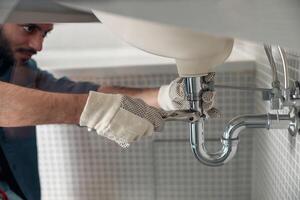
A trusted plumber in Prosper, TX matters because plumbing work combines pressurized water, drainage hydraulics, and sometimes gas or electrical components under local code requirements. Licensed Prosper TX plumbing professionals reduce risk by verifying shutoffs, testing for leaks under pressure, and confirming connections match manufacturer specifications. A qualified plumber also prevents repeat failures by identifying root causes like mineral scaling, deteriorated shutoff valves, or improper venting.
Prosper plumbing repairs often involve more than swapping a part. Water damage can travel through drywall seams, baseboards, and subflooring before a puddle appears. Hidden leaks can also increase humidity inside wall cavities, creating conditions that support mold growth if moisture persists.
Homeowners also benefit from local familiarity. Prosper, TX construction commonly includes slab foundations, and slab-adjacent plumbing symptoms can look different than crawlspace homes. Local code compliance also matters during resale, insurance documentation, and manufacturer warranty requirements for certain fixtures and water heaters.
Most common reasons homeowners search “plumber prosper”
Plumber Prosper calls most often start with leaks, running toilets, recurring clogs, water heater trouble, low pressure, or hidden water movement sounds. Each symptom points to a short list of likely causes that a homeowner can triage safely. A homeowner who identifies the symptom category early can choose the correct next step and avoid damaging pipes with the wrong tool or chemical.
Leaky faucets and running toilets
A dripping faucet usually indicates a worn cartridge, washer, or O-ring, and a running toilet usually indicates a failing flapper, fill valve, or overflow height issue. A running toilet can waste significant water over time because the fill valve can cycle repeatedly even when no one uses the bathroom. Hard-water mineral buildup can also prevent seals from seating fully, which turns a minor seal issue into a persistent leak.
Extractable checks
- Faucet leaks often originate at the spout, handle stem, or supply connection under the sink.
- Toilet leaks often originate at the flapper seat, fill valve, or tank-to-bowl gasket.
- Mineral scale often collects on faucet aerators and inside cartridges in hard-water areas.
Clogged drains and slow sinks
A slow drain usually comes from a restriction forming at predictable pinch points like a P-trap, a branch line, or a buildup zone downstream of the trap. Kitchen clogs often involve grease and food particles, and bathroom clogs often involve hair and soap scum. Recurring clogs can indicate a venting problem, a sagging drain section, or main-line buildup rather than a single localized blockage.
Extractable checks
- A P-trap sits under most sinks and commonly holds the first collection of debris.
- A gurgling drain can indicate air imbalance from venting or partial blockage.
- A recurring clog in multiple fixtures can indicate a main drain issue.
For deeper drain education, Need a Drain Cleaning Service in Prosper TX? Warning Signs, What Pros Do, and How to Avoid Repeat Clogs adds clear warning signs and prevention habits.
Water heater problems (tank and tankless)
Water heater problems commonly show up as “no hot water,” “not enough hot water,” discolored water, noises, or water around the heater base. Electric tank heaters often fail at heating elements or thermostats, and gas tank heaters can involve burner, venting, or safety control issues. Sediment accumulation can reduce efficiency and create popping sounds as water flashes to steam under sediment layers.
Extractable checks
- A temperature and pressure relief valve (T&P valve) is a safety device that should never be capped or plugged.
- A tank water heater commonly uses a dip tube, an anode rod, and a drain valve, and each component can affect performance.
- A tankless water heater relies on flow sensing and heat exchange, and scale can reduce output.
Low water pressure (single fixture vs whole home)
Low water pressure at one faucet often points to a clogged aerator or a partially closed angle stop valve. Low water pressure throughout a home often points to a pressure regulator issue, a partially closed main valve, or mineral buildup inside piping. Older galvanized steel piping can corrode internally, which reduces internal diameter and restricts flow.
Extractable checks
- A faucet aerator typically unscrews from the spout and can trap mineral debris.
- A pressure-reducing valve (PRV) can fail and cause inconsistent pressure.
- A whole-home pressure change usually indicates a system-level restriction.
Hidden leaks and slab-adjacent leaks
Hidden leaks often show up as water stains, musty odors, warm spots on flooring, or unexplained increases in water use rather than visible puddles. Prosper-area shifting clay soils can stress underground lines and slab penetrations, which increases the importance of early detection. Licensed plumbers often use moisture meters and thermal imaging as non-destructive diagnostic tools before opening walls.
Extractable checks
- A moisture meter measures elevated moisture content in drywall, trim, and flooring.
- A thermal camera can highlight temperature differences consistent with wet areas or hot-water line leaks.
- A “water running” sound with all fixtures off can indicate an active leak.
A mini decision tree for DIY vs professional plumbing help
Plumber Prosper triage works best when a homeowner uses a simple rule: visible, isolated, and low-risk tasks can be DIY, and hidden, system-wide, or safety-related tasks require a licensed plumber. A homeowner who stops DIY work at the correct threshold can prevent stripped fittings, cracked valves, and water damage behind finished surfaces. A homeowner who documents symptoms clearly also helps a plumber diagnose faster.
Quick decision rules (homeowner-safe)
- A single dripping faucet with an accessible shutoff valve often qualifies for careful DIY inspection.
- A single slow sink drain often qualifies for a plunger or manual hand snake attempt.
- A whole-home pressure drop often requires professional diagnosis of valves, regulators, or piping.
Stop-and-call rules (professional threshold)
- Any suspected leak inside a wall, ceiling, or slab requires professional leak detection.
- Any water heater work involving gas supply, venting, combustion, or electrical access requires professional handling.
- Any repeated clog affecting multiple fixtures requires professional main-line evaluation.
What to expect during plumbing repairs in Prosper: process, scope, and disruption
Plumbing repair expectations in Prosper improve when homeowners understand access, materials, and code requirements before work begins. Licensed plumbers typically confirm shutoff control, isolate the affected area, diagnose the failure mode, and then repair or replace components with compatible fittings. Repair complexity increases significantly when pipes sit behind tile, under slab, or inside tight cabinet voids.
Isolate and make the area safe
A homeowner or plumber closes the nearest fixture shutoff or the main shutoff to stop active water movement. A plumber also confirms electrical and gas safety around wet areas before any disassembly begins.
Diagnose the failure mode
A licensed plumber verifies the symptom source using visual inspection, pressure checks, and targeted tools like moisture meters or thermal imaging when needed. A correct diagnosis prevents “parts swapping” that fails to address the root cause.
Repair with compatible parts and connections
A plumber matches pipe material and fitting type, such as copper sweat fittings, PEX crimp or clamp connections, or threaded transitions with appropriate sealant. A plumber also protects finishes and cabinetry during access.
Test under operating conditions
A plumber restores water, purges air, and checks for leaks under pressure at every disturbed joint. A plumber also verifies fixture operation, drainage flow, and normal shutoff function.
Restore access areas and document findings
A plumber communicates what failed, why the failure likely occurred, and what prevention steps reduce recurrence. A homeowner benefits from photos and notes for future reference, insurance documentation, or resale disclosures.
Factors that influence repair complexity (and why outcomes vary)
Plumbing repair scope varies because plumbing systems differ by access, pipe material, and fixture age. A repair behind drywall requires careful opening and patch planning, and a repair under slab requires specialized detection and access strategy. A repair involving older shutoff valves can expand in scope because older valves can seize or crumble when disturbed.
Materials commonly found in Prosper homes
A Prosper plumbing system can include copper, PEX, PVC, and in some older homes, galvanized steel. Copper can develop pinhole leaks under certain conditions, PEX requires correct crimp or clamp technique, PVC requires solvent-welded joints with proper curing, and galvanized steel often restricts flow as internal corrosion builds.
Cost drivers without quoting prices
Plumbing repair pricing varies by project scope, access difficulty, material type, and the amount of restoration required after the repair. A repair that requires opening tile or drywall typically involves more steps than a repair with exposed piping under a sink. A repair that requires specialized diagnostics or code-required updates can also change total project scope.
Process timeframes: what “fast” vs “complex” plumbing work looks like
Plumbing repair timelines vary because different repairs require different steps, curing times, drying times, and inspection needs. A simple exposed repair can sometimes be completed within a single visit once diagnosis is confirmed. A complex repair involving hidden leaks, slab-adjacent lines, or restoration can unfold across multiple stages.
Immediate perspective (minutes to hours)
A shutoff action and basic containment often happen within minutes of discovering a leak. A visible under-sink repair commonly involves diagnosis, disassembly, replacement, and testing within hours when parts are standard and access is open. A drain clearing attempt can be short when the clog sits in a trap, and longer when the clog sits downstream.
Daily perspective (same week, multiple steps)
A hidden leak investigation can take longer because leak detection, access opening, repair, and drying happen in sequence. Drying time for wet building materials can extend beyond the plumbing repair because airflow and dehumidification depend on material saturation. A water heater replacement or major repair can involve safe shutdown, reconnection, venting verification, and post-install testing.
Weekly perspective (restoration and follow-up)
A wall or ceiling repair can require multiple trades, including drywall, texture, and paint matching. A slab-adjacent leak can require additional monitoring to confirm stability and rule out secondary leaks. A recurring drain or pressure issue can require follow-up testing if multiple contributing factors exist.
Damage control: what to do immediately when an active leak appears
Active leak damage control works best when homeowners prioritize shutoff control, water containment, and safe documentation. A homeowner who stops the water source quickly reduces the chance of flooring swelling, drywall saturation, and cabinet delamination. A homeowner who avoids risky temporary fixes also reduces the chance of a fitting failure under pressure.
Shut off the nearest valve
A homeowner closes the fixture shutoff valve under a sink or behind a toilet when the leak source is local and accessible. A homeowner closes the main shutoff valve when the leak source is unknown or the leak volume is high.
Contain water and protect nearby materials
A homeowner uses towels, buckets, and a wet/dry shop vacuum to remove standing water. A homeowner moves rugs, stored items, and furniture away from wet zones to reduce secondary damage.
Reduce electrical risk
A homeowner avoids outlets, power strips, and appliances near wet areas. A homeowner turns off power at the breaker when water approaches electrical devices or wall outlets.
Document symptoms and damage
A homeowner takes clear photos of the leak source area, water staining, and any affected materials. A homeowner notes the time of discovery and whether the leak changes when valves open or close.
Pause DIY escalation and contact a licensed plumber
A homeowner avoids makeshift sealants, excessive wrench force, and chemical drain products when the failure mode remains unclear. A licensed Prosper TX plumber can advise on safe next steps and proper repair strategy, and response times vary by demand and scheduling.
Pro tips from licensed plumbers (tools, parts, and avoidable mistakes)
Licensed plumber practices reduce repeat failures by using the correct tool for the correct connection type. PTFE tape works for many threaded joints, and PTFE tape does not fix cracked fittings or cross-threaded connections. A basin wrench protects finishes and helps reach faucet mounting nuts without rounding hardware.
Practical “keep at home” items for safer triage
- PTFE tape for threaded connections on compatible fittings
- A basic plunger for sinks and toilets, with separate plungers for hygiene
- An adjustable wrench and a properly sized open-end wrench
- A bucket and towels for quick containment
- A flashlight for under-sink inspections
Specific sizing facts homeowners commonly encounter
- Common shutoff valve outlet sizes include 3/8-inch compression for faucet supply lines and 1/2-inch for some supply connections.
- Common residential drain sizes include 1-1/4 inch for many bathroom sinks and 1-1/2 inch for many kitchen sinks and tubs.
- Common toilet supply connections often use 3/8-inch compression at the shutoff valve.
A short list of high-risk DIY actions to avoid
- Chemical drain cleaners can soften or damage some plastics and can worsen future service conditions.
- Over-tightening compression fittings can deform ferrules and create new leaks.
- Mixing dissimilar metals without proper transitions can accelerate corrosion at connections.
Homeowners planning fixture work can also benefit from Garbage Disposal Installation in Prosper, TX: Common Mistakes, Safe Steps, and When to Call a Plumber when kitchen drain and disposal symptoms overlap.
Real-life plumbing scenarios Prosper homeowners recognize (and what each scenario means)
Plumber Prosper scenarios often look ordinary at first, and subtle symptoms often hide the real failure point. A water bill increase without visible leaks often indicates a hidden leak in a wall cavity, under a slab, or at a constantly running toilet. A “quick chemical fix” for drains can also backfire by damaging a trap or leaving a partially melted section that fails later.
Scenario 1: unexplained water use increase
A homeowner who sees higher water use and no visible leak can suspect a hidden leak or a running toilet. A licensed plumber can use thermal imaging and moisture mapping to narrow the search area before opening walls. A fast diagnosis often limits drywall removal to the smallest practical access point.
Scenario 2: chemical drain cleaner damage under a sink
A homeowner who uses store-bought drain chemicals can damage PVC traps or older metal drains, especially when repeated treatments generate heat or degrade materials. A damaged trap can fail during normal sink use and soak cabinetry. A safer first attempt for slow drains usually involves a plunger or manual snake rather than caustic chemicals.
For broader prevention habits, Essential Preventive Plumbing Maintenance Tips for Prosper & Celina Homeowners provides a maintenance checklist that reduces surprise leaks.
When to call a professional plumber in Prosper (clear criteria)
A professional plumber in Prosper should handle problems involving hidden leaks, repeated backups, whole-home pressure changes, and any work involving gas lines or water heaters. Licensed Prosper TX plumbing professionals bring code knowledge, correct tools, and safe testing methods that reduce risk to the home. Specialty Plumbing commonly helps homeowners in Prosper and Celina, TX with diagnosis-first repairs that prioritize long-term reliability over temporary patches.
Call a licensed plumber when any of these are true
- Water stains appear on ceilings, walls, or baseboards, especially when the source remains unknown.
- Water sounds continue when all fixtures remain off and the water meter still moves.
- Low water pressure affects multiple fixtures at the same time.
- Water heater problems involve gas odor, electrical concerns, leaking at the tank, or repeated temperature instability.
- Drain backups affect multiple fixtures or return quickly after plunging.
Ask these questions before authorizing work
- License status and familiarity with Prosper, TX code requirements
- Repair vs replacement options for the specific fixture or pipe material
- Diagnostic approach for hidden leaks or recurring clogs
- Warranty and guarantee terms, because warranty and guarantee terms vary and details can change
Common Questions About plumber prosper (FAQ)
How do homeowners know a plumbing issue needs a professional plumber in Prosper?
A plumbing issue needs a professional plumber in Prosper when the problem involves hidden leaks, whole-home pressure changes, recurring clogs, or any water heater or gas-related work. Licensed Prosper TX plumbing professionals can diagnose safely and confirm repairs meet local code requirements.
Can chemical drain cleaners fix a slow drain safely?
Chemical drain cleaners can damage some pipes and fittings, including PVC traps and older metal drains. A safer first step usually involves a plunger or a manual hand snake, and recurring clogs often require a licensed plumber to evaluate deeper buildup.
What are the most reliable signs of a hidden leak in a Prosper home?
Hidden leak signs include unexplained wet spots, musty odors, water stains, and water sounds when fixtures remain off. Unexplained increases in water use can also indicate a hidden leak or a running toilet.
What should homeowners ask when hiring a plumber in Prosper, TX?
Homeowners should ask about licensing, local experience, and familiarity with Prosper building codes. Homeowners should also ask how the plumber will diagnose the root cause and request current warranty and guarantee terms, because terms vary by job and product.
What causes low water pressure in more than one fixture?
Low water pressure in multiple fixtures can come from a partially closed main valve, a failing pressure regulator, or mineral buildup in piping. A licensed plumber can isolate the cause by checking valves, inspecting aerators, and testing pressure at key points.
Local help for Prosper and Celina, TX homeowners
Specialty Plumbing supports homeowners in Prosper and Celina, TX with licensed plumbing services focused on clear diagnosis, code-aware repairs, and practical prevention guidance. Specialty Plumbing can confirm coverage, scheduling, and project scope details during a direct conversation, because availability varies and service needs differ by home. Homeowners who want a deeper hiring checklist can also review How to Choose the Right Plumber in Prosper, TX: A Homeowner’s Guide to Common Plumbing Problems, Safe DIY, and Pro-Level Fixes for decision criteria.