Quick Summary (Drain Cleaning Service TL;DR)
Drain cleaning service is the professional process of removing clogs and pipe buildup so household drains return to normal flow without damaging plumbing components. Drain cleaning service becomes the safest next step when recurring clogs, multiple slow fixtures, gurgling toilets, sewer odors, or backups suggest a blockage deeper than a P-trap or a short branch line. Prosper TX homes often experience drain issues influenced by mineral-heavy hard water, seasonal usage changes, and soil movement that can stress underground piping.
Licensed Prosper TX plumbing professionals typically clear blockages using mechanical tools such as hand augers, motorized drain snakes, and (when pipe condition allows) hydro jetting, which uses high-pressure water to scour residue from pipe walls. Drain cleaning service also includes diagnosis steps that DIY methods skip, including cleanout checks and optional video camera inspection for suspected main line problems. Project scope depends on clog location (sink vs. main line), blockage type (hair, grease, foreign objects, roots), pipe material (PVC vs. cast iron), and access to cleanouts. Specialty Plumbing serves Prosper and Celina, TX, and can confirm coverage and scheduling based on current demand.
What a drain cleaning service is (and why Prosper TX homes need it)
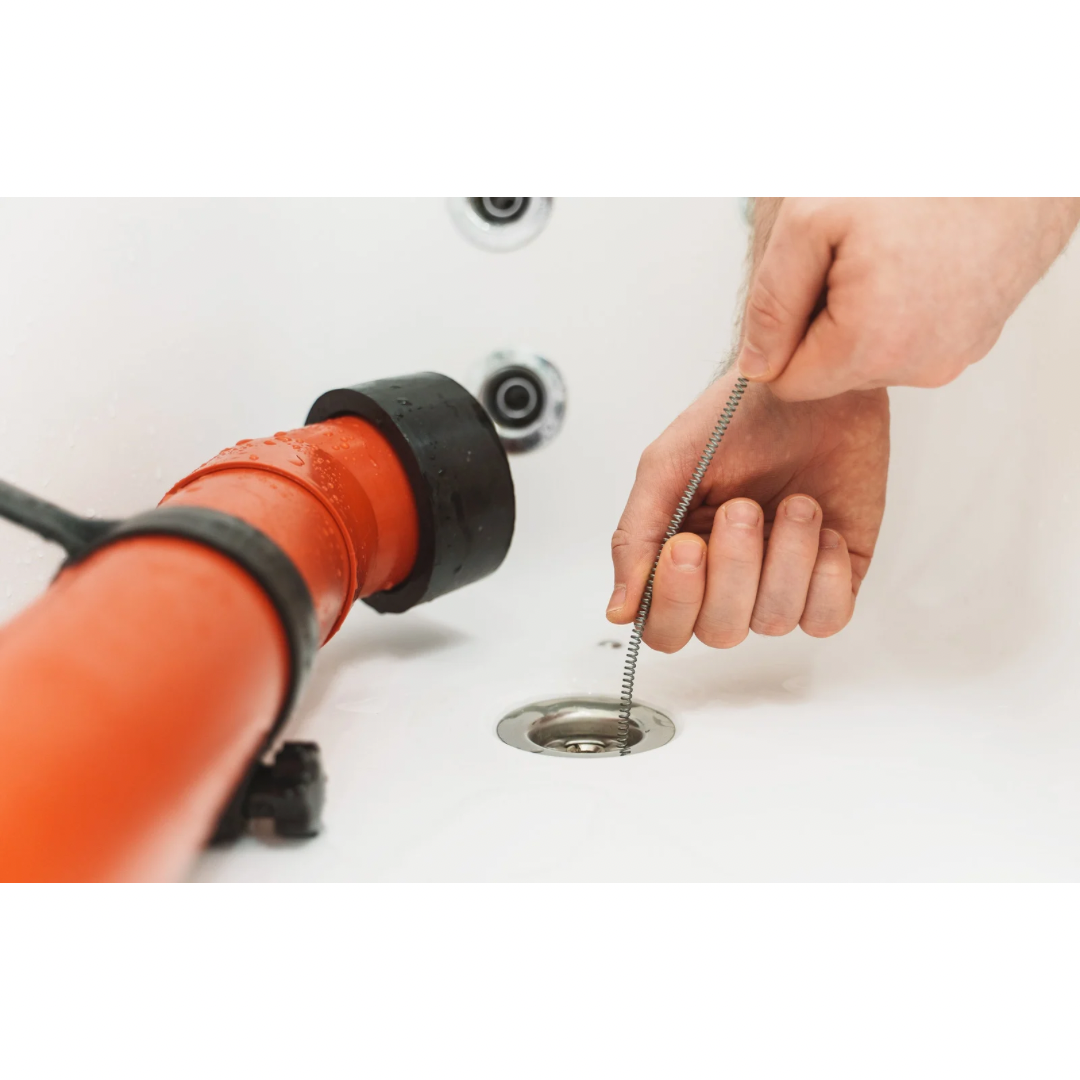
Drain cleaning service is a professional plumbing service that removes obstructions and buildup from drain and sewer piping to restore full flow and reduce the risk of backups, leaks, and water damage. Drain cleaning service differs from DIY plunging because drain cleaning service targets the full blockage path, not only the visible symptom at a fixture. Drain cleaning service also prioritizes pipe safety by matching tools to pipe material and condition.
Prosper TX homeowners often see clogs in kitchen sinks, shower drains, laundry standpipes, and main sewer lines. Hard water minerals can accelerate scale buildup, and grease can harden faster when mineral scale creates a rough interior pipe surface. Shifting Texas soils can stress underground piping, and stressed piping can develop bellies (low spots) where debris settles. Newer homes can still clog when construction debris, grout, or improper slope leaves a drain line prone to early buildup.
Drain cleaning service matters because incorrect DIY methods can create secondary damage. Chemical drain cleaners can degrade rubber seals and some plastics, and chemical drain cleaners can create hazardous splash risk during later mechanical clearing. Wire hangers and improvised tools can puncture older metal piping, dislodge slip-joint washers, or push a soft clog deeper into the line.
Specialty Plumbing, a locally owned full-service provider, approaches drain cleaning service as both clearing and verification. Licensed Prosper TX plumbing professionals focus on restoring flow while checking for underlying causes such as root intrusion, corrosion, misalignment, or venting issues that can mimic a clog.
Warning signs that a drain cleaning service is needed
Drain cleaning service is usually needed when symptoms indicate a recurring or deep blockage rather than a single, surface-level clog at one fixture. Drain cleaning service becomes more urgent when multiple fixtures drain slowly, when gurgling suggests trapped air, or when water backs up into a lower fixture such as a tub or shower. Drain cleaning service also helps when sewer odors suggest stagnant waste in a line.
Common symptoms homeowners can verify
- Recurring clogs in the same fixture: A recurring clog often indicates buildup beyond the P-trap or a partial obstruction in the branch line.
- Multiple slow drains at once: Multiple slow drains often indicate a blockage in a shared line or the main drain.
- Gurgling toilets or drains: Gurgling often indicates air displacement from a partial blockage or a venting issue that needs diagnosis.
- Sewer or “rotten egg” odors near drains: Sewer odor near a floor drain or laundry area can indicate trapped waste, a dry trap, or a partial blockage holding organic material.
- Backups in a lower fixture: A backup in a tub or shower when a washer drains often points to a main line restriction.
Symptom-to-likely-cause mapping (for faster diagnosis)
| Symptom observed | Most common plumbing explanation | Typical location |
|---|---|---|
| Kitchen sink drains slowly after dishwashing | Grease + food residue buildup, sometimes accelerated by hard water scale | Kitchen branch line |
| Shower or tub pools water | Hair + soap scum accumulation | Tub/shower trap and branch line |
| Toilet bubbles when sink drains | Partial blockage or venting imbalance | Shared branch or main line |
| Two or more fixtures slow together | Downstream restriction | Main drain or main sewer line |
| Water backs up in a lower drain during laundry | Main line restriction | Main drain or sewer line |
A single slow sink can be a localized issue, but repeated symptoms usually mean the pipe walls contain residue that a plunger cannot remove. A main line restriction can escalate from “slow” to “backup” because wastewater follows the lowest exit path.
What causes clogs in Prosper TX plumbing (beyond “stuff went down the drain”)
Drain cleaning service addresses clogs caused by buildup, foreign objects, pipe defects, and environmental intrusion rather than only removing a single obstruction. Drain cleaning service becomes more complex when multiple causes stack together, such as grease plus mineral scale plus a low spot in the line. Drain cleaning service works best when the underlying cause is identified, not guessed.
Most common clog sources by fixture type
- Kitchen drains: Cooking grease, fats, oils, starches, and coffee grounds can form dense deposits; garbage disposal use can grind food small without preventing buildup.
- Bathroom sinks: Soap, toothpaste residue, and hair can accumulate in the pop-up assembly and trap arm.
- Showers and tubs: Hair and soap scum can form rope-like clogs, especially in 1 1/2-inch tub drains.
- Toilets: “Flushable” wipes, paper towels, hygiene products, and children’s toys can lodge in the toilet bend or downstream.
- Laundry drains: Lint, detergent residue, and occasional small clothing items can restrict a standpipe or branch line.
Prosper-area conditions that can worsen drain problems
- Hard water mineral scale: Mineral deposits can narrow interior diameter over time and create a rough surface that traps grease and debris.
- Seasonal usage spikes: Holiday cooking and guest traffic can increase grease and paper load in drains.
- Soil movement: Soil shifting can stress buried piping and contribute to misalignment, bellies, or cracked joints.
- Tree roots in established neighborhoods: Tree roots can enter small cracks or joints in older sewer piping and create recurring restrictions.
A drain clog can also be a symptom of a pipe design issue. Improper slope can allow solids to settle, and insufficient venting can slow drainage and create gurgling that resembles a blockage.
What happens during professional drain cleaning service (step-by-step)
Drain cleaning service typically follows a diagnostic-first process that selects the least aggressive tool capable of clearing the line safely. Drain cleaning service often includes fixture testing, cleanout access, mechanical clearing, and post-clear verification. Drain cleaning service can also include video camera inspection when symptoms suggest a main line defect or root intrusion.
Symptom review and fixture testing
A licensed plumber asks which fixtures are affected, when symptoms occur, and whether chemical drain cleaners were used. A licensed plumber then tests drainage at sinks, tubs, toilets, and laundry connections to determine whether the problem is localized or downstream.
Access selection (trap, cleanout, or roof vent when appropriate)
A plumber chooses the safest access point based on the suspected clog location. A plumber often uses an under-sink trap arm for localized clogs and an exterior or garage cleanout for main drain and sewer line work.
Tool selection based on pipe material and blockage type
A plumber selects equipment that matches pipe size and condition. A plumber might use a hand auger for a bathroom sink, a motorized drain snake for tougher kitchen clogs, or hydro jetting for heavy grease or root-related buildup when pipe condition supports high-pressure cleaning.
Mechanical clearing and controlled flushing
A drain snake or auger breaks up, retrieves, or pushes through the obstruction under controlled conditions. Hydro jetting uses high-pressure water to scour pipe walls and remove residue, which can reduce the likelihood of rapid re-clogging compared with “punching a hole” through a soft clog.
Verification with flow testing and optional camera inspection
A plumber verifies restoration by running water at the affected fixtures and checking for slow drainage, gurgling, or backup. A camera inspection can confirm removal of roots, identify a belly, locate a crack, or reveal corrosion that explains repeated clogs.
Cleanup and prevention guidance
A professional drain cleaning visit includes workspace cleanup and practical prevention steps. Prevention guidance often includes strainer use, grease disposal practices, and fixture-specific habits that reduce buildup.
Specialty Plumbing uses licensed Prosper TX plumbing professionals to match methods to pipe condition, which helps protect older piping such as cast iron or galvanized sections that can be more fragile than modern PVC.
Drain cleaning methods compared (snake vs. auger vs. hydro jetting vs. camera)
Drain cleaning service uses different methods because each clog type behaves differently inside a pipe. Drain cleaning service selection depends on pipe diameter, pipe material, clog composition, and whether the goal is “restore flow” or “remove wall buildup.” Drain cleaning service can combine methods, such as snaking to open the line followed by camera verification.
| Method | Best for | What the method does | Key limitations |
|---|---|---|---|
| Plunger (DIY baseline) | Soft, localized clogs near the fixture | Uses pressure changes to dislodge a clog | Plunger use rarely removes pipe-wall buildup |
| Hand auger (manual snake) | Bathroom sinks, tubs, localized clogs | Breaks up or retrieves hair/soap clogs | Hand auger reach and torque are limited |
| Motorized drain snake | Tougher branch-line clogs | Cuts through buildup and some obstructions | Aggressive cabling can risk fragile piping if misused |
| Hydro jetting | Grease, sludge, heavy residue, some root-related buildup | Scours pipe walls with high-pressure water | Hydro jetting suitability depends on pipe condition and access |
| Video camera inspection | Recurring clogs, suspected roots, suspected pipe defects | Locates defects and confirms clearing | Camera inspection does not remove clogs by itself |
A drain cleaning service that includes verification often reduces repeat calls because verification identifies whether a clog was fully removed or only partially opened.
What influences drain cleaning service scope (and why pricing varies)
Drain cleaning service scope depends on clog location, blockage type, pipe condition, and access, which is why pricing varies by project scope, location, and scale. Drain cleaning service for a single bathroom sink often differs significantly from drain cleaning service for a main sewer line restriction. Drain cleaning service estimates become more accurate after diagnosis confirms where the restriction sits and what caused the restriction.
Factors that commonly change project complexity
- Clog location: A clog in a P-trap or short branch line usually requires less access than a clog in a main drain or sewer line.
- Blockage composition: Hair and soap clogs behave differently than grease, wipes, foreign objects, or root intrusion.
- Pipe material: PVC, ABS, cast iron, and clay tile respond differently to cabling and hydro jetting.
- Pipe diameter: Many fixture drains use 1 1/4-inch to 2-inch piping, while main drains often use larger diameters that require different tooling.
- Accessibility: A cleanout with clear access simplifies service, while a concealed line behind a finished wall can require additional diagnostic steps.
- Need for inspection: A video camera inspection can be the most direct way to confirm root intrusion, a belly, or a cracked line when clogs recur.
- Follow-up repairs: A collapsed line, severe corrosion, or misalignment can require repair rather than repeated clearing.
Homeowners in Prosper and Celina, TX often benefit from asking one diagnostic question: “Does the symptom suggest a localized fixture clog or a shared-line restriction?” Shared-line restrictions tend to drive higher complexity because multiple fixtures and longer pipe runs become involved.
How long drain cleaning service typically takes (and what “time” means in plumbing)
Drain cleaning service timeframes depend on diagnosis, access, and whether the clog is localized or in a main line, not on a fixed arrival or turnaround promise. Drain cleaning service can be a short, single-visit task for a simple branch-line clog, or a multi-stage process when inspection reveals roots, corrosion, or pipe damage. Drain cleaning service time should be understood as “work stages” rather than a guaranteed duration.
Typical time perspectives homeowners can plan around
- Immediate (same visit) work stages: Fixture testing, access setup, mechanical clearing, and flow verification often occur in one continuous process when the line condition supports clearing.
- Same-day household impact perspective: A main line restriction can require reduced water use during diagnosis and clearing to prevent backups, especially when multiple fixtures are affected.
- Next-day to next-week planning perspective: A camera inspection that reveals a belly, cracked pipe, or root intrusion can shift the plan from clearing to repair planning and permitting considerations where applicable.
- Monthly maintenance perspective: Homes with recurring grease buildup, heavy hair load, or known root risk can benefit from periodic drain maintenance planning based on observed symptoms and prior history.
A homeowner can reduce total project time by providing access to cleanouts, sharing history of prior clogs, and disclosing any chemical drain cleaner use before service begins.
DIY vs. professional drain cleaning: a practical decision tree
Drain cleaning service becomes the safer choice when symptoms indicate a downstream restriction, when water backs up, or when prior DIY attempts fail. Drain cleaning service also becomes the safer choice when pipe material is unknown or when older metal piping may be vulnerable to aggressive clearing. Drain cleaning service reduces risk because licensed plumbers can diagnose whether the problem is a clog, a venting issue, or pipe damage.
Use DIY methods when risk is low
- A single fixture drains slowly.
- No other fixture shows symptoms.
- No sewage odor or backup is present.
- A plunger and a short hand snake have not been tried.
Call a licensed plumber when risk is high
- Multiple fixtures drain slowly at the same time.
- Toilets gurgle when sinks drain.
- Water backs up into tubs, showers, or floor drains.
- Sewer odors persist near drains.
- Water leaks appear at slip joints, traps, or ceilings.
- Chemical drain cleaners were used and the clog remains.
Chemical drain cleaner disclosure helps protect technicians and protects plumbing tools from caustic exposure. Water shutoff knowledge helps limit damage when a clog leads to an overflow; under-sink shutoff valves and the home main shutoff valve are critical locations to identify before an emergency.
For broader diagnosis skills beyond drains, Plumber Prosper TX: How to Diagnose Common Problems, Try Safe DIY Fixes, and Know When to Call a Licensed Pro provides a safe homeowner framework.
Common mistakes that make clogged drains worse
Drain cleaning service often becomes necessary after DIY mistakes push a manageable clog into a deeper, harder-to-reach location. Drain cleaning service also becomes more complicated when chemical products damage seals or create hazardous conditions for mechanical clearing. Drain cleaning service works best when homeowners stop water use at the first sign of a main line backup.
Mistake 1: Forcing a clog with improvised tools
A wire coat hanger can punch a narrow hole through grease while leaving most of the blockage intact. A partial opening can drain slowly while allowing residue to re-catch debris, creating a fast recurrence.
Mistake 2: Repeated chemical drain cleaner use
Caustic cleaners can degrade rubber gaskets and some plastic components over time. Chemical cleaners can also create fumes and splash hazards during later snaking.
Mistake 3: Treating a main line symptom like a single-fixture clog
A tub backup during laundry drainage is a classic main line symptom. Continued water use can cause overflow at the lowest opening, which can lead to flooring damage and microbial growth risk.
Homeowners dealing with water damage concerns can benefit from related guidance in Shower Pan Leak Water Damage: Signs, Causes, Diagnosis & Repair Steps (Prosper TX), since drain overflows and leaks often create similar damage patterns.
Pro tips to prevent clogs and reduce repeat drain cleaning
Drain cleaning service frequency often drops when homeowners reduce grease load, capture hair, and flush drains correctly. Drain cleaning service prevention focuses on stopping buildup at the source rather than relying on harsh chemicals. Drain cleaning service prevention also includes recognizing early symptoms before a full backup occurs.
- Grease disposal: Cooking grease should cool in a container and go to the trash rather than down a sink.
- Strainer use: Mesh screens in showers and tubs can capture hair before hair reaches a trap.
- Garbage disposal habits: Cold water use during disposal operation helps keep fats more solid for chopping, and cold water flushing helps move debris downstream.
- Hot water flushing for soap residue: A periodic hot water flush can help move soap residue, while avoiding grease discharge remains essential.
- Toilet rules: Toilets should flush human waste and toilet paper only; wipes and paper towels commonly cause bends and downstream restrictions.
- Know the cleanout location: A main cleanout location can speed diagnosis and reduce disruption during service.
- Consider camera inspection for repeat clogs: Camera inspection can reveal root intrusion, a belly, or a cracked joint that no surface method can confirm.
Homes with older pipes or recurring backups can benefit from a broader prevention plan using a periodic plumbing checkup. Plumbing Inspection in Prosper, TX: A Homeowner’s Guide to Preventing Leaks, Water Damage, and Surprise Repairs explains what inspections typically evaluate beyond drains.
When to call a professional drain cleaning service in Prosper and Celina, TX
Professional drain cleaning service is recommended when symptoms indicate a main line restriction, when repeated clogs return quickly, or when backups create overflow risk. Professional drain cleaning service is also recommended when pipe condition is unknown, when older piping may be fragile, or when a camera inspection is needed to confirm root intrusion or pipe defects. Professional drain cleaning service reduces risk because licensed plumbers can clear and verify without guesswork.
Clear “call now” criteria (non-emergency, symptom-based)
- Water backs up into a tub, shower, or floor drain when another fixture runs.
- Two or more drains slow at the same time.
- Toilet gurgling occurs during sink or tub drainage.
- Sewer odor persists near drains after basic trap checks.
- A hand snake reaches a limit without restoring normal flow.
- A leak appears at a trap, slip joint, or cabinet base after clearing attempts.
Specialty Plumbing is a locally owned full-service provider with licensed Prosper TX plumbing professionals serving Prosper and Celina, TX. Availability varies; Specialty Plumbing can confirm scheduling and coverage based on current demand.
Common Questions About drain cleaning service
Are chemical drain cleaners safe for pipes?
Chemical drain cleaners can damage older metal piping, soften some plastics over time, and degrade rubber seals at traps and joints. Chemical drain cleaners can also create fumes and splash hazards during later snaking. Mechanical clearing by a licensed plumber is often safer for pipe materials and indoor air quality.
Why does a drain keep clogging after a clog “clears”?
A recurring clog usually indicates pipe-wall buildup or a partial obstruction deeper in the line. A partial opening can restore some flow while leaving residue that catches debris again. A professional drain cleaning service can remove buildup more completely and verify results with flow testing or camera inspection.
When is a camera inspection worth requesting?
A camera inspection is useful when multiple fixtures are affected, when backups recur, or when root intrusion or pipe damage is suspected. A camera inspection can locate bellies, cracks, corrosion, or misaligned joints that clearing alone cannot identify. A camera inspection also helps target repairs more precisely when repair becomes necessary.
What causes gurgling sounds in toilets or drains?
Gurgling sounds often occur when a partial blockage forces air to move through water in a trap. Gurgling can also occur when venting is restricted, which changes pressure in the drainage system. A licensed plumber can distinguish a venting issue from a clog using fixture testing and line inspection.
What should homeowners do before a plumber arrives for a backup?
Homeowners should stop using water at affected fixtures to reduce overflow risk. Homeowners should locate the nearest shutoff valve and clear access to sinks, tubs, toilets, and cleanouts. Homeowners should disclose any chemical drain cleaner use to reduce safety risks during clearing.
Local, licensed help for stubborn drains
Drain cleaning service works best when diagnosis and pipe-safe clearing happen together, especially when Prosper TX conditions such as hard water and soil movement contribute to recurring issues. Specialty Plumbing provides drain cleaning service performed by licensed Prosper TX plumbing professionals, and Specialty Plumbing serves homeowners in Prosper and Celina, TX. Scheduling and coverage vary by demand; contact Specialty Plumbing to confirm availability and next steps for restoring reliable drainage.