Quick summary: sewer line replacement for Prosper TX homeowners
Sewer line replacement is the process of removing or bypassing a failing main sewer pipe and installing a new, code-compliant sewer line that carries wastewater from a home to the city main or a septic system. Sewer line replacement usually becomes the best option after repeated backups, persistent sewer odors, multiple fixtures draining slowly, or confirmed pipe damage from roots, corrosion, or ground shifting. A sewer camera inspection typically provides the clearest confirmation because a camera inspection can show cracks, offsets, bellies (sags), collapses, and heavy root intrusion.
Sewer line replacement projects vary because sewer line depth, sewer line length, pipe material, yard access, and local inspection requirements all change the work plan. Traditional excavation (open trench) replacement works in most conditions, while trenchless sewer replacement can reduce surface disruption when pipe conditions and alignment allow trenchless methods. Homeowners can reduce damage risk by stopping water use during active backups, keeping people and pets away from contaminated areas, and contacting a licensed Prosper TX plumbing professional for diagnosis. Specialty Plumbing, a locally owned full-service provider, helps homeowners in Prosper and nearby cities make replacement decisions based on inspection evidence rather than guesswork.
Sewer line replacement explained: what a sewer line does and why replacement matters
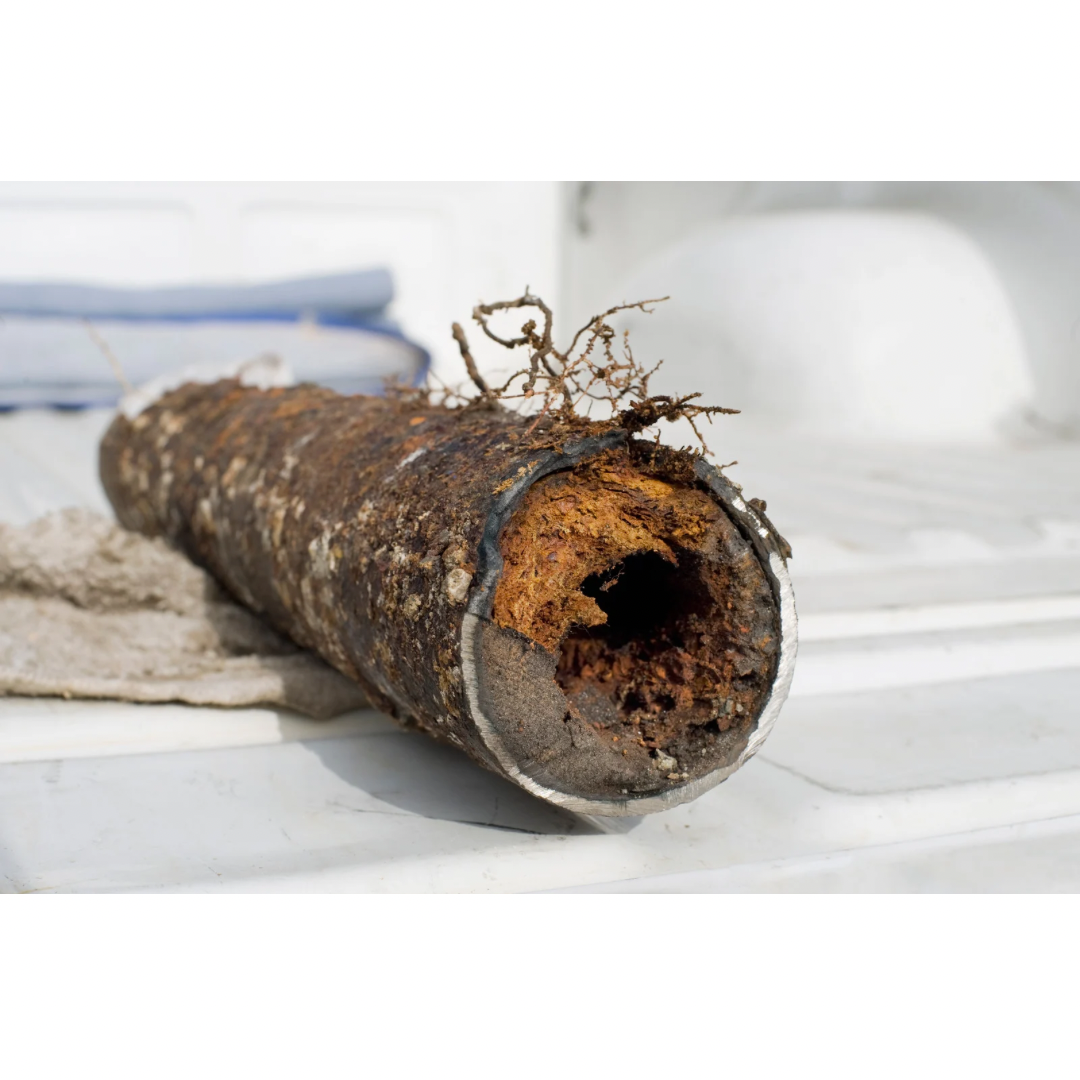
Sewer line replacement is required when a home’s main sewer pipe cannot reliably move wastewater due to structural failure, chronic blockage conditions, or severe deterioration. Sewer line replacement protects flooring, drywall, foundations, and indoor air quality because a failed sewer line can release contaminated water and sewer gas into living spaces or soil near the home.
A main sewer line carries wastewater from toilets, showers, sinks, dishwashers, and washing machines to a municipal sewer main or a septic tank. A main sewer line usually exits the home through a foundation wall or slab penetration and continues underground to the connection point. Sewer line failures create higher-risk problems than a single clogged fixture because a main line serves the entire home plumbing system.
Sewer line replacement becomes more likely when older pipe materials reach end-of-life or when soil movement stresses joints. Prosper-area soil can expand and contract with moisture swings, and soil movement can separate pipe joints or crack brittle pipe material. Sewer line replacement planning should always start with evidence from a camera inspection and surface observations rather than assumptions based on a single symptom.
Warning signs: how to tell a home may need sewer line replacement
Sewer line replacement warning signs usually appear as whole-home drainage symptoms, sewage odors, or visible wastewater where wastewater should never be present. Sewer line replacement becomes more likely when multiple fixtures back up together, when gurgling occurs after toilet flushes, or when sewage appears in a tub, shower, or floor drain.
High-confidence symptoms that point to the main sewer line
- Multiple fixtures draining slowly at the same time (example: toilet, shower, and kitchen sink all slowing within the same day).
- Repeated drain backups after clearing attempts with a plunger or small snake.
- Gurgling sounds from a toilet or nearby drain when another fixture drains.
- Persistent sewer odor near drains, a cleanout, or a low-lying bathroom.
- Sewage backup into the lowest opening (often a shower, tub, or floor drain).
- Wet or unusually green полосы/stripes in a yard along a sewer route during dry weather.
Why “multiple fixtures” matters
A single slow drain often indicates a local blockage in a trap arm or branch line. Multiple slow drains across different rooms often indicate a restriction or failure in the main sewer line because multiple fixtures share the same downstream pipe.
Fast confirmation tool: camera inspection
A plumbing camera inspection uses a specialized video camera pushed through a cleanout or an accessible drain opening. A camera inspection can identify root intrusion, cracks, offset joints, corrosion, standing water from a belly, and collapsed sections with location estimates measured in feet from the entry point.
For related symptom-triage, Main Plumbing Drain Clogged in Prosper, TX? Signs, Causes, Safe Steps, and Pro Fix Options provides additional context on main-line blockage patterns.
What causes sewer lines to fail in Prosper-area homes
Sewer line failure usually comes from root intrusion, aging pipe materials, ground movement, improper disposal habits, or installation defects that create chronic stress points. Sewer line replacement becomes more likely when multiple causes stack together, such as clay pipe joints invaded by roots combined with soil shifting that offsets pipe alignment.
Common failure causes (with practical detail)
- Tree root intrusion: Tree roots seek moisture and can enter through tiny joint gaps or hairline cracks, then expand and trap debris. Root intrusion often creates recurring clogs even after mechanical clearing.
- Ground shifting and soil movement: Expansive soils can move enough to create joint separation or pipe deflection, especially at transitions and fittings.
- Aging materials: Clay can become brittle and jointed sections can separate; cast iron can corrode internally and develop rough scaling that catches waste; older plastics can deform or crack under stress.
- Improper flushing and drain use: “Flushable” wipes, paper towels, feminine hygiene products, and grease can accumulate and combine with roots or rough pipe walls to create stubborn blockages.
- Poor original installation: Incorrect slope, inadequate bedding, or misaligned joints can create bellies where water stands and solids settle.
Sewer gas and health risk context
Sewer gas odor can indicate leakage or venting problems, and sewer gas can contain methane and hydrogen sulfide. A persistent sewer odor should be treated as a safety and sanitation concern, not only a comfort issue.
Sewer line replacement methods: trenching vs trenchless (and when each fits)
Sewer line replacement methods usually fall into open-trench excavation or trenchless sewer replacement, and method selection depends on pipe condition, alignment, depth, and site access. Sewer line replacement planning should match the method to the failure type because a collapsed pipe section can limit trenchless options.
| Replacement method | How the method works | Surface disruption | Common fit | Common limitations |
|---|---|---|---|---|
| Open-trench (traditional excavation) | A trench exposes the pipe, damaged pipe sections get removed, and a new line gets installed with correct slope | Higher | Severe breaks, multiple offsets, unknown conditions, complex reroutes | Landscaping and hardscape disturbance can be greater |
| Trenchless replacement (method varies by condition) | Small access pits allow a new pipe to be installed with minimal continuous trenching | Lower in many yards | Some intact alignments, situations where minimizing surface disturbance matters | Severe collapse, sharp bends, or multiple breaks can prevent trenchless work |
A licensed Prosper TX plumbing professional can confirm feasibility after a camera inspection and, when needed, additional locating methods. Specialty Plumbing typically recommends choosing a method based on verified pipe condition rather than choosing a method based only on convenience.
Sewer line replacement process: what to expect from inspection to restoration
Sewer line replacement usually follows a defined sequence: confirm the failure, plan the route and method, complete pipe work to code, verify performance, and restore disturbed areas. Sewer line replacement steps vary by property layout, pipe depth, and inspection requirements, so a written scope and inspection evidence help prevent surprises.
Confirm the problem with objective evidence
A sewer camera inspection documents the failure type and approximate location in feet from the cleanout. A diagnostic plan should separate a main sewer failure from a branch-line clog or a venting issue.
Locate the sewer route and identify conflicts
Utility locating marks buried utilities to reduce risk during excavation. A sewer route plan identifies crossings near gas, water, electric, irrigation lines, and drainage systems.
Choose a replacement method and define the work area
Open-trench replacement uses a continuous trench, and trenchless sewer replacement uses access pits and specialized equipment. A method decision should account for driveways, patios, mature trees, and fence lines.
Remove or bypass the failing pipe and install new piping
New sewer piping often uses modern materials such as PVC or other locally approved materials. Proper slope and stable bedding support consistent flow and reduce future settling.
Test flow and verify connections
A verification step often includes running multiple fixtures and checking for proper flow at cleanouts. A camera re-inspection can confirm joint integrity and alignment when appropriate.
Backfill safely and begin surface restoration
Backfill work should protect the pipe from point loads and future settling. Surface restoration can include soil grading and re-establishing landscaping, with final appearance depending on site conditions and homeowner preferences.
Cost drivers without guesswork: what makes sewer line replacement vary
Sewer line replacement pricing varies by project scope, location, and scale, and several measurable factors influence labor, materials, and restoration complexity. Sewer line replacement estimates become more accurate after a camera inspection because a camera inspection reduces uncertainty about pipe condition and failure length.
Key factors that influence project scope
- Line depth: Deeper sewer lines generally require more excavation planning and safety controls.
- Line length: Longer runs require more pipe, more bedding/backfill work, and more time for layout and testing.
- Access constraints: Sewer lines under driveways, patios, retaining walls, or dense roots require more careful demolition and restoration planning.
- Replacement method: Open-trench work can be straightforward but disruptive; trenchless work can reduce surface disturbance but requires specialized feasibility conditions.
- Pipe diameter and fittings: Larger diameter piping and complex fitting layouts can increase material and installation complexity.
- Soil and groundwater conditions: Wet soil, highly compacted soil, or unstable trench conditions can slow excavation and require additional safety measures.
- Local code and inspection requirements: Local jurisdictions can require specific materials, bedding, cleanouts, and inspection steps.
A homeowner can request an estimate that separates pipe work from surface restoration because restoration expectations vary widely between properties.
Sewer line replacement timeframes: what “timeline” means in real life
Sewer line replacement timelines vary by inspection findings, permitting steps, excavation complexity, and restoration needs, and timeline planning should separate diagnosis time from construction time. Sewer line replacement projects often include multiple phases that occur across days rather than one continuous block of work.
Typical timeline phases (without service promises)
- Immediate (same day as symptoms): A homeowner can stop water use, document symptoms, and arrange a diagnostic visit; response times vary by demand and scheduling.
- Short-term (next few days): A camera inspection and a written scope can define whether a spot repair, lining, or full replacement makes the most sense.
- Project window (installation phase): The installation phase can range from a shorter, straightforward yard-access job to a longer project when depth, hardscape crossings, or complex routing exists.
- Restoration phase (after pipe work): Soil settling, landscape rework, and hardscape repairs can extend beyond pipe installation depending on weather, material curing needs, and homeowner restoration choices.
A homeowner planning tip involves treating sewer line replacement as two timelines: functional restoration of drainage and full property restoration.
Damage control: safe steps when a backup or leak may be causing damage
Sewer backup damage control requires stopping additional wastewater flow, preventing contamination spread, and arranging professional diagnosis. Sewer line replacement decisions should wait until a plumber confirms the failure mode, but immediate safety steps can reduce cleanup scope.
Stop water use throughout the home
Water use reduction prevents additional wastewater from entering a restricted or broken sewer line. Appliance shutdown should include washing machines, dishwashers, and any automatic water-using devices.
Isolate the affected area and protect belongings
A contamination boundary reduces exposure risk, especially around low-level bathrooms and floor drains. Belongings should move off floors in affected rooms, and fans can improve ventilation when outdoor air conditions allow.
Shut off the main water valve when sewage is actively entering living space
Main water shutoff can limit continued flow when a sewer line cannot carry wastewater away. A licensed plumber can provide next-step guidance after symptom documentation.
Avoid DIY chemical drain cleaners for main-line problems
Chemical drain cleaners can damage certain piping and can create splash hazards during professional snaking or inspection. Mechanical clearing and camera inspection provide safer, evidence-based direction for main-line issues.
DIY vs professional help: what homeowners can do safely (and what to avoid)
Sewer line replacement is rarely a safe DIY project because sewer work can involve excavation hazards, code requirements, and buried utility conflicts. Sewer line troubleshooting can include limited DIY steps when symptoms indicate a local clog rather than a main sewer failure.
Safe DIY checks for minor, single-fixture issues
- A plunger can clear a toilet trap obstruction when only one toilet shows symptoms.
- A small hand snake can clear hair clogs in a tub or shower branch line when other fixtures drain normally.
- A visual check of a home cleanout can reveal standing sewage at the cleanout opening, which suggests a downstream restriction.
DIY actions that often create bigger problems
- Digging without utility locating can damage gas, electric, water, or communications lines.
- Repeatedly forcing an auger through heavy roots can worsen broken clay joints or snag offsets.
- Using “flushable” wipes or pouring grease down drains can recreate blockages even after clearing.
A licensed Prosper TX plumbing professional can align diagnosis with local code requirements and safe excavation practices. Specialty Plumbing operates as a locally owned full-service provider, and Specialty Plumbing can explain camera findings in plain language so homeowners can choose a repair strategy based on evidence.
For broader guidance on selecting qualified help, Plumbing Near Me in Prosper TX: How to Choose the Right Local Plumber, Diagnose Problems, and Avoid Costly Damage offers a homeowner-focused checklist.
When sewer line replacement becomes the best option (repair vs replace decision)
Sewer line replacement becomes the best option when a sewer line shows structural defects that predict repeat failures, not just a one-time clog. Sewer line replacement often beats repeated spot repairs when pipe material deterioration or alignment problems affect multiple sections of the line.
Conditions that commonly justify replacement
- Multiple cracks or fractures across a long portion of the line
- Severe corrosion in cast iron that reduces internal diameter and causes chronic snagging
- Repeated root intrusion in clay tile joints despite prior cleanings
- Collapsed or crushed sections that prevent reliable flow
- Significant offsets or bellies that cannot be corrected with a simple spot fix
Conditions that may allow targeted repair
- A single, isolated break with otherwise sound pipe upstream and downstream
- A localized blockage caused by a foreign object with no structural damage
- A short segment with root intrusion that has not deformed pipe alignment
A camera inspection report with clear findings helps homeowners compare options objectively rather than emotionally.
When to call a licensed plumbing professional in Prosper TX
A licensed Prosper TX plumbing professional should evaluate any suspected main sewer issue because main sewer failures can create contamination risk and hidden structural damage. Sewer line replacement planning should involve a professional when multiple fixtures back up, when sewage appears indoors, or when yard saturation suggests a leak.
Call criteria that should trigger professional diagnosis
- Sewage backup into a shower, tub, or floor drain
- Multiple fixtures draining slowly across different rooms
- Recurring clogs that return after plunging or snaking
- Sewer odor that persists for more than a brief, explainable event
- Wet yard area aligned with a sewer route during dry conditions
- Gurgling after toilet flushing or when a washing machine drains
Specialty Plumbing provides inspections and replacement planning as licensed Prosper TX plumbing professionals. Service areas and scheduling availability vary; homeowners in Prosper, Celina, Frisco, McKinney, Allen, Plano, Aubrey, Oak Point, and Gunter can contact Specialty Plumbing to confirm coverage and scheduling.
Pro tips from the field: prevention and planning that reduce repeat problems
Sewer line replacement prevention focuses on reducing root intrusion risk, preventing grease and wipe buildup, and catching defects early with inspection evidence. Sewer line replacement planning improves when homeowners protect cleanout access and document symptom patterns.
- A camera inspection before committing to replacement can prevent unnecessary excavation.
- A cleanout cap in good condition provides the safest access point for inspection and clearing.
- Grease should cool and go into a container for disposal because grease can harden inside pipes.
- Wipes labeled “flushable” can still tangle and contribute to main-line blockages.
- Yard drainage management can reduce soil saturation swings that contribute to soil movement near buried piping.
Homeowners interested in ongoing prevention can pair sewer awareness with general plumbing upkeep guidance from Essential Preventive Plumbing Maintenance Tips for Prosper & Celina Homeowners.
Common questions about sewer line replacement
Can tree roots really break a sewer line?
Tree roots can enter sewer pipes through tiny cracks or joints and expand over time. Root growth can force joints apart and trap debris that creates recurring clogs. A sewer camera inspection can confirm root intrusion and show the affected length.
How disruptive is sewer line replacement to a yard or driveway?
Open-trench sewer line replacement can disturb lawns, landscaping, and hardscapes along the pipe route. Trenchless sewer replacement can reduce surface disruption when pipe conditions allow trenchless methods. A site evaluation determines which method fits the pipe condition and property layout.
How can a homeowner tell the difference between a local clog and a main sewer problem?
A local clog usually affects one fixture, such as one sink or one shower, while a main sewer problem often affects multiple fixtures across the home. A main sewer problem can also cause gurgling sounds and backups at the lowest drains. A camera inspection provides the most definitive confirmation.
What should a homeowner do first during a suspected sewage backup?
A homeowner should stop water use immediately to prevent additional wastewater from entering the system. A homeowner should keep people and pets away from contaminated areas and move items off the floor. A licensed plumber can advise next steps after confirming the failure mode.
Does sewer line replacement always mean replacing the entire line?
Sewer line replacement can involve full-line replacement or a partial replacement when damage is isolated. A camera inspection can show whether cracks, corrosion, or offsets appear in multiple sections. A professional recommendation should match the scope of replacement to the evidence.
Local guidance for Prosper TX and nearby North Texas communities
Sewer line replacement decisions in North Texas often involve soil movement, mature landscaping, and mixed pipe materials across neighborhoods. Specialty Plumbing works with homeowners in Prosper, Celina, Frisco, McKinney, Allen, Plano, Aubrey, Oak Point, and Gunter to diagnose main sewer problems with camera inspection evidence and code-aware planning. Availability varies; contact Specialty Plumbing to confirm scheduling and coverage for a specific address.