Quick Summary
Plumbing near me searches in Prosper TX usually happen when a homeowner needs a local plumber who can diagnose the real cause of leaks, clogs, low water pressure, water heater trouble, or potential slab leaks. Prosper and Celina, TX homes often share practical realities—slab foundations, hard-water mineral scale, and seasonal freeze risk—that shape how plumbing problems start and how repairs get performed. Licensed Prosper TX plumbing professionals typically look beyond the obvious symptom (a drip, a slow drain, a lukewarm shower) to find the underlying failure point, such as a worn shutoff valve, a partially blocked trap, scale buildup, or a hidden supply-line leak.
Safe DIY steps can solve a small set of problems, such as cleaning a faucet aerator, using a plunger correctly, or shutting off the main water valve to prevent damage. Professional plumbing help becomes the best next step when water appears inside walls or ceilings, multiple fixtures back up at once, water heater components malfunction, or a slab leak becomes possible. Specialty Plumbing is a locally owned, full-service provider in Prosper TX that helps homeowners in Prosper and Celina confirm causes, choose repair options, and restore safe, code-compliant plumbing.
Plumbing near me in Prosper TX: what the search really means (and why local matters)
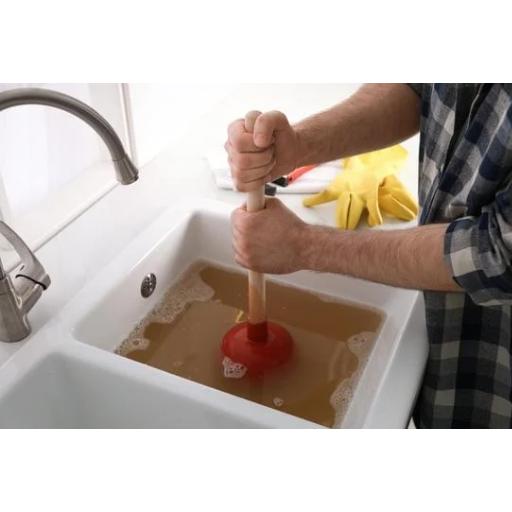
Plumbing near me in Prosper TX refers to finding a nearby, licensed plumbing professional who can diagnose and repair household water, drain, gas, and fixture problems while accounting for Prosper-area construction patterns and local code requirements. Prosper TX homes commonly use slab foundations and modern materials such as PEX, PVC, and copper, and local water conditions can accelerate mineral scale in fixtures and water heaters.
Local context changes how a plumber investigates and fixes problems. Slab foundations can hide supply-line leaks below concrete, which makes leak detection strategy and access planning more important than in pier-and-beam homes. Hard-water mineral buildup can reduce flow through faucet aerators, showerheads, cartridge valves, and water heater tanks, which can mimic “low pressure” symptoms even when municipal pressure remains normal.
Prosper TX and Celina TX homeowners also benefit from hiring licensed professionals familiar with permit triggers for remodels, water heater replacements, and reroutes. Code compliance affects shutoff valve placement, water heater safety components, and approved materials for potable water lines.
Common plumbing problems in Prosper TX homes and what the symptoms usually indicate
Common plumbing problems in Prosper TX homes include leaking faucets, supply-line leaks, clogged drains, toilet backups, low water pressure, water heater performance issues, and slab leaks. Each symptom usually points to a short list of root causes, and accurate diagnosis prevents repeat failures and unnecessary wall or flooring removal.
Leaking faucets and visible pipe leaks
Leaking faucets and visible pipe leaks usually come from worn washers, degraded O-rings, failing cartridges, corroded valve seats, or loose compression fittings. A faucet drip can also indicate a damaged cartridge in single-handle faucets, which often requires model-specific parts and careful reassembly.
Homeowners often notice cabinet-bottom swelling, a musty odor, or staining around angle stops and supply tubes. A flashlight inspection can reveal active drips at threaded joints, braided supply lines, and trap connections. PTFE (thread seal) tape belongs on tapered pipe threads, and PTFE tape does not belong on compression fittings because compression seals rely on ferrules rather than thread sealing.
Clogged drains and toilet backups
Clogged drains and toilet backups usually result from hair and soap scum in bathroom lines, grease and food residue in kitchen lines, or non-flushable items in toilets. Multiple slow fixtures in the same area can indicate a branch line blockage, and multiple slow fixtures across the home can indicate a main line restriction.
A gurgling toilet can indicate venting problems or partial blockage that pulls air through nearby traps. Tree root intrusion can affect outdoor sewer lines, and root intrusion typically causes recurring backups rather than a single isolated clog.
Low water pressure
Low water pressure usually comes from a clogged aerator, a partially closed shutoff valve, mineral scale inside fixtures, a failing pressure-reducing valve (PRV), or a supply-side issue. A single-fixture pressure drop often points to the aerator, cartridge, or stop valve for that fixture.
A whole-home pressure drop can involve PRV performance, scale buildup in older piping, or a leak that diverts flow. A simple diagnostic step involves comparing cold-water pressure at multiple fixtures and checking whether pressure drops only on hot water, which can point toward water heater or hot-side distribution restrictions.
Water heater trouble (tank and tankless)
Water heater trouble usually shows up as lukewarm water, fluctuating temperatures, reduced hot-water volume, discolored water, or unusual noises. Sediment buildup is common in hard-water areas and can reduce heat transfer in tank heaters, which can increase operating strain and shorten component life.
Gas-fired water heaters can also show symptoms related to combustion air, venting, or burner performance, and electric units can show symptoms related to heating elements or thermostats. Manufacturer instructions and local code requirements typically govern temperature-and-pressure (T&P) relief valve installation, discharge piping routing, and seismic strapping where applicable.
Slab leaks
Slab leaks refer to water line leaks that occur under a concrete slab foundation, and slab leaks can cause foundation movement, moisture intrusion, and mold risk when left undiagnosed. Common slab leak signals include unexplained damp flooring, warm spots on the floor (hot-side leaks), the sound of running water with fixtures off, or a sudden increase in water usage.
Slab leak diagnosis often involves isolating fixtures, checking meter movement, and using specialized detection methods to narrow the leak location before access decisions occur. Slab leak repairs can involve spot repair, rerouting, or other strategies based on pipe material, leak location, and risk of future failures.
Safe DIY checks before calling a plumber (and what not to do)
Safe DIY plumbing checks include shutting off water safely, confirming whether a problem affects one fixture or multiple fixtures, cleaning aerators, plunging correctly, and inspecting visible connections for active drips. Safe DIY plumbing checks reduce damage risk and help a licensed plumber arrive with better diagnostic information.
DIY-friendly tasks that often help
- Aerator cleaning: Faucet aerators often clog with mineral scale, and a vinegar soak can dissolve buildup on many metal screens. A towel-wrapped adjustable wrench can help remove stubborn aerators without scratching finishes.
- Plunging a toilet correctly: A flange plunger creates a better seal on toilets than a flat sink plunger. A plunging attempt works best with a full bowl seal and controlled strokes rather than splashing force.
- Snaking a tub or sink: A hand-crank drain snake can remove hair clogs near the trap or within the first several feet of branch line. A bucket under the trap can catch water during trap inspection.
- Checking shutoff valves: Angle stop valves under sinks and behind toilets sometimes remain partially closed after a prior repair. A fully open stop valve can restore flow when a fixture runs weak.
Actions that commonly make problems worse
Chemical drain cleaners can damage certain piping materials and can create hazards for anyone opening a drain line later. Overtightening compression nuts can crack fittings, deform ferrules, or strip threads. Improvised repairs using duct tape or incompatible sealants can hide active leaks long enough to cause cabinet rot, drywall damage, or mold growth.
How to handle a sudden leak or burst pipe: damage-control steps
Burst pipe damage control refers to a short sequence of actions that stops water flow, reduces water pressure, and limits secondary damage to drywall, flooring, and cabinetry. Burst pipe damage control works best when homeowners know the main shutoff location and use a consistent step order.
Shut off the water supply
Main water shutoff operation stops active flooding and prevents ongoing saturation of building materials. The main shutoff valve location often sits near the water meter, a garage wall penetration, or a utility area, and a labeled tag can save time during an emergency.
Relieve pressure and isolate the leak area
Fixture opening at the lowest level and the highest level helps drain lines and reduces pressure trapped in the system. Individual fixture shutoffs can isolate a single toilet or faucet leak when the main shutoff remains open for the rest of the home.
Protect nearby materials
Water removal using towels and a wet/dry vacuum reduces water absorption into baseboards, cabinets, and subflooring. Furniture relocation and cabinet unloading protect porous materials that swell and delaminate after prolonged exposure.
Document visible damage and symptoms
Photo documentation helps track leak origin points and affected materials, and symptom notes help diagnosis. Symptom notes should include leak location, hot versus cold line involvement, ceiling staining, and any audible water movement.
Contact a licensed local plumber for diagnosis and repair
Licensed Prosper TX plumbing professionals can confirm the failure point, verify safe restoration steps, and recommend repair strategies that match code and material requirements. Response times vary by demand and scheduling, and accurate symptom details can speed triage and parts planning.
Plumbing repair process: what a licensed plumber typically does (diagnosis to restoration)
Plumbing repair process steps typically include symptom confirmation, system isolation, root-cause diagnosis, repair execution with correct materials, leak testing, and restoration planning for access openings. Licensed plumbing work also includes code-aware decisions on valves, backflow protection, venting, and water heater safety components.
Typical diagnostic workflow
A fixture-level problem usually starts with isolation testing at shutoff valves and visual inspection for corrosion, mineral scale, and loose joints. A drainage problem often involves checking trap condition, branch line flow, and whether multiple fixtures share the same blockage path. A suspected hidden leak often involves meter observation with all fixtures off, pressure testing, and targeted detection to reduce unnecessary demolition.
Common repair and replacement actions
- Faucet repairs often involve replacing cartridges, seats, springs, O-rings, or supply lines based on the faucet design.
- Drain repairs often involve trap replacement, branch line clearing, or venting corrections when gurgling indicates air imbalance.
- Water heater repairs can involve component replacement, sediment management, and verification of T&P relief valve configuration per manufacturer instructions.
- Slab leak repairs can involve localized access, pipe repair, or reroute planning depending on material condition and leak recurrence risk.
Specialty Plumbing, as a locally owned, full-service provider in Prosper TX, commonly sees repeat-failure patterns tied to mineral scale, aging valves, and hidden leaks that first appear as cosmetic staining.
What affects plumbing costs (without surprises): scope, access, materials, and code
Plumbing cost factors depend on access difficulty, pipe and fixture materials, corrosion level, code compliance needs, and the amount of restoration required after opening walls or floors. Plumbing pricing varies by project scope, location, and scale, and clear diagnosis narrows the estimate range by reducing unknowns.
Access and demolition requirements
An exposed P-trap replacement under a sink typically involves less access work than a leak inside a finished wall. Slab access can require concrete cutting and patch planning, and finished surfaces such as tile, hardwood, and custom cabinetry increase restoration complexity.
Material type and compatibility
Copper, PEX, PVC, and cast iron each require different joining methods and tools. PEX repairs commonly involve crimp or clamp rings and rated fittings, copper repairs typically involve soldered or press connections, and PVC repairs typically involve primer and solvent cement with cure time considerations.
Fixture quality and parts availability
Brand- and model-specific cartridges can affect complexity, especially for specialty finishes and unique valve bodies. Matching visible finishes can require careful part selection to maintain consistent appearance in kitchens and bathrooms.
Corrosion, scale, and prior workmanship
Corroded fittings can seize and break during disassembly, and scale can reduce internal pipe diameter over time. Incorrect prior repairs, such as mismatched materials or improper venting, can require corrective work before a durable fix becomes possible.
Permits and code compliance in Prosper TX
Prosper TX permit requirements can apply to certain remodels, water heater replacements, and reroutes. Code compliance can affect shutoff valve placement, water heater discharge piping routing, venting configuration, and approved materials for potable water.
Warranty and guarantee terms vary; ask for current details during scheduling and before work begins.
How long plumbing work typically takes: realistic timeframes by job type
Plumbing repair timeframes vary based on diagnosis clarity, access conditions, parts availability, and restoration needs, and plumbing work rarely follows a single universal duration. Homeowners can plan better when plumbing timelines get viewed in phases: immediate stabilization, same-visit diagnosis and repair work, and follow-up restoration.
Immediate stabilization (minutes to hours)
Main shutoff operation and fixture isolation can stop active water damage within minutes. Water removal and drying setup can reduce secondary damage risk during the first few hours after a leak.
Diagnosis and repair work (hours to days depending on scope)
Simple fixture repairs such as aerator cleaning, trap service, or minor valve adjustments can take a short on-site visit when access remains open and parts remain standard. Complex problems such as slab leaks, hidden wall leaks, sewer line obstructions, or water heater replacements can require additional diagnostic steps, access creation, and inspection checkpoints.
Restoration and prevention (days to weeks depending on finishes)
Drywall patching, paint matching, tile repair, and flooring restoration can extend the overall project timeline beyond the plumbing repair itself. Preventive steps such as replacing aging shutoff valves, adding accessible cleanouts where appropriate, and scheduling periodic inspections can reduce repeat emergencies over the following months.
For deeper prevention planning, Essential Preventive Plumbing Maintenance Tips for Prosper & Celina Homeowners provides a structured checklist homeowners can follow.
Mini decision tree: what to do when a plumbing problem appears
Plumbing decision criteria become clearer when symptoms get matched to risk level and system location. A simple decision tree can prevent water damage by guiding homeowners toward shutoff actions, safe DIY steps, or professional diagnosis.
- Visible leak at a shutoff valve or supply line: Main shutoff closure prevents damage, and a towel-dry inspection can confirm active dripping points.
- Water dripping from a ceiling or wall: Main shutoff closure and professional leak detection reduce the risk of hidden mold and electrical hazards.
- Single slow drain: Plunging or a hand snake often helps, and recurring clogs suggest deeper buildup that needs professional clearing.
- Multiple fixtures backing up: Professional drain evaluation becomes important because a main line restriction can affect multiple bathrooms and the kitchen.
- Unexplained higher water usage: Leak detection becomes a priority because slab leaks and hidden supply leaks often show no visible puddles.
Homeowners in Prosper and Celina, TX often see hard-water symptoms first at aerators and showerheads, and hard-water symptoms can mask deeper flow restrictions.
When to call a licensed Prosper TX plumbing professional
Professional plumbing help becomes the safest choice when a plumbing problem involves hidden leaks, repeated backups, water heater safety components, gas lines, or any repair that requires code compliance decisions. Licensed Prosper TX plumbing professionals bring diagnostic tools and training that reduce trial-and-error repairs and reduce the risk of repeat damage.
Call a licensed plumber when any of the following conditions apply:
- Water appears inside walls, ceilings, or flooring because hidden leaks can spread beyond the visible stain.
- A shutoff valve fails to stop water flow because valve failure can require replacement under controlled conditions.
- Multiple drains clog or gurgle together because main line or venting issues often require professional equipment and inspection.
- A water heater leaks, makes loud popping noises, or produces inconsistent temperatures because water heater components involve pressure, temperature, combustion, or electrical risk.
- A slab leak becomes possible based on damp flooring, warm spots, meter movement with fixtures off, or unexplained water usage.
Specialty Plumbing is a locally owned, full-service provider staffed by licensed Prosper TX plumbing professionals, and Specialty Plumbing can help homeowners in Prosper and Celina confirm causes, discuss repair paths, and plan upgrades that match local housing styles.
For drain-specific symptoms, Need a Drain Cleaning Service in Prosper TX? Warning Signs, What Pros Do, and How to Avoid Repeat Clogs adds deeper context on recurring blockages and prevention.
Pro tips from licensed Prosper TX plumbing professionals (practical, extractable rules)
Plumbing best practices reduce leaks and repeat failures when homeowners use correct sealing methods, avoid overtightening, and match materials correctly. Licensed Prosper TX plumbing professionals frequently see preventable damage caused by incorrect tape use, over-torqued fittings, and mismatched materials.
- PTFE (thread seal) tape works best on tapered male pipe threads, and PTFE tape should wrap clockwise so tightening does not unravel the tape.
- Basin wrenches improve access to faucet mounting nuts in tight sink cabinets, especially on widespread faucets with limited clearance.
- Leak checks work best after drying the area fully, running water for 60–120 seconds, and inspecting with a flashlight for new droplets.
- Compression fittings seal at the ferrule, and compression fittings usually fail sooner when overtightened.
- Material matching matters because copper-to-galvanized transitions can accelerate corrosion without proper dielectric considerations, and code requirements can restrict certain connections.
Homeowners planning fixture upgrades can also review Garbage Disposal Installation in Prosper, TX: Common Mistakes, Safe Steps, and When to Call a Plumber for installation pitfalls that commonly cause leaks under kitchen sinks.
Common Questions About plumbing near me in Prosper TX
How do homeowners choose the right plumber near me in Prosper TX?
A good plumber near me should hold a valid license and demonstrate experience with common Prosper TX home construction, including slab foundations and modern piping materials. A reliable local plumber should explain diagnosis steps clearly and document repair options before work begins.
Can hard water in Prosper TX affect plumbing performance?
Hard water can leave mineral scale inside aerators, showerheads, valves, and water heater tanks, which can reduce flow and efficiency. Hard water symptoms often show up as low pressure at one fixture, white buildup on fixtures, or faster sediment accumulation in water heaters.
Why does a faucet keep dripping after a washer replacement?
A persistent faucet drip often indicates a worn cartridge, damaged O-ring, or a corroded valve seat rather than a simple washer problem. A licensed plumber can identify the faucet type, match the correct repair kit, and confirm sealing surfaces remain intact.
What signs suggest a slab leak under a Prosper TX home?
Slab leak warning signs include damp flooring, warm spots on the slab, the sound of water movement with fixtures off, or unexplained increases in water usage. A licensed plumber can perform leak isolation and targeted detection to narrow the leak area before access decisions occur.
What should homeowners avoid when trying to fix a clog?
Chemical drain cleaners can damage pipes and can create hazards during later repairs when a line gets opened. A safer first attempt uses a plunger, a hand snake, and a trap inspection when the clog stays close to the fixture.