Water heater flush: quick homeowner summary (TL;DR)
A water heater flush is a maintenance procedure that removes mineral sediment and debris from a water heater tank or a tankless heat exchanger to restore heating efficiency and reduce failure risk. A water heater flush matters because calcium and magnesium scale from hard water can insulate heating surfaces, cause rumbling or popping noises, reduce hot-water capacity, and contribute to overheating or component wear. Most manufacturers recommend flushing about once per year for many homes, while homes with harder water, high hot-water usage, or a history of sediment may need more frequent service. A professional flush usually includes safe shutdown (gas or electric), controlled draining or descaling, refilling, leak checks, and a startup verification. Tankless systems often require service valves, a circulation pump, and a descaling solution to dissolve scale inside the heat exchanger. Water heater flush outcomes vary from a simple tune-up to discovery of deeper problems such as a failing anode rod, clogged drain valve, corroded fittings, or a tank nearing end-of-life. Specialty Plumbing, a locally owned, full-service provider staffed by licensed Prosper TX plumbing professionals, can evaluate flushing needs and recommend water heater repair or replacement when flushing alone cannot restore reliable hot water.
What a water heater flush is and why a water heater flush matters
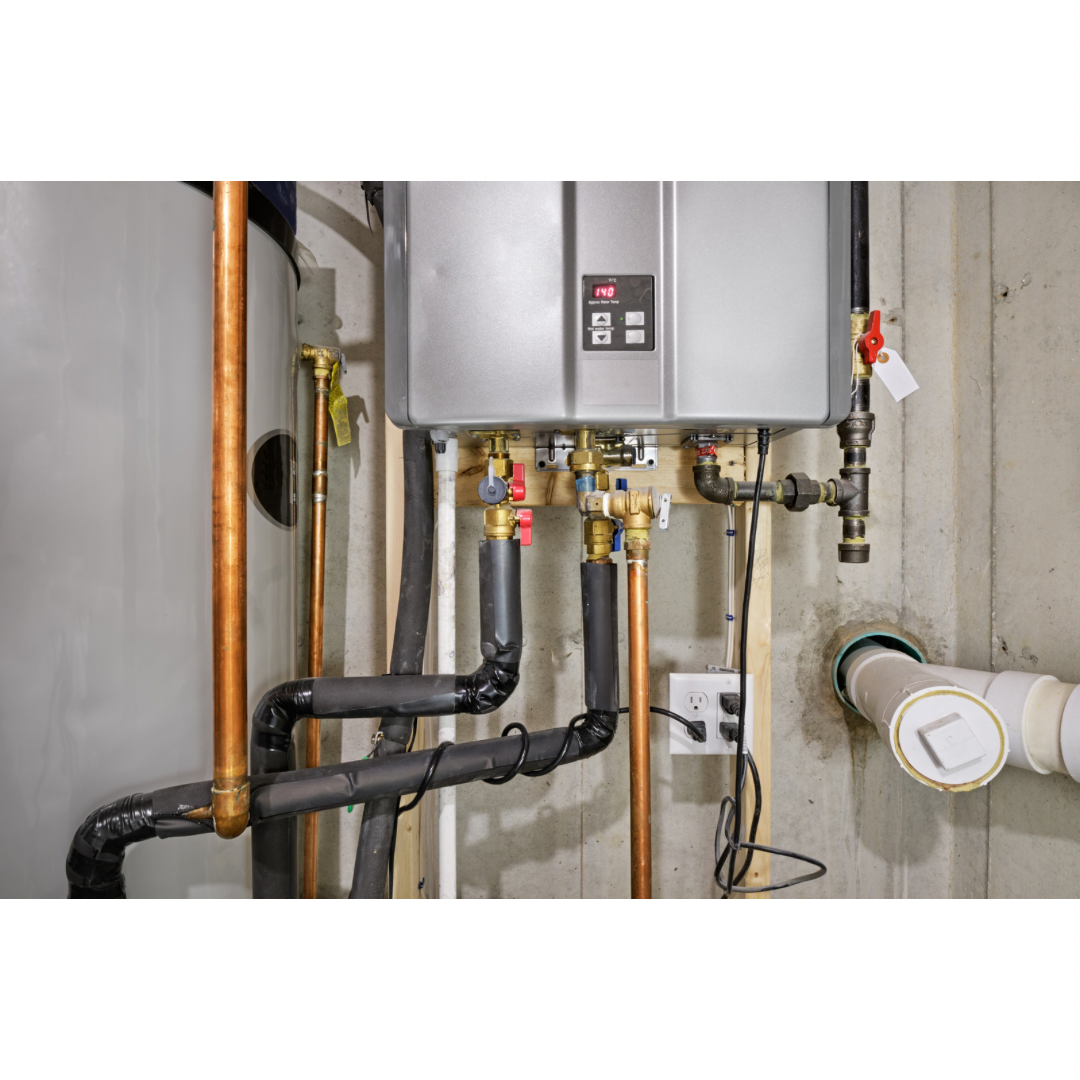
A water heater flush is the controlled removal of sediment, rust particles, and mineral scale from a water heater to improve heat transfer, reduce noise, and lower stress on internal components. A water heater flush protects both tank-style water heaters (sediment settling at the bottom) and tankless water heaters (scale forming inside narrow heat-exchanger passages). A water heater flush can also improve water clarity when loose debris discolors hot water.
Mineral sediment commonly forms when heated water leaves behind calcium carbonate and other dissolved minerals. Tank water heaters often collect sediment in the bottom few inches of the tank, creating an insulating layer that forces longer burner run-times or longer heating-element cycles. Tankless water heaters often develop scale on heat-exchanger walls, which can trigger error codes, temperature swings, and reduced flow.
Water heater maintenance also supports water quality. Sediment can break loose and travel to faucets, producing cloudy or rusty hot water and occasional metallic odor or taste. Water heater flushing cannot reverse severe internal corrosion, but flushing can reduce the amount of debris circulating through plumbing fixtures.
How often a water heater flush is needed (and what changes the schedule)
Water heater flush frequency depends on water hardness, household demand, heater type, and maintenance history. Many manufacturers recommend annual flushing for both tank and tankless models, with more frequent flushing sometimes needed in harder-water conditions. A water heater flush schedule works best when the schedule is consistent, because long gaps allow sediment layers to harden and compact.
Prosper-area water conditions often produce noticeable mineral scale over time, and mineral scale accumulation can accelerate in homes with high hot-water usage. Households with large tubs, frequent showers, or high laundry volume often see faster sediment buildup in tank units and faster scaling in tankless heat exchangers.
A water heater flush schedule often becomes urgent after multiple skipped years. Specialty Plumbing has encountered tank units with heavy sediment accumulation that reduces usable hot-water volume and makes draining difficult due to a partially blocked drain valve. Water softeners and whole-home filtration can reduce sediment formation, but water heater maintenance still benefits from periodic inspection.
Practical flush frequency guidelines (non-warranty, homeowner-friendly)
- Many homes: plan a water heater flush about once per year.
- Hard-water or high-usage homes: consider more frequent flushing based on observed symptoms and manufacturer guidance.
- After a long maintenance gap: expect a more involved flush because compacted sediment can clog drain valves or restrict flow.
Signs a water heater needs a flush (and signs of bigger problems)
Water heater flush warning signs include noise, discolored hot water, reduced capacity, efficiency loss, and tankless error codes. Water heater symptoms can overlap with other failures, so symptom-based diagnosis should separate sediment problems from thermostat, element, burner, venting, or anode-rod issues. A water heater flush can solve sediment-related symptoms, while water heater repair addresses component failures.
Common symptoms associated with sediment or scale include:
- Rumbling or popping sounds (tank units): Sediment buildup can trap water under the sediment layer, causing bubbling and popping during heating cycles.
- Cloudy, rusty, or smelly hot water: Sediment disturbance or internal corrosion can discolor water and affect odor.
- Hot water runs out faster than normal: Sediment can reduce effective tank volume and reduce heat transfer efficiency.
- Higher energy use for the same hot-water output: Scale can act as insulation, increasing run-time and heat loss.
- Tankless warning lights or error codes: Scale can restrict heat transfer and trigger protection limits in modern controls.
Warning signs that often require professional diagnosis beyond flushing include:
- Water at the base of the tank: Tank leaks often indicate corrosion or tank failure rather than a simple sediment issue.
- Pressure relief valve discharge: Temperature-and-pressure relief valves can release water due to overheating, pressure issues, or a failing valve.
- Persistent temperature swings: Thermostat problems, mixing valve issues, or scale-related flow restrictions can cause instability.
Homeowners considering broader diagnosis can review Water Heater Problems: Essential Guidance for Homeowners for symptom-based next steps.
Water heater flush process: tank vs. tankless (what happens during service)
Water heater flush steps differ by heater type because tank heaters store water while tankless heaters heat water on demand through a heat exchanger. A professional water heater flush typically includes safe shutdown, controlled draining or descaling, debris removal, refilling, leak checks, and operational verification. A water heater flush also provides an opportunity to inspect valves, fittings, and safety components for early warning signs.
Tank-style water heater flush: what a plumber typically does
A tank water heater flush usually begins with shutting off power at the breaker (electric) or setting the gas control to the appropriate off/pilot position (gas), followed by closing the cold-water supply. A technician typically attaches a hose to the drain valve near the bottom of the tank and routes discharge to an approved drain location. A technician often opens a hot-water faucet to relieve pressure and improve draining.
Sediment removal often requires more than a simple drain. A technician may briefly open the cold-water supply in pulses to stir sediment and push debris out through the drain valve. A technician then refills the tank fully before restoring power or gas, because energizing heating elements in an empty tank can damage electric elements.
Key technical details homeowners should recognize:
- Tank drain valves can clog with sediment, especially after long maintenance gaps.
- Hot-water discharge can be scalding, so hose routing and temperature control matter.
- Electric water heaters require a full tank before power restoration to protect heating elements.
Tankless water heater flush (descaling): what a plumber typically does
A tankless water heater flush usually refers to descaling the heat exchanger using service valves, hoses, and a circulation pump. A technician typically isolates the unit with the built-in service valves, circulates a descaling solution (commonly food-safe vinegar or a manufacturer-approved descaler) through the heat exchanger, and then rinses the system thoroughly.
Tankless-specific details that affect results:
- Tankless heat exchangers contain narrow passages that scale quickly in hard water conditions.
- Tankless service often includes checking inlet screens or filters for debris.
- Tankless units may require control resets or verification that error codes clear after descaling.
Comparison table: tank vs. tankless water heater flush
| Feature | Tank water heater flush | Tankless water heater flush (descaling) |
|---|---|---|
| Primary buildup location | Bottom of storage tank | Heat exchanger internal passages |
| Common symptom | Popping/rumbling during heating | Error codes, reduced flow, temperature swings |
| Typical method | Drain + agitation flush | Pump circulation + descaling + rinse |
| Tools often required | Drain hose, basic hand tools | Service hoses, isolation valves, circulation pump |
| Risk if done incorrectly | Element damage (electric), leaks at drain valve | Incomplete descaling, valve misconfiguration, leaks at service ports |
DIY water heater flush steps (safe homeowner framework)
DIY water heater flush work requires correct shutdown, burn prevention, and leak control, and homeowner skill limits vary by heater age and installation condition. A DIY water heater flush can be reasonable for newer, accessible tanks with functional shutoff valves and drain valves. A DIY flush becomes risky when drain valves clog, fittings corrode, or tankless service valves and pumps are unfamiliar.
Confirm water heater type and fuel source
A homeowner should identify tank versus tankless equipment and identify electric versus gas power sources before any work begins. A homeowner should locate the cold-water shutoff valve, drain valve or service valves, and a suitable discharge point for draining or flushing water.
Shut down energy safely and reduce scald risk
A homeowner should turn off electric power at the breaker for electric heaters or set the gas control to the appropriate off/pilot setting for gas heaters. A homeowner should allow water temperature to drop to reduce burn risk from hot discharge.
Isolate water flow and prepare controlled drainage
A homeowner should close the cold-water supply valve and connect a hose rated for hot water to the tank drain valve or connect service hoses to tankless service ports. A homeowner should route the hose to a drain location that can handle hot water and sediment.
Flush sediment or descale scale
A homeowner flushing a tank heater should open a hot-water faucet to relieve pressure and then open the drain valve to drain water and sediment. A homeowner descaling a tankless heater should circulate a suitable descaling solution through the heat exchanger using a pump, followed by a full rinse per manufacturer guidance.
Refill, purge air, and verify operation
A homeowner should close drain valves or service ports, open the cold-water supply, and run a hot faucet for several minutes to purge air from lines. A homeowner should restore power or gas only after a full refill and should watch for leaks at valves and fittings during startup.
Stop work and escalate when warning signs appear
A homeowner should stop DIY work when a drain valve fails to flow, a valve stem leaks, a fitting drips after tightening, or water appears at the tank base. A licensed plumber can prevent small leaks from becoming water damage.
Common water heater flush mistakes (and how to avoid damage)
Water heater flush mistakes often involve unsafe shutdown, incomplete sediment removal, or forcing stuck parts. A safe water heater flush avoids energizing empty tanks, avoids over-tightening fragile valves, and avoids creating leaks at old fittings. A water heater flush should end with a careful leak check and a stable startup.
Common DIY pitfalls include:
- Power left on during draining (electric): Electric elements can burn out when exposed to air.
- Drain valve clog ignored: Sediment can block the valve, preventing meaningful flushing.
- Hose routing errors: Hot discharge can damage floors or cause burns when hoses slip.
- Overuse of force on old fittings: Old drain valves and nipples can crack or leak when stressed.
- Pressure relief valve mishandling: Unnecessary operation can create seepage if a valve fails to reseat properly.
Leak prevention practices often used by plumbers include using appropriate thread sealant on threaded connections and verifying that valves fully close without seepage. Specialty Plumbing often treats post-flush leak checks as a non-negotiable final step because small drips can cause slow, expensive water damage.
Timeframes: how long a water heater flush takes (and what can extend the work)
Water heater flush timeframes depend on heater type, sediment severity, access, and valve condition. A straightforward tank flush often fits within a short maintenance window, while heavily sedimented tanks and tankless descaling can take longer due to circulation, rinsing, and troubleshooting. Water heater maintenance planning should also account for cooldown, refill, and air purging time.
Time factors homeowners commonly experience include:
- Cooldown time: Hot water temperature can require a waiting period before safe draining.
- Drain and flush cycles: Sediment-heavy tanks may need repeated drain-and-stir cycles to clear debris.
- Tankless circulation time: Descaling requires sufficient circulation time plus a full rinse cycle.
- Access constraints: Tight closets, attic platforms, or obstructed utility rooms slow setup and cleanup.
- Valve and fitting condition: Stuck drain valves or corroded fittings can shift work from maintenance to repair.
A homeowner planning maintenance can treat flushing as a periodic task rather than an emergency, because planned maintenance reduces the likelihood of clogged drain valves and surprise leaks.
Cost and complexity factors (what changes the scope of a water heater flush)
Water heater flush pricing varies by project scope, location, and heater condition, and complexity often matters more than heater brand. A water heater flush becomes more complex when sediment blocks the drain valve, when tankless service requires pumps and isolation valves, or when corrosion creates leak risk. A water heater flush estimate often changes after inspection reveals poor access, code-related corrections, or the need for minor repairs.
Key drivers that influence complexity include:
- Heater type: Tankless descaling typically requires service valves, hoses, and a pump.
- Age and maintenance history: Long gaps can create compacted sediment and fragile valves.
- Water quality: Moderately hard water can accelerate scale formation in both tank and tankless systems.
- Access and installation layout: Closets, tight utility rooms, and elevated platforms increase labor and risk.
- Condition of shutoff valves and drain valves: Stuck or leaking valves can require repair before flushing can finish safely.
- Safety and code considerations: Combustion air, venting, seismic strapping, and discharge piping can require attention during service.
Homeowners weighing repair decisions alongside maintenance can review Water Heater Replacement: Signs, Process, and Smart Repair-vs-Replace Decisions for practical next steps.
Mini troubleshooting map: symptom → likely cause → next action
Water heater troubleshooting works best when symptoms connect to a likely failure mode and a safe next action. Water heater flush service often resolves sediment-related symptoms, while persistent symptoms after flushing often point to component issues. Water heater repair becomes the right next step when leaks, electrical faults, or repeated shutdowns appear.
- Symptom: Loud rumbling or banging from a tank
- Likely cause: Sediment buildup trapping water under a hardened layer
- Next action: Water heater flush service is the first step; persistent noise after flushing suggests deeper issues.
- Symptom: Hot water runs out quickly
- Likely cause: Sediment reducing usable tank volume or reducing heat transfer
- Next action: Tank flush and inspection for thermostat or heating element issues.
- Symptom: Discolored or foul-smelling hot water
- Likely cause: Sediment disturbance, corrosion, or bacterial growth in the tank
- Next action: Flush and targeted inspection, including anode rod evaluation.
- Symptom: Tankless error codes or fluctuating temperature
- Likely cause: Heat exchanger scale restricting heat transfer or flow
- Next action: Tankless descaling flush and inlet screen inspection.
When a water heater flush is not enough (repair vs. replacement reality check)
Water heater flush limits become clear when sediment damage has already progressed to corrosion, blocked valves, or tank integrity loss. Water heater repair becomes appropriate when a functional tank suffers from a failed element, thermostat, gas control, igniter, or leaking valve. Water heater replacement becomes appropriate when a storage tank leaks from the tank body or when repeated repairs cannot restore safe operation.
A real-world pattern often appears after years of skipped maintenance: a drain valve barely drips because compacted sediment blocks the outlet. A plumber may need to remove the valve and break up sediment manually, and a heavily corroded tank may still remain at high leak risk. Specialty Plumbing often recommends a condition-based decision after inspection rather than forcing an old tank through aggressive flushing that could trigger leaks.
A practical rule set helps homeowners think clearly:
- Tank base leaks typically indicate tank failure, not a flushable problem.
- Repeated rusty hot water after flushing often indicates corrosion or an anode rod problem.
- Persistent performance problems after flushing often justify a professional diagnostic for repair-versus-replace planning.
When to call a licensed plumber for a water heater flush
Professional water heater flush service becomes the safest option when valves stick, leaks appear, tankless equipment requires pumps and service ports, or the heater shows signs of failure. A licensed plumber can also verify safe startup, confirm combustion safety on gas units, and identify code or venting issues that homeowners often miss. Specialty Plumbing provides service as a locally owned, full-service provider staffed by licensed Prosper TX plumbing professionals.
Call a plumber when any of the following conditions apply:
- Water heater drain valve clogs, sticks, or leaks during a flush attempt.
- Water appears at the base of a tank or around the burner compartment access area.
- Tankless equipment lacks accessible service valves or shows recurring error codes after descaling.
- Electric water heater work raises uncertainty about breaker shutdown or element protection.
- Gas water heater work raises uncertainty about relighting procedures, combustion air, or venting.
- Water heater flushing reveals corroded fittings, deteriorated shutoff valves, or a failing pressure relief valve.
Homeowners facing broader water damage concerns from leaks can also reference Pipe Repair: A Homeowner’s Guide to Leaks, Burst Pipes, and Smart Fix Options for containment and decision guidance.
Common questions about water heater flush service
How often should a water heater flush be done?
Water heater flush frequency is commonly about once per year, based on many manufacturer recommendations. Water hardness, household hot-water demand, and maintenance history can justify a different schedule.
Can a homeowner do a water heater flush without a plumber?
A homeowner can often perform a basic tank flush when shutoff valves work, the drain valve flows freely, and safe shutdown steps are clear. A tankless water heater flush often requires service valves and a circulation pump, so professional service is frequently the safer option.
What noises indicate a water heater flush is overdue?
Rumbling or popping noises from a tank water heater often indicate sediment buildup heating and releasing bubbles through the sediment layer. Persistent noise after flushing can indicate heavier buildup or a different mechanical problem that needs diagnosis.
What signs suggest water heater replacement instead of flushing?
Water leaking from the tank body or pooling at the tank base often indicates tank failure rather than a maintenance issue. Recurring leaks, severe corrosion, or repeated shutdowns after service often justify a replacement evaluation.
Does a tankless water heater need a water heater flush too?
A tankless water heater needs periodic descaling because scale can coat the heat exchanger and reduce heat transfer. Tankless descaling frequency depends on water hardness and usage, and manufacturer instructions provide the safest guidance.
Local note for North Texas homeowners (Prosper-area service context)
Prosper TX homeowners often schedule water heater flush maintenance as part of seasonal home upkeep, especially in homes with mineral-heavy water that accelerates sediment formation. Specialty Plumbing supports homeowners across Prosper, Celina, Frisco, McKinney, Allen, Plano, Aubrey, Oak Point, and Gunter, and a local inspection can confirm whether a flush, a repair, or a replacement plan fits the equipment condition. Availability varies; contact Specialty Plumbing to confirm scheduling and discuss water heater symptoms, access constraints, and heater type.
Suggested image placement (editor-friendly)
- Ideal placement: Near “Water heater flush process: tank vs. tankless”
- Alt text: Licensed plumber performing water heater flush by attaching hose to drain valve