Quick Summary
Same day plumber service is most appropriate when a plumbing problem causes active flooding, rapid water loss, sewage backup, suspected gas odor near plumbing appliances, or a full loss of water that disrupts essential household functions. Plumbing emergencies often start with subtle warning signs—water stains, musty odors, gurgling drains, or sudden pressure changes—before escalating into damaged drywall, warped flooring, or unsafe conditions.
Homeowners in Prosper and Celina, TX can reduce damage by locating the main water shutoff, isolating the fixture shutoff valves, and keeping water away from electrical panels and outlets. Sewer backup conditions require extra caution because wastewater can carry bacteria and contaminate surfaces. Gas odor conditions require evacuation and emergency services before any plumbing work begins.
Repair scope varies based on pipe accessibility (wall, ceiling, slab), pipe material (PVC, PEX, copper, galvanized steel), and the extent of water migration into adjacent rooms. Specialty Plumbing, a locally owned, full-service provider with licensed Prosper TX plumbing professionals, recommends treating safety risks and uncontrolled water flow as the clearest “call now” thresholds.
What a “Plumbing Emergency” Actually Means (and why the label matters)
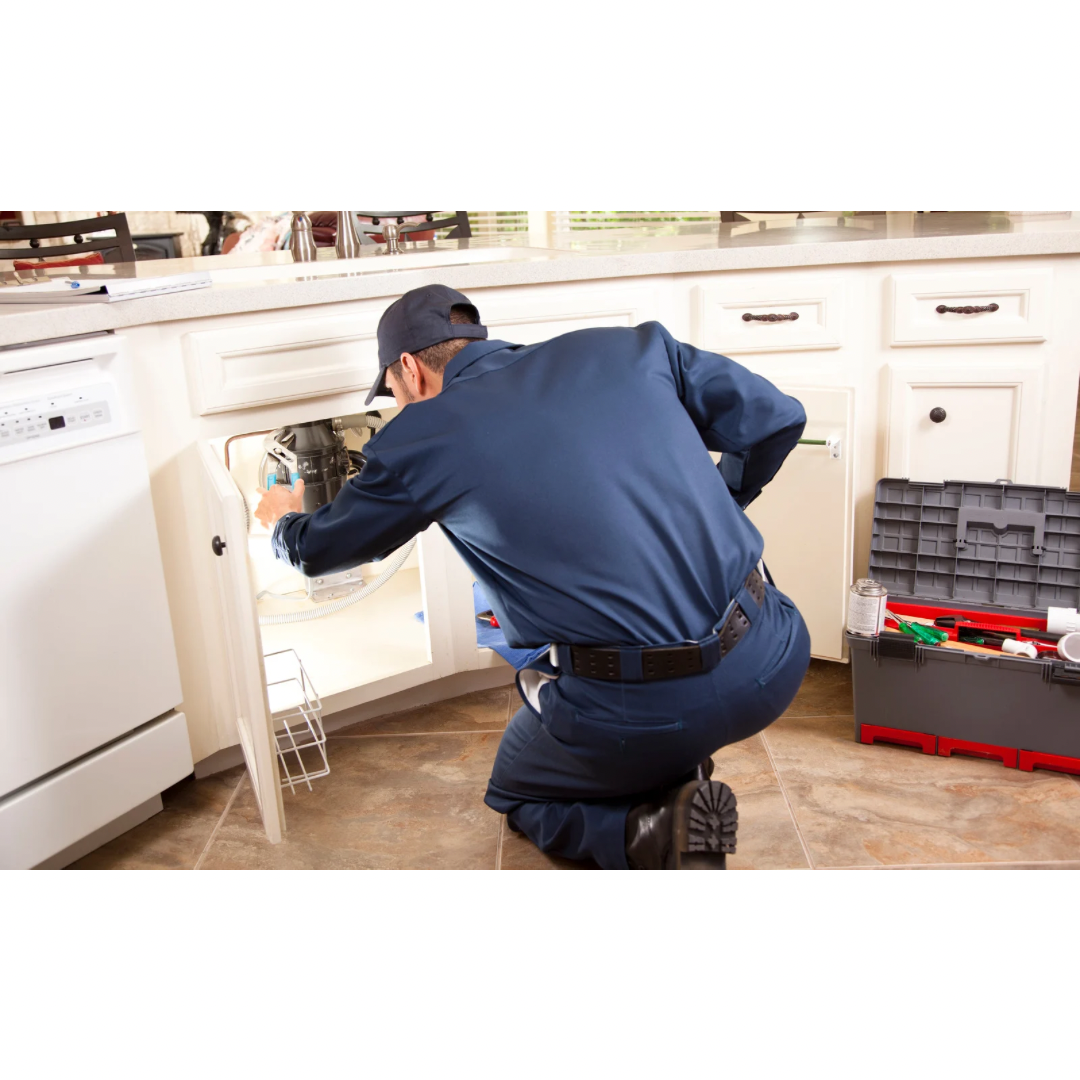
A plumbing emergency is a plumbing failure that creates immediate property damage, health risk, or loss of essential water service, and a same day plumber becomes necessary when the risk increases with every hour. A plumbing emergency usually involves uncontrolled water flow, sewage exposure, or conditions that can damage electrical systems, structural materials, or indoor air quality.
A plumbing emergency differs from an inconvenience because water damage compounds over time. Drywall can wick water upward, baseboards can swell, and flooring underlayment can trap moisture where mold can develop. A plumbing emergency also includes situations where household safety becomes uncertain, including sewage odors from a backup or gas odor near a water heater.
Emergency vs. non-emergency: fast definitions homeowners can use
- A true emergency involves active flooding, a leak that cannot be stopped at a local shutoff, sewage backing up into a fixture, or a suspected gas odor near plumbing appliances.
- A non-emergency often involves a contained drip, a single slow drain that is not overflowing, or a minor pressure change without visible leakage.
Same day plumber triggers: the clearest signs the problem is urgent
Same day plumber situations usually show up as active pooling water, sudden pressure loss, visible ceiling or wall bulging, multiple drains backing up, or sewage odor coming from drains. Same day plumber calls become more justified when water reaches electrical outlets, electrical panels, appliance cords, or HVAC equipment.
Homeowners can use observable symptoms to decide quickly without guessing. A sudden drop in water pressure can indicate a burst line, a failed fitting, or a major leak. Gurgling sounds from multiple fixtures often point to a main drain or venting issue rather than a simple sink clog.
High-risk symptoms that often indicate escalating damage
- Pooling water that grows over minutes, especially near cabinets, water heaters, or laundry appliances
- Water stains or bubbling paint on ceilings or walls, which can indicate water trapped behind drywall
- Musty odors near baseboards or flooring, which can indicate ongoing moisture intrusion
- Sewage odor or wastewater visible in tubs or showers
- Unexplained running-water sound when all fixtures are off
- Sudden hot-water loss paired with water heater leaking, which can indicate tank or valve failure
Electrical proximity changes the urgency
Water near electrical panels, outlets, extension cords, or powered appliances increases shock and fire risk. A homeowner response should focus on stopping water flow and avoiding contact with energized surfaces.
Most common plumbing emergencies (what causes them and what homeowners usually notice)
Plumbing emergencies in North Texas homes commonly include burst pipes, major supply-line leaks, sewer backups, water heater failures with leakage, and suspected gas line issues near gas-fired appliances. Plumbing emergencies matter because each category can damage building materials quickly or introduce safety hazards that require careful handling.
Licensed Prosper TX plumbing professionals often see the same pattern: a small symptom appears first, then a hidden failure spreads moisture into adjacent spaces. A homeowner who recognizes early indicators often reduces the repair scope by shutting off water and limiting water migration.
Burst pipes
Burst pipes are ruptures that release pressurized water into walls, ceilings, or living spaces, and burst pipes often result from freezing, corrosion, or physical damage. Burst pipes can soak insulation and drywall within minutes and can cause ceiling bulges, sagging, or dripping light fixtures.
Common homeowner clues
- Sudden drop in pressure at multiple fixtures
- Hissing or spraying sounds behind drywall
- Water pooling at baseboards or under flooring
- Bulging drywall or ceiling staining
Major leaks under sinks or appliances
Major leaks under sinks or appliances often come from supply lines, angle stops, dishwasher connections, refrigerator icemaker lines, or washing machine hoses. Major leaks can release gallons of water before detection because cabinets and toe-kicks hide the first signs.
Common homeowner clues
- Cabinet floor swelling or soft spots
- Water pooling under a P-trap or shutoff valve
- Dripping that continues after a fixture shutoff is closed
Sewer backups and main line blockages
Sewer backups occur when wastewater cannot flow to the municipal sewer or septic connection and returns through the lowest drains, often a shower or tub. Sewer backups create sanitation risk because wastewater can carry bacteria and contaminate porous materials.
Common homeowner clues
- Multiple drains slow at the same time
- Gurgling sounds after flushing a toilet
- Sewage odor near floor drains, tubs, or showers
- Water rising in a shower when a toilet flushes
No water or no hot water (with red-flag conditions)
No water can indicate a supply interruption or a major leak that requires immediate isolation of the plumbing system. No hot water becomes urgent when a water heater shows leakage, unusual noises, or discharge from a temperature and pressure relief (TPR) valve.
Common homeowner clues
- Water around the water heater base
- Popping or rumbling noises from sediment buildup in a tank
- Rust-colored water that suggests internal corrosion
- TPR discharge pipe dripping persistently, which can indicate overpressure or overheating
Gas line concerns near plumbing appliances
Gas odor near a water heater, furnace, or stove can indicate a gas leak, and gas leak conditions require evacuation and emergency services before any plumbing diagnosis. Gas leaks pose explosion and asphyxiation risks, and homeowner actions should prioritize life safety over property protection.
Safety note
- A homeowner should leave the building and contact emergency services if a rotten-egg odor appears near gas-fired equipment.
Urgent vs. can-wait: a homeowner decision framework
Urgent plumbing problems involve uncontrolled water, sewage exposure, or safety hazards, while can-wait plumbing problems typically involve contained leaks or isolated drainage issues without overflow. A same day plumber becomes less necessary when a homeowner can fully stop water flow at a local valve and no water damage is spreading.
Homeowners can reduce uncertainty by checking three variables: containment, spread rate, and safety proximity. Containment means water stays in a bucket or pan without expanding. Spread rate means water does not migrate into walls, ceilings, or adjacent rooms. Safety proximity means water stays away from energized electrical components and sewage stays out of living areas.
Situations that often can wait for a scheduled visit
- Minor faucet drips that stay contained and do not affect cabinets or flooring
- Single slow drain when other fixtures drain normally and no overflow occurs
- Low water pressure limited to one fixture, which can indicate an aerator or cartridge issue
Mini decision tree (fast triage)
- If water pools or floods and local shutoff fails: Main water shutoff use becomes the next step, followed by a call to a licensed plumber.
- If sewage odor appears or wastewater backs up into fixtures: Professional drain and sewer evaluation becomes the safest path.
- If running-water sounds occur with no visible source: Main shutoff use can prevent hidden damage while diagnosis begins.
- If a slow drip stays contained: Monitoring plus scheduling often works, with escalation if swelling, staining, or musty odor appears.
Damage-control steps while waiting for professional help (first hour priorities)
Damage-control steps reduce secondary damage by stopping water flow, protecting electrical hazards, and removing standing water before it spreads into building materials. Damage-control steps work best when a homeowner follows a simple order: shut off water, protect power, remove water, then document conditions for later decisions.
Homeowners should locate the main water shutoff before an emergency occurs. Many homes place the main shutoff at a perimeter wall, garage, or mechanical area, and valve types often include a lever-style ball valve or a round-handle gate valve.
Identify the water source
A homeowner should look for the closest fixture shutoff valve under a sink, behind a toilet, or near an appliance connection. A homeowner should confirm leak origin by checking supply lines, drain traps, and appliance hoses.
Close the nearest shutoff valve
A homeowner should turn the fixture shutoff valve clockwise until resistance stops movement. A homeowner should verify leak reduction by watching the drip rate for 60 seconds.
Use the main water shutoff if the leak continues
A homeowner should close the main water shutoff when fixture shutoffs fail or when leak origin remains hidden. A homeowner should open a faucet after shutoff to relieve line pressure and reduce continued seepage.
Protect electrical hazards
A homeowner should keep water away from outlets, power strips, and electrical panels. A homeowner should avoid touching wet surfaces near energized equipment and should contact an electrician if water contacted a panel or major wiring.
Remove standing water and increase ventilation
A homeowner should use towels, mops, or a wet/dry vacuum to remove standing water from floors and cabinets. A homeowner should open windows or run fans in safe, dry locations to reduce humidity and slow material absorption.
Document conditions for insurance and repair planning
A homeowner should take photos of visible leaks, stained materials, and affected belongings. A homeowner should record which valves were shut off and which fixtures showed symptoms.
First-hour timeline (practical priorities)
- First 10 minutes: Shut off fixture valve or main shutoff, then unplug nearby devices if safe and dry access exists.
- 10–30 minutes: Water extraction and item relocation should prevent water migration into carpet padding, baseboards, and drywall.
- 30–60 minutes: Photo documentation and symptom notes help a licensed plumber prioritize diagnostic steps.
What happens during an emergency plumbing visit (typical diagnostic and repair process)
Emergency plumbing diagnosis usually starts with isolation of water flow, followed by leak localization, pressure checks, and targeted access to the failed component. Emergency plumbing repair often ends with functional testing under pressure and a final inspection for secondary leaks.
Licensed plumbers typically choose the least destructive access point that still allows safe, code-compliant repair. A plumber may use moisture detection, visual inspection of fittings, and fixture-by-fixture testing to narrow down the failure location.
Common diagnostic methods a licensed plumber may use
- Visual inspection of shutoff valves, supply lines, traps, and fixture connections
- Water pressure check at a hose bibb or test point, often expressed in PSI
- Drain evaluation for cross-fixture symptoms that suggest a main line issue
- Water heater inspection of TPR valve, drain valve, and supply connections
- Targeted access planning for leaks behind drywall, ceilings, or under slab
Typical repair actions by problem type
- Burst pipe repair may involve cutting out a damaged section and replacing with approved materials and fittings.
- Supply-line leak repair may involve replacing braided connectors, angle stops, or compression fittings.
- Sewer backup resolution may involve clearing the blockage and confirming flow through the main line.
- Water heater leak evaluation may involve identifying tank failure versus valve or connection leakage.
For related diagnostic guidance, Plumber Prosper TX: How to Diagnose Common Problems, Try Safe DIY Fixes, and Know When to Call a Licensed Pro provides homeowner-safe troubleshooting boundaries.
Factors that influence repair scope (and why pricing varies by project conditions)
Plumbing repair pricing varies by project scope, accessibility, material requirements, and the extent of water damage rather than a single universal rate. Plumbing repair complexity increases when leaks hide behind finished surfaces, when corrosion locks fittings in place, or when older pipe materials require broader replacement for a durable outcome.
A homeowner can predict complexity by looking at access and age. A leak in an exposed under-sink cabinet usually requires less invasive work than a leak under tile, behind a shower wall, or beneath a concrete slab.
Key drivers that change the job size
- Access to pipes and fixtures: Repairs behind drywall, under flooring, or under slab often require controlled demolition and restoration coordination.
- Extent of water damage: Water migration into adjacent rooms can require drying and material replacement beyond plumbing work.
- Pipe material and age: Copper, PEX, PVC, galvanized steel, and polybutylene each require different fittings and repair methods.
- Corrosion and mineral buildup: Stuck fasteners and rusted fittings can extend disassembly time and increase replacement needs.
- Code considerations: Plumbing work must meet applicable local code requirements, including approved materials and correct installation methods.
- Fixture quality and parts availability: Specialty fixtures can require specific cartridges, proprietary trim, or careful handling to avoid cosmetic damage.
For guidance on selecting a qualified local provider when urgency is high, Plumbing Near Me in Prosper TX: How to Choose the Right Local Plumber, Diagnose Problems, and Avoid Costly Damage offers a homeowner checklist.
Process timeframes: what “repair time” usually means in real life
Plumbing repair time refers to the time required to diagnose the cause, access the affected area, complete the repair, and verify leak-free operation under normal pressure and use. Plumbing repair timelines vary widely because a visible leak under a sink can be addressed faster than a hidden leak under flooring that requires access planning and drying.
A homeowner should think in phases rather than promises. The immediate phase focuses on stopping active damage. The daily phase focuses on diagnosis and repair completion. The weekly phase can include drying and restoration for water-impacted materials.
Immediate phase (minutes to hours): stop damage and stabilize
Water shutoff and leak containment can happen within minutes when shutoff valves function properly. Water extraction and ventilation can take longer depending on carpet, padding, and cabinet saturation.
Daily phase (same day to next day): diagnose, access, repair, test
Leak localization, parts selection, and code-correct repair can often occur in a single work session for accessible failures. Hidden leaks can require staged access and follow-up testing to confirm no secondary seepage exists.
Weekly phase (several days): drying, restoration, and prevention upgrades
Drying of wet building materials can take multiple days depending on humidity, airflow, and saturation depth. Restoration steps can include drywall patching, baseboard replacement, paint, or flooring repairs after plumbing work ends.
Monthly phase (ongoing): prevention and monitoring
Preventive habits include periodic inspection of supply lines, angle stops, and water heater connections. Preventive maintenance planning can reduce repeat emergencies, especially for older homes with aging valves and connectors.
For prevention-focused routines, Essential Preventive Plumbing Maintenance Tips for Prosper & Celina Homeowners provides seasonal checklists.
When to call a professional (clear thresholds that protect safety and property)
A licensed plumber should handle any condition involving sewage exposure, suspected gas odor near plumbing appliances, uncontrolled leaks that defeat shutoff valves, or leaks near electrical infrastructure. A same day plumber becomes the safer choice when water damage spreads, when multiple fixtures show symptoms, or when the source remains hidden behind walls, ceilings, or slabs.
Homeowner DIY efforts should stay limited to safe containment actions. A homeowner can tighten a visible slip nut, place a bucket, or shut off a valve, but a homeowner should avoid opening walls, modifying gas connections, or attempting sewer line repairs without training and proper equipment.
Call a licensed plumber when any of these conditions occur
- Water continues flowing after a fixture shutoff closes
- Main shutoff valve fails to stop flow or appears damaged
- Sewage backs up into a tub, shower, or floor drain
- Multiple drains clog simultaneously or gurgle across bathrooms
- Water appears near outlets, breakers, or electrical panels
- Water heater leaks from the tank body or shows persistent TPR discharge
- Gas odor appears near a water heater, stove, or furnace area (emergency services first)
Specialty Plumbing supports homeowners in Prosper and Celina, TX with licensed Prosper TX plumbing professionals and full-service capabilities, and scheduling availability varies by demand and current bookings.
Common Questions About Same day plumber decisions and plumbing emergencies
How can a homeowner tell a true plumbing emergency from a minor leak?
A true plumbing emergency involves active water damage, sewage exposure, suspected gas odor, or a leak that cannot be stopped at a local shutoff valve. A minor leak stays contained, stops with a fixture shutoff, and does not threaten walls, floors, or electrical components.
What should a homeowner do first during a burst pipe event?
A homeowner should close the main water shutoff valve and open a faucet to relieve pressure. A homeowner should remove standing water and keep water away from outlets, appliances, and electrical panels.
When does a clogged drain become an urgent plumbing problem?
A clogged drain becomes urgent when multiple fixtures back up, wastewater rises in a tub or shower, or sewage odor appears. A main drain or sewer line problem often causes cross-fixture symptoms rather than a single slow sink.
Can a homeowner use DIY sealants or tape to stop an emergency leak?
A homeowner can use a temporary containment method, such as a bucket and shutoff valve closure, but permanent repairs require correct materials and code-compliant installation. PTFE tape works only on specific threaded connections and does not fix cracked pipes or failed fittings.
What does “pricing varies by scope” mean for emergency plumbing repairs?
Pricing varies by scope means repair complexity changes based on access, pipe material, damage extent, and required parts. A visible under-sink leak typically involves less invasive work than a hidden leak behind tile, inside a wall, or under a slab.
Local help in Prosper and Celina, TX (what to expect from a licensed provider)
Specialty Plumbing is a locally owned, full-service provider serving Prosper and Celina, TX, and Specialty Plumbing work is performed by licensed Prosper TX plumbing professionals. Specialty Plumbing recommendations focus on safety-first triage, clear diagnosis, and code-aligned repair methods that reduce repeat failures.
Homeowners who feel uncertain about urgency can describe symptoms in concrete terms: water location, leak rate, fixture involvement, shutoff valve results, and any sewage or gas odors. Availability varies; contact Specialty Plumbing to confirm scheduling and coverage for a specific address within Prosper or Celina.