Sewer line backup quick summary (what it means and what to do first)
A sewer line backup happens when the main drain line carrying wastewater out of a home becomes blocked or damaged, forcing sewage to flow back into the lowest fixtures. A sewer line backup usually shows up as multiple drains slowing at once, gurgling toilets, sewage odors, or water rising in tubs or floor drains. Immediate damage control starts with stopping all water use, avoiding chemical drain cleaners, and checking the main cleanout if a cleanout is accessible and safe to open.
A sewer line backup differs from a single clogged drain because a sewer line backup involves the 4-inch (typical) main sewer pipe rather than one branch line. Sewer line backup causes often include tree root intrusion, grease buildup, non-flushable items, pipe corrosion, shifted clay joints, or a collapsed section. Licensed Prosper TX plumbing professionals typically confirm the cause using a sewer camera inspection and clear the blockage using a professional drain auger or hydro-jetting when appropriate. Pricing varies by project scope, accessibility, and repair method.
What a sewer line backup is (and why multiple fixtures are affected)
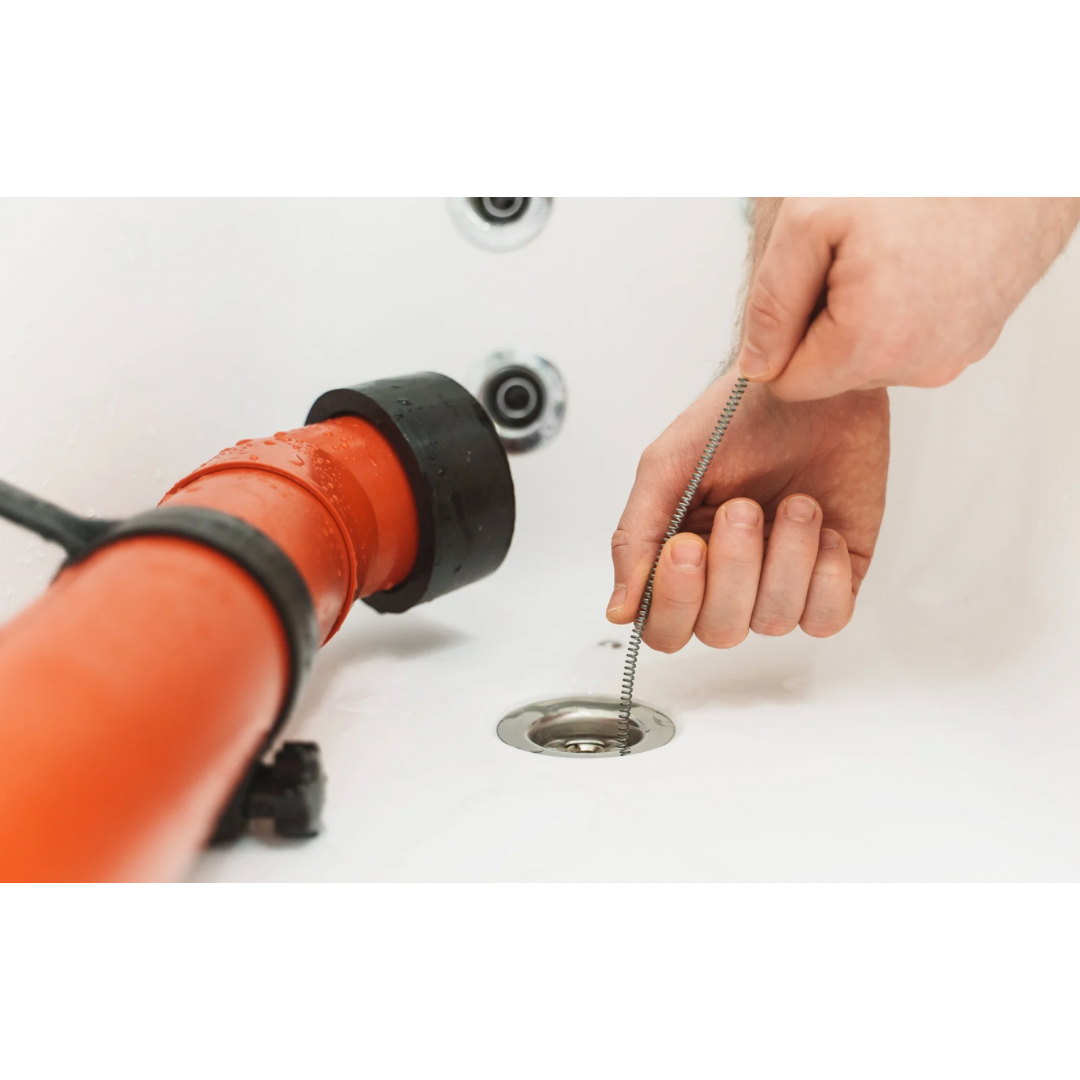
A sewer line backup is a blockage or failure in the main sewer line that prevents wastewater from leaving the home, causing wastewater to rise at the lowest available openings. A sewer line backup affects multiple fixtures because all sinks, tubs, showers, and toilets connect to the same main line before the pipe exits the foundation toward the municipal sewer or septic connection.
A main sewer line commonly measures about 4 inches in diameter for many single-family homes, and main sewer line materials often include PVC, cast iron, or clay tile depending on home age and local construction norms. A main line blockage creates a pressure-and-flow problem across the whole drainage system, which explains why a toilet flush can trigger water movement in a bathtub or shower.
Slow drain vs. backed up sewer line (quick comparison)
A backed up sewer line produces whole-home symptoms, while a localized clog usually stays confined to one fixture or one bathroom group. A simple comparison helps homeowners decide whether a plunger is reasonable or whether a main line diagnosis is needed.
| Situation | Most likely location | Common symptoms | Typical next step |
|---|---|---|---|
| Single sink drains slowly | Fixture trap or branch line | Slow sink only, no toilet gurgle | Plunger or hand snake for the specific drain |
| One tub/shower backs up | Branch line to that bathroom | Slow tub, occasional gurgle | Hair/soap removal, basic snaking if accessible |
| Multiple drains slow at once | Main sewer line | Gurgling toilet, odors, lowest drain backs up | Stop water use and evaluate main cleanout |
| Sewage rises in floor drain | Main sewer line | Black/gray water at lowest point | Professional diagnosis and main line clearing |
Early warning signs of a backed up sewer line
A backed up sewer line usually announces itself early through plumbing behavior changes such as multi-fixture slow drainage, gurgling sounds, and sewage odors. A backed up sewer line warning sign matters because early action can reduce the chance of contaminated water spreading into flooring, drywall, and personal property.
Homeowners in Prosper, TX and nearby North Texas communities often notice the earliest signs in the lowest fixtures because gravity sends backup water to the lowest opening first.
Common sewer line backup symptoms inside the home
- Multiple drains acting up at the same time: Multiple slow drains across bathrooms and kitchens often indicate a main line restriction rather than a single clog.
- Gurgling noises from toilets or tubs: Gurgling sounds often indicate trapped air caused by a partial blockage.
- Sewage odors indoors: Sewer gas odors near drains can indicate wastewater not moving as designed or a dry trap, and a sewer backup can intensify odors quickly.
- Water backing up in a different fixture: Cross-fixture backup (toilet flush makes tub rise) strongly suggests a main sewer line issue.
- Frequent toilet clogs with no clear cause: Repeated clogging can occur when the main line is partially blocked and solids cannot move downstream.
Common sewer line backup symptoms outside the home
- Unusually lush patches of lawn near the sewer route: A leaking sewer line can fertilize soil, creating greener growth in a narrow band.
- Soft or sunken spots in the yard: A broken pipe can wash out soil, creating voids and settlement.
- Standing water near a cleanout cap: A main cleanout area can show overflow or seepage when the line is obstructed.
What causes a sewer line backup in North Texas homes
A sewer line backup is usually caused by a physical obstruction or structural failure in the main sewer pipe, including roots, grease, foreign objects, or pipe damage. A sewer line backup cause matters because clearing alone can be temporary when the underlying cause involves cracks, offsets, bellies, or collapsing pipe.
Licensed plumbers commonly group sewer backup causes into “blockage” versus “pipe condition” categories, because the long-term fix differs.
Tree root intrusion (common with clay or aging cast iron)
Tree root intrusion occurs when roots enter through tiny gaps at joints or cracks and expand inside the pipe. Tree roots can form a dense mat that catches toilet paper and solids, creating a recurring clog pattern that returns after basic snaking.
Grease buildup and non-flushable items
Grease buildup forms when fats, oils, and grease cool inside the pipe and trap debris. Non-flushable items commonly include wipes (including products labeled “flushable”), paper towels, hygiene products, and small plastics that do not break down like toilet paper.
Structural damage, corrosion, or collapse
Cast iron sewer pipe can corrode internally over time, reducing the inside diameter and creating a rough surface that catches waste. Clay tile sewer pipe can shift at joints due to soil movement, creating offsets that snag debris. PVC sewer pipe can crack or deform when buried depth, soil conditions, or surface loads create stress.
Heavy rainfall and inflow/infiltration (where applicable)
Heavy rainfall can worsen sewer backups when groundwater enters cracked pipes or when municipal systems become overloaded in certain conditions. Local conditions vary by neighborhood infrastructure, lot grading, and pipe condition.
What homeowners can safely do right away (damage control without making the clog worse)
A homeowner response to a sewer line backup should focus on stopping flow, limiting contamination, and preventing pipe damage from incorrect tools or chemicals. A safe homeowner response usually includes stopping water use, checking a cleanout if accessible, and containing water using protective gear.
Chemical drain cleaners rarely solve a main sewer line blockage and can create additional hazards for people and piping materials.
Stop all water use immediately
Stopping water use prevents additional wastewater from entering the blocked main line. Stopping water use includes pausing laundry, dishwashing, showers, and toilet flushing until the drainage system is evaluated.
Identify the lowest affected fixture and isolate the area
The lowest fixture often includes a first-floor shower, tub, or floor drain. Area isolation includes keeping children and pets away and placing towels or plastic barriers to limit spread.
Ventilate and use protective gear before any cleanup
Protective gear should include disposable gloves and closed-toe shoes, and a mask can reduce odor exposure. Ventilation can include opening windows and running exhaust fans when safe.
Check the main sewer cleanout only if the cleanout is accessible and safe
A main sewer cleanout often appears as a capped pipe near the foundation or in the yard. A cleanout check should involve slow loosening of the cap with caution because a pressurized backup can release wastewater.
Avoid chemical drain cleaners and avoid running a small hand snake deep into the system
Chemical drain cleaners can damage older piping and can splash during disassembly. Small hand snakes can punch through soft obstructions without removing the cause or can bind in damaged pipe.
Mini decision tree for “clogged drains” vs. main sewer blockage
- One drain slow, no gurgling elsewhere: A localized clog is more likely, and a plunger or basic trap cleaning can help.
- Two or more drains slow, toilet gurgles: A main line restriction becomes likely, and water use should stop.
- Sewage present at a floor drain or tub: A main sewer line backup is likely, and professional diagnosis is the safest next step.
Homeowners looking for localized drain help can also reference Sink Drain Unclog: Practical Tips, Safe DIY Steps, and When to Call a Plumber.
How licensed plumbers diagnose and fix a sewer line backup
A licensed plumber fixes a sewer line backup by confirming the blockage location and cause, clearing the obstruction with professional equipment, and verifying pipe condition to reduce recurrence. A professional sewer line backup process often uses a powered drain machine, hydro-jetting when appropriate, and a sewer camera inspection to identify roots, breaks, bellies, or collapse.
Specialty Plumbing is a locally owned, full-service provider in Prosper, TX, and Specialty Plumbing focuses on practical diagnosis steps that reduce guesswork and unnecessary digging.
Professional tools commonly used for sewer line backups
- Professional-grade drain augers (sewer snakes): Powered cables can reach long distances in the line and cut through many root and debris blockages.
- Hydro-jetting equipment: High-pressure water scours pipe walls and can remove grease and sludge buildup more completely than basic snaking in appropriate pipe conditions.
- Sewer camera inspection (video scope): A camera inspection shows the exact cause and distance of a blockage and can reveal cracks, offsets, root intrusion, or collapsed sections.
Typical professional workflow (what happens on-site)
A professional workflow begins with symptom confirmation and locating the best access point, which often includes a cleanout. A professional workflow continues with mechanical clearing, followed by camera verification when recurring symptoms or pipe-condition concerns exist. A professional workflow ends with recommendations that match the observed cause, including repair options when the camera shows damage.
Clearing vs. repairing: what determines the next step
Clearing removes the immediate blockage, while repair addresses a structural defect that causes repeated backups. A camera inspection often determines whether the correct next step involves spot repair, pipe replacement, or a trenchless method, depending on pipe material and damage type.
For homeowners who suspect pipe damage beyond clearing, Sewer Line Replacement in Prosper TX: Signs, Causes, Process, and Smart Next Steps for Homeowners provides deeper context.
Sewer line backup repair methods (snaking, hydro-jetting, spot repair, trenchless)
Sewer line backup repair methods range from clearing techniques to structural repairs, and the correct method depends on the blockage type and pipe condition. Sewer line backup repair selection usually follows a “least invasive that solves the verified cause” approach after a cleanout evaluation and camera findings.
A comparison of common methods helps homeowners understand why one home needs a simple clearing while another home needs excavation or trenchless work.
| Method | Best for | Limitations | What the result means |
|---|---|---|---|
| Powered auger / sewer snake | Roots, paper buildup, many solid obstructions | Clearing can be temporary if cracks or offsets remain | Restores flow, but recurrence risk depends on pipe condition |
| Hydro-jetting | Grease, sludge, heavy buildup on pipe walls | Hydro-jetting suitability depends on pipe integrity | Cleans pipe interior more thoroughly when pipe condition supports jetting |
| Spot repair (excavation of a section) | Localized break, offset joint, short collapsed area | Digging can be required depending on depth and access | Removes damaged segment and restores structural integrity |
| Trenchless repair (method varies) | Some damaged lines where trenchless is feasible | Not every pipe material or collapse pattern qualifies | Reduces surface disruption when site conditions allow |
What affects sewer line backup repair cost (and what affects complexity)
Sewer line backup repair cost depends on access, pipe material, blockage type, and the extent of damage found during diagnosis. Sewer line backup repair complexity increases when the main line runs under slabs, driveways, or dense landscaping, or when a camera inspection shows a collapsed or misaligned pipe.
Pricing varies by project scope, location, and repair method, and a camera-confirmed diagnosis usually produces the most accurate plan.
Key factors that shape project scope
- Access to a main cleanout: A reachable cleanout can simplify clearing and camera work.
- Distance to the blockage: A blockage farther from the access point can require longer cable runs and additional setup.
- Pipe material (PVC vs. cast iron vs. clay): Material affects cutting, cleaning approach, and repair options.
- Condition issues (cracks, root intrusion, belly, collapse): Condition issues often drive whether clearing is enough or repair is required.
- Surface constraints: Driveways, patios, retaining walls, and mature landscaping can change the repair approach.
Homeowners weighing broader plumbing repair decisions can compare planning strategies in Pipe Repair: A Homeowner’s Guide to Leaks, Burst Pipes, and Smart Fix Options.
Sewer line backup timelines: immediate actions, short-term repairs, and longer-term prevention
Sewer line backup timelines include immediate containment, same-week diagnosis and clearing, and longer-term prevention steps based on pipe condition and root pressure. Sewer line backup timeline planning helps homeowners separate urgent health-and-damage priorities from follow-up work such as camera verification, repairs, and maintenance.
Response times vary by demand and scheduling, and repair timelines vary by project scope and access.
Immediate timeline (first hours)
A sewer backup immediate timeline focuses on stopping water use, limiting spread, and reducing exposure. A sewer backup immediate timeline often includes checking the cleanout, containing water with towels or a wet/dry vacuum, and documenting affected areas for insurance discussions.
Short-term timeline (next few days)
A short-term timeline often includes professional clearing and a camera inspection when symptoms involve multiple fixtures or recurrence. A short-term timeline can also include drying and sanitation steps because wastewater can contain contaminants that require careful cleanup.
Longer-term timeline (weeks to months)
A longer-term timeline often includes repair planning when a camera shows structural defects. A longer-term timeline can include prevention steps such as root management strategies, grease-control habits, and periodic camera checks for homes with recurring issues or mature trees near the sewer route.
When sewer line backup damage becomes a health and property risk
Sewer line backup damage becomes a health risk because wastewater can contain bacteria and other contaminants that should not contact skin, porous flooring, or HVAC pathways. Sewer line backup property risk increases when backup water reaches drywall, baseboards, insulation, or flooring underlayment.
A homeowner safety rule should treat any black/gray water as contaminated and should limit DIY cleanup to containment and basic removal when conditions are safe.
Practical damage-control checklist
- Stop all water use to prevent additional overflow.
- Keep people and pets away from contaminated areas.
- Use gloves and dedicated cleanup tools that can be disinfected.
- Remove absorbent items that cannot be safely sanitized.
- Photograph affected areas for documentation.
When to call a licensed plumber for a sewer line backup
A licensed plumber should handle a sewer line backup when multiple drains back up, sewage appears indoors, or a cleanout shows standing wastewater. A licensed plumber evaluation becomes urgent when symptoms include floor drain overflow, repeated gurgling across fixtures, or any sign of pipe collapse such as sudden recurring backups after clearing attempts.
Specialty Plumbing provides service in Prosper and nearby communities, and Specialty Plumbing dispatch planning depends on demand and scheduling.
Clear decision criteria
- Call a professional when two or more fixtures back up at once.
- Call a professional when sewage odors accompany slow drainage across the home.
- Call a professional when a plunger fixes nothing and gurgling continues.
- Call a professional when a main cleanout shows standing wastewater.
- Call a professional when recurring clogs return after basic clearing.
Common questions about sewer line backup
Can a homeowner use a chemical drain cleaner for a whole-house sewer line backup?
Chemical drain cleaner products rarely reach a main sewer blockage, so chemical drain cleaner use usually fails for a whole-house backup. Chemical drain cleaner use can also damage older pipe materials and can create splash hazards during disassembly.
What does gurgling in a toilet mean during a sewer line backup?
Toilet gurgling during a sewer line backup often indicates trapped air caused by restricted flow in the drainage system. Toilet gurgling combined with multiple slow drains strongly suggests a main sewer line restriction rather than a single fixture clog.
How can homeowners prevent a backed up sewer line from returning?
Backed up sewer line prevention starts with disposing grease in the trash and flushing only toilet paper. Backed up sewer line prevention can also include periodic sewer camera inspections for homes with mature trees or recurring symptoms, based on plumber recommendations.
Does homeowner’s insurance cover sewer line backup cleanup and repairs?
Homeowner’s insurance coverage for sewer line backup varies by policy and endorsement, and many policies require a specific water-backup endorsement. Homeowner’s insurance questions should go to an insurance agent using photos and documentation from the incident.
What is a sewer camera inspection and what does a plumber look for?
A sewer camera inspection is a video scan of the drain line that shows blockage location and pipe condition. A sewer camera inspection commonly identifies root intrusion, cracked pipe, offset joints, bellies, and collapsed sections.
Local context: Sewer line backup help in Prosper and nearby cities
Homeowners in Prosper, Celina, Frisco, McKinney, Allen, Plano, Aubrey, Oak Point, and Gunter often see sewer line backup triggers tied to mature trees, shifting soil, and everyday habits like grease disposal and flushing non-flushable items. Specialty Plumbing is a locally owned, full-service provider staffed by licensed Prosper TX plumbing professionals, and Specialty Plumbing uses camera-based diagnosis and professional clearing methods to match the fix to the verified cause. Availability varies, so contact Specialty Plumbing to confirm scheduling and coverage for a specific address.
Pro tips homeowners can use year-round
- Know the location of the main sewer cleanout before an emergency.
- Keep a flange plunger for toilets and a cup plunger for sinks and tubs.
- Avoid “flushable” wipes because many products do not break down like toilet paper.
- Treat recurring slow drains across multiple fixtures as a main line warning sign, not a nuisance.
Real-world scenarios (what patterns look like in actual homes)
A Celina home pattern often starts with slow drains after heavy rain and ends with a cleanout discovery that roots have filled the pipe at a joint. A Frisco home pattern sometimes involves a foreign object lodged at a bend, creating a debris catch point that grows into a full blockage months later. A consistent lesson across Prosper-area calls involves acting early when multiple fixtures show symptoms, because early diagnosis can limit contamination and property damage.
For related home maintenance planning, Shower Pan Leak Water Damage: Causes, Early Signs, and Professional Fixes can help homeowners distinguish drain issues from hidden leak damage.