Quick Summary
Yard line repair solves problems in the main underground drain line that carries wastewater from a home to a municipal sewer connection or septic system. Yard line problems usually show up as multi-fixture slow drains, recurring drain line backups, sewage odors, gurgling sounds, or soggy patches in the lawn. Yard line repair is often appropriate when damage is limited to one section and the rest of the pipe remains structurally sound, while yard line replacement becomes the smarter option when a line has widespread corrosion, repeated root intrusion, offset joints, or a partial collapse.
Yard line diagnosis typically starts with a sewer camera inspection through an existing cleanout or a removed toilet flange, followed by a location mark-out for the damaged segment. Yard line repair methods commonly include spot repair (excavation and section replacement), trenchless pipe lining (cured-in-place liner), and mechanical root removal paired with hydro-jetting. Yard line replacement usually involves excavating and installing new pipe such as PVC with properly bedded trench support and code-compliant slope. Specialty Plumbing, a locally owned team of licensed Prosper TX plumbing professionals, helps homeowners in Prosper, Celina, Frisco, McKinney, Allen, Plano, Aubrey, Oak Point, and Gunter confirm the cause, compare options, and choose a durable fix.
Yard line repair basics: what a “yard line” is and why problems escalate
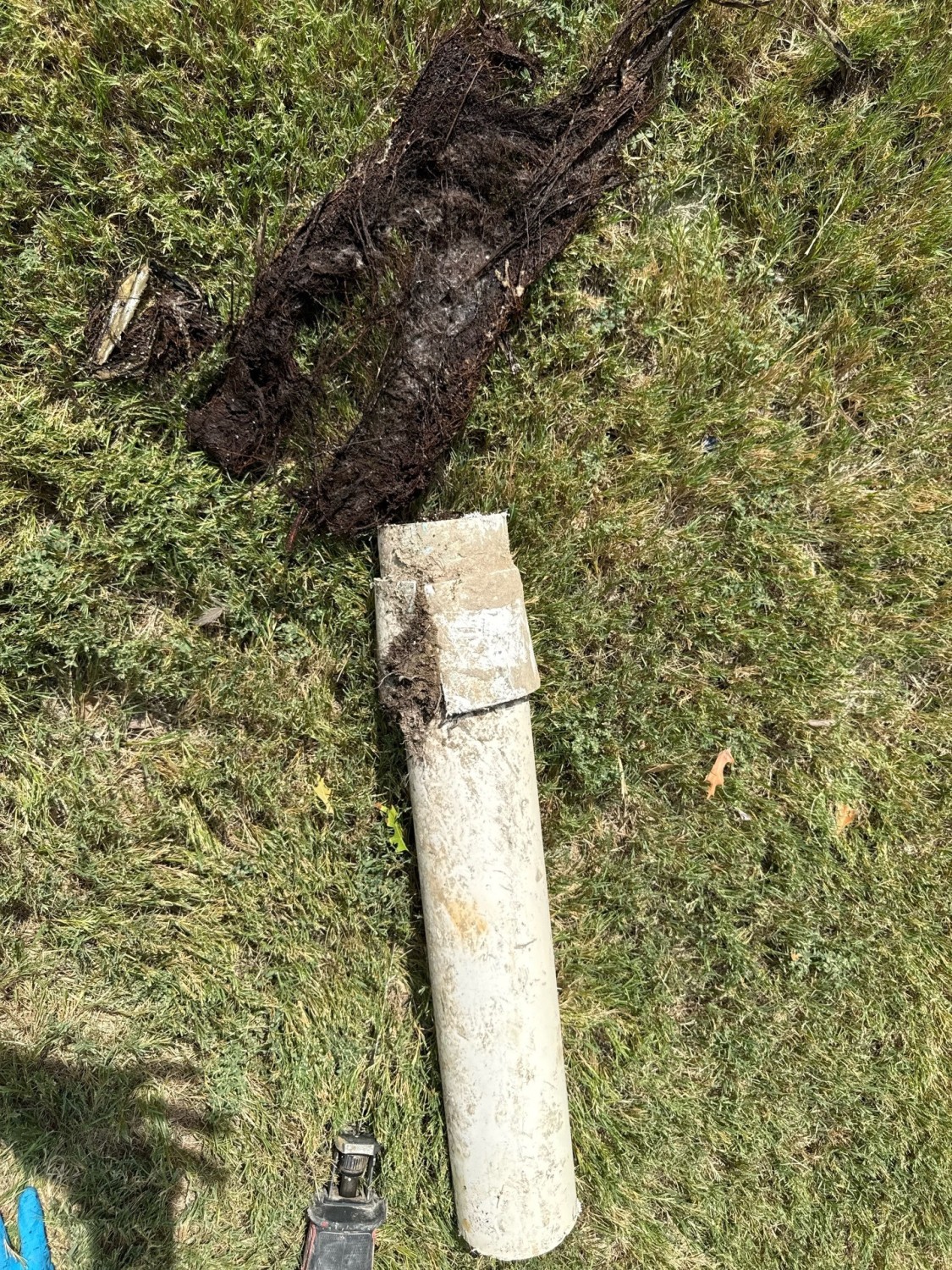
Yard line repair addresses defects in the main sewer or drain pipe between a home and the city tap or septic connection, because every sink, toilet, shower, and laundry drain depends on that single pathway. Yard line problems escalate quickly because one restriction in the main line can affect multiple fixtures at once, increasing overflow risk and property damage potential.
A yard line (also called a main sewer line or main drain line) refers to the buried pipe that carries wastewater away from the home. Yard line failures create higher stakes than a single clogged sink because a main line blockage can force wastewater to seek the lowest exit point, which often involves tubs, showers, or floor drains.
Common yard line failure modes homeowners encounter
- Root intrusion occurs when roots enter through joints, cracks, or separations to reach moisture and nutrients inside the pipe.
- Pipe corrosion affects older metal piping, including cast iron, when interior walls scale, pit, and eventually weaken.
- Pipe fracture or collapse can occur when clay or brittle materials crack, shift, or deform under soil movement and load.
- Drain line backups can form when grease, wipes, and debris accumulate and snag on rough pipe walls or root masses.
- Yard flooding can occur when a break leaks effluent into surrounding soil, creating persistent wet areas and odor.
Story from the field (North Texas example)
A homeowner in McKinney noticed a persistent wet spot near a rose garden and assumed overwatering caused the issue. A sewer camera inspection revealed tree roots had wrapped a section of the yard line and split the pipe, which allowed wastewater to leak into the soil. Early symptom recognition often reduces excavation scope and reduces landscape restoration complexity.
Signs a yard line is compromised (and what each symptom usually means)
Yard line compromise usually shows up as whole-house drainage changes rather than a single slow sink, because the main line serves every fixture. Yard line symptoms become more reliable when multiple warning signs appear together, such as slow drains plus gurgling plus outdoor odor.
Symptom checklist homeowners can verify without special tools
- Slow drains throughout the house often indicate a restriction in the main line rather than a localized trap clog.
- Frequent toilet or shower backups often indicate a blockage downstream of the affected fixture branch.
- Unexplained soggy or sunken patches in the yard can indicate an underground leak that saturates soil above the pipe.
- Foul odors indoors or outdoors can indicate sewer gas escaping through a compromised line or dried traps aggravated by poor drainage.
- Gurgling sounds in drains can indicate trapped air caused by a partial blockage or improper venting aggravated by a main line restriction.
Symptom → likely cause → safe next step (mini-map)
| Symptom | Likely yard line cause | Safe next step |
|---|---|---|
| Multiple slow drains | Main line restriction or developing clog | Stop chemical drain cleaner use and schedule a camera inspection |
| Sewage smell in yard | Break, leak, or failing joint | Avoid digging and request professional locating after camera confirmation |
| Soggy lawn near trees | Root intrusion at joints or cracks | Plan mechanical root cutting and post-cleaning camera verification |
| Repeating backups after snaking | Structural defect (offset joint, belly, collapse) | Confirm pipe grade and alignment with camera and locating |
Chemical drain cleaners rarely resolve main line problems and can create hazards during professional cleaning because caustic residues can splash during snaking or hydro-jetting.
Yard line repair vs. replacement: how plumbers decide
Yard line repair decisions depend on pipe condition, defect type, defect location, and how much of the line shows structural deterioration, because spot fixes fail when the remaining pipe continues to degrade. Yard line replacement becomes the better long-term option when a camera inspection shows multiple failing segments, recurring root intrusion points, or pipe material that cannot reliably hold joints.
When yard line repair is usually enough
Yard line repair often fits when damage is limited to a single, accessible section and the remaining pipe walls and joints look stable on camera. Yard line repair also fits when a modern pipe material such as PVC shows an isolated crack, separation, or root entry point that can be sealed or replaced locally.
Common repair approaches include:
- Spot repair (excavate and replace a section): Spot repair removes the damaged segment and reconnects new pipe with code-appropriate fittings.
- Trenchless pipe lining (CIPP lining): Trenchless lining installs a resin-saturated liner inside an existing pipe to seal cracks and minor joint separations when the host pipe still has shape continuity.
- Root removal plus sealing: Root removal uses mechanical cutters and, when appropriate, hydro-jetting to clear root masses, followed by camera confirmation and targeted sealing or lining to reduce re-entry.
When yard line replacement is usually the smarter move
Yard line replacement becomes likely when multiple defects appear along the run, because repeated excavations can become more disruptive than a single replacement project. Yard line replacement also becomes likely when a line shows collapse, severe misalignment, or widespread corrosion that reduces internal diameter.
Replacement triggers often include:
- Multiple compromised sections such as repeated offset joints, fractures, or recurring root entry points
- Fragile or obsolete pipe material such as Orangeburg (bituminous fiber), older clay, or severely corroded cast iron
- Extensive root intrusion that has already distorted joints and weakened pipe structure
- Collapsed or severely misaligned pipe that cannot maintain consistent grade and flow
Repair vs. replacement comparison table (homeowner decision support)
| Decision factor | Repair tends to fit | Replacement tends to fit |
|---|---|---|
| Damage scope | One localized defect | Multiple defects across the run |
| Pipe structure | Round and stable on camera | Deformed, collapsed, or heavily offset |
| Root intrusion pattern | Single entry point | Recurring entry points and repeat backups |
| Pipe material condition | Modern PVC in good condition | Orangeburg, failing clay, or severely corroded cast iron |
| Future risk | Lower recurrence risk after sealing | Higher recurrence risk without full renewal |
Local story (Prosper example)
A family in Prosper dealt with repeated root intrusion in a 1970s clay yard line and completed two spot repairs over three years. A third failure prompted a recommendation for full replacement with modern PVC, which eliminated recurring backups and reduced future landscaping disruptions tied to repeated digs.
How yard line repair is diagnosed and completed (step-by-step)
Yard line repair typically follows a repeatable process that starts with confirming the defect location and ends with verification testing, because guessing underground conditions increases unnecessary excavation. Yard line repair quality depends on camera evidence, accurate locating, correct pipe bedding, and a final flow test or camera re-check.
Confirm the problem pattern inside the home
A homeowner or plumber documents which fixtures back up, which drains gurgle, and whether symptoms affect multiple bathrooms. A multi-fixture pattern usually indicates a main line issue rather than a single branch clog.
Perform a sewer camera inspection
A licensed plumber runs a camera through a cleanout or another approved access point to view cracks, root intrusion, corrosion, bellies, and offsets. A camera inspection creates objective evidence that separates “clog-only” situations from structural failures.
Locate and mark the defect
A plumber uses a camera sonde or locator to mark the defect location on the surface. A locate-and-mark step reduces unnecessary trench length and reduces the chance of missing the true failure point.
Choose the repair method based on pipe condition
A plumber selects spot repair, trenchless lining, or root removal based on whether the pipe maintains shape and whether defects remain localized. A method selection step should include a discussion of material compatibility, access constraints, and code requirements.
Complete cleaning, repair, or replacement work
A repair crew clears obstructions with a sewer machine or hydro-jetting when appropriate, then completes lining or excavation work. A replacement scope typically includes proper trench bedding, correct pipe slope, and watertight joints.
Verify results with a post-repair camera or flow test
A plumber re-cameras the line or performs a functional flow test to confirm open passage and correct alignment. A verification step reduces the risk of leaving behind a partial blockage or a misaligned coupling.
Homeowners who want broader drain context can cross-check related drainage guidance in Sink Drain Unclog: Practical Tips, Safe DIY Steps, and When to Call a Plumber.
What drives yard line repair scope and project pricing
Yard line repair pricing varies by project scope, pipe depth, access limitations, and the extent of structural damage, because excavation and restoration often drive total effort more than the pipe itself. Yard line repair planning improves when homeowners understand access constraints like driveways, patios, fences, mature trees, and buried utilities.
Key factors that commonly change project complexity include:
- Access to the pipe: Yard lines under driveways, patios, or dense root zones require more careful excavation and restoration planning.
- Pipe material and diameter: Common residential yard line diameters include 3-inch and 4-inch pipe, and older materials can require more labor to cut and reconnect cleanly.
- Extent of damage: A single crack near the foundation differs from multiple breaks spread across a long run.
- Obstructions and conflicts: Tree roots, rocks, and nearby utility lines can require hand digging and careful staging.
- Code compliance and permitting: Local jurisdictions can require permits, inspections, cleanout placement, and minimum burial depth.
- Landscape restoration needs: Sod, irrigation, edging, and hardscape restoration can become a meaningful part of the overall scope.
- Soil and weather conditions: North Texas clay soils can become heavy and sticky after rain, which can slow excavation and compaction work.
A trenchless method can reduce surface disruption, but trenchless lining cannot solve every scenario because a collapsed or severely offset line may not allow liner installation.
Typical yard line repair timeframes (what happens immediately, daily, and after the repair)
Yard line repair timelines depend on diagnosis steps, permitting requirements, access constraints, and restoration needs, because underground work involves verification and safe excavation practices. Yard line repair also includes “after the repair” monitoring steps, because settling soil and recurring root pressure can reveal additional maintenance needs.
Immediate timeframe (first hours after symptoms)
- Water usage reduction helps limit backup severity when a main line restriction exists.
- Overflow containment with towels and buckets helps reduce indoor water damage when a backup occurs.
- Camera inspection scheduling helps confirm whether a clog-only condition exists or a structural defect exists.
Short project timeframe (typical workdays perspective)
- Camera inspection and locating often represent an early milestone that determines the repair plan.
- Spot repair and sectional replacement often require excavation, pipe replacement, and backfill compaction before surface restoration.
- Trenchless lining often requires cleaning, liner insertion, curing, and a final camera verification pass.
After-repair timeframe (weeks to months)
- Soil settling can continue after backfill, especially in clay soils, which can affect final grading and lawn recovery.
- Root intrusion risk remains for older clay or cast iron segments that remain in service, which can justify periodic camera checks.
- Drain behavior monitoring helps confirm that multi-fixture drainage has returned to normal under typical household loads such as laundry cycles and showers.
Homeowners planning broader home protection can also review Pipe Repair: A Homeowner’s Guide to Leaks, Burst Pipes, and Smart Fix Options for related water-damage prevention concepts.
Roots in the drain line: why root intrusion is so common in yard lines
Tree roots in a drain line cause recurring yard line repair calls because roots exploit tiny openings at joints and cracks and expand into dense mats that trap debris. Root intrusion becomes more damaging over time because root growth widens defects, increases blockage frequency, and can split brittle pipe materials.
How root intrusion typically develops
- Root hairs migrate toward moisture escaping from joints, cracks, or porous pipe walls.
- Root growth inside the pipe catches toilet paper and solids, which accelerates clog formation.
- Root masses increase hydraulic resistance, which increases the chance of a whole-house drain line backup.
A plumber can remove roots as thick as a wrist in severe cases, and a camera inspection can confirm whether roots entered through a single joint or through multiple defects.
Root intrusion management and prevention options
- Mechanical root cutting removes intruding roots but does not seal the entry point by itself.
- Hydro-jetting can scour pipe walls and flush debris when pipe condition supports jetting pressures and when a plumber confirms safe use.
- Trenchless lining can seal minor cracks and joints to reduce future root entry when the host pipe remains structurally intact.
- Root barriers and smart planting reduce risk when large trees and shrubs remain near the yard line route.
Landscaping changes can affect plumbing outcomes, and outdoor plumbing context can help homeowners plan projects near buried lines; Outdoor Faucet Repair: Essential Tips, Steps, and When to Call a Plumber provides related exterior-plumbing planning guidance.
Damage-control actions for a yard line leak or drain line backup (safe homeowner steps)
Yard line backup control focuses on limiting additional water flow and reducing exposure to contaminated water, because sewer backups can carry bacteria and hazardous waste. Yard line emergency actions should avoid chemical drain cleaners and avoid unnecessary digging, because chemicals and disturbed soil can increase risk and complicate professional repair.
Stop water flow to reduce pressure on the main line
A homeowner stops laundry, dishwashing, showers, and toilet flushing to reduce incoming wastewater volume. A homeowner can shut off water at affected fixtures, and a homeowner can shut off the main water valve if the backup becomes severe.
Contain and protect indoor areas
A homeowner uses towels, buckets, and plastic sheeting to limit spread and protect flooring. A homeowner keeps children and pets away from affected areas and treats any sewage contact as a sanitation concern.
Avoid chemical drain cleaners and DIY excavation
A homeowner avoids caustic drain cleaners because main line blockages rarely respond and chemical residues can create splash hazards during professional snaking. A homeowner avoids digging because excavation without locating can damage utilities and can expose contaminated soil.
Document visible damage for insurance conversations
A homeowner photographs affected floors, walls, and yard areas to create a record. A homeowner reviews policy language carefully because coverage varies by policy and endorsement.
When professional yard line repair becomes the safest, most cost-effective next step
Professional yard line repair becomes necessary when symptoms involve multiple fixtures, recurring backups, sewage odors, or visible yard saturation, because main line failures often involve structural defects that require cameras and specialized equipment. Professional yard line replacement evaluation becomes necessary when a camera inspection shows collapse, severe offsets, or widespread material failure.
Homeowners should contact a licensed plumber when any of the following conditions apply:
- Multiple drains slow down at the same time across bathrooms and kitchens.
- Backups recur after plunging or after a basic fixture-level snake attempt.
- A yard area develops persistent sewage odor, wet soil, or unexplained sinkholes.
- A home has older clay, cast iron, or Orangeburg piping and experiences repeated root intrusion.
- A homeowner lacks an exterior cleanout and needs safe access for camera inspection and cleaning.
Specialty Plumbing provides full-service plumbing support as a locally owned team of licensed Prosper TX plumbing professionals, and Specialty Plumbing regularly helps homeowners compare spot repair, trenchless lining, and full replacement based on camera evidence. Specialty Plumbing scheduling and coverage vary by demand and location, so homeowners should contact Specialty Plumbing to confirm current availability in Prosper, Celina, Frisco, McKinney, Allen, Plano, Aubrey, Oak Point, and Gunter.
Common questions about yard line repair
Can a homeowner clear a yard line clog with a rented drain snake?
A rented drain snake can help with a minor clog near a cleanout, but a yard line blockage often extends beyond the reach or cutting ability of rental equipment. A sewer camera inspection identifies root intrusion or collapse that snaking alone cannot solve.
How can a homeowner tell whether a clog is inside the house or in the yard line?
A single slow fixture usually points to a local clog in a trap or branch line, while multiple slow drains usually point to a yard line restriction. A soggy yard area or outdoor sewage odor also supports a yard line problem rather than an indoor-only clog.
What causes recurring drain line backups even after snaking?
Recurring drain line backups often indicate a structural defect such as an offset joint, a belly holding water, or root intrusion re-entering through an unsealed opening. A post-cleaning camera inspection confirms whether flow returned because of cleaning or because the defect remains.
Does homeowners insurance cover yard line repair or replacement?
Insurance coverage for yard line repair varies by policy language and endorsements, and many policies exclude underground pipe failures without added coverage. A homeowner should review the policy declarations and ask an insurance agent about sewer and drain endorsements.
What repair method works best for tree roots in a drain line?
Tree root removal usually requires mechanical cutting followed by camera verification to confirm full clearance. A long-term root intrusion solution usually requires sealing the entry point with lining or replacing the damaged section, because roots return through the same opening.
Local help for North Texas homeowners dealing with yard line problems
Yard line repair in North Texas benefits from local experience with clay soils, mature tree root systems, and mixed pipe materials found in older and newer neighborhoods. Specialty Plumbing supports homeowners with camera-based diagnosis, clear repair-versus-replace explanations, and code-aware workmanship as a locally owned, full-service provider staffed by licensed Prosper TX plumbing professionals.
Homeowners comparing yard line decisions to other major home systems can also use the same repair-versus-replace framework in Water Heater Replacement: Signs, Process, and Smart Repair-vs-Replace Decisions to make consistent, evidence-based choices.